





 Portuguese
  English
  Spanish
  5 min of reading
  0 comments


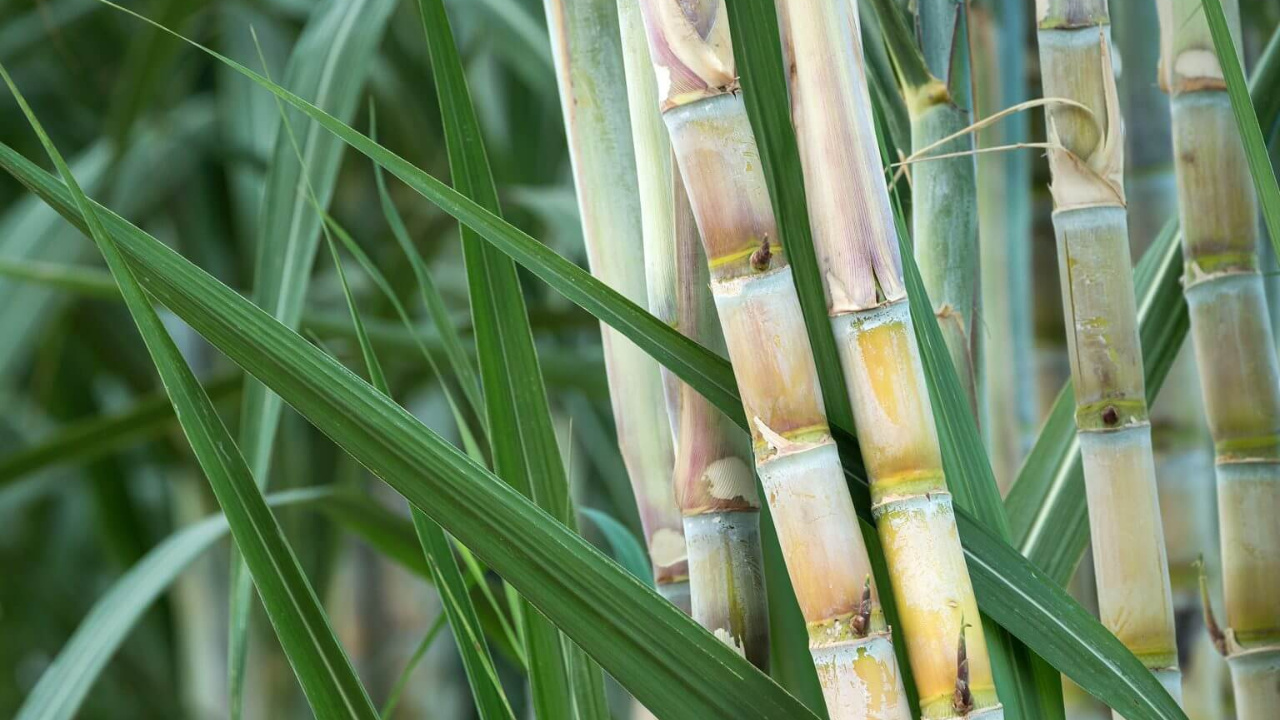
With the Potential to Replace Oil and Generate Sustainable Products Such as Biofuels, Plastics, and Renewable Hydrogen, Sugarcane Consolidates as the “Green Oil” and Strengthens Brazil’s Role in the Global Energy Transition.
The sugarcane, one of the most abundant raw materials in Brazil, is about to gain an even more strategic role in the transition to a low-carbon economy, as reported this Monday, 06. Researchers and experts claim that the plant can become the “green oil” of the 21st century, due to its multiple industrial, energetic, and chemical applications, in a renewable and sustainable way.
Today, sugarcane is already widely used in the production of sugar and ethanol. However, with investments in technology and innovation, the biomass of the plant can give rise to sustainable aviation fuel (SAF), biobunker for maritime transport, renewable hydrogen, sustainable fuels (e-fuels), and even plant-based plastics.
The Potential of Sugarcane as a Substitute for Oil
According to Thiago Lopes, professor and coordinator of the Fuel Cells Laboratory at RCGI-USP (Research Center for Greenhouse Gas Innovation at the University of São Paulo), what makes sugarcane comparable to oil is its ability to generate a circular chain of products.
-
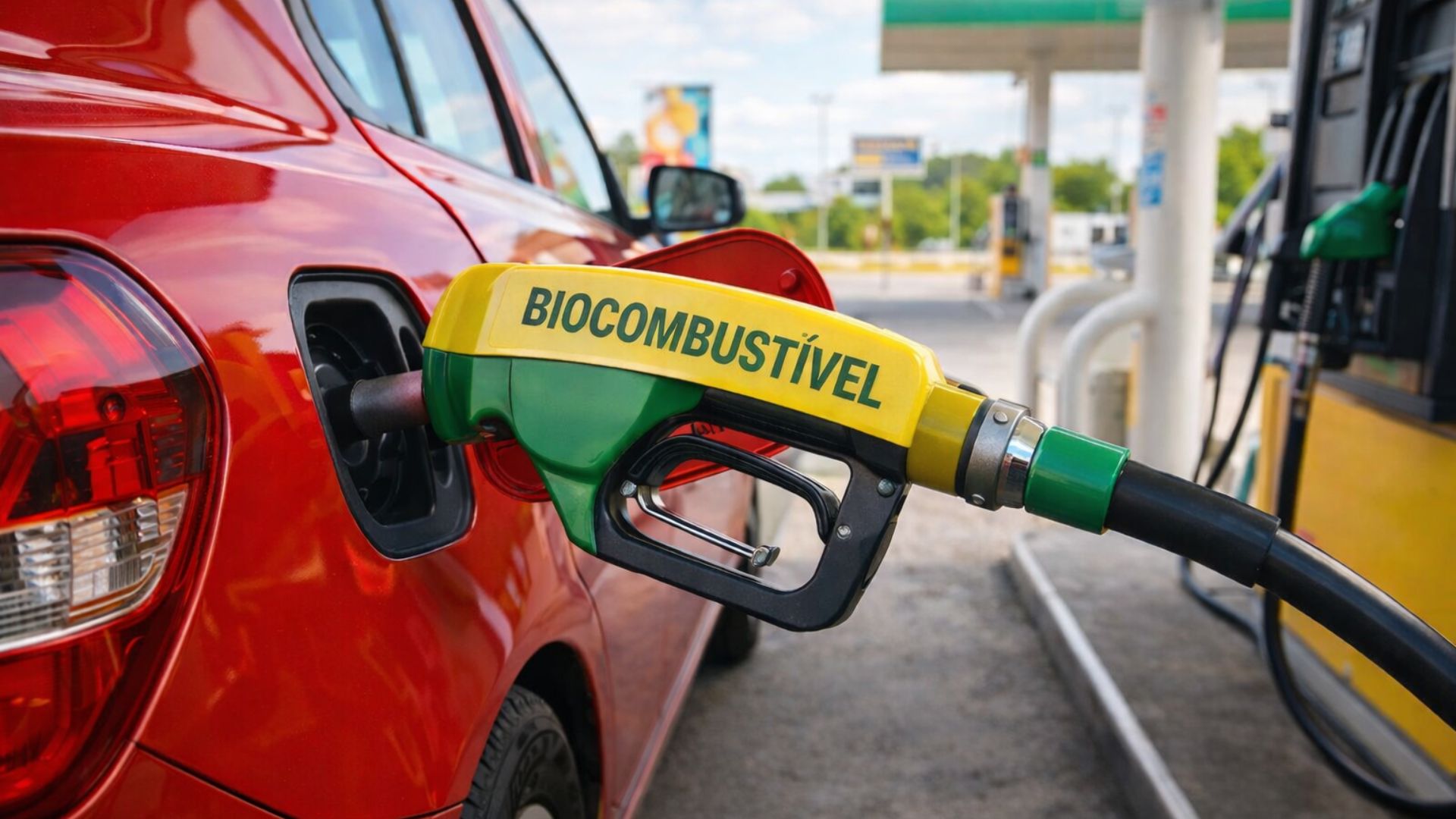
CNPE strengthens policy and prevents imported biodiesel from being mixed with diesel, aiming to strengthen the Brazilian industry and protect jobs by reducing external dependence amid tensions in the global market.
-
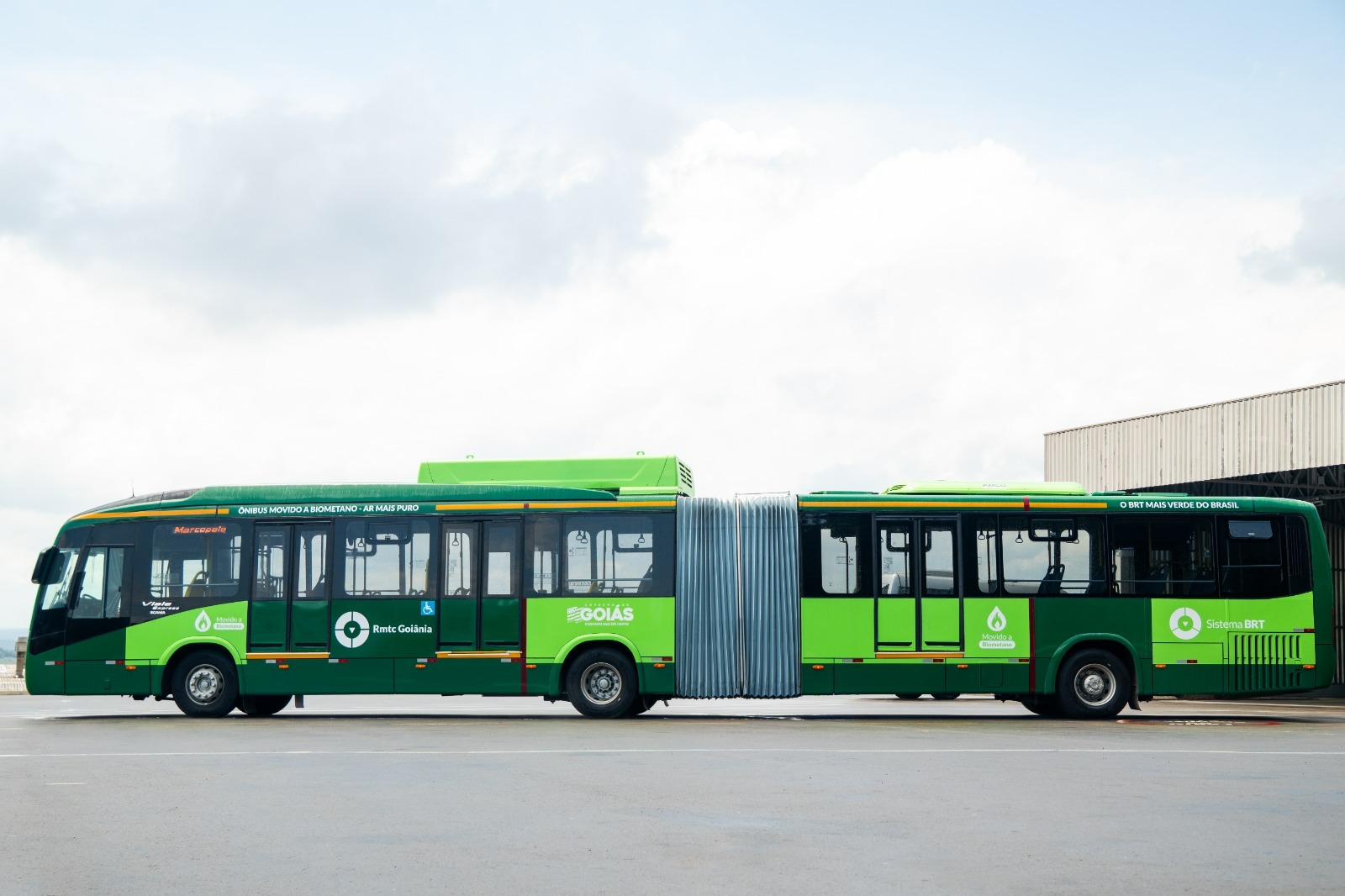
Revolution in public transport: Goiânia puts into circulation the first articulated buses powered by biomethane in Brazil and promises to drastically reduce pollution on the Anhanguera Corridor.
-
From the field to the pipelines: Mato Grosso do Sul accelerates the energy transition and consolidates a new axis in renewable energy with the arrival of a giant biogas plant.

-
The Economist states that Brazil has a “secret weapon” against expensive oil and highlights how the country can reduce economic impacts even in international scenarios of high volatility.
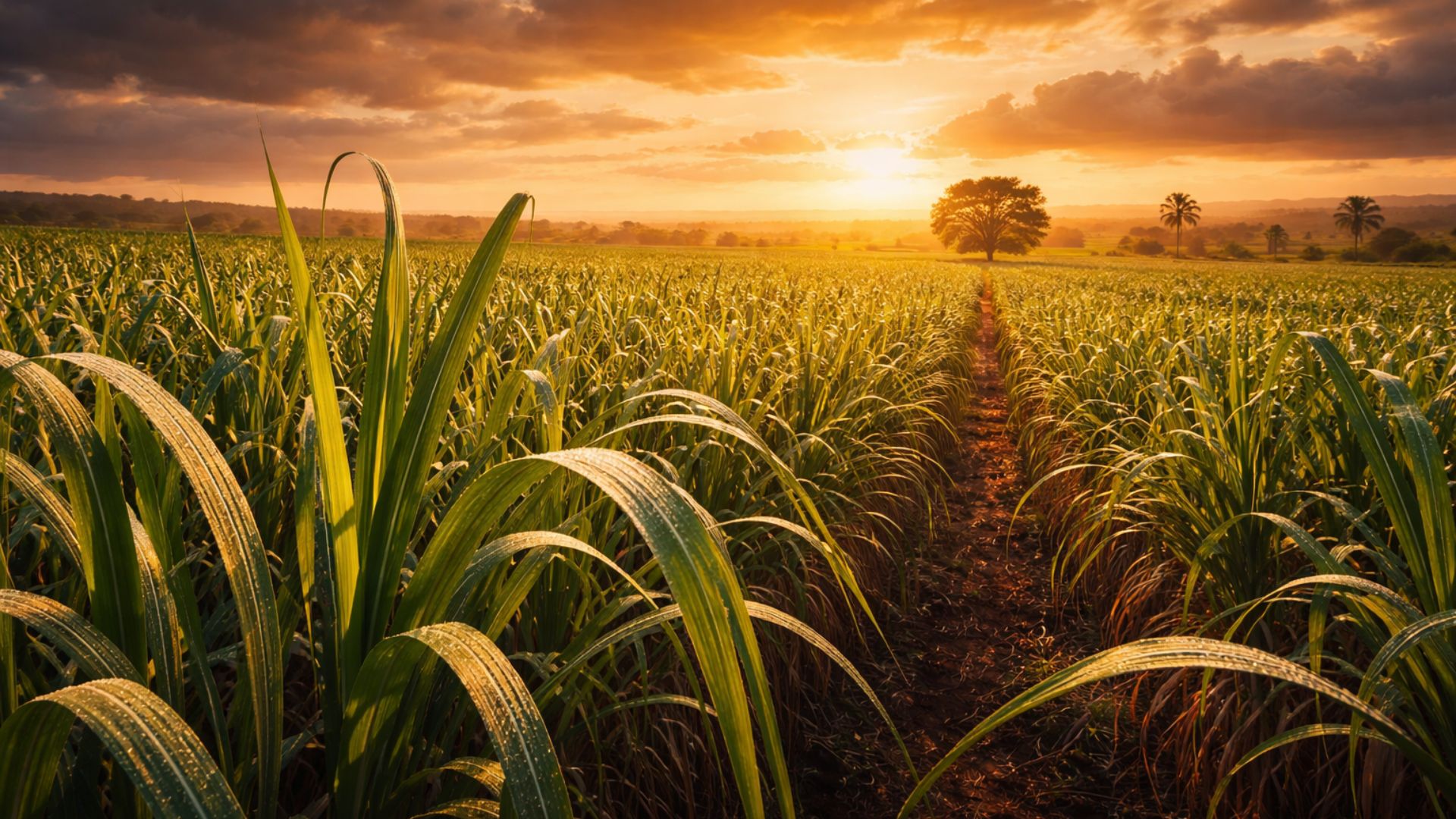

“Today we already produce ethanol, and from the CO₂ generated in the fermentation for its production, we can obtain green methanol, which serves as a raw material for molecules that give rise to plastics, textile fibers, packaging, and synthetic rubbers, products that still depend on oil,” explains the specialist.
The by-products of the mill itself — such as vinasse and CO₂ — when combined with processes that generate hydrogen and oxygen, pave the way for new fuels and strategic inputs.
Renewable hydrogen, for example, can be used in fuel cells that generate electricity without emitting pollutants, in addition to serving as a base for green ammonia, considered the future of maritime transport.
One of the differentiators of sugarcane is its ability to create a circular production chain, where nothing is wasted. The bagasse, straw, and even the gases resulting from the fermentation process can be reused to generate energy, fuels, and even chemical products.
“Unlike oil, which is a finite resource concentrated in a few countries, sugarcane is renewable, distributed, and already has a consolidated production chain in Brazil,” emphasizes Lopes. “With technological advancements, sugarcane is no longer just a source of ethanol and sugar, becoming the basis for a new green chemical industry capable of sustaining at scale sectors that today are completely dependent on oil.”
Industry Bets on “Green Plastic” and Bioeconomy
Brazilian companies have already been exploring the potential of sugarcane as a sustainable raw material. Since 2016, the Boticário Group has been using green polyethylene — a plant-based plastic derived from sugarcane ethanol — in its packaging.
“The plant-based plastic used in the packaging is made by companies that produce polyethylene from sugarcane ethanol (bio-based solutions), such as Braskem,” explains Gustavo Dieamant, executive director of Research and Development at Boticário Group. Currently, more than 2,000 products in the brand’s portfolio use green plastic.
The company has also started to use residues such as sugarcane bagasse to produce EcoÁlcool, used in perfumes. “Just with this, since 2021, we have prevented the emission of over 127,000 tons of greenhouse gases. This reduction is equivalent to the carbon capture of an area of eucalyptus the size of 4,700 football fields,” highlights Dieamant.
Partnering with Boticário to produce EcoÁlcool, Raízen has been leading projects aimed at producing second-generation biofuels (E2G). Unlike conventional ethanol (E1G), which uses the cane juice, E2G utilizes residues that would previously be discarded, such as fibers and lignin.
In 2024, the company inaugurated a new E2G unit at the Bonfim Bioenergy Park in Guariba (SP). According to the company’s data, second-generation ethanol has an 80% lower carbon footprint than regular gasoline and 30% lower than traditional ethanol, representing a technological innovation capable of increasing production by 50% without expanding the planting area.
Diversified Biofuels and Constant Innovation
The transport sector is one of those that can benefit most from the advancement of sugarcane as a renewable source. In addition to fuel ethanol — in hydrated and anhydrous versions — the mills produce bioelectricity from bagasse and straw, as well as biogas and biomethane from vinasse.
Recent research indicates the potential of sugarcane to generate green hydrogen, green methanol, and SAF (Sustainable Aviation Fuel), a sustainable fuel aimed at aviation. These new technological routes broaden the possibilities of replacing fossil fuels in different modes of transport.
It is worth noting that Brazil is currently the second-largest ethanol producer in the world, behind only the United States. However, experts believe that the country has unique conditions to lead the export of low-carbon biofuels derived from sugarcane.
According to Alexandre Alves, agronomist and general coordinator of Embrapa Agroenergia, the country has significant advantages over competitors. “While corn in the United States yields 4 to 5 thousand liters of ethanol per hectare, Brazilian sugarcane produces an average of 7 thousand liters per hectare, potentially exceeding 10 thousand liters with the integration of second-generation ethanol,” he highlights.
Between 2003 and March 2025, the use of ethanol in place of gasoline prevented the emission of over 730 million tons of CO₂. To achieve a similar effect in nature, it would be necessary to plant around 5.1 billion trees over two decades.
Competitive Advantages and Enhanced Sustainability
Another point that reinforces Brazil’s prominence is the full utilization of biomass. The country already masters industrial processes that allow for the extraction of maximum value from sugarcane:
- Cane Juice for ethanol production;
- Bagasse and Straw for generating electricity and second-generation ethanol;
- Vinasse and Filter Cake for biogas production;
- CO₂ from fermentation for e-fuels and chemical compounds.
Moreover, Brazil has a consolidated agricultural, industrial, and logistics infrastructure, in addition to RenovaBio, a program that certifies the carbon intensity of biofuels produced in the country.
Potential for Sustainable Expansion
According to recent studies, Brazil has millions of hectares of degraded pasture that can be converted for sugarcane cultivation without causing deforestation or affecting sensitive biomes. This feature ensures space for production expansion and consolidates the country as a global reference in clean and sustainable energy.
“Brazil already cultivates over 8 million hectares of sugarcane but has the potential to expand over low-productivity pastures, without putting pressure on sensitive biomes. In other words, sugarcane can indeed be considered the new green oil,” concludes Alexandre Alves from Embrapa Agroenergia.
Despite the advancements, experts argue that the country needs to accelerate investments and create clear regulatory frameworks to consolidate the role of sugarcane in the energy transition.
Among the suggested measures are the strengthening of RenovaBio, the incentive for capturing and storing carbon at mills, and the promotion of green hydrogen, SAF, and biomethane production. In addition, it is essential to expand export infrastructure and ensure international certifications that reinforce Brazil’s image as a reliable supplier of clean energy.








-

Uma pessoa reagiu a isso.