





 Portuguese
  English
  Spanish
  3 min of reading



According to the data released by the Australian Bureau of Statistics (ABS) on Wednesday (01), it is estimated that Australia’s GDP (Gross Domestic Product) has increased by at least 3.3%.
While Australia’s GDP (Gross Domestic Product) increased by around 3.3%, some developing countries are facing recession and economic stagnation, such as India, which is experiencing one of its highest inflation rates in the last eight years. Inflation is also a concern.
The Australian economy has risen above expectations given the context in which they are facing a new variant of COVID-19, Omicron. Another aspect that could influence the country’s economy is the flooding that occurred in the east earlier in the year, which resulted in the displacement of residents and loss of housing.
Economy Is Growing By 3.3% Compared To The Same Period Last Year
According to information from the Australian Bureau of Statistics, Australia’s economy is growing by 3.3% compared to the previous year, as its GDP increased by 0.8% in the first quarter. Economists were expecting a growth of at least 0.6%, with a rise of 3.0% compared to the previous year.
-
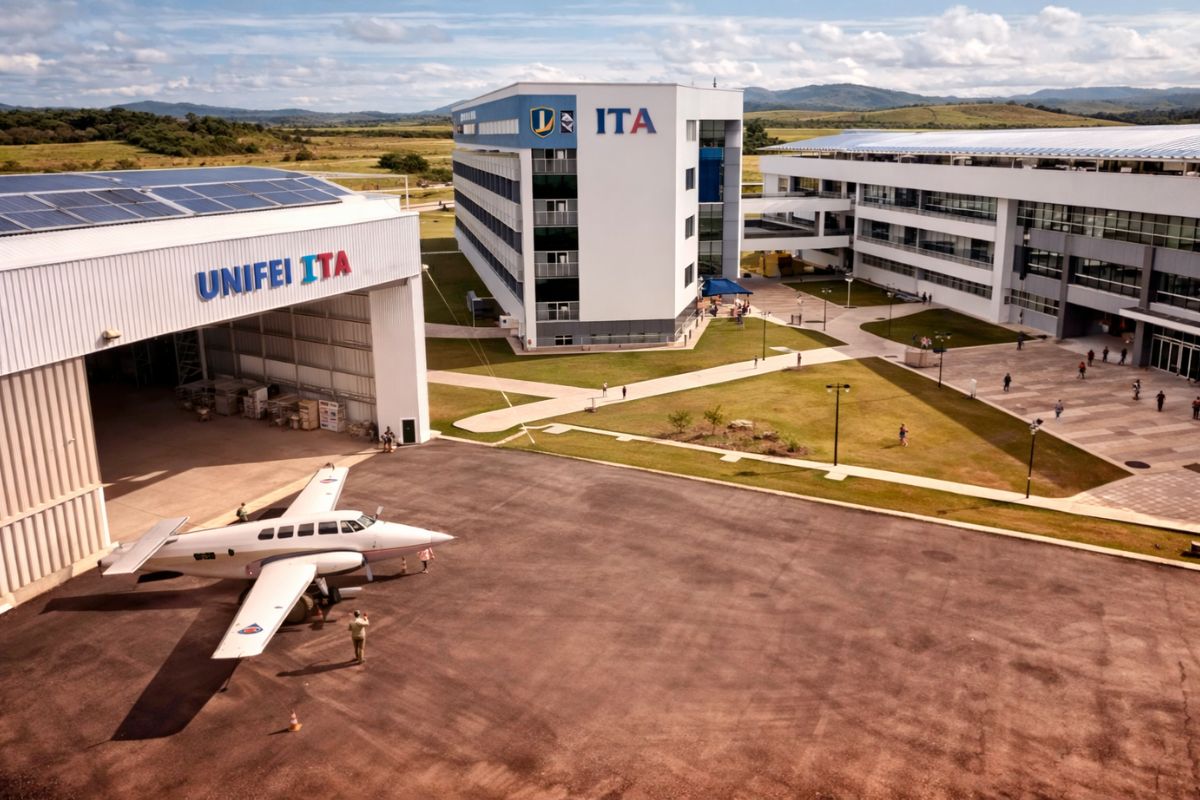
The institute that trained the greatest aerospace engineers in Brazil has just opened its first campus outside São Paulo after 75 years: ITA Ceará will have R$ 445 million, new courses in energy and systems, and classes are expected to start in 2027.
-
Luciano Hang, owner of Havan, goes to Juiz de Fora after the tragedy in February, brings R$ 1 million, hands out R$ 2,000 cards, and donates up to R$ 15,000 to victims in the region.

-
The Brazilian passport allows legal residence in dozens of countries without the need for a prior visa, and most Brazilians are unaware that they can apply for residency directly upon arriving in nations in South America, Africa, and even Europe.

-
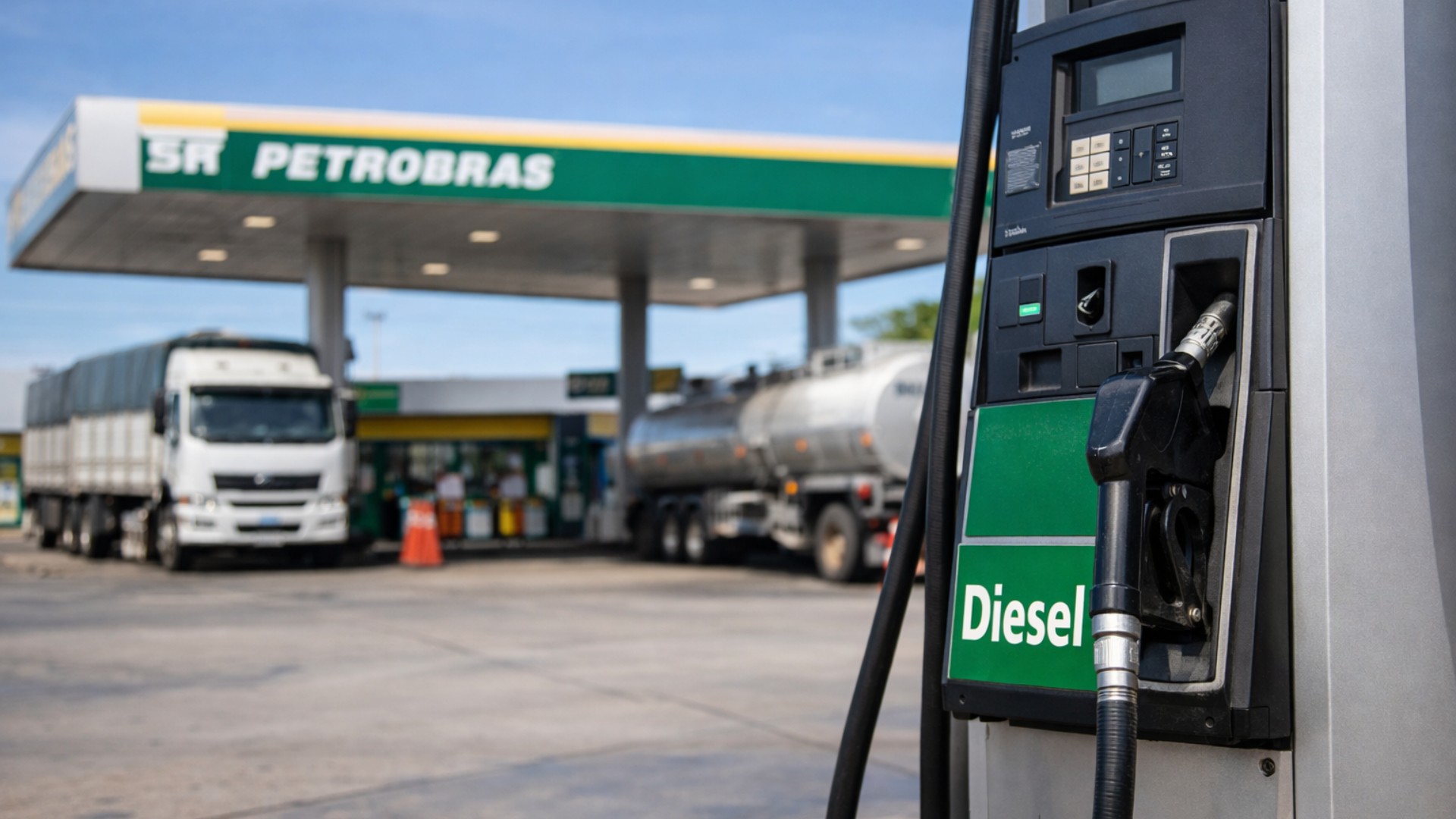
Petrobras sends a message to Brazilian truck drivers after fuel collapse and reveals plan to have 100% domestic diesel.

Australia Is A Major Exporter Of Minerals And Influences Commodity Prices
Currently, Australia is considered one of the largest exporters of iron ore in the world, and is also involved in energy products. Its economy is performing well, despite the global energy price increase that Brazil is also facing. Furthermore, it is worth noting that over one-third of all its energy exports are directed to eastern China.
As a country that invests massively in mining, experts claim that profits in the sector have risen by 14.7%, amid a series of restrictions imposed by the country on producer nations due to stock shortages. The profit value is AU$ 69 billion (US$ 49.52 billion).
Despite the initial results appearing quite promising, it is important to emphasize that Australia’s economy still faces uncertainties. Primarily due to the difficulty they are having in recovering from the COVID-19 pandemic.
Because of the pandemic and high inflation, it is essential to highlight that the Reserve Bank of Australia, also known as the Central Bank, had to exponentially raise its interest rates as a way to support new investment initiatives.
One observation made by economists is that consumer confidence data is decreasing exponentially due to the interest rates. In fact, some organizations have already started to project that consumer confidence could drop by 15% during this new quarter.
Australian Labor Government Faces Issues With Limited Budget Stagnant GDP And High Inflation
The Australian labor government is also facing issues with a limited budget for implementing stimuli aimed at helping the country recover from the crisis caused by the COVID-19 pandemic. After all, during the last two years, they have been stagnant.
The current government, which took office in April 2022, has faced opposition for nine years and has not been able to assume leadership until now. Therefore, it now has the mission of winning the hearts of its citizens, especially after so many years fighting to obtain the presidency.










Seja o primeiro a reagir!