





 Portuguese
  English
  Spanish
  4 min of reading
  3 comments


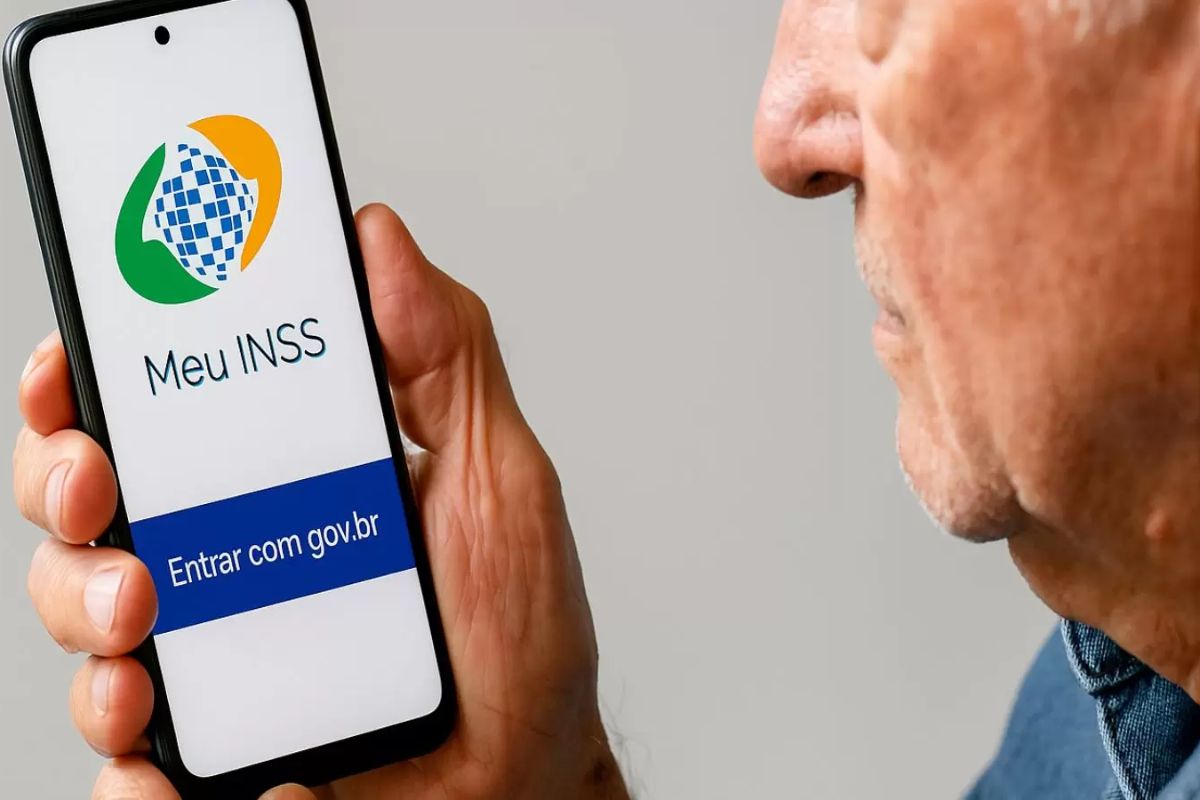


INSS and PicPay Expect Refund of Approximately R$ 1 Million in Credit Insurance from Consigned Loan, End of Tied Selling in Benefits and Refund to Policyholders within 60 Days through Different Channels with Immediate PIX Option.
PicPay has signed a commitment agreement with the National Institute of Social Security (INSS) to adjust the procedures for consigned loan operations and refund approximately R$ 1 million charged in credit insurance. The agreement establishes that the financial institution will immediately refund the identified amounts and will adopt new rules for offering products to retirees and pensioners.
According to the document, PicPay also commits to ending the practice of tied selling in INSS benefits, stopping the linking of insurance and other services to the contracting or deposit of consigned credit. This measure covers credit insurance, capitalization bonds, assistance plans, and other similar nature services, which can no longer be demanded as a condition to release the loan to the beneficiary.
What the Commitment Agreement between INSS and PicPay Says
According to the agreement signed with INSS, PicPay assumes three main obligations: refund of amounts, change in commercial practices, and cancellation of insurance linked to the consigned loan.
-
The institute that trained the greatest aerospace engineers in Brazil has just opened its first campus outside São Paulo after 75 years: ITA Ceará will have R$ 445 million, new courses in energy and systems, and classes are expected to start in 2027.

-
Luciano Hang, owner of Havan, goes to Juiz de Fora after the tragedy in February, brings R$ 1 million, hands out R$ 2,000 cards, and donates up to R$ 15,000 to victims in the region.

-
The Brazilian passport allows legal residence in dozens of countries without the need for a prior visa, and most Brazilians are unaware that they can apply for residency directly upon arriving in nations in South America, Africa, and even Europe.

-
Petrobras sends a message to Brazilian truck drivers after fuel collapse and reveals plan to have 100% domestic diesel.

The financial institution committed to:
• Immediately refund approximately R$ 1 million charged as credit insurance in the consigned loan operations conducted with INSS beneficiaries.
• Not sell credit insurance or other products and services with discounts directly on retirement or pension benefits, discontinuing the practice of including monthly charges along with the payment of retirement or pension.
• Not condition the contracting or deposit of consigned credit to the acquisition of any type of insurance, capitalization bond, assistance plan, or similar service, eliminating the requirement for additional product contracting as a prerequisite to release the loan.
Cancellation of Credit Insurance and Refund of Deductions
In a voluntary initiative, PicPay has expressed interest in cancelling the credit insurance sold to clients linked to consigned loans and refund the amounts that were deducted from benefits as insurance or any other product associated with the credit.
This means that, in addition to stopping new sales under these conditions, the digital bank commits to reviewing already contracted operations, cancel the insurance linked to the consigned loan and refund what was deducted from social security benefits, respecting the rules and exceptions set out in the agreement.
Ways to Refund Amounts to Beneficiaries
The refund of amounts charged for credit insurance and other products associated with the consigned loan must occur within 60 days of signing the commitment agreement. The agreement defines different channels and formats for refunding, to reach beneficiaries with varied profiles. The options provided are:
• Pre-payment of active loans, deducting the outstanding balance from the last installment due.
• Credit to the same account where the loan amount was originally deposited to the beneficiary.
• Payment via PIX, upon confirmation of the beneficiary’s CPF number, ensuring correct identification of the account holder and speed in the refund.
• Availability of funds through the Central Bank of Brazil’s System of Values to be Received (SVR), for cases where the refund occurs through the platform for resources forgotten in financial institutions.
With these alternatives, the aim is to facilitate INSS beneficiaries’ access to the money that was improperly deducted, either through the reduction of the consigned loan balance, direct deposit, or subsequent withdrawal in the Central Bank system.
When PicPay Will Not Be Required to Refund Money
The commitment agreement also establishes specific situations in which there will be no obligation for PicPay to refund. The bank will be exempt from returning amounts in the following circumstances:
• When the beneficiary has already received the insured amount, that is, when the credit insurance has already been activated and paid in case of a covered event.
• When there is a claim subject to activation of the insurance coverage, under the terms set forth in the policy, maintaining the logic of the financial protection product.
In these cases, it is understood that the insurance fulfilled its function and generated the contracted coverage, making a full refund of the amounts paid not feasible.
Impact on Retirees and Pensioners Using Consigned Credit
In practice, the agreement signed with INSS represents an important change in the offering of consigned credit by PicPay for retirees and pensioners.
From the agreement, the institution must clearly separate the loan from any other product, ending the requirement for insurance or additional services as a condition for releasing the consigned loan.
In addition, beneficiaries who had deductions related to credit insurance and products linked to the consigned loan may have amounts refunded within 60 days, whether through debt reduction, bank credit, PIX, or SVR.
In light of this agreement between INSS and PicPay, do you believe that other banks should adopt similar measures to refund amounts charged for insurance linked to consigned loans from beneficiaries?










E como fica o famigerado BMG que cobra o seguro prestamista via PIX,isso mesmo,o aposentado pede um empréstimo e tem que devolver uma parte via PIX.
Como faço para solicitar o seguro prestamista que está está sendo pago nos meus empréstimos com o PICPAY, Bradesco, Itaú, Santander?
Sim. Todos os bancos que fizeram essas ações deveriam fazer o mesmo que o PICPAY fez. Isso se chama HONESTIDADE. Nunca enganar o cliente.