





 Portuguese
  English
  Spanish
  3 min of reading
  1 comment




Know The Aircraft Boneyard Where 2,000 Retired Airplanes Wait To Be Recycled; Pilot Takes Exclusive Tour Of The Site
The aircraft boneyard is a restricted and mysterious place where around 2,000 retired airplanes rest in the middle of the desert, waiting to be recycled. These giants of aviation, which once soared through the skies, are now decommissioned and surrounded by the nature, where 85% of their weight can still be reused.
What Is The Aircraft Boneyard?
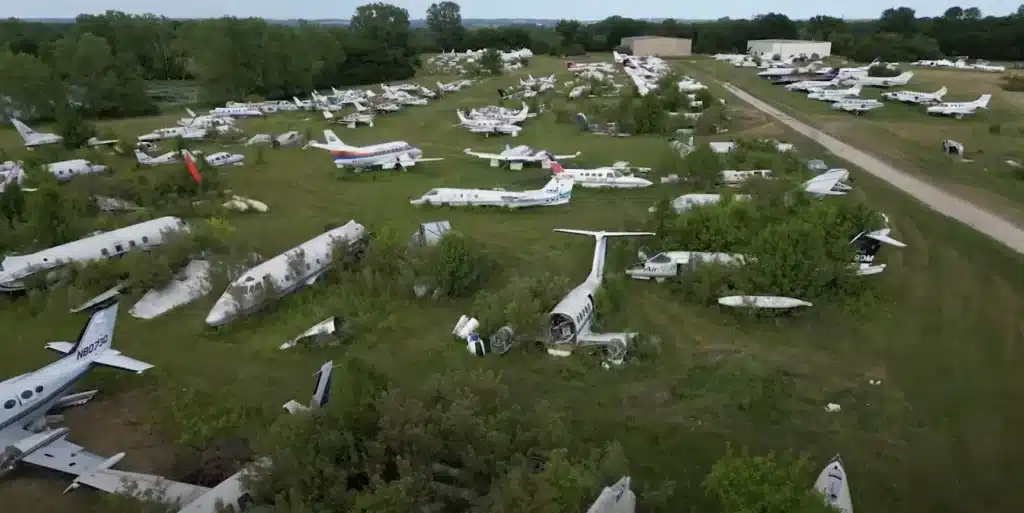
This site is managed by BAS Part Sales, a company specialized in aircraft recycling. Clinton McJenkin, the owner of the lot, explains that the aircraft are carefully dismantled, and valuable parts are recovered for reuse.
Kate Broug, a content creator and FAA-licensed pilot, visited the site to show her followers the fate of these airplanes.
-
Woman arrested after receiving $1.2 million due to banking error and not returning the amount.

-
Beneath Mexico City lies an entire buried Aztec capital, and it all began when workers discovered a 3.25-meter stone disk featuring a dismembered goddess, revealing temples, skulls, and palaces beneath 22 million people.
-
How to build a 35,000-liter cistern with 60 by 50 cm panels and rainwater for drinking and cooking without relying on water trucks or the city hall.
-
A woman went out for a regular walk and ended up finding a treasure buried for over 900 years, with more than 2,000 medieval silver coins compared by archaeologists to a lottery prize and considered one of the most significant finds in recent years in the country.


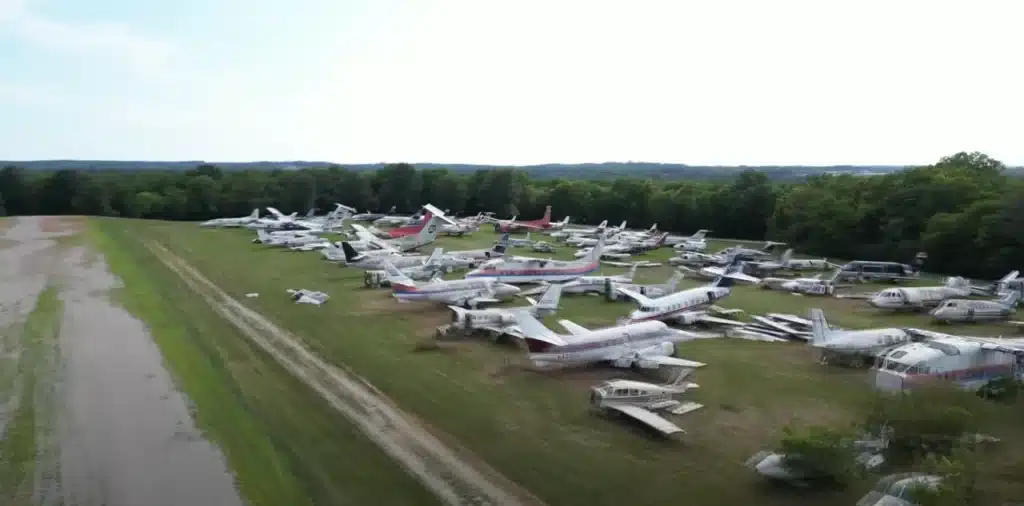
The local vegetation has taken over many of these aircraft, turning them into part of the landscape. In fact, most of the planes present there were decommissioned after decades of service, and many still have interesting stories to tell.
Why Are Aircraft Recycled?
The decision to recycle aircraft is largely a response to the growing need for sustainability in the aviation industry. Recycling these structures helps reduce landfills and conserve raw materials. With this practice, the market for recycled aircraft parts currently moves about US$ 2 billion.
Additionally, recycled materials represent an economically and environmentally responsible alternative, as they allow for the reuse of resources in new aircraft, reducing the need to extract and process new materials.
How Do Aircraft End Up At This Final Destination?
Not all aircraft end up in the boneyard simply because they have reached the end of their useful life. Many end up there due to human errors, as McJenkin reports. An impressive 53% of aviation accidents are attributed to pilot errors, often related to poor fuel management.
Another interesting point is the presence of historic airplanes, such as the famous Lockheed Jetstar, used in the 1964 James Bond movie, Goldfinger. The aircraft, which transported Agent 007 on his adventures, is now among other aviation relics, a testament to the stories that airplanes carry.
The Importance Of The Recycled Aircraft Parts Market
With the advancement of sustainability policies, the market for recycled parts is growing. This process allows aerospace materials to remain in circulation, promoting a continuous cycle of use, which benefits both companies and the environment.
McJenkin and Broug emphasize the importance of keeping these historic aircraft in good condition, encouraging aviation enthusiasts to preserve their heritage. Besides replacement parts, some of these aircraft become tourist attractions, such as themed Airbnbs, being kept alive for public appreciation.


Conclusion
The aircraft boneyard is more than just a simple storage place for obsolete airplanes. It is a center for sustainability and preservation of aviation history. In this location, 2,000 airplanes await their next destination, whether in new aircraft or as memory pieces for collectors. This practice represents an example of how aviation can adapt to new environmental demands, promoting recycling and resource reuse to ensure a more sustainable future for the industry.






Qual é a localização?