





 Portuguese
  English
  Spanish
  4 min of reading
  0 comments



Pix Broke Historical Record In June Of This Year With 276.7 Million Transactions In 24h In Brazil, Consolidates Leadership In Payments And Challenges Cards And Cash.
The Pix, an instant payment system created by the Central Bank of Brazil, reached a historic milestone. In a single day, 276.7 million transactions were recorded, firmly establishing Pix as the main means of payment in the country. The record, recently registered, impresses not only with its volume but also reinforces the radical transformation that the tool has brought to the Brazilian financial system since its launch in 2020. The data was released by Agência Brasil in June of this year
Accelerated Growth Of Pix


Since its implementation, Pix has evolved from an innovative solution for quick transfers between individuals into a multifunctional payment system. Today, it is widely used by companies, freelancers, public agencies, and even for international transactions in some cases.
The constant increase in the volume of operations is a direct reflection of the ease, speed, and low cost offered by the platform.
-
The Himalayas continue to grow to this day, with tectonic plates advancing 5 cm per year, mountains rising up to 10 mm annually, and the 2015 earthquake that killed 9,000 people may have increased the risk of an even larger seismic mega-event.

-
At an altitude of 400 km by astronauts from the International Space Station, Paris transforms at night into a golden mesh so precise that it reveals the outline of the Seine River, avenues, and entire neighborhoods like a luminous map drawn over the Earth.

-
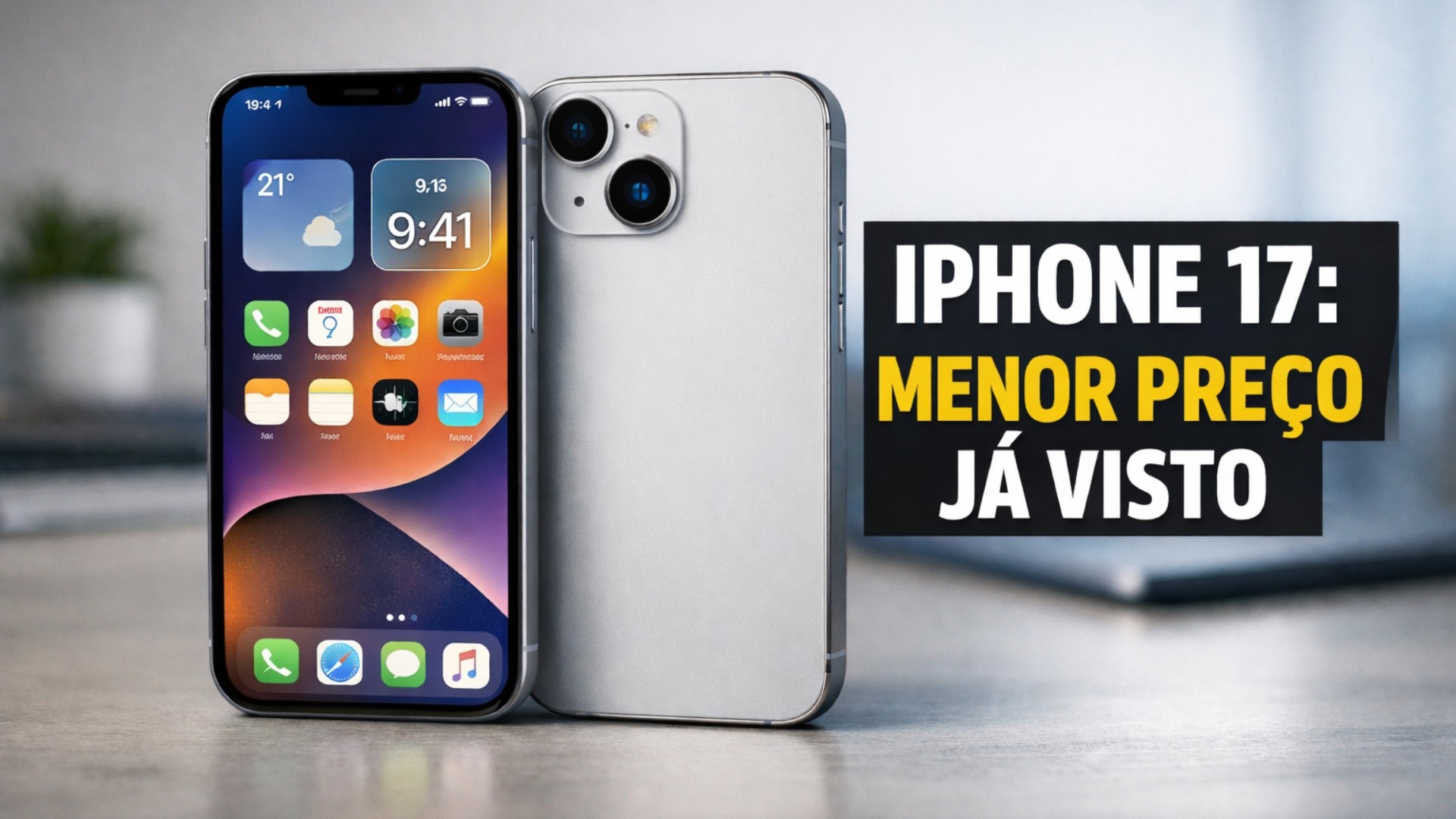
iPhone 17 reaches historic low price with 256 GB, 120 Hz display, and drops to R$ 5,703 on Shopee, featuring A19 chip, dual 48 MP cameras, battery life of up to 30 hours, and advanced AI features.
-
Trip to Mars getting closer: Pulsar Fusion, from the UK, advances with plasma ignition in fusion engine and could drastically reduce space travel time, making crewed missions faster, safer, and economically viable.


Unlike TEDs and DOCs, Pix operates 24 hours a day, seven days a week, with no fees for individuals in most transactions, breaking down barriers that previously limited access to instant transfers.
Why The Record Is Impressive
The 276.7 million transactions recorded in just 24 hours do not just represent a high number: they mean that, on average, more than 3,000 operations were processed per second during the peak day.
This volume reveals the technological capacity of the system, which processes transactions in real time with security and high availability, even under extreme loads.
The record also shows how Pix has begun to occupy spaces that were previously exclusive to cash, debit and credit cards, and even bank slips. More and more, purchases in stores, bill payments, transfers between companies, and even salaries are being processed via Pix.
Impact On Consumers And Companies
For consumers, Pix represents convenience and savings. With it, it is possible to pay for purchases in seconds, transfer money without fees, and receive payments instantly. This significantly reduced dependence on credit cards for small purchases, avoiding interest and installments.
For businesses, the advantage goes beyond speed. When receiving via Pix, the settlement of the amount is immediate, improving cash flow and reducing the need to anticipate receivables, a common practice in the use of cards. Additionally, the operating cost for the merchant is much lower than the fees charged by card networks.
Competition With Cards And Other Payment Methods
The growth of Pix is already beginning to affect the card and machine market. Many establishments offer discounts for customers who pay via Pix, avoiding intermediary fees.
In online retail, the mode is also gaining ground, especially in cash purchases, competing with bank slips and online debit.

Banks and fintechs, on the other hand, have adapted their apps to integrate Pix into digital wallets and additional features, such as scheduled payments, parcelled Pix, and guaranteed Pix — the latter functioning as a kind of installment purchase.
Pix Beyond Borders
Although still in its early stages, the Central Bank is already exploring ways to integrate Pix with international systems, enabling instant transfers between countries. Pilot projects and negotiations with other central banks in Latin America and Asia are underway, which could turn Pix into a low-cost international payment method.
Additionally, new functions such as Automatic Pix, set to debut in 2025, will allow for automatic recurring charges, further expanding the use of the system in subscription services, utility bills, and monthly payments.
Security And Challenges
With growth also come challenges. The popularization of Pix has led to an increase in scams and digital fraud, prompting the Central Bank and financial institutions to reinforce security mechanisms, such as transaction value limits for nighttime operations, two-factor authentication, and preventive blocking of suspicious funds.
Nonetheless, user confidence in the system remains high, sustained by the speed in problem resolution and the commitment of institutions to reimburse customers who are victims of verified fraud.
What The Record Represents For The Brazilian Financial System
The performance of Pix shows that Brazil is among the world’s leaders in payment innovation. Few countries have such a comprehensive, fast, and inexpensive system for the end user. This strengthens financial inclusion, allowing even people without a traditional bank account to receive and send funds quickly and securely.
Moreover, Pix is becoming one of the main channels for public policies on income transfer, benefit payments, and tax collection, increasing efficiency and reducing administrative costs.
The Future Of Pix
The record of 276.7 million transactions in 24 hours is a milestone that is unlikely to be the last. The growth of the user base, the introduction of new functionalities, and integration with e-commerce should further boost usage.
The big question now is: how to maintain the balance between growth, security, and innovation? The success of Pix proves that Brazil is capable of leading technological revolutions in the financial system, but it also imposes the responsibility to protect millions of users and ensure that the tool remains accessible, efficient, and secure for all.










Seja o primeiro a reagir!