





 Portuguese
  English
  Spanish
  5 min of reading
  0 comments



Update on Adverse Possession in Bill 4 of 2025 Redefines Deadlines, Criteria, and Expands the Possibility of Extrajudicial Recognition in Notaries
The Brazilian Civil Code is going through a significant update with Bill 4/2025, which proposes to modernize provisions in force since 2002, with adverse possession being one of them.
Among the key points is the treatment of adverse possession, one of the most important instruments for acquiring property through prolonged possession.
Below, you will find a detailed analysis of each modality of adverse possession and the progress of the project that is currently being discussed in the Senate.
-
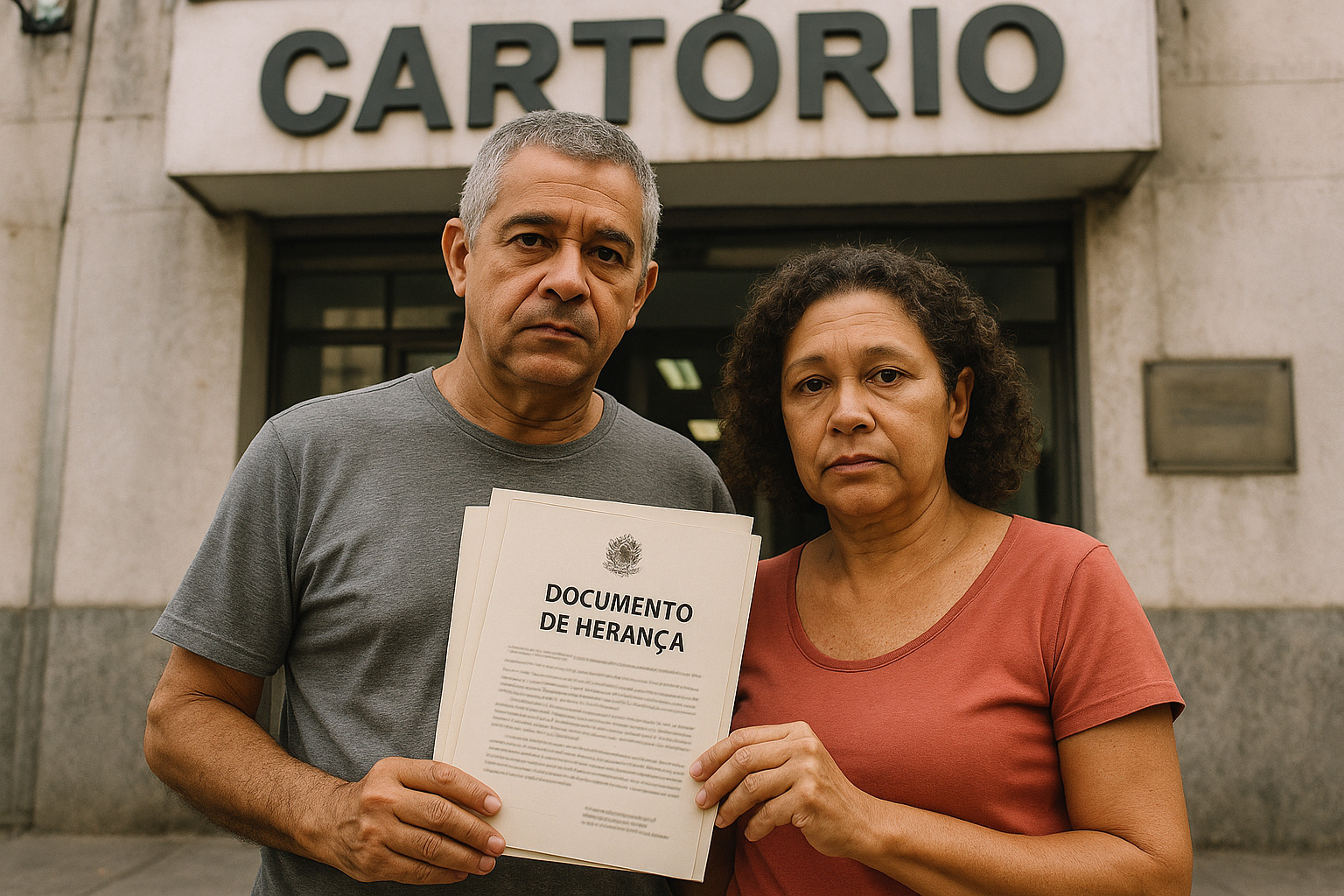
The new Civil Code could revolutionize marriages in Brazil with “express divorce” and changes that could exclude spouses from inheritance.
-
Banco do Brasil sues famous influencer for million-dollar debt and intensifies debate on delinquency, risks of seizure, and direct impact on Gkay’s credibility.

-
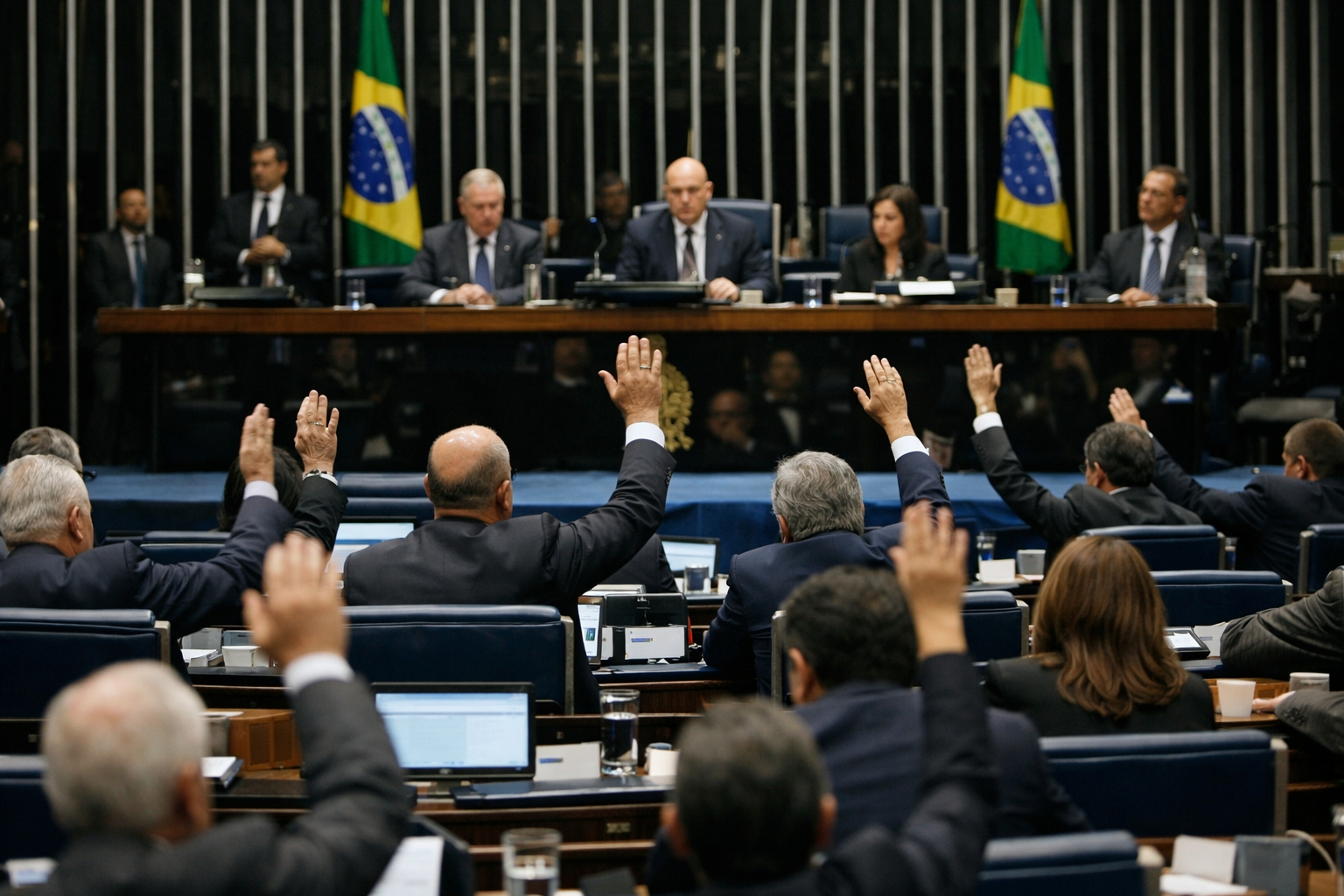
The Senate approves a bill that criminalizes misogyny, hatred, or aversion towards women, and includes the crime in the Racism Law with a penalty of up to 5 years.
-
Chamber Approves Bill That Allows Pepper Spray for Women Over 16 and Imposes Strict Rules for Purchase, Possession, and Use as Self-Defense


What is Adverse Possession
Adverse possession is a legal method of acquiring ownership or other real rights through continuous and prolonged possession of a property.
The term derives from the Latin usucapio, which means to acquire by use. Current legislation establishes criteria in articles 1,238 to 1,244 of the Civil Code, as well as specific regulations such as the Statute of the City.
This mechanism aims to regularize situations of consolidated possession, ensuring legal security and valuing the social function of property. The possession must be continuous, undisputed, and exercised as if one were the owner.
General Requirements for Adverse Possession
For the possessor to have the right to recognition of ownership through adverse possession, certain requirements must be met. Although each modality has specific rules, there are common requirements:
Possession must occur exclusively and with the behavior of an owner, including care and maintenance.
It is necessary that the occupation is continuous, without interruptions.
Possession must be peaceful and undisputed, meaning without challenge.
Legal Impediments
There are impediments that prevent the recognition of adverse possession in certain situations. Among them are:
- public assets;
- rental contracts;
- loan agreements;
- relationships between spouses;
- relationships between ascendants and descendants;
- relationships between guardians or curators and their wards;
- cases involving incapacitated individuals;
- absent from the country on public service;
- individuals serving in the Armed Forces;
- situations where the possession period has not yet been completed.
Main Modalities and Proposed Changes in the 2025 Civil Code
Adverse possession can be applied to different types of property and unfolds into various modalities. The Bill 4/2025 preserves most of the current rules but brings important adjustments.
Ordinary Adverse Possession
Civil Code of 2002: Requires 15 years of uninterrupted and undisputed possession. The period can be reduced to 10 years when there is residence or productive investments.
New Civil Code of 2025: Maintains the deadlines but expressly provides for the possibility of extrajudicial recognition, expanding the administrative pathway for granting the title.
Special Rural Adverse Possession
Civil Code of 2002: Requires five years of continuous, peaceful, and undisputed possession in an area of up to fifty hectares that is productive and used as a residence.
New Civil Code of 2025: Maintains the rules and reinforces that the possessor cannot use this right more than once.
Special Urban Adverse Possession
Civil Code of 2002: Requires five years of possession in an urban property of up to two hundred and fifty square meters, used for residence, without the possessor owning another property.
New Civil Code of 2025: Maintains the requirements and ensures that the title can be granted regardless of gender, sex, or marital status.
Family Adverse Possession
Civil Code of 2002: Allows the spouse or partner to acquire full ownership after two years of exclusive possession when the other abandons the home.
New Civil Code of 2025: Reinforces that the two-year period is counted from the end of joint possession and creates a legal presumption of abandonment when there is a lack of contribution to the property expenses.
Special Collective Adverse Possession
This modality is provided for in article 10 of the Statute of the City. It applies to informal urban nuclei with consolidated occupation for more than five years.
Art. 10 – Informal urban nuclei that have existed without opposition for more than five years and whose total area divided by the number of possessors is less than two hundred and fifty square meters per possessor are subject to collective adverse possession, provided that the possessors do not own another urban or rural property.
Requirements include:
- prolonged possession for at least five years;
- occupation by a group of people;
- area greater than two hundred and fifty square meters;
- use for collective housing;
- absence of another property by the possessors.
This modality does not undergo changes in the new Civil Code, remaining governed by Law 10,257.
Special Indigenous Adverse Possession
The Statute of the Indian provides for exclusive adverse possession for indigenous people, requiring:
- continuous possession for ten years;
- area less than fifty hectares.
The law also excludes land owned by the Union, reserved areas, and properties collectively owned by tribal groups. The new Civil Code does not alter this modality.
Adverse Possession of Movable Goods
Adverse possession also applies to movable goods, such as vehicles and equipment. There are two modalities:
Ordinary: requires three years of continuous and uncontested possession, with just title and good faith.
Extraordinary: requires five years of possession, regardless of title or good faith.
The Civil Code of 2025 does not modify these rules.
Extrajudicial Adverse Possession
The possibility of administrative recognition was established by the Public Registration Law, allowing the request to be analyzed directly at the real estate registry office.
The Civil Code of 2025 expressly recognizes this pathway, authorizing notaries to register ownership through a substantiated note.
Current Status of Bill 4/2025
Bill 4/2025 continues to progress in the Senate. On November sixth, the Temporary Commission responsible for analyzing the text held its sixth meeting, which included the fourth public hearing of the series. The meeting discussed matters related to the Law of Obligations and Contracts.
On November thirteenth, invited professors and jurists expressed concern about possible setbacks in the proposed rules of obligations and contracts in the text.
The commission, chaired by Senator Rodrigo Pacheco, continues to hear specialists to support the decisions. The update includes over nine hundred articles and adds three hundred new provisions to the Civil Code.
The Importance of Adverse Possession
Adverse possession remains an essential instrument for the recognition of property in Brazil.
Although Bill 4/2025 maintains most of the existing criteria, it promotes relevant adjustments, especially by reinforcing and expanding the use of the extrajudicial pathway.
The modernization of the Civil Code may facilitate processes, provide greater legal security, and improve land regularization.
With different modalities available, the choice of the appropriate type depends on a detailed analysis of the specific case.
The ongoing update is expected to shape the future of the institution while maintaining its social function and its role in ensuring the right to housing and property.










Seja o primeiro a reagir!