





 Portuguese
  English
  Spanish
  3 min of reading
  0 comments


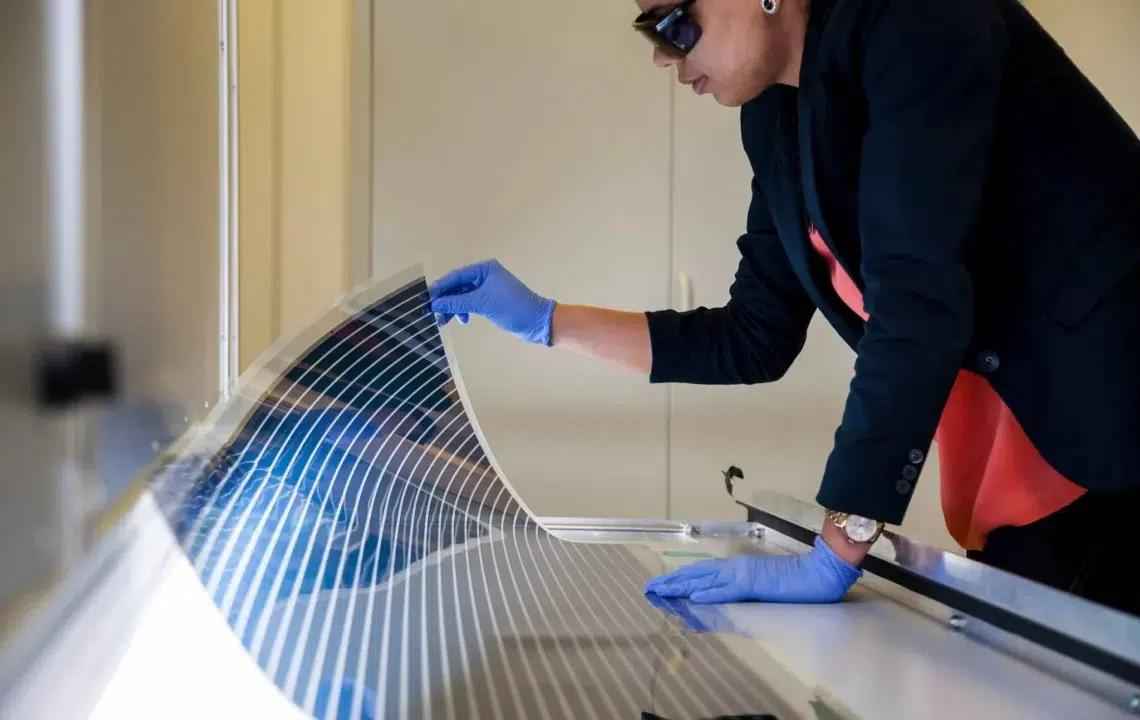
New Solar Panel Manufactured in Brazil Promises to Revolutionize the Photovoltaic Market. The New Solar Panel from Sunew Can Be Installed in Cars, Houses, and Even Buildings.
The solar energy market is constantly seeking ways to generate photovoltaic energy through panels that combine design, sustainability, and cost reduction, thus offering an optimized solution for electricity generation. With this in mind, the Brazilian company Sunew is developing a new solar panel manufactured in Brazil, using an innovative and advantageous technology known as OPV (Organic Photovoltaic), which has the potential to revolutionize the market.


The organic solar panel, which is composed of organic solar cells, is considered the third generation of solar cells, meaning it is at the forefront in terms of technology.
The new solar panel manufactured in Brazil is produced in a completely different way compared to conventional solar panels, consisting of a plastic film, where carbon inks are printed, causing the plastic film to have layers, obtaining electrons at the top, having a positive charge on the top and a negative charge on the bottom.
-
The Brazilian state accelerates industrial competitiveness with a focus on the extraction of strategic minerals to boost the energy transition in Goiás.

-
Seagri’s headquarters invests in solar energy with Neoenergia Coelba and promises to cut electricity costs, highlighting a strategic advance in sustainability and energy efficiency within state public administration.
-
A Canadian retiree creates a hydroelectric system on a real river, generating energy continuously throughout the day and demonstrating how the power of water can supply a house with stability even in a simple structure.

-
Solar Pyramid draws attention by converting solar energy into million-dollar savings and repositioning the City Hall of Curitiba as an example of innovation, sustainability, and intelligent use of public resources.
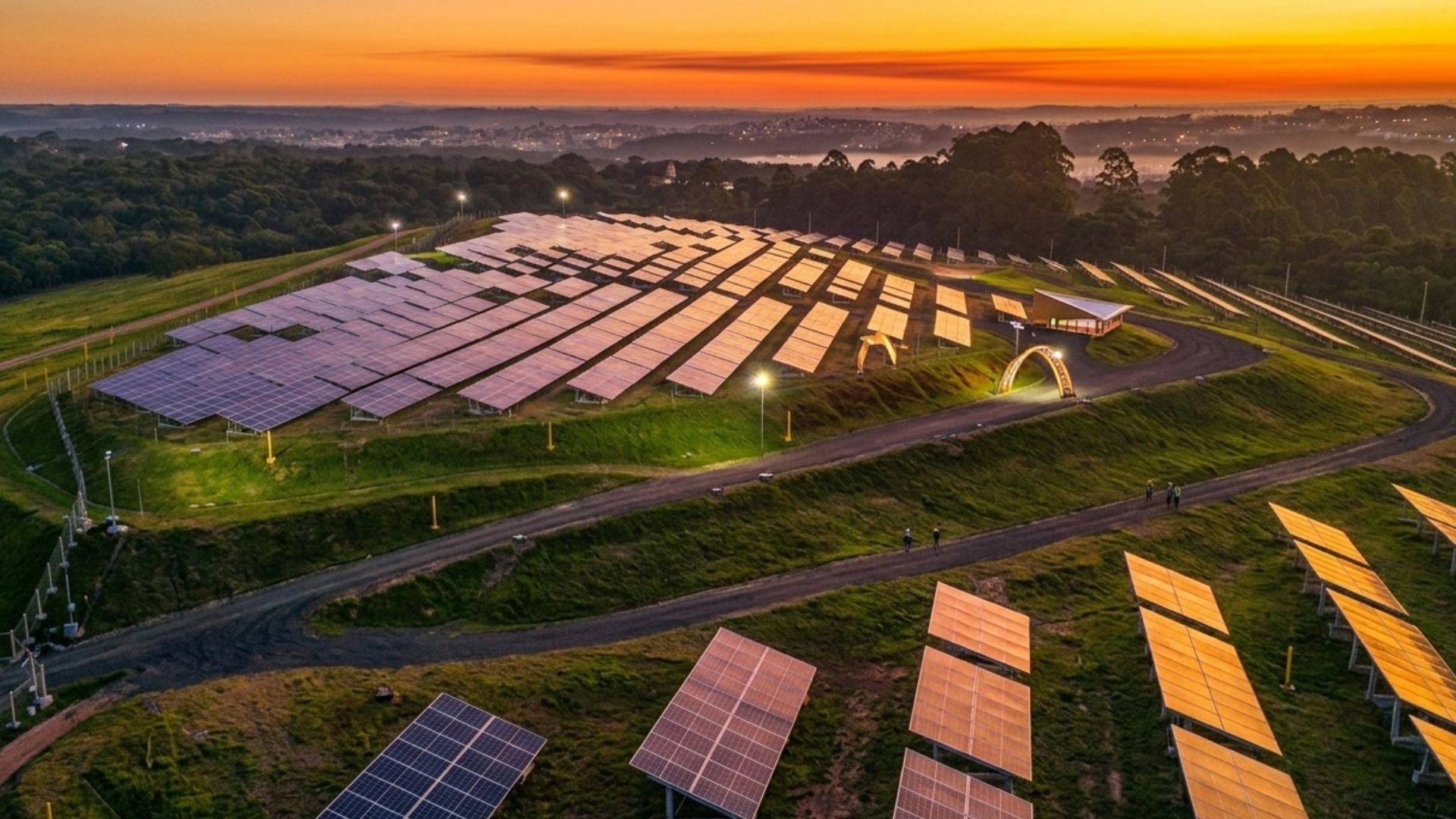

The new solar panel manufactured in Brazil offers several benefits, as it is a plastic film that uses extremely flexible, transparent, and low-cost carbon-based inks. Its lightweight nature can also contribute to the easy transport of the product, and its composition also facilitates recycling, extending its expected lifespan.
The new solar panel from Sunew, a company located in Minas Gerais, offers various applications in several situations. Among them is architecture, as the film can be used to cover building facades or roofs more simply compared to conventional solar panels.
The product can also be installed in cars, equipment for charging cell phones, bus stops, and much more.
Companies Are Already Using New Solar Panel Manufactured in Brazil
The manufacturing of this new technology, in addition to being much faster than conventional methods, can also promote a reduction in environmental impact. The leading company in the production of these panels, called Sunew, is making several investments in the production of these panels in the national market, focusing on the expansion of this photovoltaic film.
Some examples of the application of the technology include a bus station in Curitiba. The company has also partnered with large companies such as PepsiCo, CAOA, Natura, and has undertaken many more initiatives in the country.
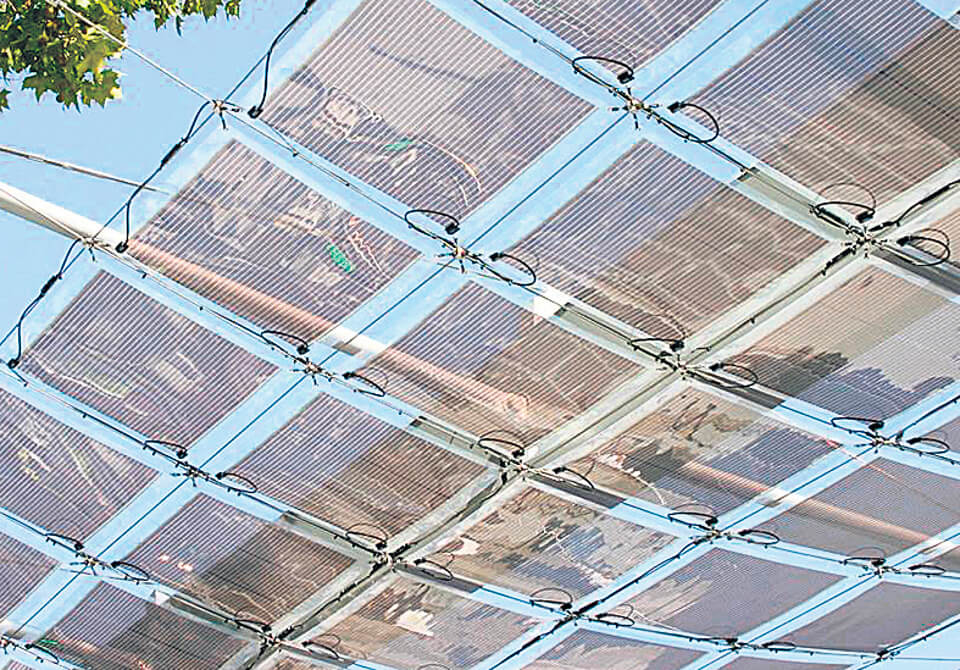
Sunew emphasizes that its technology makes the possibility of a new era of distributed generation a reality, generating a new alternative for solar energy generation for cities, buildings, and vehicles.
The manufacturing process of this new solar panel manufactured in Brazil benefits from the use of low temperatures that require small amounts of energy, especially when compared to other photovoltaic technologies, resulting in a low carbon footprint.
PepsiCo Installs New Solar Panel in Its Fleet of Trucks
PepsiCo, one of the largest food and beverage companies in the world, is making strides in its ESG agenda focused on the distribution of its products. The company has just announced the implementation of more than 400 trucks with their boxes. More than 250 of these trucks are equipped with organic photovoltaic (OPV) solar film panels, ensuring the reduction of greenhouse gas emissions (GHGs).
This initiative aligns with the company’s goals, which foresee a 40% reduction in greenhouse gas emissions globally by 2030.
Through the partnership with Sunew, PepsiCo ensures operational improvements in its fleet, increasing productivity as electrical issues and low charge were causing hours of downtime for the trucks.










Seja o primeiro a reagir!