





 English
  Francês
  Alemão
  Italiano
  Japonês
  Norueguês
  Portuguese
  Spanish
  6 min of reading


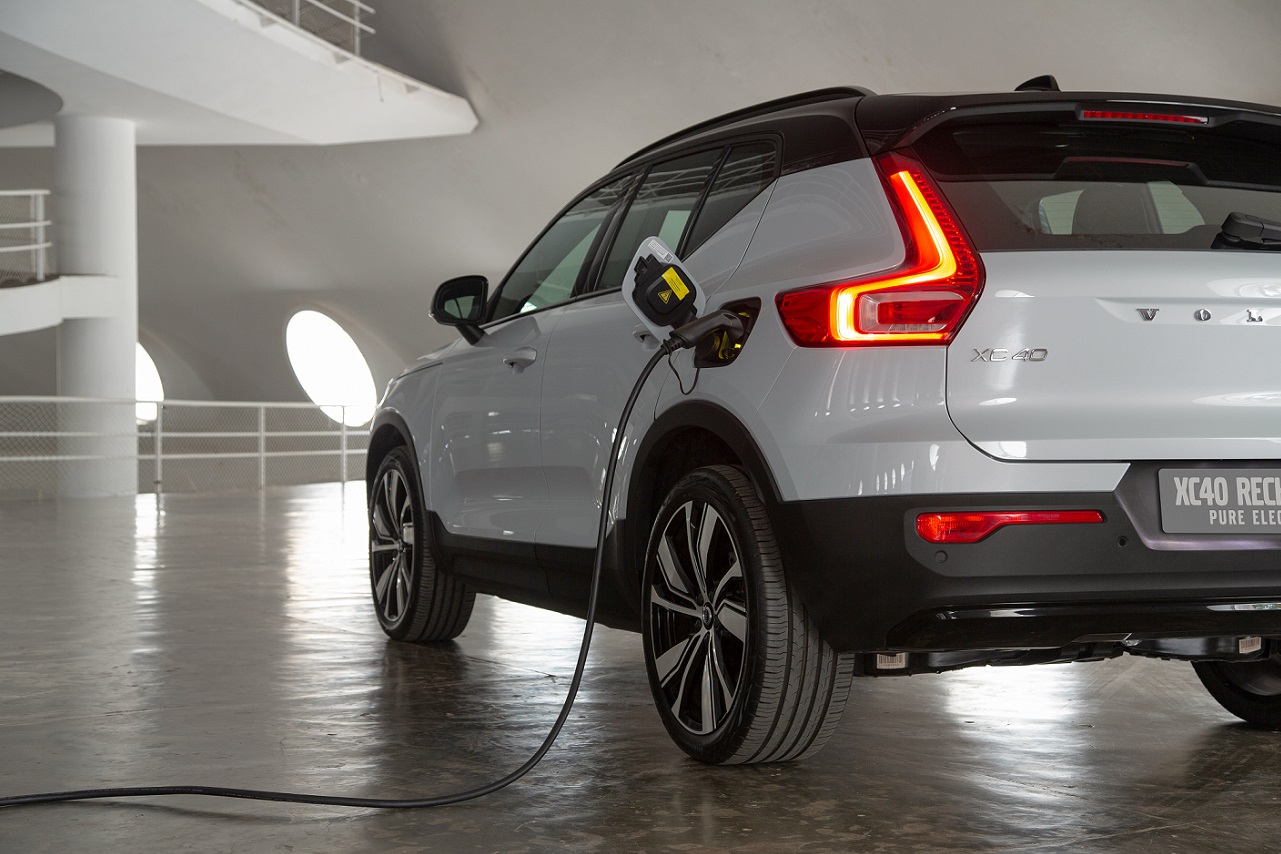
The Electric Car Market in Brazil Has Broken Records in Recent Years. However, It Is Possible to Further Boost Sales with the Adoption of Mobility Incentive Practices.
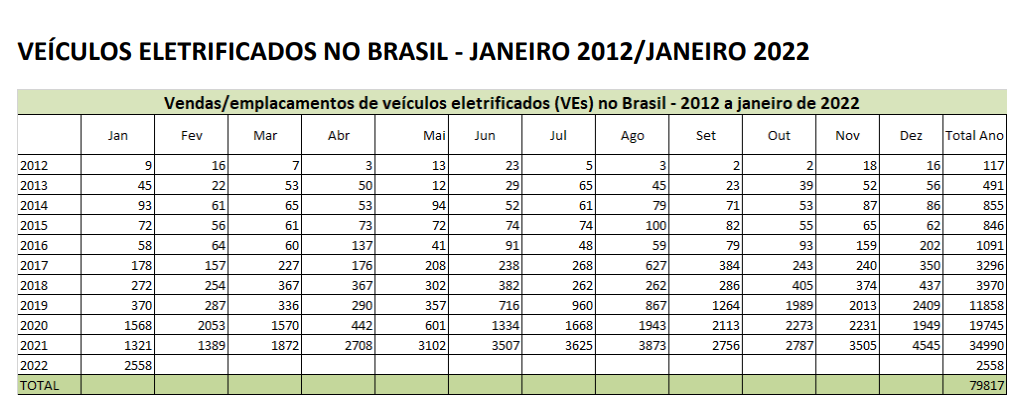
According to the Brazilian Electric Vehicle Association (ABVE), Brazil is expected to reach the mark of 100,000 electric vehicles as early as the beginning of the second half of 2022, especially if there are advances in the measures to incentivize electromobility. The projection makes sense because in the first 30 days of this year, the electrified market in the country already recorded at least 2,558 new registrations.
See Also
- Flying Car: Embraer Formalizes Certification Request to the National Civil Aviation Agency (ANAC) for Aircraft
- Electric Car Sales Hit Historic Record, with Major Advances from Tesla
- Goiás Is the Brazilian State with the Most Charging Points for Electric Cars
Also according to ABVE, January 2022 was the best month in the entire historical series for the electric car market in Brazil. A growth of 93% over the 1,321 registrations in January 2021 and 63% over January 2020 (1,568). See the details in the image below:
Silvestre Rodrigues, administrator of Parque da Cidade, here in Brasília, talks about the advantages of having the VEM (Vehicle for Electromobility) in the day-to-day activities of the park.
ARTICLE CONTINUES BELOWSee also
Engineers propose a fourth traffic light for intersections – the change promises to affect crossings, queues, and waiting times.
Chevrolet Suburban Z71 lands in Brazil with a V8 engine, off-road design, air suspension, seven seats, and colossal size, a rare version imported for around R$ 1.3 million with luxury and exclusivity.
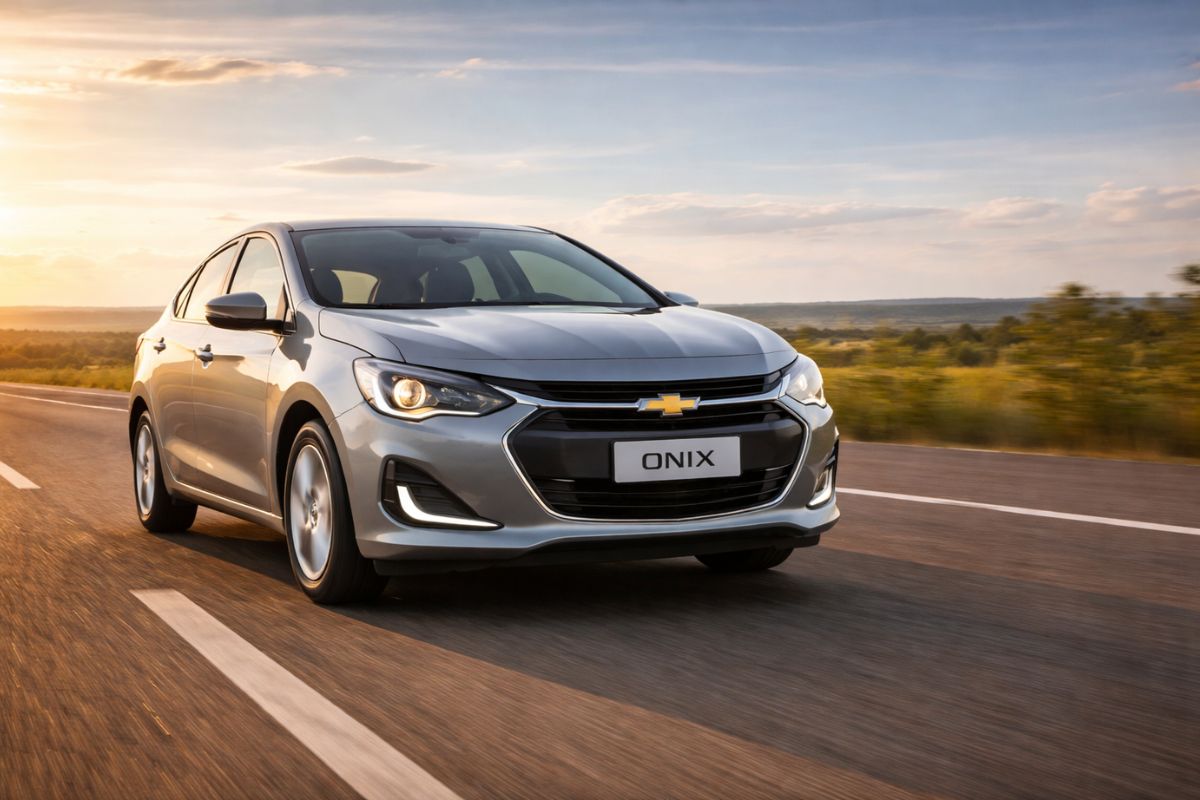
The Chevrolet Onix 1.0 turbo achieves 17.7 km per liter on the highway and ranks among the three most economical cars in Brazil in 2026, alongside two more expensive Toyota hybrids available at dealerships.
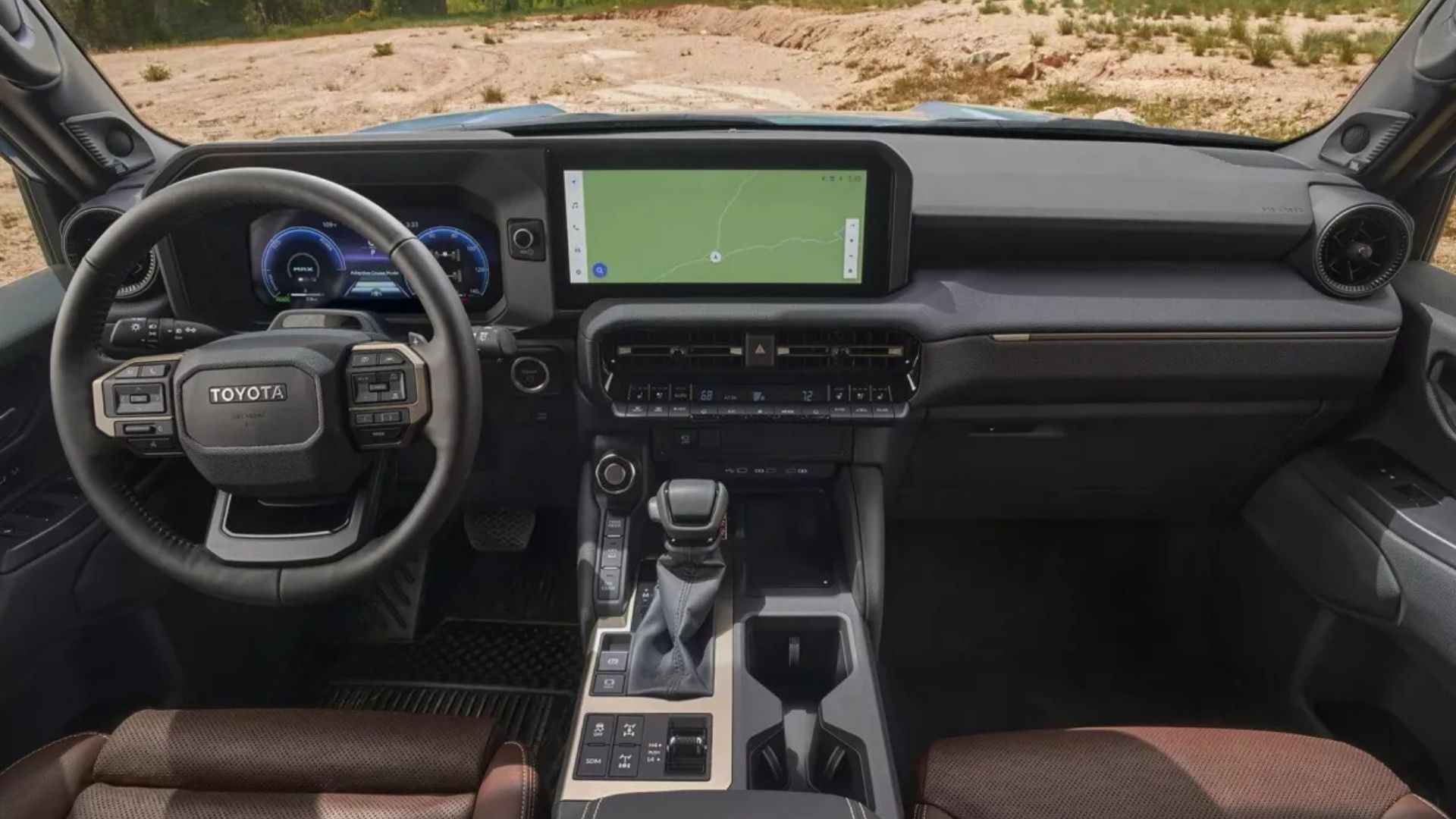
Little sister of the Hilux: Toyota launches Land Cruiser FJ with 4 radical versions, 2.7 engine with 166 hp and 4×4 traction with locking.
⚡ Who has seen the #VEM on the streets of Brasília?#ElectricMobility #Sustainability #VEMDF pic.twitter.com/afFZWjYge2
— ABDI (@abdi_digital) December 6, 2021
Despite the good moment for the market of electric and hybrid cars, the president of ABVE, Adalberto Maluf, highlights that Brazil has the power to achieve better results.

“We need to expand the decarbonization of mobility with the expansion of ethanol, flex hybrids, and also battery electric vehicles, which are currently the biggest global trend,” Maluf said.
The issue of decarbonization linked to electromobility, by the way, is one of the pillars of the main incentive plans that can further boost the electric car market in Brazil.
We have selected 5 measures that the Government and the private sector itself, through electromobility companies, are adopting – or can improve – to make this market grow even more in Brazil. See:
1. Tax Exemption or Reduction for Electric Cars
In at least 7 Brazilian states and the Federal District, electric vehicle owners are exempt from the Tax on the Circulation of Goods and Services (IPVA). They are: Rio Grande do Sul, Paraná, Alagoas, Pernambuco, Rio Grande do Norte, Piauí, and Maranhão.
Meanwhile, the states of São Paulo, Rio de Janeiro, Mato Grosso do Sul, Minas Gerais, and Ceará offer discounts on IPVA.
In the Chamber of Deputies, the Bill 5308/20 is under discussion, presented by federal deputy Luiz Nishimori (PL-PR), aiming for an exemption from IPI on imports and the sales of electric or hybrid vehicles.
The text also reduces the rates of PIS/Pasep and Cofins incurred in importation and on the gross revenue from sales in the domestic market of these vehicles to zero.
2. Exemption from Traffic Restrictions
Exempting electric cars from traffic restrictions in major metropolitan areas is an additional incentive to attract Brazilians, especially from the southeastern states, to buy an electrified vehicle. This strategy also contributes to cities achieving depollution goals through electromobility.
In São Paulo, for example, traffic restrictions for cars are established in the morning from 7 AM to 10 AM and in the afternoon from 5 PM to 8 PM, from Monday to Friday.
On Mondays, vehicles with license plate endings 1 and 2 cannot circulate; on Tuesdays, 3 and 4; on Wednesdays, 5 and 6; on Thursdays, 7 and 8; and on Fridays, 9 and 0. However, electric and hybrid cars are exempt from traffic restrictions in São Paulo. In other words, they can circulate on any day and at any time.
The city has 500 charging stations for these vehicles, and this year that number is expected to triple. In fact, enhancing this charging infrastructure is another important pillar to further boost the electric car market in Brazil.
3. Investments in Charging Infrastructure for Vehicles
The market for electrified vehicles in Brazil is expected to gain even more momentum as charging infrastructure increases in the country. After all, this is what concerns customers the most when deciding on an electric car model.
Aware of this, automakers and other companies in the sector are making investments. The challenge is to continually increase the number of charging stations for electric vehicles. Currently, Brazil has a thousand charging points spread across all regions.
The automaker Audi, one of the leaders in electric vehicle sales, has already installed more than 80 AC charging points of 22kW since 2020, in addition to a project with EDP, Porsche, and Volkswagen to install ultra-fast charging stations on highways.
Recently, Audi announced an investment of R$ 20 million to install about 40 ultra-fast charging points of 150kW in almost all of its dealerships in Brazil.
In addition to access to charging points for electric cars themselves, the concept of electromobility infrastructure also includes technologies that facilitate access to other services and products.
Thinking about this, Shell and Cosan announced a million-dollar investment in the development of the charging station network in Brazil through Raízen. They will invest R$ 10 million in the Tupinambá app, which aggregates mapped charging points for electric vehicles across the country, facilitating location for electric car users and businesses that offer the service.
4. National Production of Electric Vehicles
Without a doubt, the average price of an electric car in Brazil is higher than that of a conventional car. The reason for this is that the models are manufactured abroad.
However, the ABVE’s infrastructure director, Diogo Seixas, denies that electric vehicles are very expensive, as part of the population perceives.
“Without national production, all vehicles are imported. Issues such as freight and exchange rates come into play, with our currency devalued against the dollar,” explains Seixas.
“In this scenario, Brazil has only received luxury electric car models, which are more comfortable and expensive. Naturally, they are not in the same category as a popular combustion-powered car. It is an inadequate comparison,” he points out.
5. Climate Change Plans Must Include Electric Cars
Some countries have already set targets to ensure that by 2035, no more combustion engine cars will be sold in their regions. This opens up incentives for the electric vehicle market.
This goal to eliminate pollutant gas emissions through electric cars occurred during COP26 in 2021 and is recorded in a document signed by representatives of 33 countries, as well as other cities and 11 automobile manufacturers.
The Brazilian government is not on the list of countries that signed this letter of political intentions and incentives. The United States, China, Germany, France, and Spain are also not included. The two largest automobile manufacturers in the world, the Japanese Toyota and the German Volkswagen, are also excluded.
São Paulo, however, was one of the cities committed to participating in the fleet transition. But, it is important to note that electrified vehicles, despite being environmentally friendly, have manufacturing methods that still have the potential to emit pollutant gases.
The giant Swedish automaker Volvo itself conducted a study and pointed out that producing electric cars can generate up to 70% more emissions than combustion models.
The data compares the levels of gases emitted in the manufacture of the electric crossover C40 and the SUV XC40 in its conventional version, both made in Ghent (Belgium).
The study considers the industrial processes of the automaker, as well as the mining of raw materials, transportation, the amount of carbon emitted, the disposal of produced waste, and the life cycle of approximately 200,000 km for vehicles in use. For these issues, pollution reduction incentives are also important to generate good results at the forefront of electromobility in Brazil.








Seja o primeiro a reagir!