





 Portuguese
  English
  Spanish
  4 min of reading
  0 comments


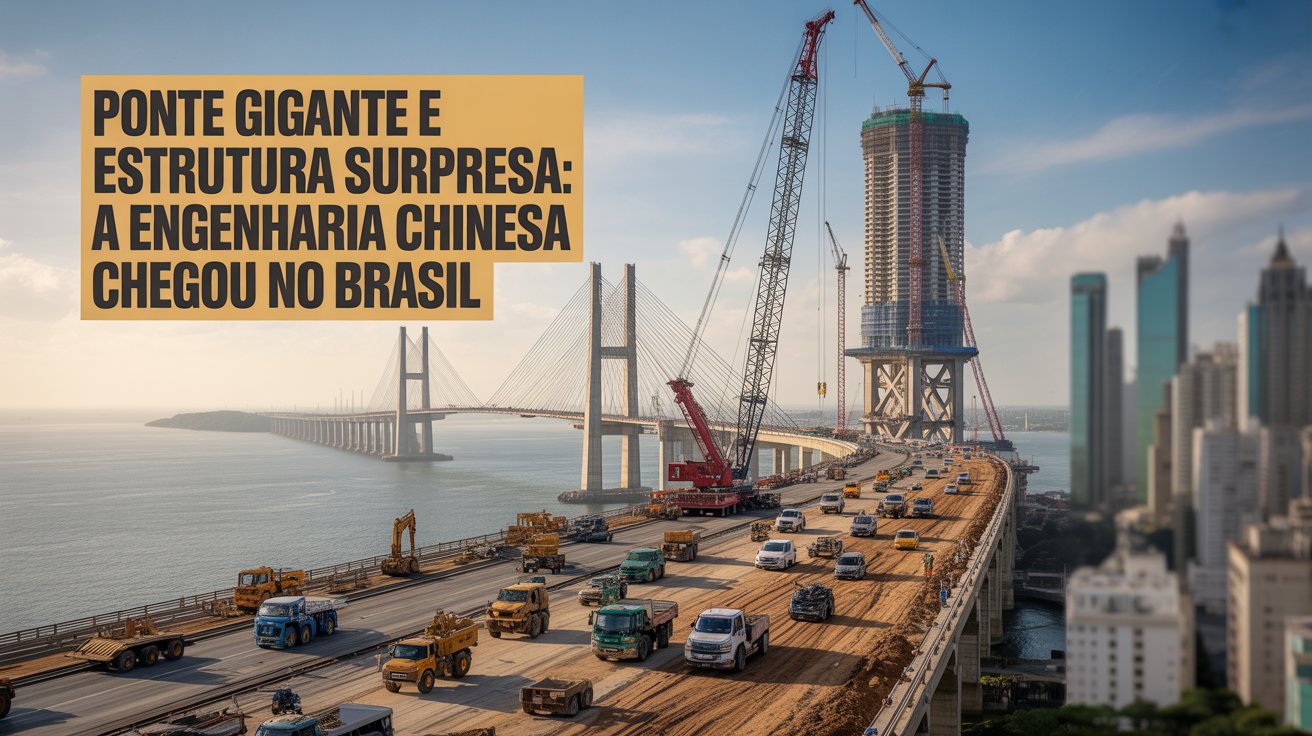
Historical Project Must Link Salvador to Itaparica Island with the Largest Bridge in Latin America Over Water Surface, While Chinese Consortium Evaluates Creating a Unique Temporary Structure in Brazil to Transport Equipment and Reduce Costs.
Responsible for the construction of the Salvador-Itaparica Bridge, the Chinese companies China Railway 20th Bureau Group (CRCC20) and China Communications Construction Company (CCCC) are studying an innovative alternative to accelerate the construction schedule.
The idea is to build a temporary parallel bridge that facilitates land transportation of heavy equipment during the execution of the main project.
With an estimated value of R$ 10.42 billion, according to the contractual amendment signed on June 4, 2025, the project stands out as one of the most ambitious in Latin America.
-
Woman arrested after receiving $1.2 million due to banking error and not returning the amount.

-
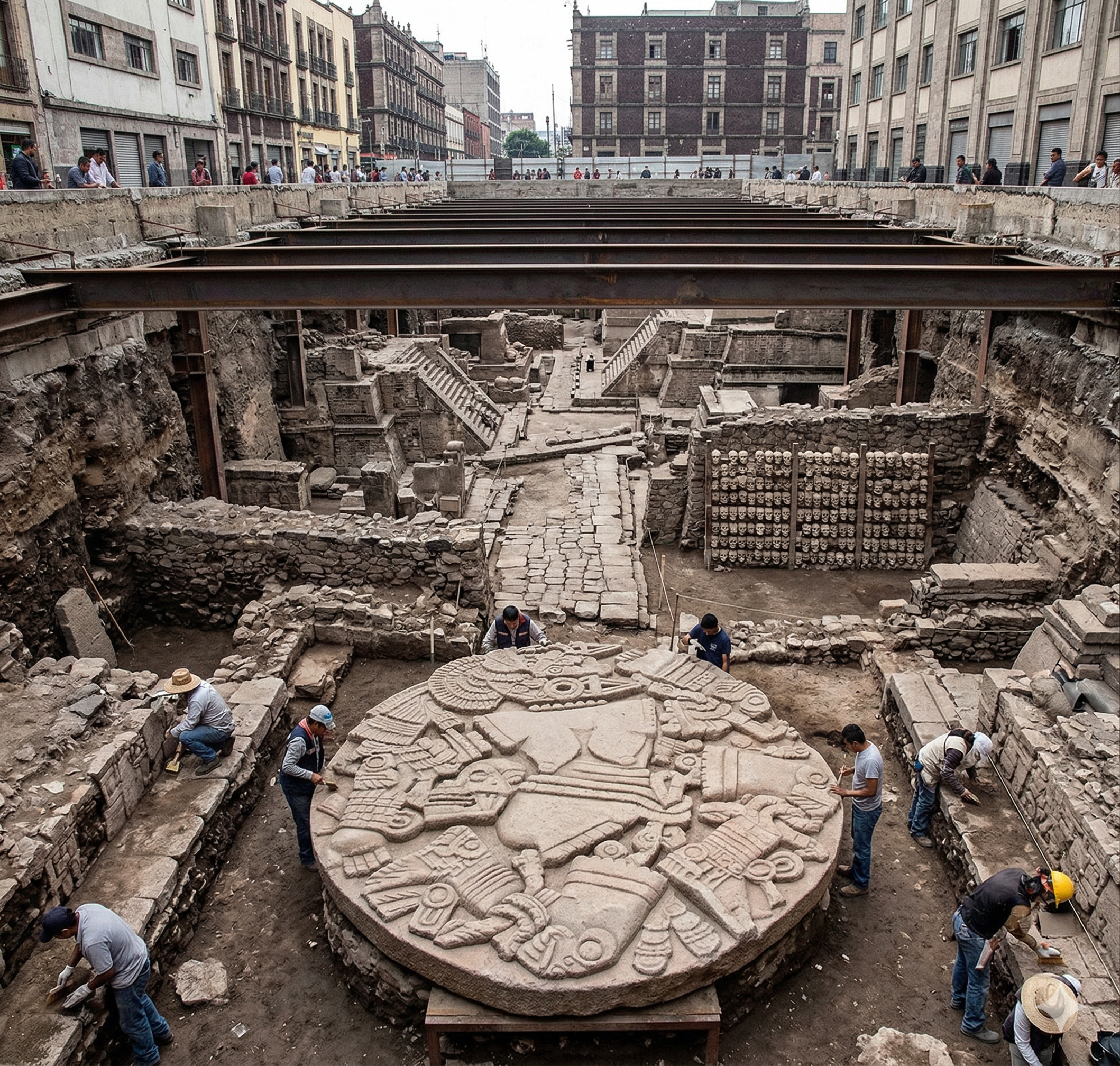
Beneath Mexico City lies an entire buried Aztec capital, and it all began when workers discovered a 3.25-meter stone disk featuring a dismembered goddess, revealing temples, skulls, and palaces beneath 22 million people.
-
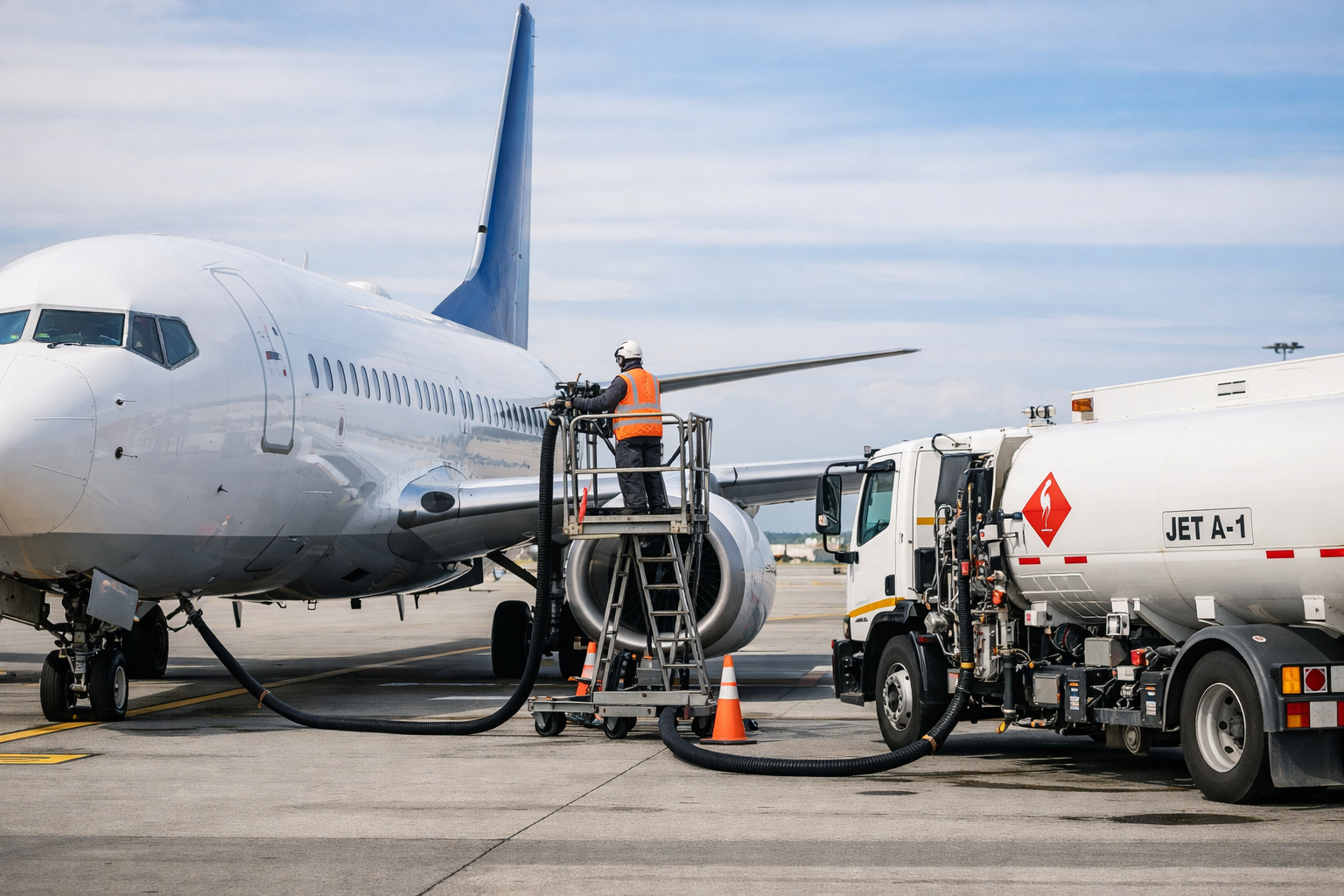
Airfare prices may rise with increasing fuel costs, and the government is considering urgent measures to avoid a direct impact on the wallets of Brazilians.
-
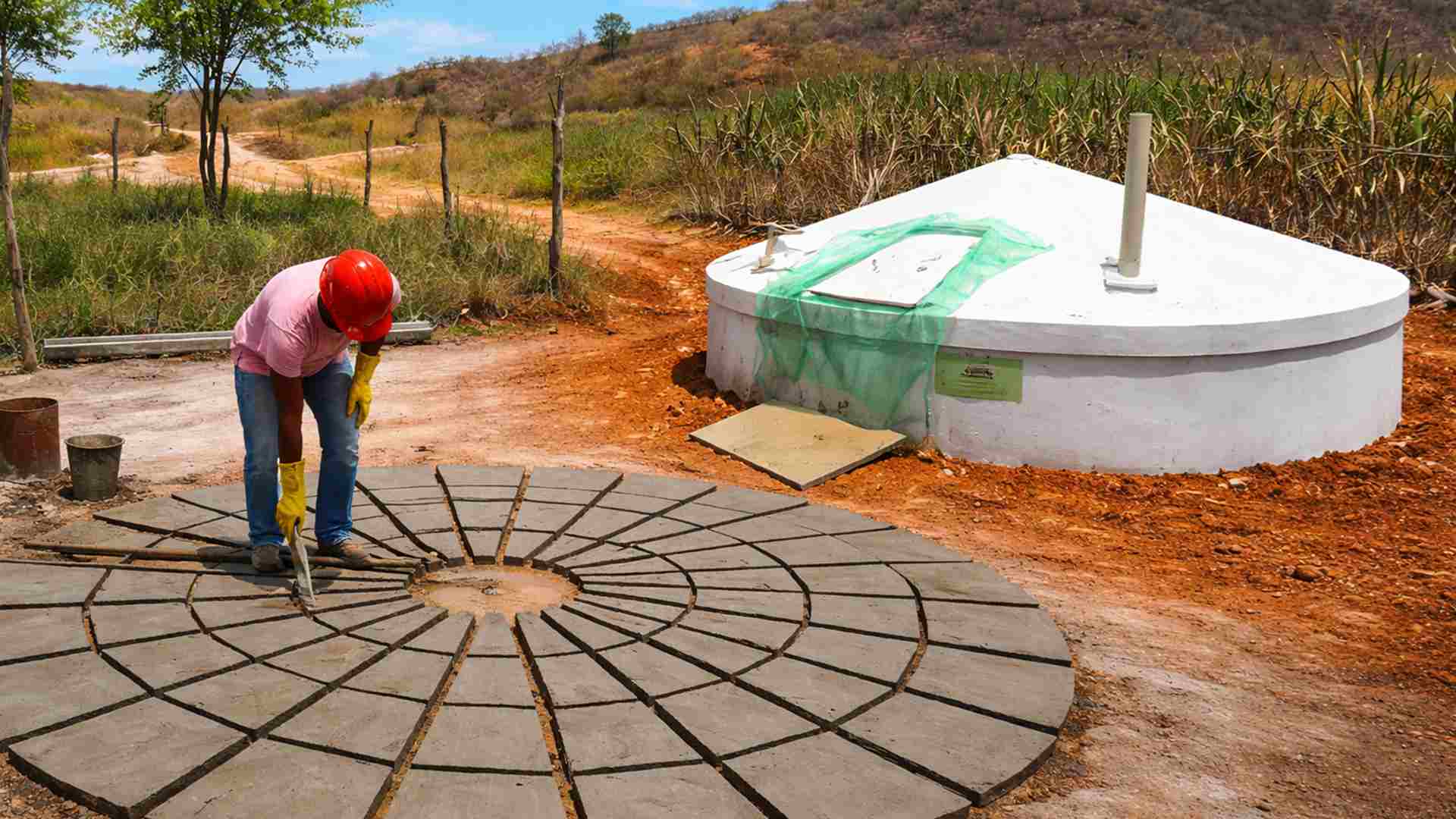
How to build a 35,000-liter cistern with 60 by 50 cm panels and rainwater for drinking and cooking without relying on water trucks or the city hall.
During the launch of the bids for Tramo IV of the Salvador Metro on June 9, the Minister of the Civil House, Rui Costa, explained that the proposal could significantly reduce costs and timelines.
Instead of relying solely on vessels, the equipment would be transported by trucks through this temporary structure.
“The state signaled that all technology is possible. […] If it’s to shorten the timeline and reduce costs, that’s great,” said Rui Costa.
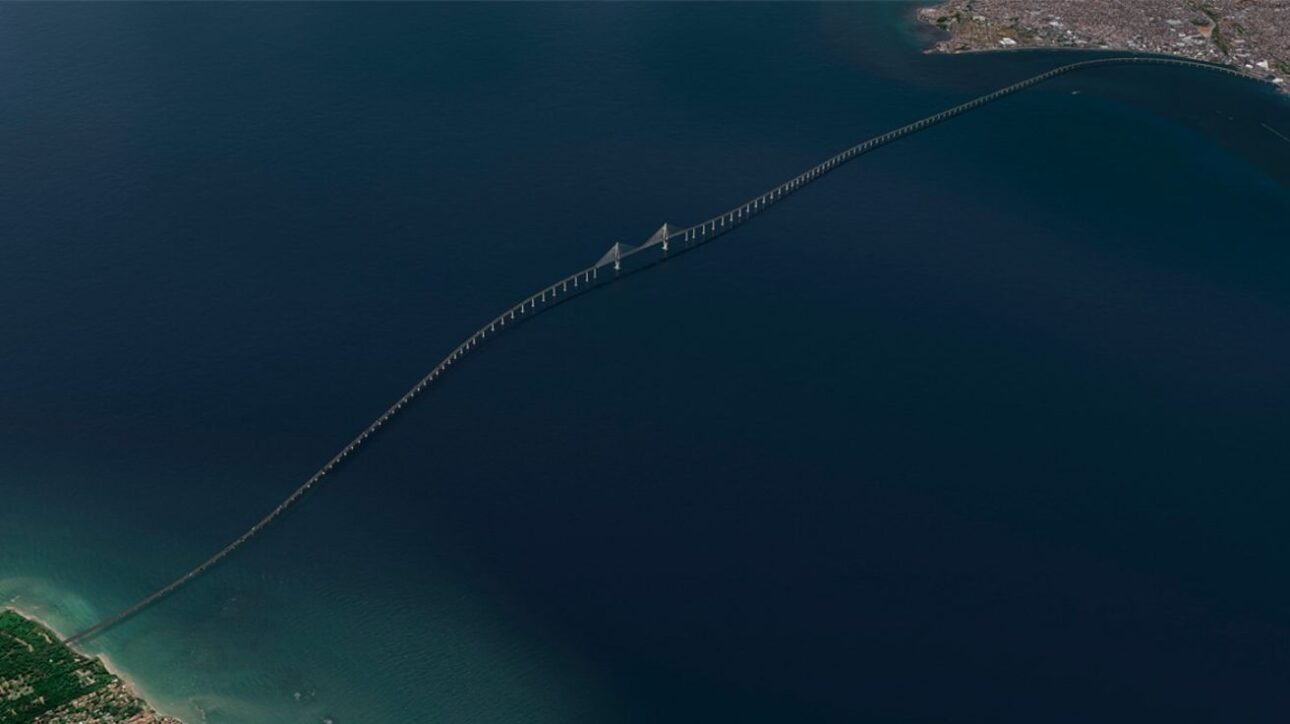
Technical Challenges of the Salvador-Itaparica Bridge
With a 12.4 km extension over the Bay of All Saints, the bridge will be the largest of its kind in Latin America, surpassing the iconic Rio-Niterói bridge, which has 8.8 km over water.
The soil survey, completed in April 2025, marked an unprecedented advance in national engineering: there were 200 meters of drilling, facing depths of up to 65 meters in geologically unstable areas.
This challenging terrain required the use of floating platforms equipped with anti-sway systems, ensuring precision during drilling.
Chinese Technology as a Differential
Inspired by the Hong Kong-Macau bridge, which is 56 km long, the Bahian project utilizes solutions already applied in Asian megastructures.
The responsible companies have international recognition and bring to Brazil the same expertise they employed in large-scale projects.
Based on the Public-Private Partnership (PPP) model, the concession allows for the full adoption of this technology, as long as the costs do not exceed the ceiling established in the contract.
Contract Negotiation Post-Pandemic
The initial budget for the bridge, set at R$ 7 billion, needed to be revised after the economic impacts caused by the Covid-19 pandemic.
At that time, the consortium requested an increase to R$ 13 billion, claiming significant increases in construction material costs.
It was the Bahia State Court of Accounts that mediated the negotiations, resulting in the final value of R$ 10.42 billion.
The contract also defines a deadline of up to 12 months for starting construction and a forecast of six years for completion.
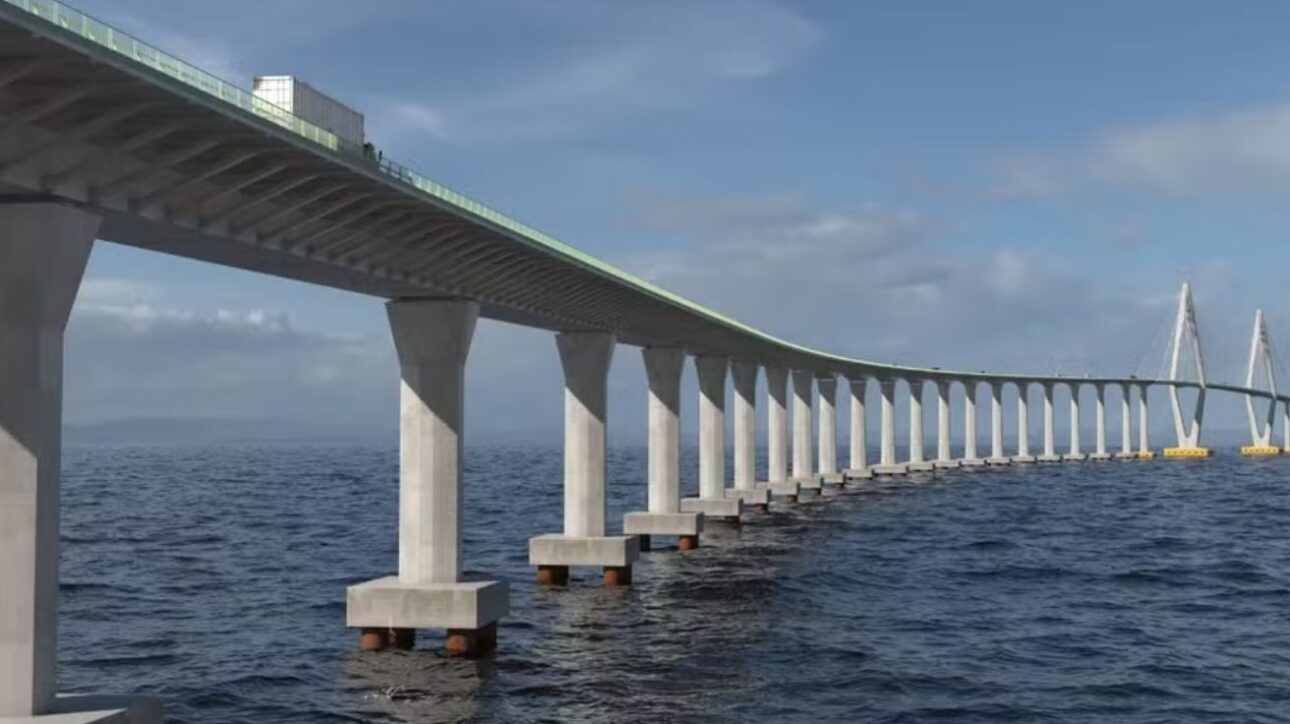
Infrastructure and Regional Impact
In addition to the bridge, the project includes two tunnels, four overpasses, and 30 km of duplication on the BA-001 highway in the municipality of Vera Cruz.
This integration will reduce the distance between Salvador and Itaparica Island by about 100 km.
More than 250 municipalities are expected to benefit, positively impacting the lives of approximately 10 million people.
The expectation is the generation of 7,000 direct and indirect jobs, strengthening sectors such as tourism, commerce, and agribusiness.
Fruits, cellulose, and cacao produced in the interior of the state will have faster flow to the Brazilian Southeast.
According to the Superintendence of Economic and Social Studies of Bahia (SEI), the bridge is expected to cause a leap in regional GDP.
Complementing this advance, the federal government is articulating the West Road System (SVO), connecting the BA-001 to BRs 101, 116, and 242.
Environmental and Social Measures
The consortium plans R$ 200 million in socio-environmental and educational programs in the regions affected by the project.
The local population will benefit from about 40 initiatives in the areas of professional training, digital inclusion, tourism, and culture.
With the support of the National Institute of Colonization and Agrarian Reform (INCRA), the Quilombola Basic Environmental Plan (PBAQ) has been initiated, ensuring territorial rights and compensations for traditional communities.
The plan also includes the preservation of mangroves, protection of native vegetation, and monitoring of fishing activities.
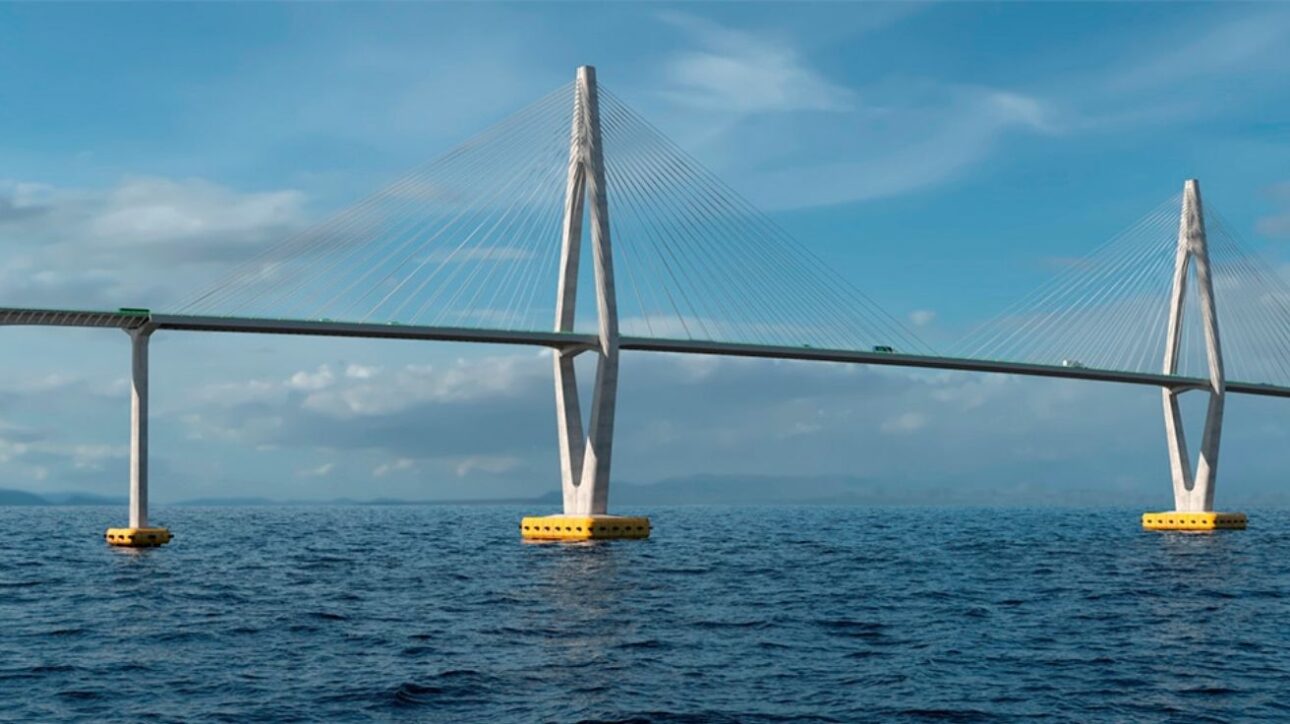
Stages and Delivery Expectation
Now that the new contract is in effect, the consortium has until June 2026 to start the construction sites in Salvador and Vera Cruz.
The schedule estimates total delivery by 2032, provided there are no new legal, environmental, or financial hurdles.
While the main structure does not progress, the proposal for the temporary bridge emerges as a viable way to accelerate logistical steps and reduce maritime dependence.
Although it still needs technical approval, the temporary structure could be decisive for the success of the project.
Given the complexity of the construction and the high investments, the project already stands as a landmark in national infrastructure.
Do you believe that the temporary parallel bridge represents an intelligent solution to accelerate the work — or would it be an extra risk that could further complicate such a grand project?




-

Uma pessoa reagiu a isso.