





 Portuguese
  English
  Spanish
  7 min of reading
  0 comments


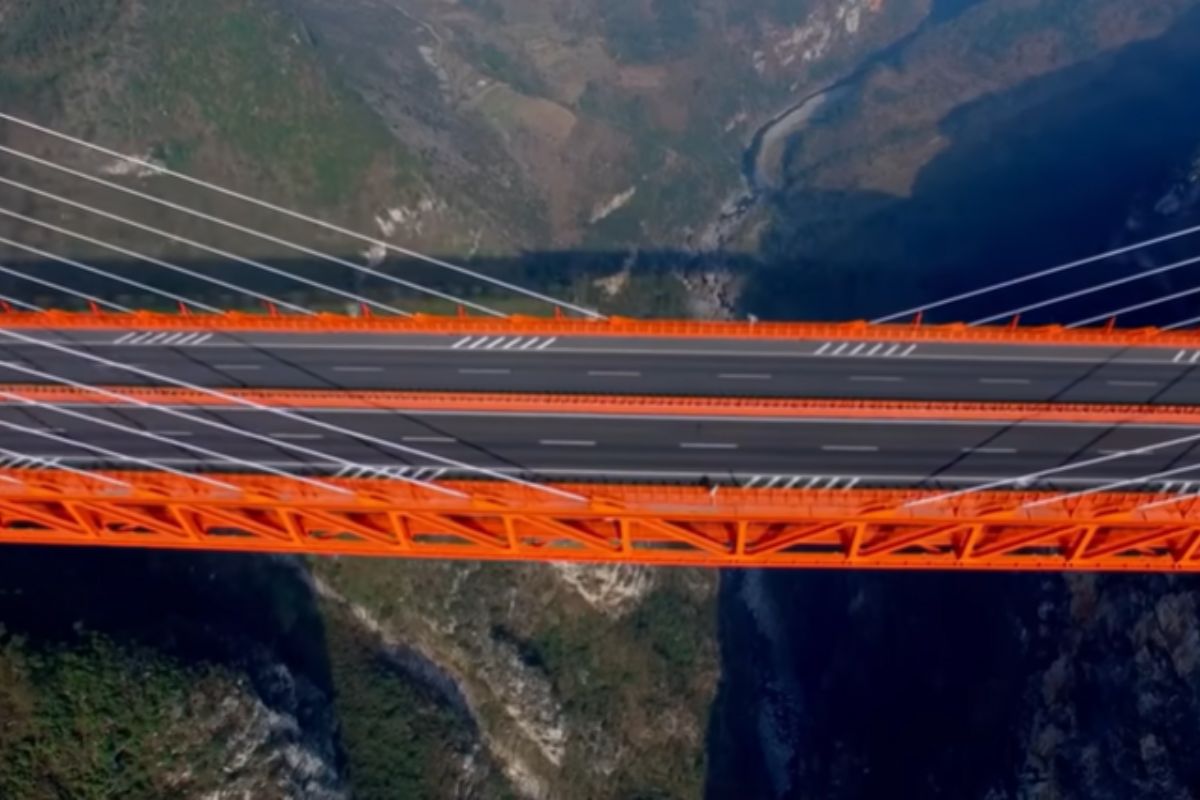
With 1.3 km in length, 269 m towers, 20,000 tons of steel and concrete, and 400 km of cables, the Beipanjiang Bridge, regarded as the highest bridge in the world, connects communities once isolated by a valley so deep it became known as the “Earth’s Fissure” in inland China.
In the mountainous interior of China, the Beipanjiang Bridge, considered the highest bridge in the world, rises 565 meters above the bottom of an extremely steep canyon, transforming a dangerous journey of about five hours into a crossing of approximately one hour. Where trucks once wound along narrow, winding roads filled with curves, cliffs, loose stones, and landslides, today a single cable-stayed span links both shores directly.
This monumental work is born in a region home to over 35 million people, marked by deep valleys, winding roads, and persistent poverty. By crossing an abyss that engineering deemed nearly impossible in one fell swoop, the highest bridge in the world changes farmers’ logistics, shortens distances, and symbolizes how infrastructure can rewrite the economic map of an isolated area.
An Abyss of 565 Meters That Isolated Communities for Centuries
The valley that the Beipanjiang Bridge overcomes is so deep that, before the construction, the only alternative was to descend to the bottom via the “ridge path” and then climb back up the other side.
-
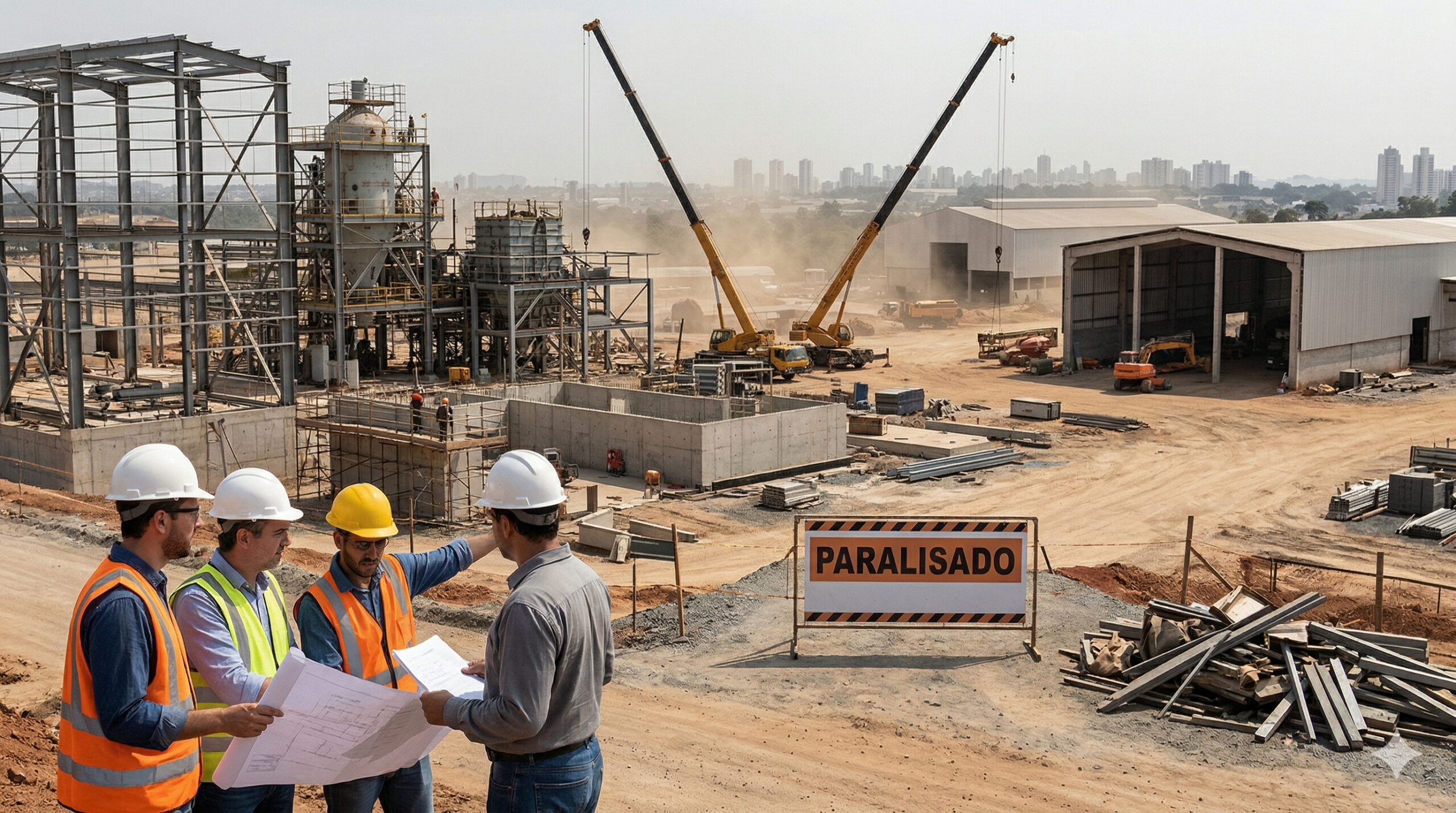
The lack of welders, electricians, and operators becomes a structural threat in 2025, with the construction industry and manufacturing already suffering from delays, cost pressures, and labor shortages in Brazil.
-
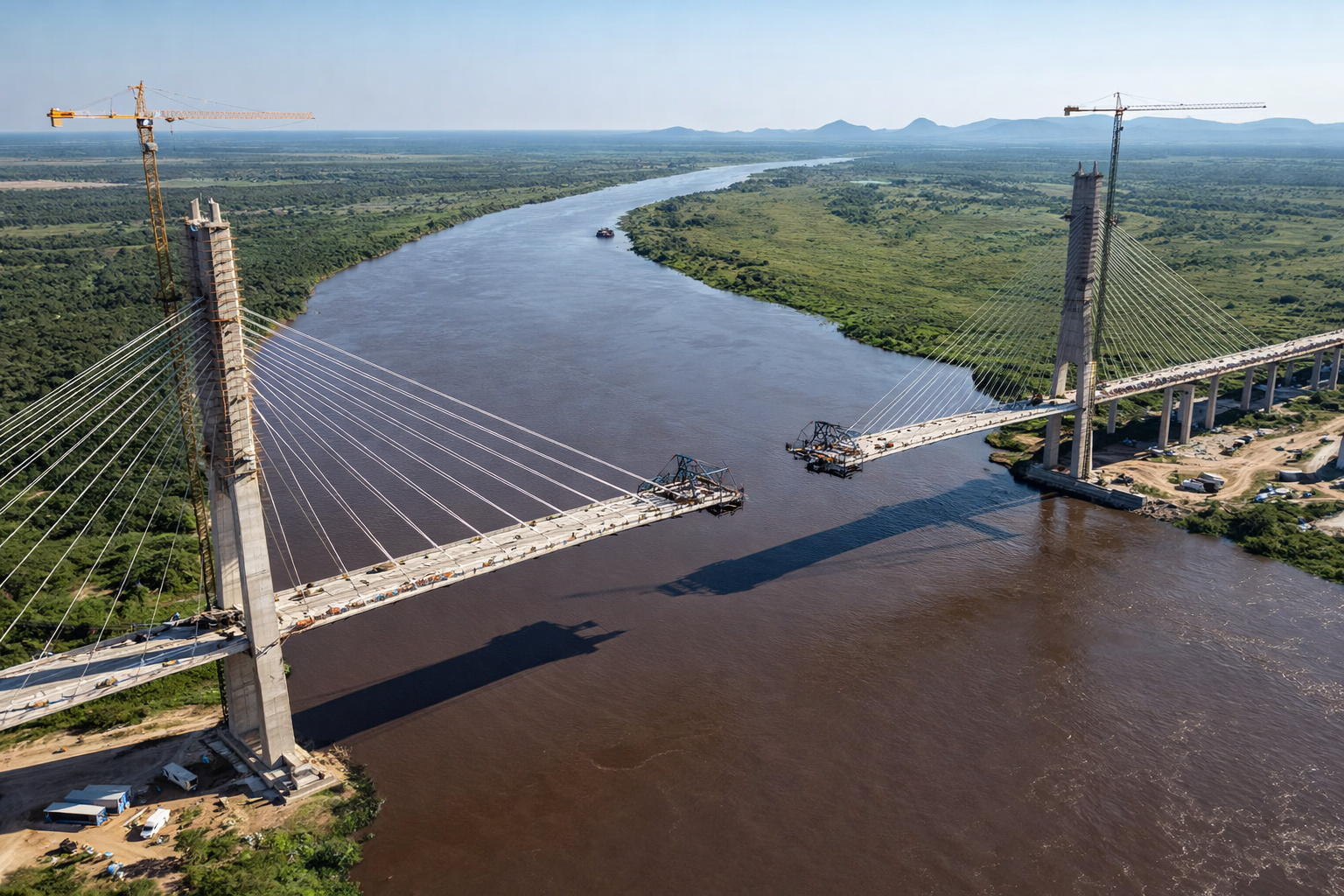
Brazil and Paraguay are just 46 meters away from a historic union on the bioceanic bridge that promises to revolutionize trade between the Atlantic and the Pacific.
-
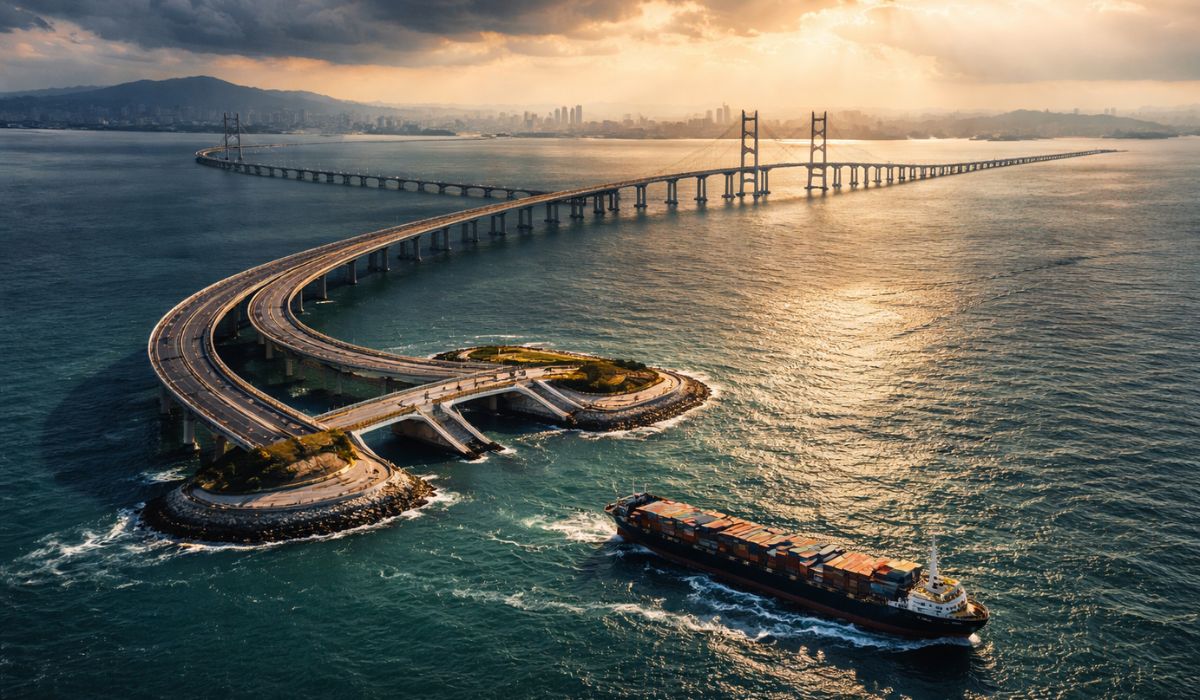
With 55 km over the sea, a cost of US$ 20 billion, and enough steel to build 60 Eiffel Towers, China’s largest project has connected Hong Kong, Zhuhai, and Macau in a colossal bridge that defies the logic of engineering.
-
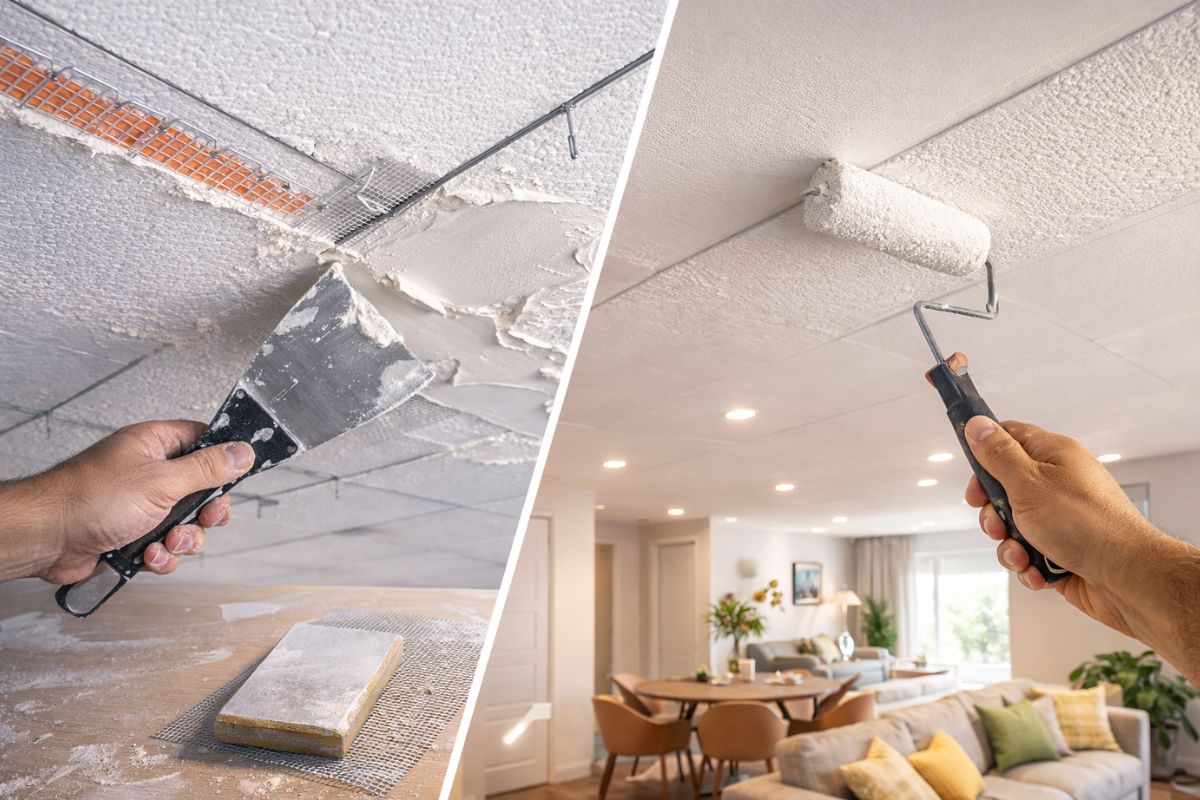
A trick with joint compound transforms a Styrofoam ceiling into a plaster-like ceiling: leveled panels, wires and mesh at the joints, sand, paint, and change the environment while spending little today.

The route, on a narrow dirt road, filled with tight curves, loose rocks, steep slopes, and signs of landslides, consumed hours and required great care from drivers.
This five-hour journey complicated farmers’ lives, who needed to transport their produce on winding, costly, and unsafe roads.
In a mountainous region, with many canyons and deep gorges, widening existing roads or opening new tunnels was not enough to bring the population out of isolation. A leap in engineering was necessary.
The problem, however, was extreme. No bridge had yet crossed a vertical drop of more than half a kilometer between the deck and the bottom of the valley.
Building the highest bridge in the world there meant facing fragile rocks, slopes with hidden caves, landslide risks, and the impossibility of erecting scaffolds to the required height.
Why the Highest Bridge in the World Had to Be Cable-Stayed
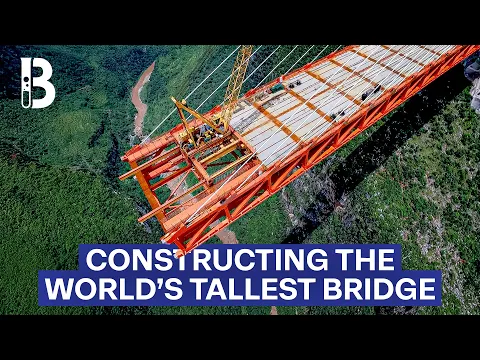

From the beginning of the project, engineers knew that the Beipanjiang Bridge could only work if it were a large cable-stayed bridge, capable of overcoming the span without anchors in fragile rock. The slopes in the region are made up of limestone rocks filled with fissures, cavities, and cracks.
For traditional arch or suspension bridges, this is a serious problem because these types of structures depend on giant anchorages on the shores, buried in solid rock, to withstand the loads.
In this case, the slopes are soft, unstable, and prone to landslides, a nightmare for any large foundation. Anchoring main cables or pushing the weight of an arch into the mountain would mean relying on a terrain that offers no long-term guarantees.
The solution came from a concept that took centuries to come to fruition: the cable-stayed bridge. In this type of bridge, the weight of the deck rises directly through the cables and descends through the towers to the foundations, reducing the need for large anchorages removed from the structure.
Pioneers like Roland Mason Ordish, with the Albert Bridge in London in the 19th century, paved the way for this design.
In China, engineers took this idea to the extreme: they oversized the cable-stayed concept to create the first cable-stayed bridge to earn the title of the highest bridge in the world, with the deck 565 meters above the valley, supported only by two towers and a forest of cables.
269-Meter Towers Built with Concrete and “Manufactured” Sand
For the Beipanjiang Bridge to support such a long main span and maintain its title as the highest bridge in the world, very tall towers were required. One of them reaches 269 meters in height, turning each pillar into a mega structure of concrete.
There was just one additional problem: there was insufficient natural sand available in the region. Rather than giving up, engineers decided to make use of the unfavorable geology.
They crushed and ground the local soft rocks to produce millions of tons of artificial sand, with controlled grain size, suitable for different strengths of concrete.
With this, it was possible to manufacture over 120,000 tons of concrete for the structure. Thousands of steel bars were assembled in a grid within the molds, and a “climbing” formwork system was used to raise the towers section by section.
As the concrete in one module hardened, the entire set of molds was moved upward and filled again, repeating the process until the final height was reached.
In the early stages, large cranes hoisted concrete buckets. When the towers became too tall, high-pressure pumps pushed the concrete mixed with artificial sand up to almost 270 meters, overcoming gravity and the viscosity of the mixture.
The result is colossal towers, marked by visible horizontal lines, indicating each of the “layers” built up over the course of construction.
A 20,000-Ton Deck Hung by 400 km of Cables

With the towers completed, the riskiest challenge began: installing the 20,000-ton metallic deck at a height where the ground almost disappears from view.
With such a deep valley, there was no way to construct temporary scaffolding. The solution was to turn the bridge itself into its own “scaffolding.”
The main span of 720 meters was mounted in sections. In an ingenious process, the segments of the deck were positioned under the already built ends, lifted, and fixed to the entire structure, always adding cable-stays symmetrically to both sides of the tower to maintain balance.
Each of the 224 “strings” that hold the deck is made up of bundles of dozens of internal wires housed within waterproof sheaths.
The longest cable reaches almost 382 meters. Sensors inside the cables continuously monitor tension, allowing the control team to identify any failures and replace the affected section without compromising the integrity of the bridge.
Under the asphalt, the deck is not just a simple flat slab. It follows the concept of orthotropic deck, with upper plates supported by “U”-shaped beams that function as structural boxes.
This greatly increases the rigidity of the structure and reduces deflection when heavy trucks cross the bridge, protecting the steel against fatigue over the years.
Thanks to this combination of cables, towers, and rigid deck, the highest bridge in the world can support the heavy traffic of cargo trucks without “bouncing” or bending under the weight.
How the Highest Bridge in the World Withstands Ice and Extreme Conditions
The region’s climate is severe, with harsh winters and ice formation at height. If the cables were positioned directly over the deck, as in many cable-stayed bridges, fragments of ice could detach and fall onto vehicles, creating a serious risk for those crossing the valley.
To reduce this danger, engineers repositioned the stays to the outer edges of the deck, moving the cables away from the direct alignment of the roadway.
This way, when ice forms and falls, it drops outside the lane area, into the void of the valley, preserving user safety even at the height of winter.
This simple and effective solution shows how, besides being grand, the highest bridge in the world was also thoughtfully designed for daily operation, going beyond aesthetics and structural boldness.
From Five Hours to One: The Impact on Millions of People’s Lives
After 42 months of work, the two sides of the valley finally met in the middle of the span. From then on, what was once a winding, dangerous, and time-consuming path became a direct crossing.
The same journey that took about five hours now takes approximately one hour, connecting regional markets much more efficiently, facilitating the transport of agricultural products and expanding access to health services, education, and job opportunities.
For the engineers, the project is almost like a child that grows and serves society. For those living in the region, the highest bridge in the world is concrete proof that a gigantic natural obstacle can be overcome with creativity, precise calculation, and hard work.
The Beipanjiang Bridge also joins the list of structures that redefine the limits of what engineering can do, pushing that limit to a level where a single deck, 565 meters high, connects both shores of an abyss that separated communities for centuries, just as other historic bridges did in their times.
The difference is that now this limit has been pushed to a point where a single deck, 565 meters high, can stitch together both shores of an abyss that separated communities for centuries.
And you, would you cross the highest bridge in the world calmly or feel butterflies in your stomach knowing you’re passing 565 meters above one of the deepest valleys in China?







-

-

-

-

7 pessoas reagiram a isso.