





 Portuguese
  English
  Spanish
  3 min of reading
  5 comments


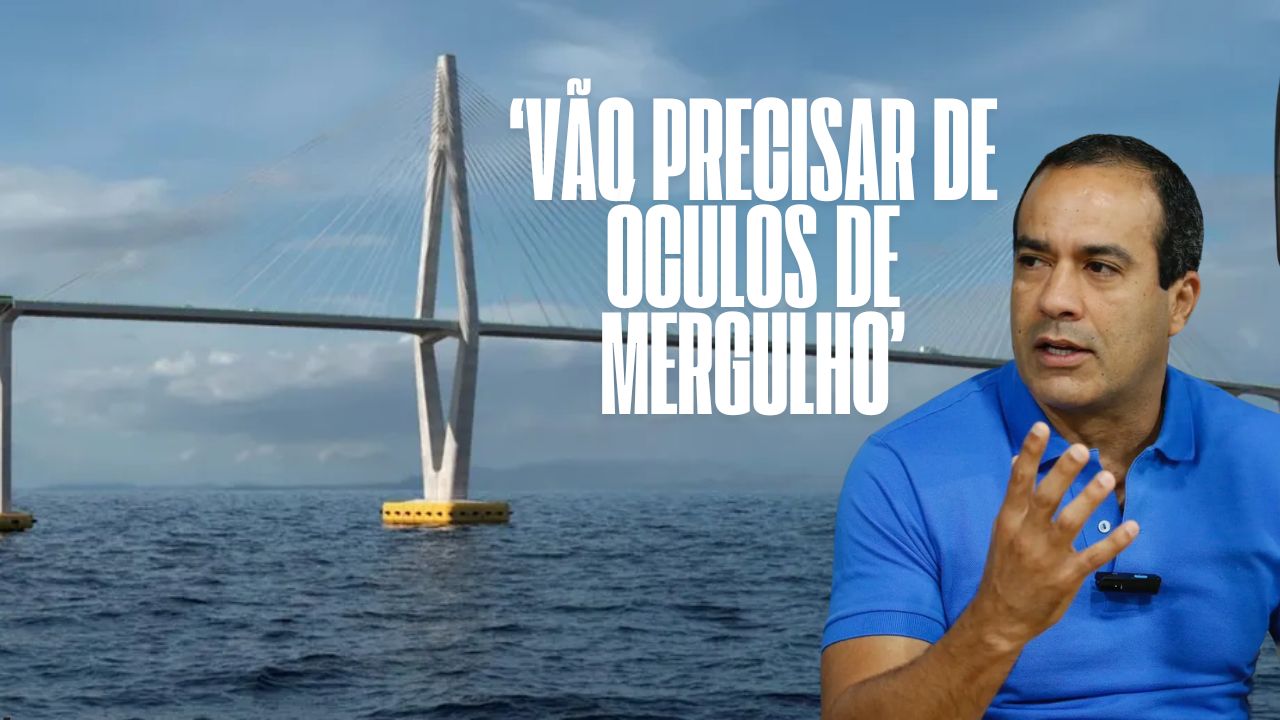

Mayor of Salvador Mocks Progress of Salvador-Itaparica Bridge Construction and Lack of Visible Advances; Deadline May Extend to 2032
The mayor of Salvador, Bruno Reis, publicly criticized the progress of the Salvador-Itaparica Bridge construction, one of the largest infrastructure projects in Brazil, with an estimated budget of R$ 9 billion. During an event in the capital, the official mocked the lack of progress on the project: “What are we going to monitor, if there is no construction at all? They are still doing surveys. If anyone wants to see anything, they will need diving goggles.” The statement reflects the uncertainties and frustration with the lack of concrete advances on the project, which promises to connect Salvador to the Island of Itaparica and benefit over 250 municipalities in Bahia.
Delays and Challenges of the Salvador-Itaparica Bridge
The construction of the Salvador-Itaparica Bridge was announced as one of the main bets for the state’s development, promoting integration between Salvador, the Baiano Recôncavo, and the interior of Bahia. However, since the signing of the contract with the Salvador-Itaparica Bridge Consortium, formed by Chinese companies, progress has been minimal.
According to the State Court of Auditors (TCE), a mediated agreement between the state government and the consortium established a six-year deadline for the completion of the works, counting from the definitive signing of the contract, which may occur within up to a year. This means that the bridge may only be completed in 2032, well beyond initial forecasts. The government of Bahia, in turn, reported that geotechnical surveys, essential for defining the foundation of the bridge’s pillars, have already begun, but there is still no clear schedule for the execution of structural works.
-
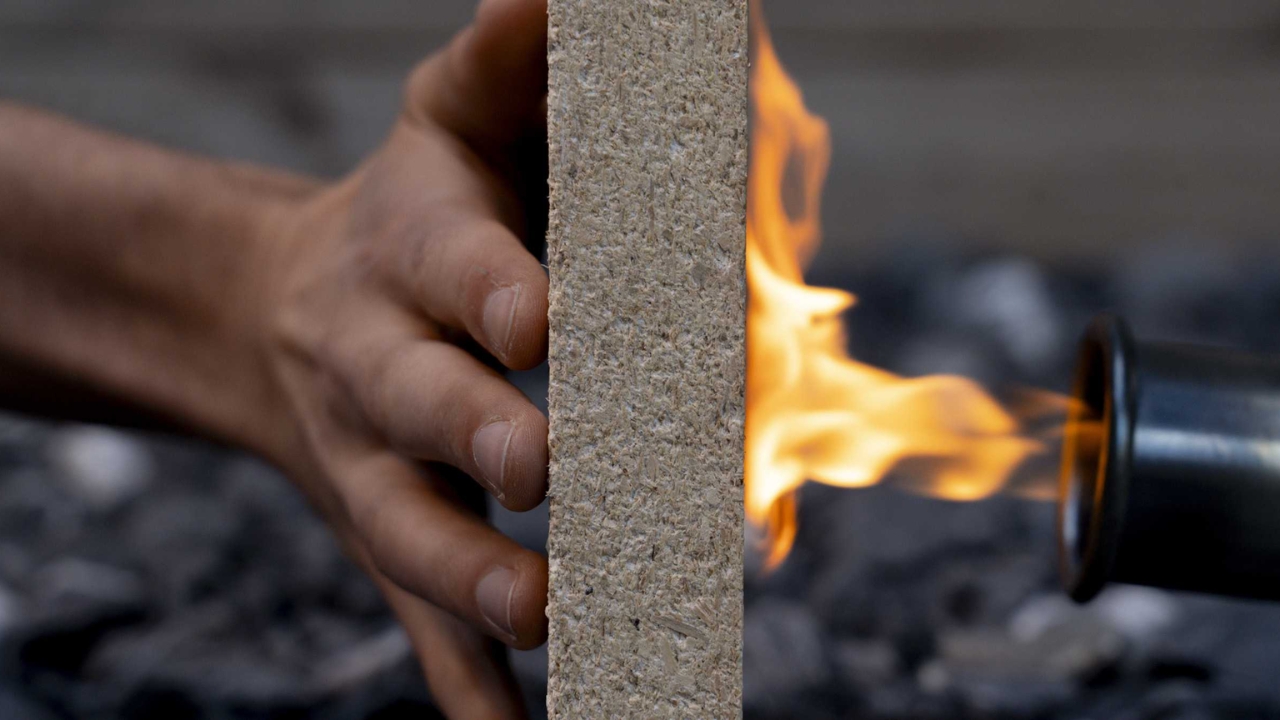
Scientists transform sawdust into fire-resistant panels, stabilize the compound with an enzyme extracted from watermelon seeds, and turn waste into promising material for construction.
-
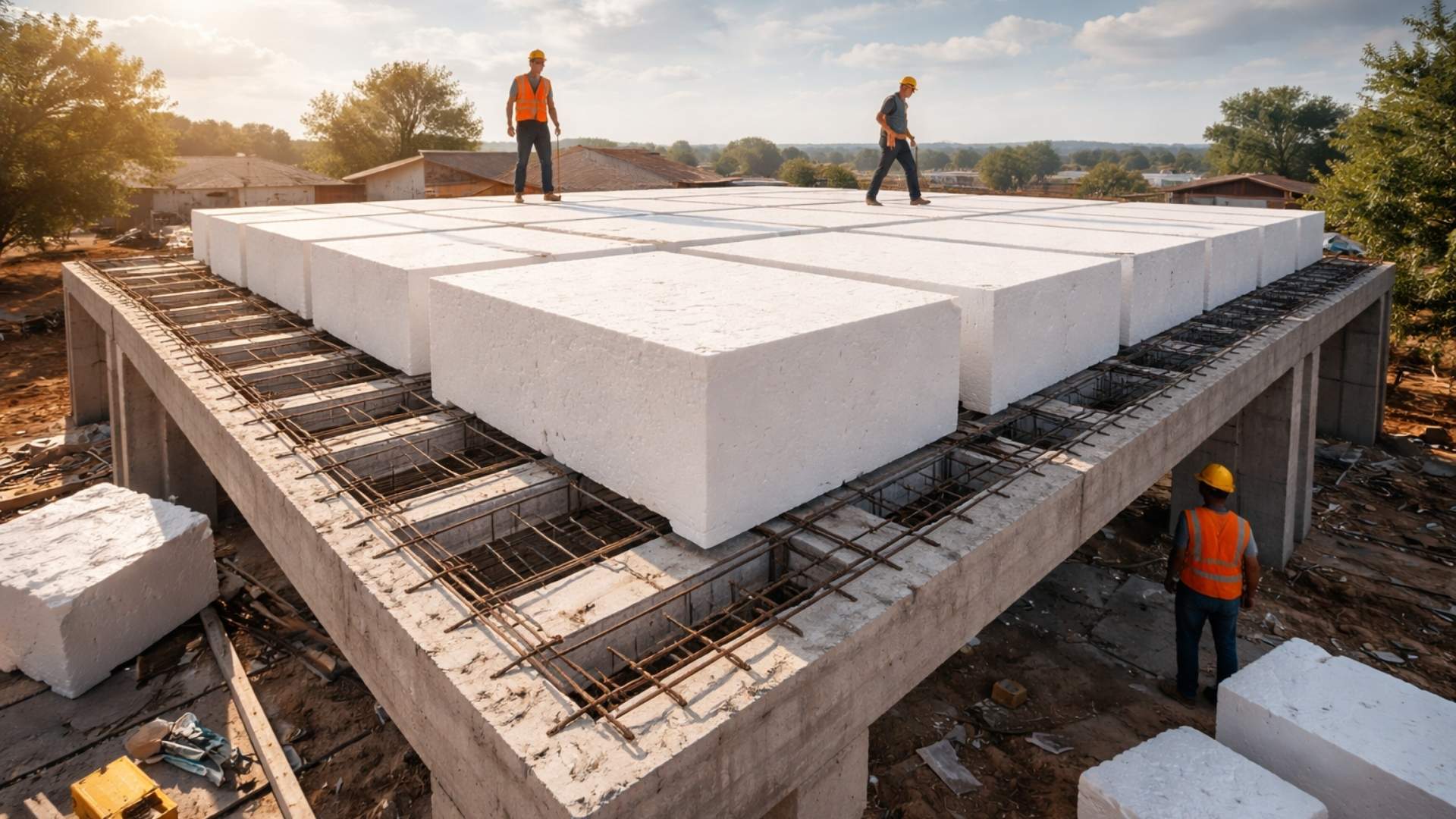
Forget concrete: architects are replacing tons of concrete with giant blocks of expanded polystyrene to build the roofs of houses and reduce structural weight by up to 50%, cut costs, improve thermal insulation, and speed up construction.
-
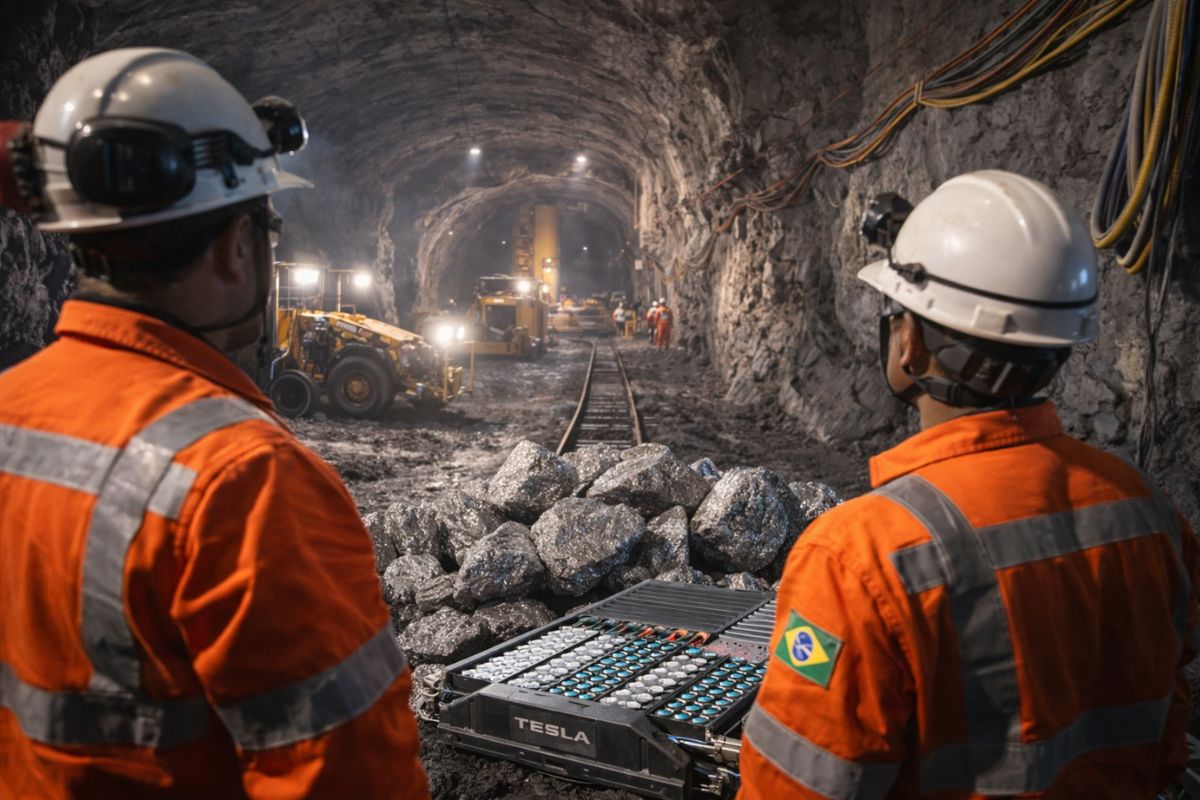
The Brazilian state enters the center of the global race for critical minerals by starting the construction of the largest underground nickel mine in Latin America, a mineral essential for electric car batteries that the entire world is competing for at this moment.
-
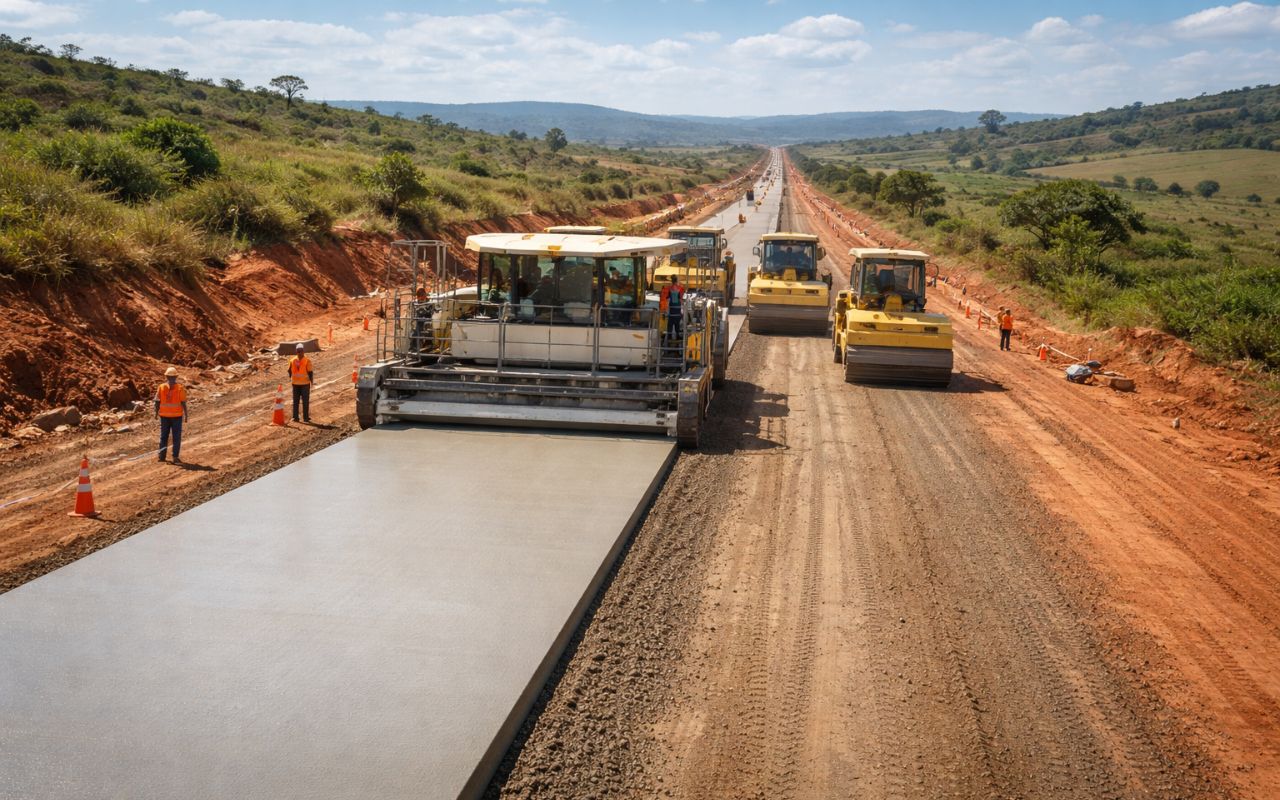
New CCR concrete paving technology promises roads up to 3x more durable, less maintenance, and cost reduction in Brazil.

Socioeconomic and Environmental Impact
The Salvador-Itaparica Bridge has the potential to transform Bahia’s infrastructure, significantly reducing travel time between Salvador and the southern part of the state. Currently, the ferry crossing can take up to two hours, while the bridge would allow the trip in about 20 minutes.
The government also estimates the creation of 8,000 direct jobs and a big impact on the tourism and logistics sectors. According to real estate sector specialists, the appreciation of land in the region could generate a new wave of investments and stimulate the growth of cities like Vera Cruz, Itaparica, and Jaguaripe.
On the other hand, environmentalists warn about the ecological risks of the construction. The NGO SOS Mata Atlântica highlighted that the project could affect mangroves and coral reefs, in addition to jeopardizing traditional fishing communities. A study published by the Federal University of Bahia (UFBA) points out that more than 100 religious terreiros of African origin on the Island of Itaparica could be impacted without prior consultation with local communities.
Political Repercussions and Public Expectations
Bruno Reis’s remarks generated political reactions. While opposition sectors criticize the state government’s slowness in managing the project, government representatives argue that the necessary infrastructure for construction requires time and planning. The governor of Bahia, Jerônimo Rodrigues, emphasized that the project is still ongoing and that new steps will be announced in the coming months.
The public, in turn, expresses doubts about the feasibility of the bridge. For many residents of Salvador and the Island of Itaparica, the lack of concrete advances raises questions about the actual delivery of the project within the established timeframe. “We have seen this project come to life several times but never move forward. I hope it really happens this time,” said José Almeida, a resident of Itaparica.








Sr.prefeito Bruno Reis admiro seu trabalho mais,e mais fácil colocar a placa de sinalização tem 4 anos fora da posição fale com trans Salvador não sei se passa lá mais eu passo de segunda a sexta fica Heitor dias de fonte ilegal evangélica e mas fácil retirar os moradores de rua praça da natividade ou dos mares eu ficar lavando a portas e loja eles de banheiro, recapia a Heitor dias desde rótula do abacaxi, eu passo de ônibus pois opitei transporte coletivo para comprar automóvel velho 20.000 reais pois quebra ou fogo todos citei fácil do que a ponģte Salvador Itaparica?
Prefeito! Vai cuidar da cidade e deixa de está passando recado do seu patrão!!!
Terrenos com escritura já valorizaram de 5 a 10 vezes nos últimos 10 anos, só com a especulação em torno da ponte. A Ilha de Itaparica vai enlouquecer nos preços nos próximos anos, assim como aconteceu em outros lugares onde pontes transformaram suas economias