





 Portuguese
  English
  Spanish
  4 min of reading
  0 comments


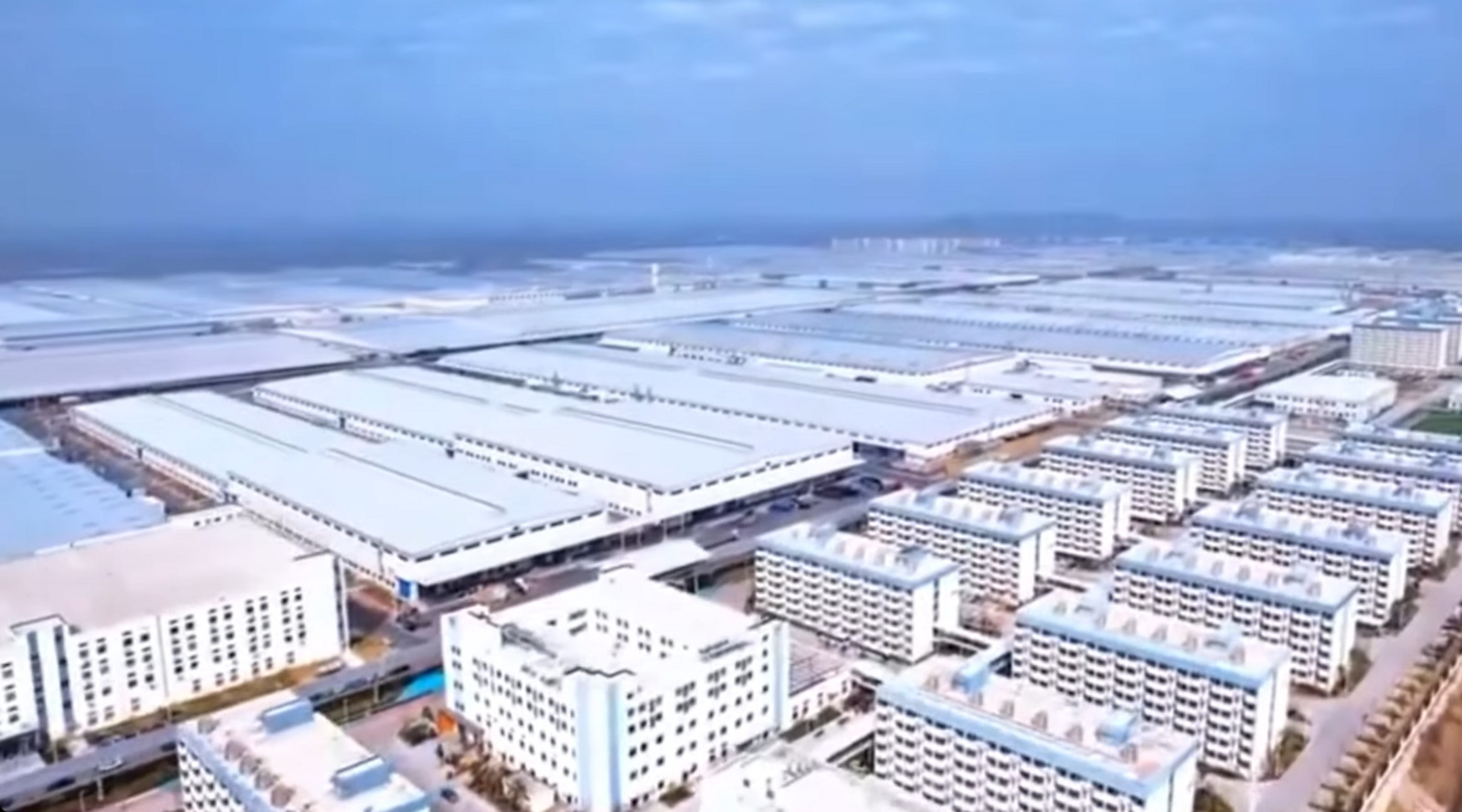
The Visit to BYD’s Industrial Center in Zhengzhou Reveals Fully Integrated Production, Advanced Technology, and Global Ambition at a Pivotal Moment for the Expansion of Electric Vehicles and the Consolidation of China’s Leadership in the Sector
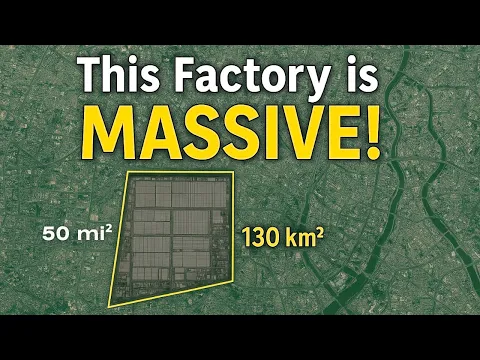
The visit to BYD’s megafactory in Zhengzhou reveals a scenario that is hard to compare with any other factory in the sector. The space resembles an entire city focused on electric mobility because everything there operates at a monumental scale. The plant covers 10.67 km², an area similar to dozens of stadiums combined. This size draws attention and reinforces the group’s ambition.
Journalists and influencers from various continents were invited to see the megafactory. More than 250 professionals circulated through the warehouses with the explicit goal of making an impact.
The strategy was confirmed by Stella Li, executive vice president responsible for international sales.
-
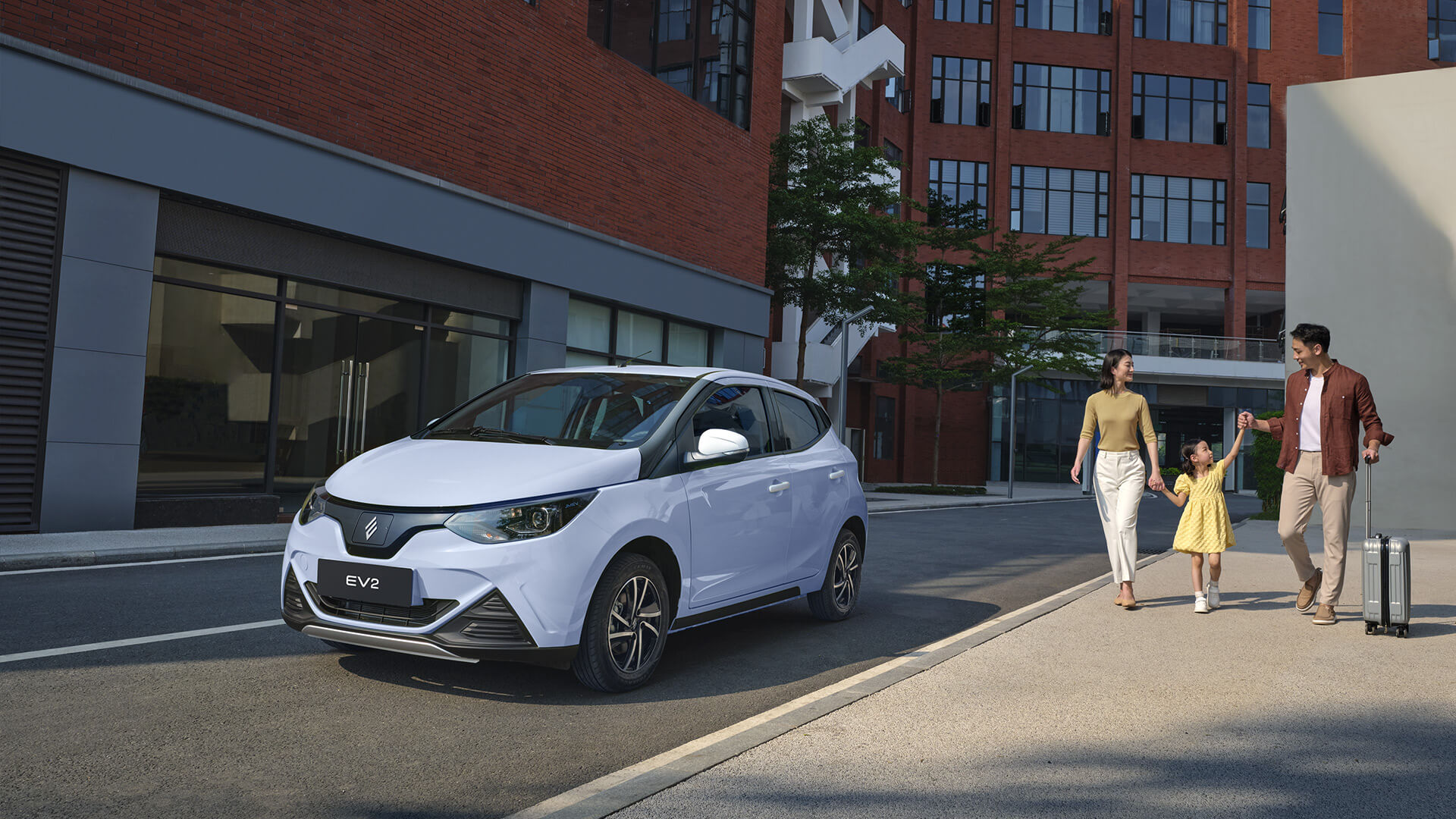
Goodbye expensive popular car: electric vehicle for less than R$ 70,000 starts being sold in Brazil with a range of 200 km and targets those looking to escape gasoline.
-
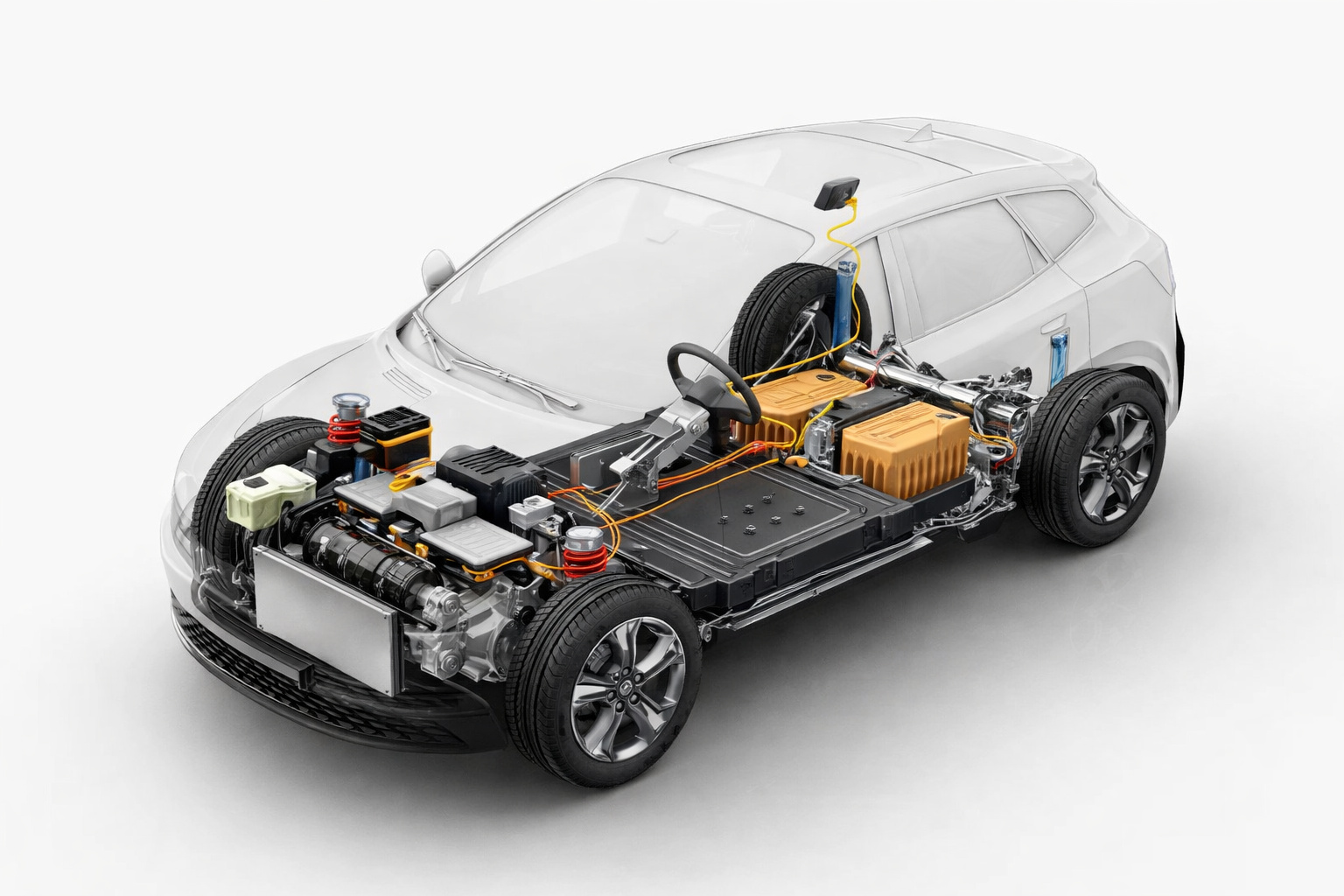
China Surprises Automotive Industry With Battery That Promises Electric Car Able to Run Up to 1,000 km Without Recharge
-
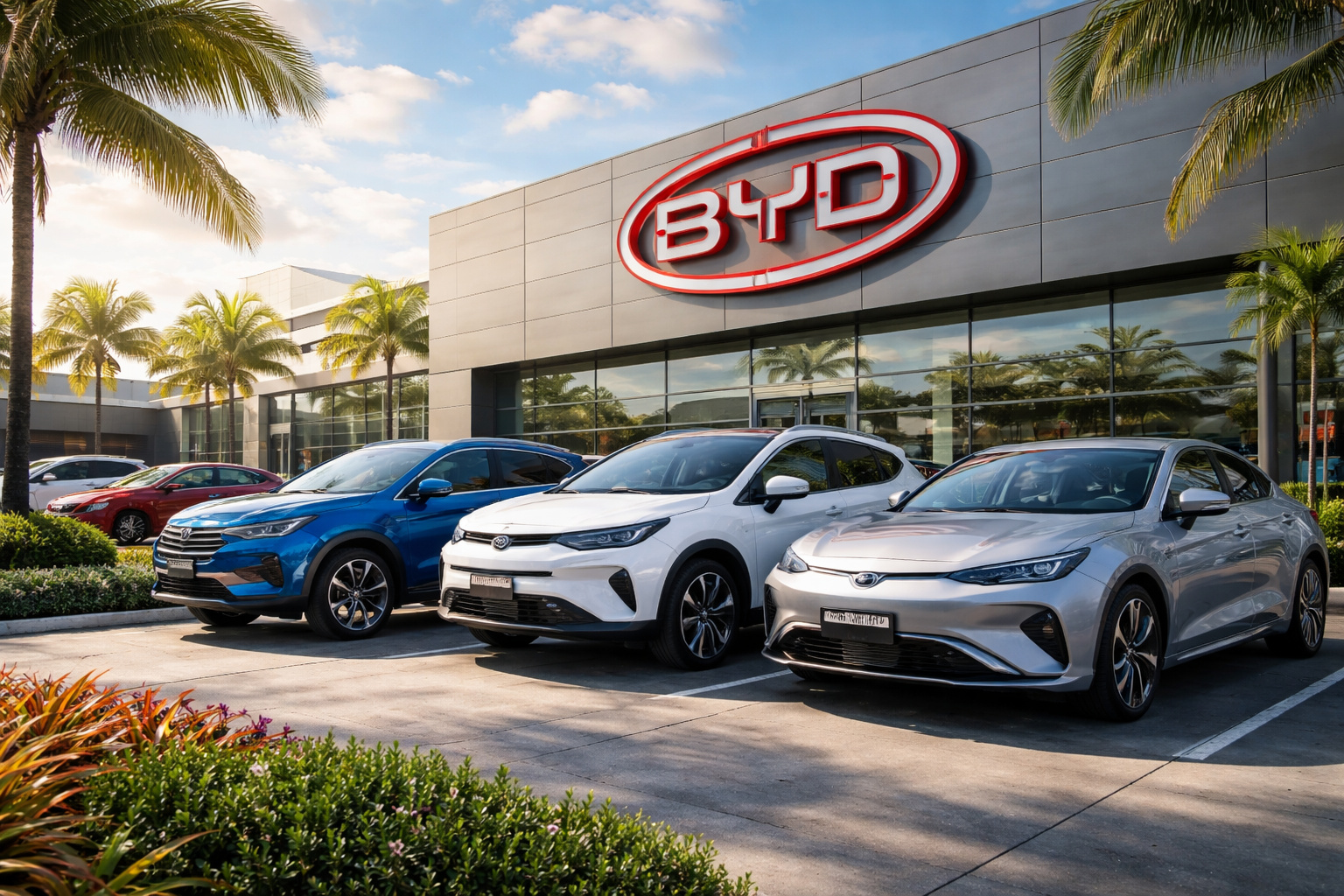
Why BYD Grew So Fast in Brazil and How Blade Batteries, Electric Cars, and Industrial Incentives Shaped This Expansion in the National Automotive Sector
-
Electric Cars Make Progress in Brazil in 2026 and Promise to Reduce Drivers’ Costs with Cheaper Energy, While Infrastructure Grows Slowly Across the Country

She leads the brand’s global expansion alongside Wang Chuanfu, the company’s founder. Both are betting on international visibility at a time of slowdown in the domestic market.
Internal competition has increased significantly with more than 40 electric manufacturers vying for customers in China.

Total Integration in Production at the Megafactory
The Zhengzhou complex serves as the main production center for the Chinese market. The size of the location is directly related to the level of vertical integration.
BYD manufactures 70% of the parts in-house, therefore it controls electric motors, electronic modules, batteries, shock absorbers, solar roofs, and air conditioning systems.
Additionally, the megafactory employs 57,000 workers. The lines are highly flexible and utilize automation of over 98%.
Nearly two thousand robots operate in welding, allowing up to 12 models to be assembled on the same line. Song Pro, Seal 07, Shark, and Denza B8 are part of the portfolio produced there.
Another highlight is the Power Battery Park, where the Blade Battery is produced. The battery is known for its safety and energy density. The warehouses are notably quiet.
The presses are isolated in acoustic cabins, and few operators are seen on the factory floor. This scene emphasizes the combination of efficiency and automation typical of the Chinese industry.
The Transformation of the Chinese Market
The automotive sector in China is undergoing a profound change. Between 2009 and 2023, the government invested over US$ 230 billion in subsidies aimed at the development of electric vehicles.
This push has generated direct effects as the country became the largest exporter of automobiles in 2023, surpassing Japan.
Today there are 46 manufacturers dedicated to electric vehicles in Chinese territory. Domestic consumption has also risen. 31.4 million cars were sold in 2023, 41% of which were electric or hybrid.
The Chinese model combines tax incentives, cheap labor, battery infrastructure, and proprietary technology.
Therefore, prices have fallen and adoption has grown rapidly. Analysts point to a clear strategic motivation: to expand international presence even with lower margins in the domestic market.
BYD’s Global Leadership
BYD is at the center of this advancement. In 2024, the manufacturer surpassed Tesla in pure electric production.
The company started in 1994 as a battery producer and is now present in over 100 countries and 400 cities. Its businesses include clean energy and rail transportation.

Charging in Five Minutes
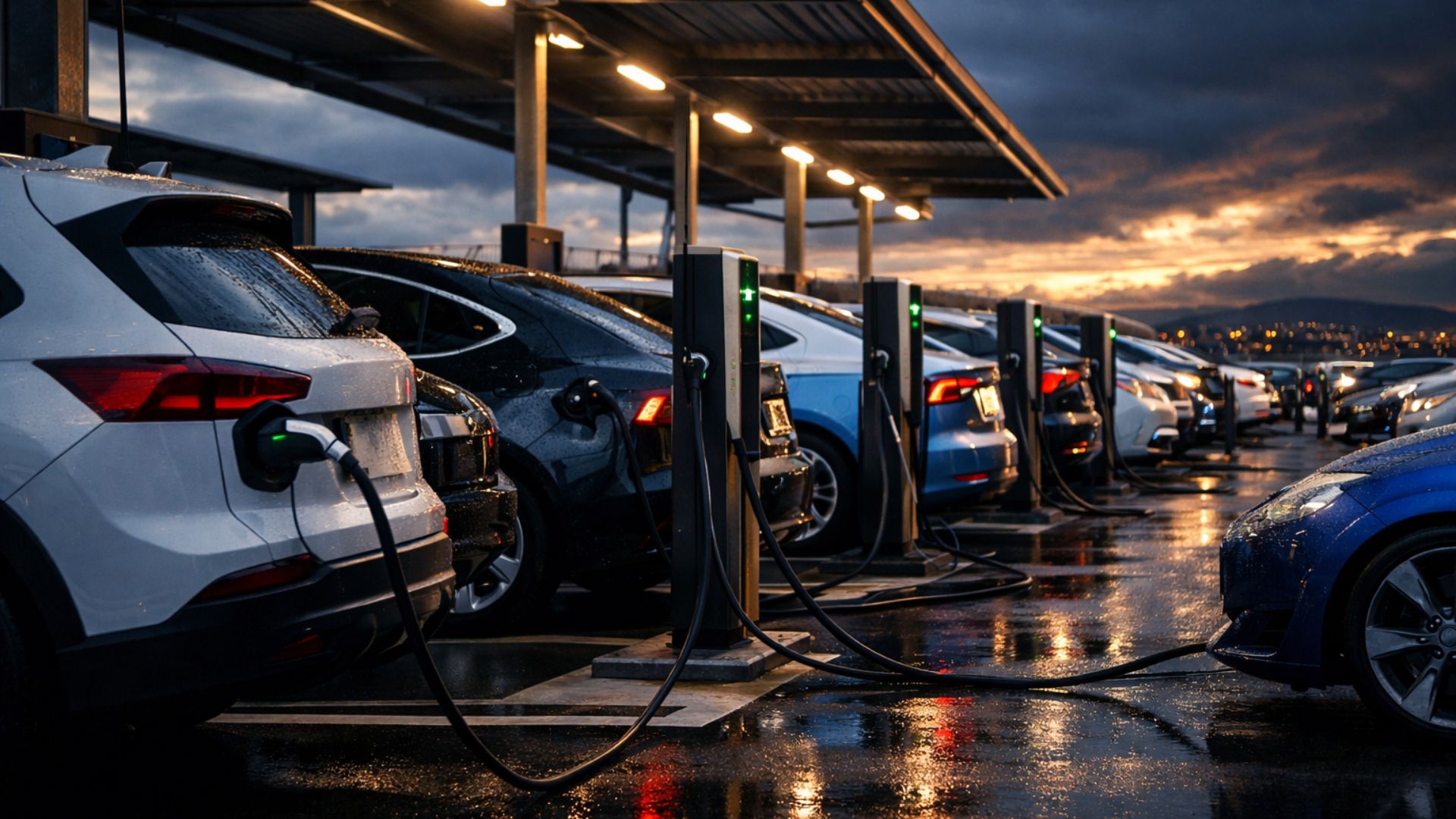
The automaker is now debuting Flash Charging technology. The system charges a vehicle in five minutes and offers 400 km of autonomy. The power reaches 1 megawatt.
The Han L was the first model equipped with the solution. The company installed the first units in China and plans to export. Of the 6,000 chargers expected, 800 are set to arrive in Brazil.
The Expansion in Brazil
The global strategy also extends to South America. In October 2025, BYD began national production in Camaçari, Bahia, with the presence of President Luiz Inácio Lula da Silva.
The investment of R$ 5.5 billion is expected to generate 20,000 direct and indirect jobs.
The initial goal was to produce 300,000 units per year by 2030. The new plan doubles this forecast to 600,000 vehicles annually.
Moreover, the company aims to be among the three largest automakers in the country.
The combination of technology, scale, and ambition demonstrates that the evolution of electric mobility points to a central hub of influence.
And this hub, as BYD’s trajectory reinforces, remains firmly established in China.
With information from UOL.






-

Uma pessoa reagiu a isso.