





 Portuguese
  English
  Spanish
  3 min of reading
  0 comments


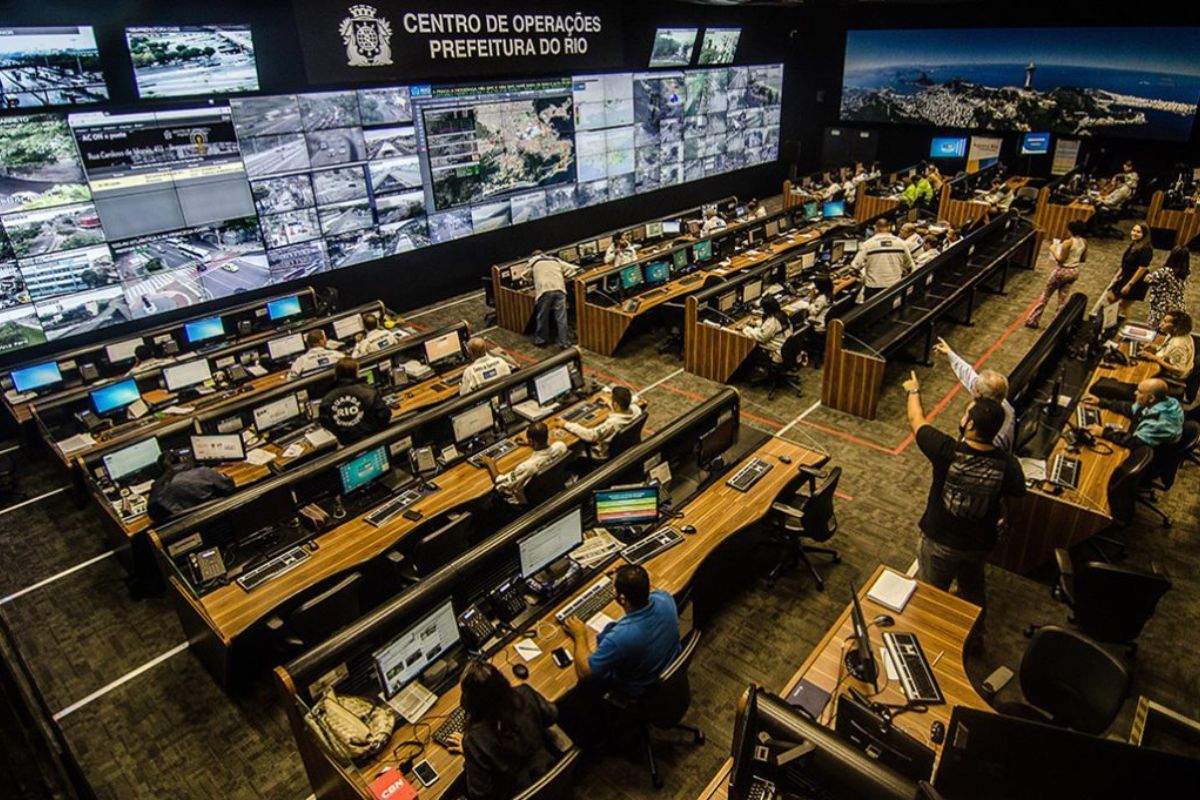
We Visited the City’s Technological Brain to Show How the City Hall Uses Data and Artificial Intelligence to Manage Urban Chaos.
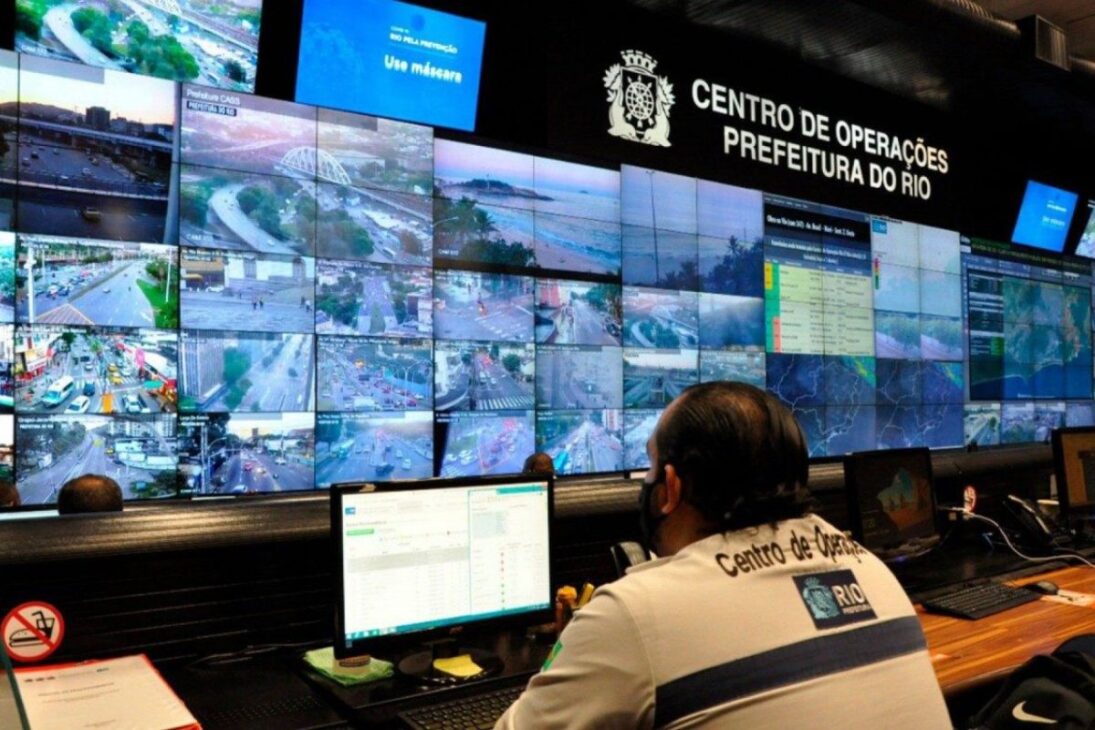
In a discreet location in Cidade Nova, one of the most advanced control rooms in the world operates, nicknamed “NASA Carioca.” It is the Centro de Operações Rio (COR), the technological brain of the city hall that monitors, 24 hours a day, the pulse of one of the planet’s most complex metropolises.
But what happens behind its famous giant screen? How does COR technology actually help predict floods, reduce traffic, or manage a crisis? We dug deep to take a close look at the engineering and intelligence attempting to bring order to the chaotic urban environment of Rio.
The Heart of the Operation: The 104 m² Screen and the 60 Integrated Agencies
The first thing that impresses upon entering the COR is the “Big Wall,” a massive panel of monitors measuring 104 square meters – the largest in Latin America. On it, operators visualize in real-time a mosaic of vital information.
-
After decades of failed attempts, Brazil is once again looking to space with an orbital rocket measuring 12 meters, weighing 12 tons, costing R$ 189 million, and scheduled for launch in 2026, in a new race to finally achieve autonomous access to orbit.
-
The Earth will plunge into a few minutes of darkness in broad daylight in August 2026, when a total solar eclipse transforms the sky into one of the most impressive astronomical phenomena in recent years.

-
How the terraforming of Mars can transform the planet: artificial aerosols can increase the temperature by up to 35°C in 15 years, creating conditions for liquid water.

-
Scientists drilled nearly 8,000 meters into the ocean floor above the fault that caused the 2011 tsunami in Japan and discovered that a layer of clay 130 million years old was responsible for making the wave much worse than any model had predicted.

The great advantage of COR is not just having cameras but rather its integration capability. In the same room, side by side, operators from about 60 different agencies and companies work together: CET-Rio, Municipal Guard, Civil Defense, Light, Comlurb, MetrôRio, Supervia, among others. This physical integration allows for an incident response – such as a fallen tree blocking a street and breaking a power line – to be coordinated among multiple agencies instantly, rather than through memos and phone calls.
The Eyes and Ears: Where Do the Data Come From?
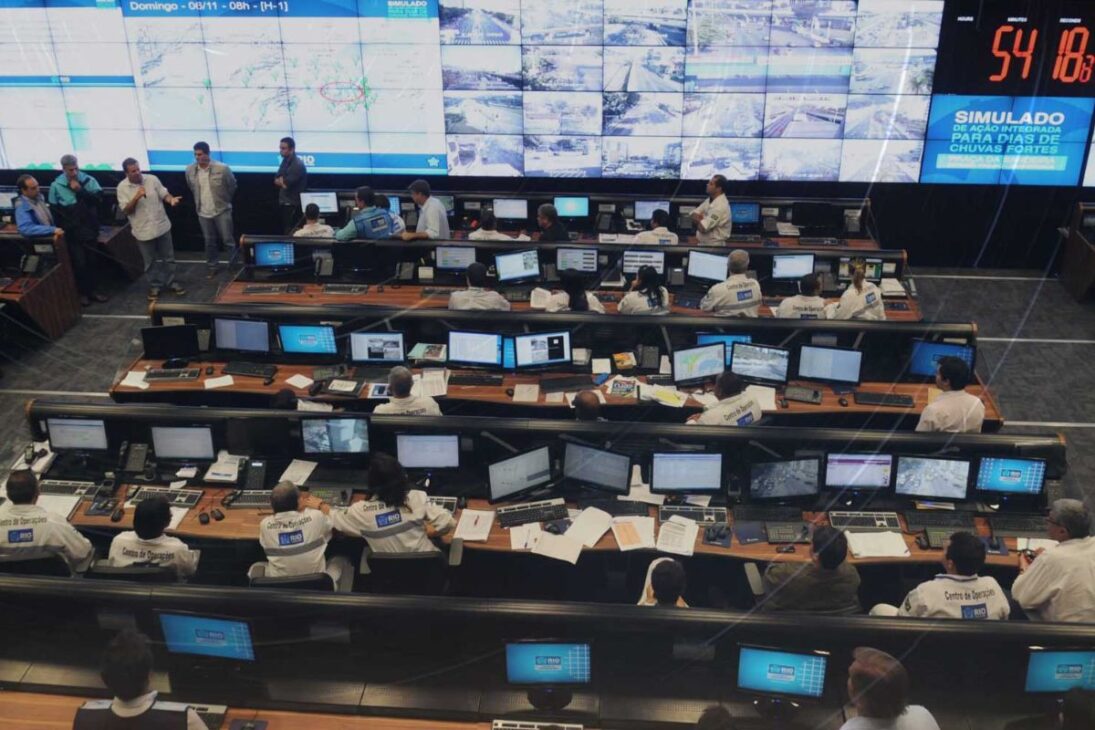
The giant screen is powered by a massive amount of data collected throughout the city:
- More than 2,000 surveillance cameras spread across the city.
- GPS data from buses and VLTs for traffic monitoring.
- Weather sensors and radars from Alerta Rio.
- Rain gauges installed in risk areas to monitor rainfall volume.
- Social networks and apps like Waze and Twitter, which are monitored to capture incident reports made by citizens themselves.
The Predictive Brain: Can COR Predict Landslides?
Yes, this is one of the most critical functions of COR. The system is not just reactive; it uses artificial intelligence and mathematical models to predict problems. Based on the rainfall volume measured by rain gauges in real-time and the history of landslides, the system calculates the probability of a landslide in risk areas.
When the risk reaches a critical level, the Civil Defense is activated to evacuate the area and sound the sirens in the communities. Similarly, the system can predict flooding points based on weather forecasts and tidal tables.
The Privacy Issue: Do COR Cameras Use Facial Recognition?
This is a sensitive point. Officially, the City Hall of Rio claims that the focus of the cameras is on monitoring traffic, events, and natural disasters. While there are tests and discussions about using facial recognition technology for public safety purposes, its large-scale implementation still faces legal and technical debates in Brazil. Currently, the main function of the cameras integrated into COR is not to identify individuals but to manage occurrences in the city.
The Practical Result: How Does COR Help Reduce Traffic?
Traffic management is one of the most visible operations of COR. By identifying an accident or a road blockage through the cameras, CET-Rio operators can, in real-time:
- Change traffic light timings on nearby streets to divert flow.
- Send traffic operators to the exact location of the incident.
- Publish instant alerts on Waze, Twitter, and the city’s message boards.
This rapid response capability helps mitigate the impact of incidents and reduce congestion time, practically showing how COR works for the average citizen. It’s technology transforming data into actions to make the city more resilient and functional.
Does having a control center like COR make you feel safer in your city? Would you like one where you live?








Seja o primeiro a reagir!