





 Portuguese
  English
  Spanish
  5 min of reading
  0 comments


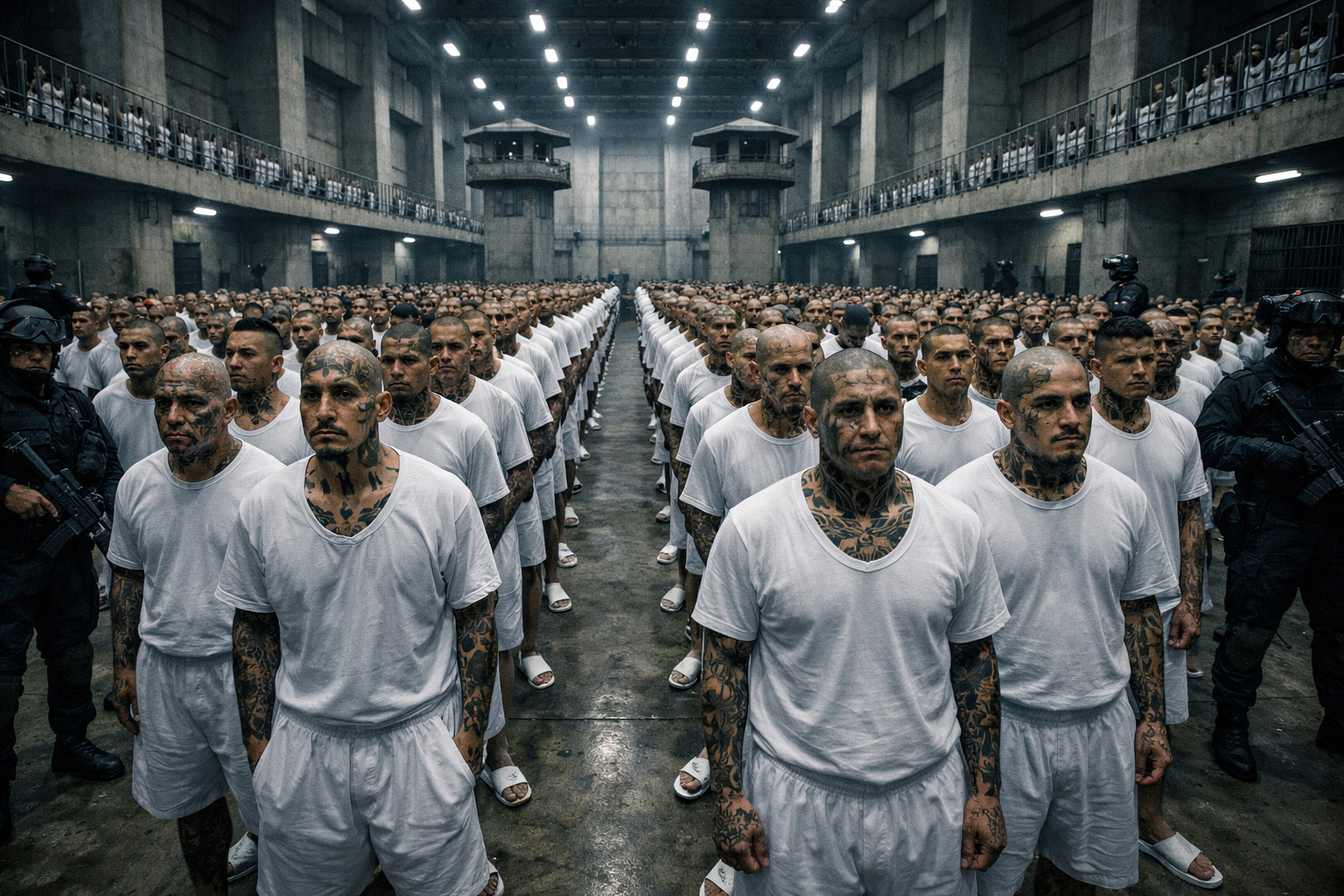
The Construction of a Fortress Against Crime Radically Changed the History of El Salvador, Concentrated the Most Violent Gangs in Latin America in One Place, and Redefined the Concept of Public Safety in the Western Hemisphere
For decades, El Salvador was among the most violent countries on the planet. Murders, extortion, kidnappings, and rapes were part of the population’s daily routine, dominated by the terror imposed by gangs that controlled entire neighborhoods, deciding who lived or died and turning the country into a global reference for organized crime. However, this scenario began to change radically from 2019, when a new president took command of the country and decided to confront the problem head-on.
The information was disclosed by international reports, independent documentaries, and foreign outlets that had unprecedented access to the Salvadoran prison system, showing how the government centralized the fight against gangs through a policy of zero tolerance. Since then, El Salvador has ceased to be the world capital of crime to be among the safest countries in the world, according to recent crime indexes.
At the center of this transformation is a prison that has become a symbol of power, control, and deterrence: the Center for Terrorism Confinement, known as CECOT, now considered one of the most rigorous, secure, and monitored prisons on the planet.
-
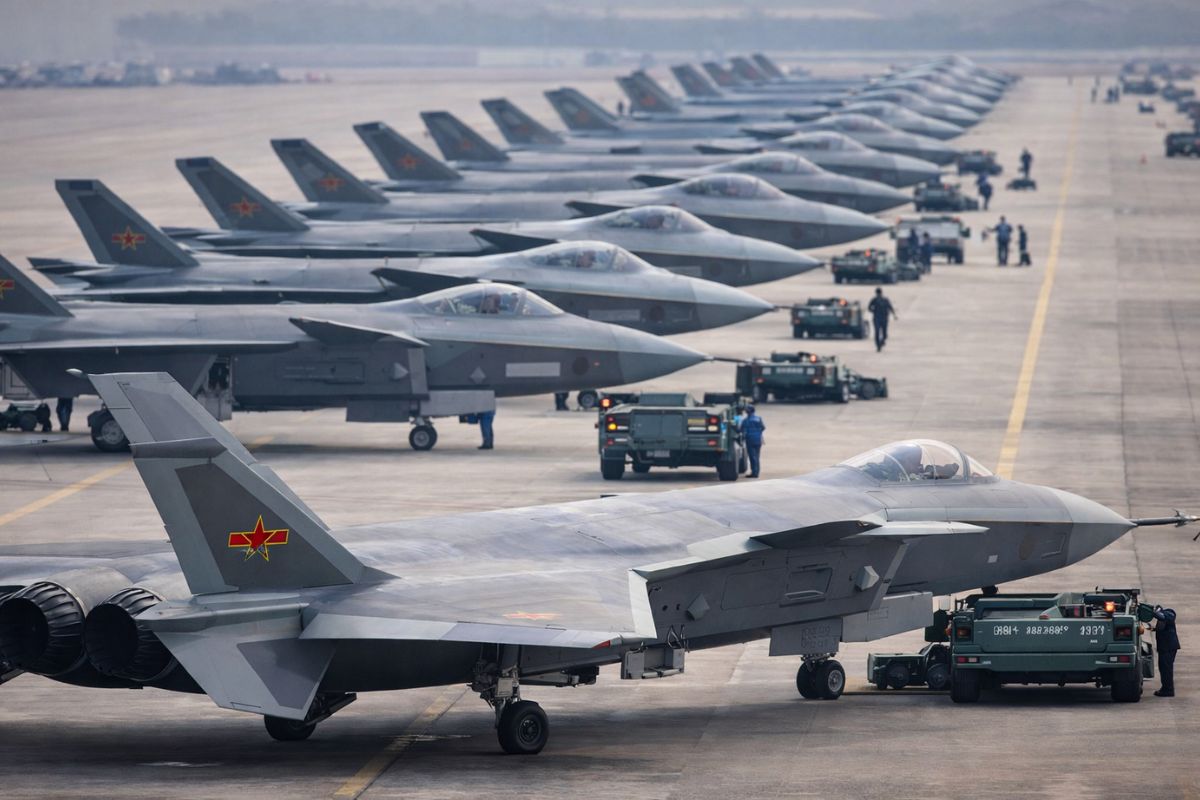
The United States has a serious problem with its F-35s: China is already producing fighters at a pace that exceeds American capacity and could manufacture up to 300 aircraft per year before the end of the decade, shifting the global military balance.
-
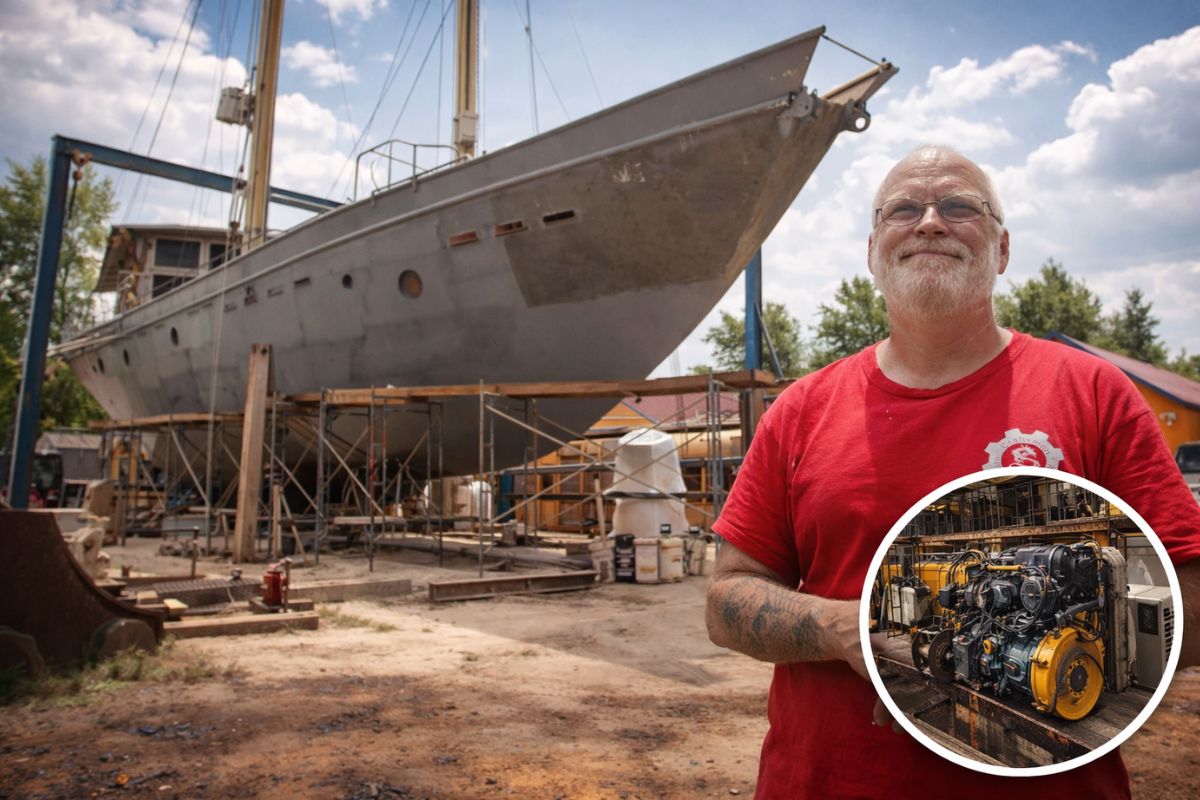
A retired IT professional built a 22-meter boat in his backyard in Oklahoma with a school bus engine, light pole masts, and handmade watertight doors to become the redneck version of Jacques Cousteau.
-
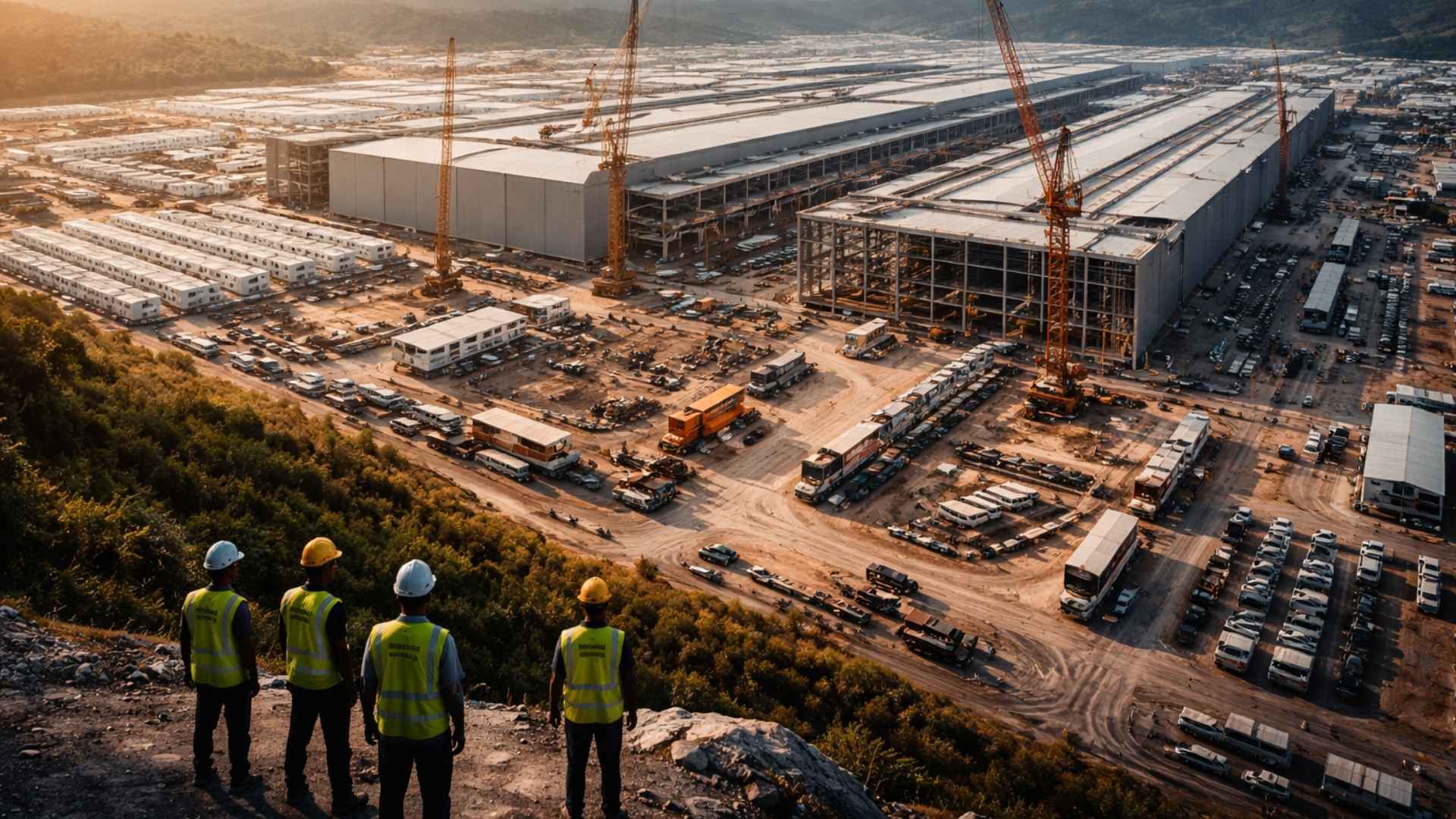
China is building a city in Brazil: a complex with an investment of R$ 5.5 billion comes to light, but allegations involving workers draw attention.
-
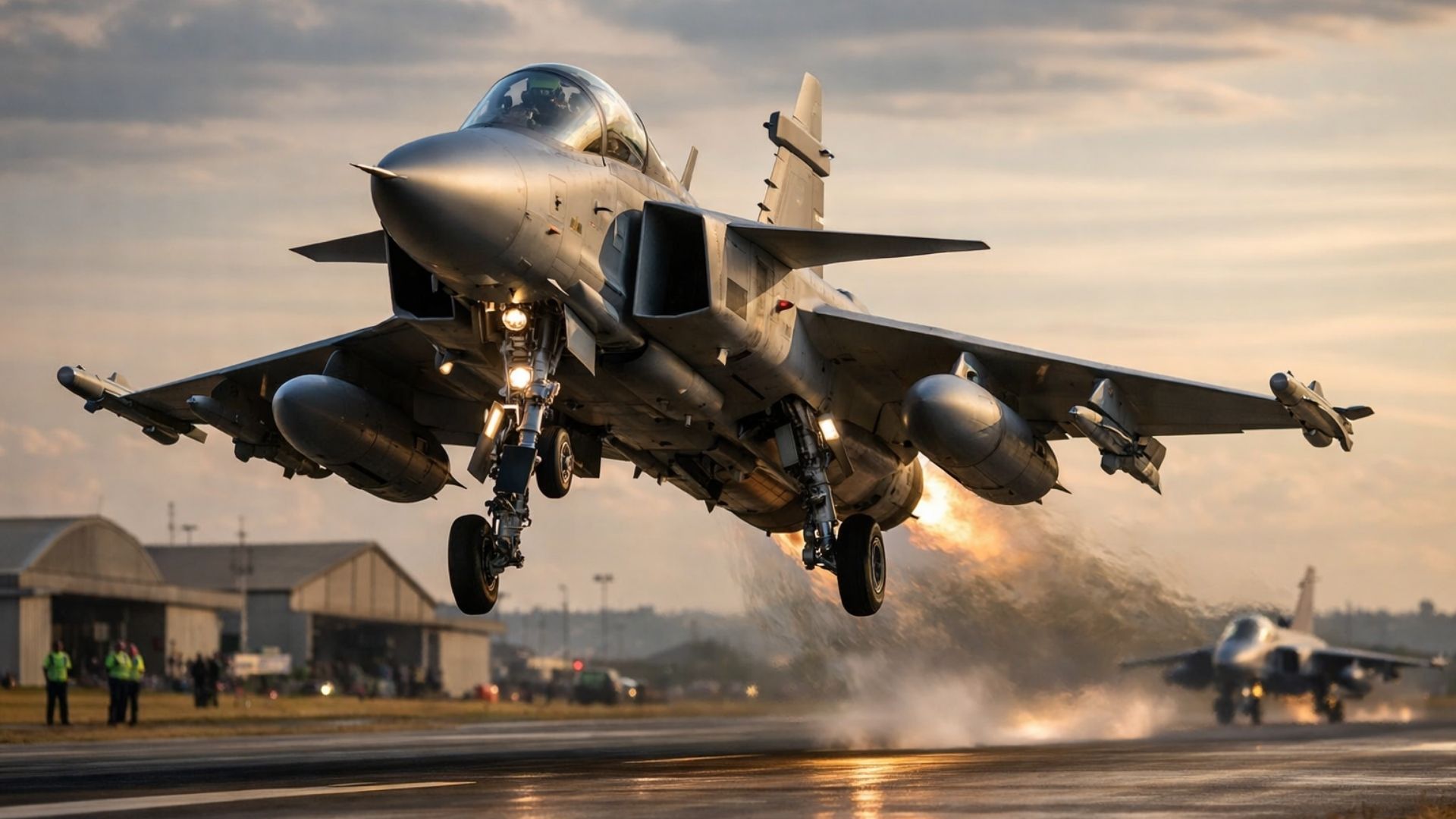
While Argentina buys old war equipment, Brazil is keeping an eye open and joins the select group of nations with advanced military technology by investing $5.2 billion, producing 36 Gripen fighters in the country, and reducing operational costs.

Who is Nayib Bukele and How His Leadership Changed the Country’s Direction
Nayib Bukele, president of El Salvador since 2019, has a background that completely deviates from the traditional Latin American political standard. Of Arab-Palestinian descent, with ancestors who migrated to El Salvador in the early 19th century, Bukele grew up away from the classical political environment. His father, however, was an influential public figure, known as one of the great intellectual leaders of the country.
Upon taking office, Bukele inherited a country held hostage by two of the largest and most violent gangs in Latin America: MS-13 and Barrio 18. These criminal organizations were responsible for thousands of murders, rapes, kidnappings, and extortions, as well as maintaining absolute territorial control over several urban regions.
The turning point came in March 2022, when the government declared a national state of emergency following a brutal escalation of violence. The measure suspended legal guarantees and allowed mass arrests. In just a few months, 64,000 criminals were captured. The impact was immediate but brought a new challenge: where to keep so many members of the continent’s most dangerous gangs incarcerated.


CECOT: The Largest and Most Monitored Prison in Latin America
It was in this context that the Center for Terrorism Confinement (CECOT) was born, officially inaugurated in 2023. Built in a record time of just seven months, the prison occupies an area equivalent to eight football fields and has the capacity to accommodate 40,000 inmates, making it the largest prison in Latin America.
The structure was designed exclusively for confinement and control, not for rehabilitation. CECOT has eight giant cell blocks, each designed to house thousands of prisoners. The prison has a single entrance and exit, concrete walls 15 meters high, reinforced fences with barbed wire, and 19 armed watchtowers.
Security is bolstered by 600 soldiers and 250 police officers, along with a military arsenal maintained within the complex. State-of-the-art cameras with facial recognition, motion sensors, and biometric scanners monitor inmates and staff 24 hours a day. According to local authorities, escaping from CECOT is considered impossible.
The inmates arrive without documents, making biometric identification mandatory. Every step within the prison goes through multiple control points, comparable to those in high-security international airports.
The Routine of Inmates and Absolute Control Inside the Cells
Inside CECOT, the regime is extremely strict. The inmates wear completely white uniforms — t-shirts, shorts, and flip-flops — and do not possess any personal items. There are no mattresses, only metal beds. The lights remain on 24 hours a day, preventing inmates from keeping track of time and facilitating constant surveillance.
Each cell has the capacity for 100 inmates, but only has 80 beds, forcing some inmates to sleep directly on the metal structure. There are no blankets or protection against the cold. Prisoners can leave their cells only for 30 minutes a day, exclusively for bodyweight exercises.
Family visits are prohibited. Communication with lawyers occurs only via video conference, within the prison itself. Trials are also conducted remotely, as inmates are not permitted to leave the complex under any circumstance.
The medical system operates internally, with nurses and doctors present daily, as inmates cannot be transferred to external hospitals. Any violation of the rules results in solitary confinement, where the inmate remains for up to 15 days, without natural light, receiving only basic meals of beans and rice.
Rival Gangs, Tattoos, and the End of Power Outside the Bars

One of the most symbolic aspects of CECOT is the fact that members of MS-13 and Barrio 18, historically enemies, are now imprisoned together, sharing the same space. Tattoos are used as the primary form of identification. The police maintain a complete catalog of symbols, allowing for the immediate arrest of anyone associated with the gangs.
Many inmates carry tattoos of tombs, skulls, numbers, and names that represent murders committed or dead members. In interviews conducted inside the prison, criminals confessed to homicides ranging from five to over 30 murders, as well as kidnappings and rapes.
One inmate reported joining the gang at the age of 11. Now sentenced to over 100 years in prison, he claims to feel remorse, crying at night, but acknowledging that “it’s too late.” The permanent confinement at CECOT effectively represents an indirect life sentence.
Political Impact, Popular Approval, and Lessons for the World
When Nayib Bukele took power, his approval was around 50%. After the implementation of the state of emergency and the construction of CECOT, crime rates plummeted. In 2024, Bukele was reelected with a historic victory, achieving 85% of the votes.
Today, El Salvador is frequently cited as the safest country in the Western Hemisphere, according to official data. Streets once dominated by gangs are once again frequented by families, merchants, and tourists. For many Salvadorans, the firm-handed policy has restored something that had disappeared for decades: the sense of security.
CECOT has become not just a prison, but a dissuasion tool, conveyed to the world as a clear warning that the state has regained control. The strategy is divisive internationally, but the practical results are undeniable.
The question that remains is: to what extent are extreme measures justifiable to restore peace to an entire country?




-

-

-

8 pessoas reagiram a isso.