





 English
  Francês
  Alemão
  Italiano
  Japonês
  Norueguês
  Portuguese
  Spanish
  3 min of reading


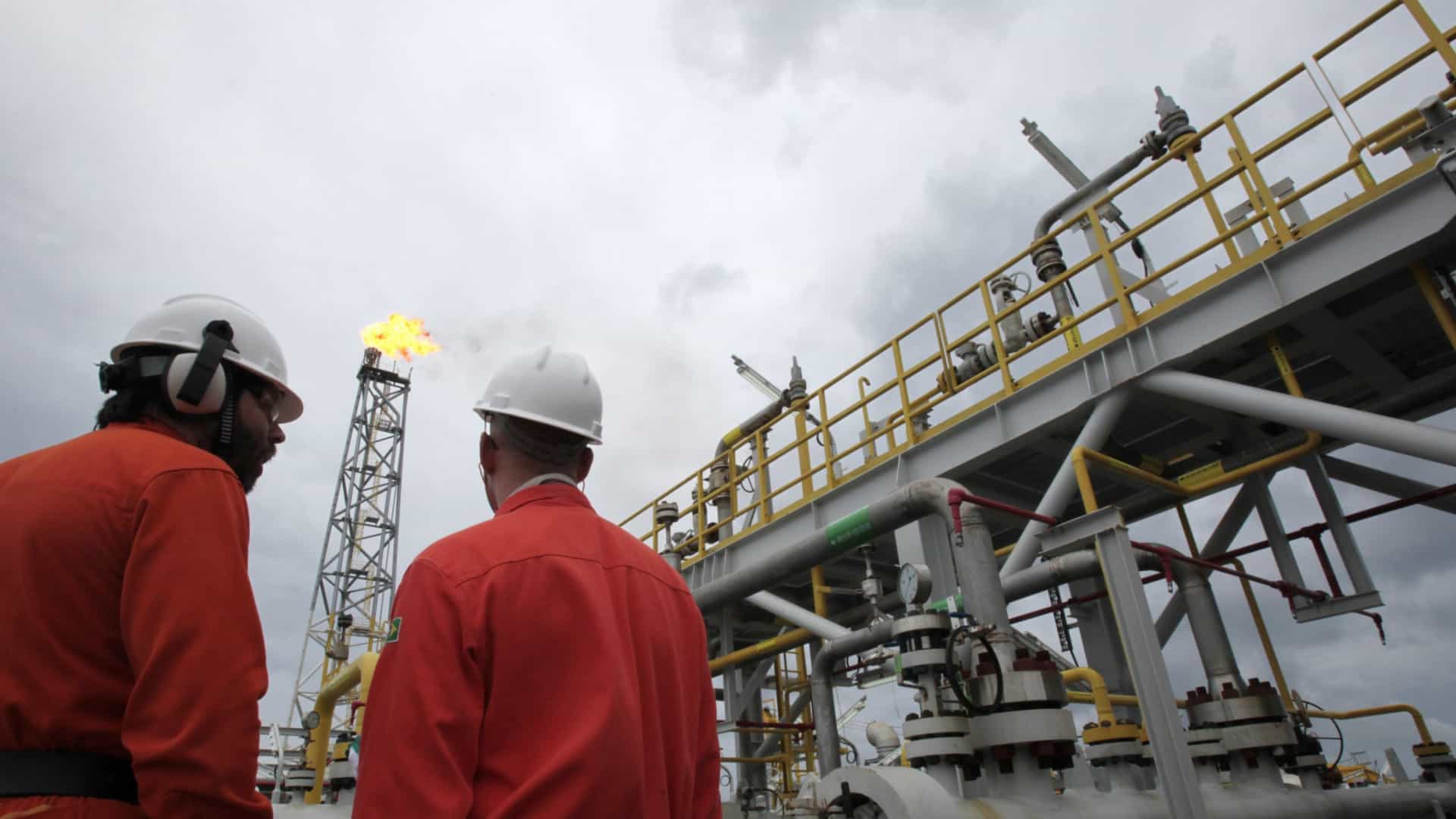
The Greater the Lack of Infrastructure in the Sector, the Higher the Volume of Natural Gas Reinjected into Oil Wells, Says Bulletin from the Ministry of Mines and Energy
The Monthly Monitoring Bulletin of the Natural Gas Industry from the MME released in April pointed out a concerning fact: from 2006 to April 2020, the country reinjected 101.3 billion m³ of natural gas into oil wells, which means 56 million m³ of natural gas reinjected daily, accounting for 45% of total national production.
Also Read
- Two Hydroelectric Plants in Tocantins Are Considered the Best in Brazil by ANEEL
- Engeman Macaé Starts July with Curriculum Registration for Onshore and Offshore Positions with a 21 x 21 Shift.
- A Company of the Edison Chouest Group Started Yesterday (31/06) Curriculum Registration for Offshore Positions at the Açu Port, Rio de Janeiro
Just to give an idea, the volume is higher than the daily supply of gas to the market, which is 45.6 million m³. The main reason, according to specialists, is the lack of infrastructure in pipelines and processing terminals, which prevents this volume, mostly sourced from the pre-salt, from reaching the market on the Brazilian coast.
-
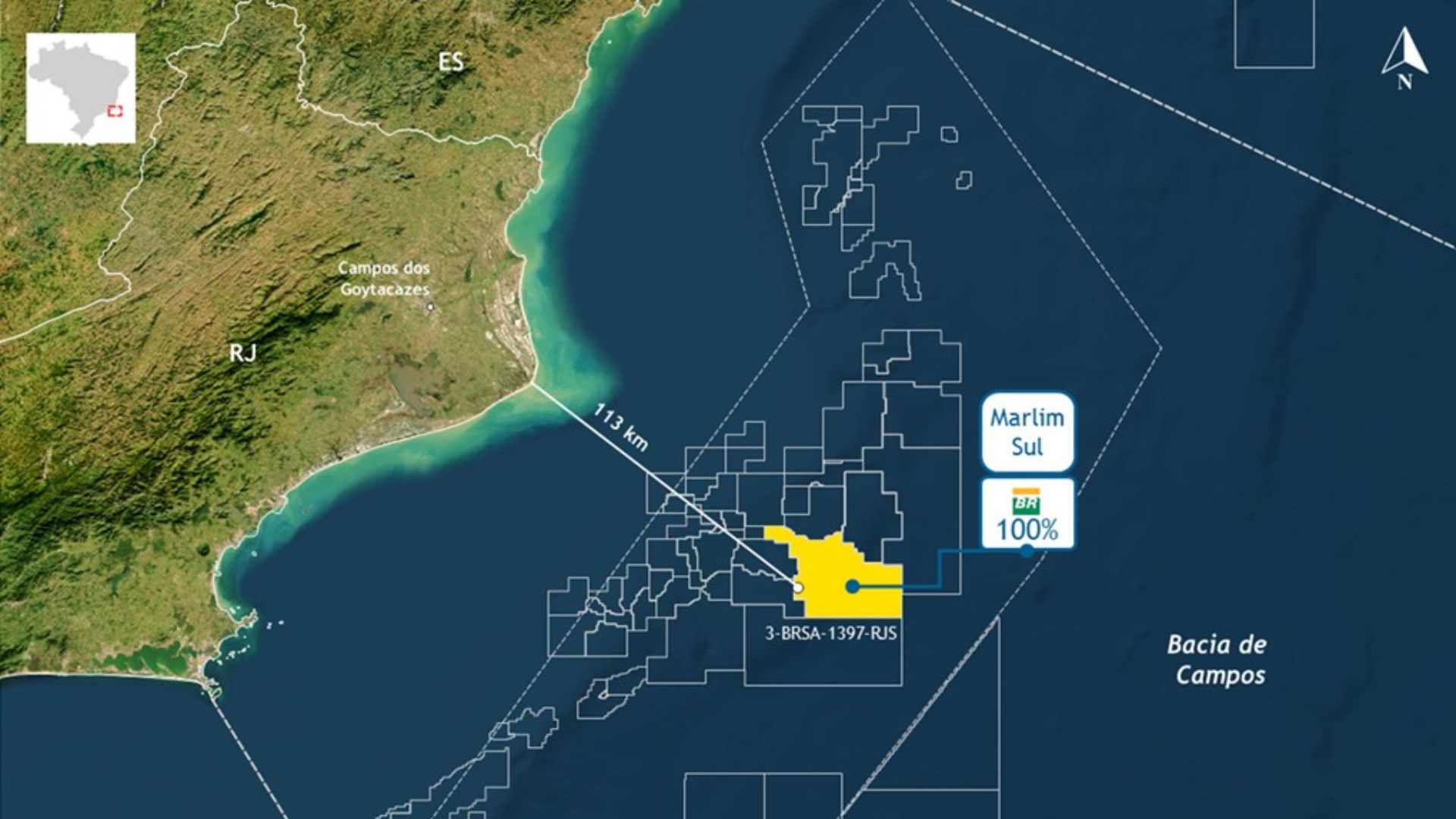
Petrobras finds high-quality oil in the pre-salt at 113 km from RJ and reignites expectations about strategic reserves in the Campos Basin.

-
Ocyan opens registrations for startups focused on innovation in the oil and gas sector and will select projects for Innovation Day with the support of Nexio.

-
Petrobras announces new oil discovery in the pre-salt of the Campos Basin and reinforces Brazil’s prominence with high-quality reserves that can increase production and energy revenues.
-
Alert in the fuel market: Analysts and a former director of ANP warn that oil prices may worsen in the coming months due to global instability.

According to Luiz Costamilan, Executive Secretary of Natural Gas at IBP (Brazilian Institute of Oil, Gas and Biofuels), “We must find the logistics for the drainage and treatment of natural gas that minimize investment costs in these infrastructures. The drainage of gas from the pre-salt is done through 3 submarine routes. Routes 1 and 2 are operational and are owned by various operators, and route 3 is under construction with operations expected to start in the 4th quarter of 2021.”
The lack of a drainage network for natural gas from the pre-salt prevents revenue generation for the country, as there is little interest from companies in the sector when it is clear that there is much to be done regarding infrastructure.
As a result, Brazil is forced to import natural gas. It’s worth noting that in June 2019, the government announced the opening of the new natural gas market.
New Natural Gas Market
According to the government, the price of energy for the industry could drop by 40% in about 2 years; however, this decrease has not reached consumers, although government officials claim that work is in progress, as stated by the Director of the Natural Gas Department of the Ministry of Mines and Energy, Symone Christine de Santana Araujo, “The opening of the market and the reform of the legal and regulatory frameworks, underway, will provide a more favorable business environment for investments and competition.”
Petrobras has already stated in a note the actions it has taken to contribute to increasing the competitiveness of the sector.
“Several gas transportation assets owned or in which the company has a stake are for sale, the process of leasing the LNG Regasification Terminal in Bahia, and negotiations for other companies to access its natural gas processing plants. We have also reduced the volume of gas contracted with YPFB in the Bolivia-Brazil pipeline. This allows the excess volume of natural gas to be marketed directly by YPFB with other market players in Brazil.”
Read the full report of the MME









Seja o primeiro a reagir!