





 Portuguese
  English
  Spanish
  3 min of reading
  0 comments


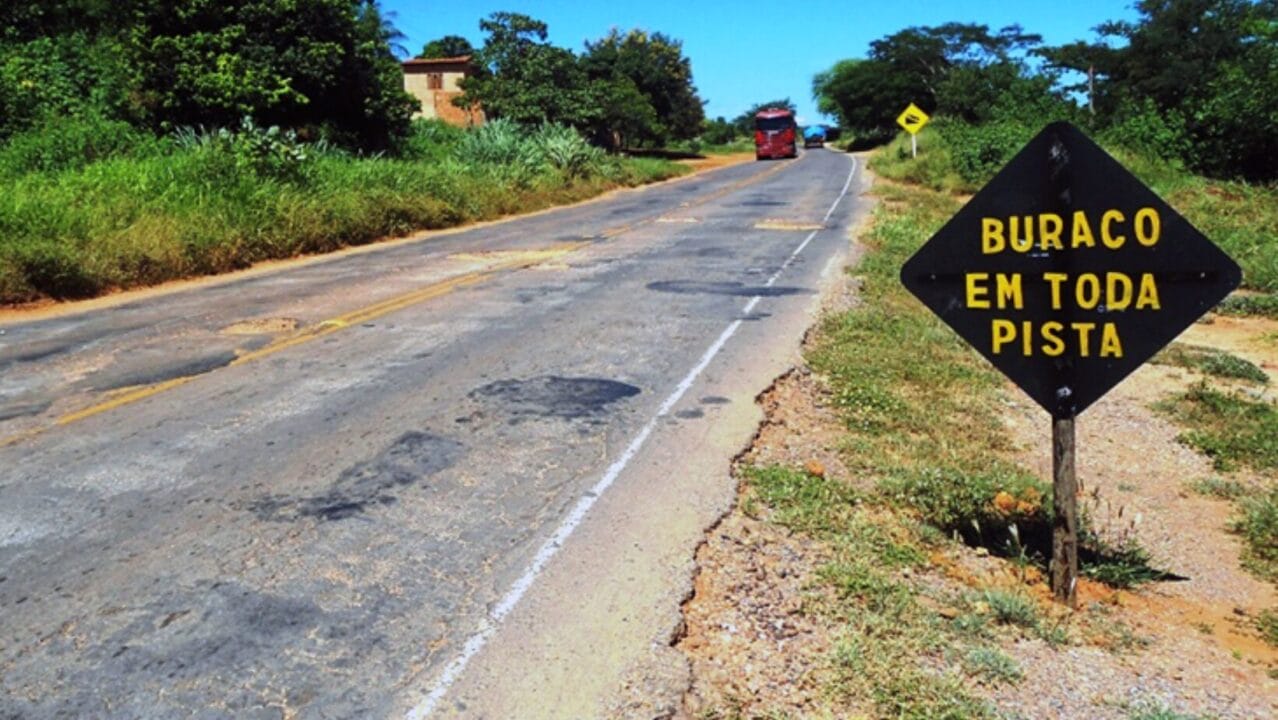
The Asphalt in Brazil Is the Second Worst in the World, According to an International Study. The Lack of Maintenance, Investments, and Planning Are the Main Causes.
A recent study conducted by the portal CupomVálido in partnership with the OECD and the British portal Compare The Market revealed that Brazilian asphalt is considered the second worst in the world, only behind Russia. Contradicting the idea that the problem lies in the material used, some experts highlight the lack of maintenance and investments as the main causes of the poor quality of national asphalt. The solution pointed out by researchers is public policies that guarantee investments in infrastructure. Only then can Brazil’s roads improve in the future.
See: Why Is Brazilian Asphalt So Bad?


Brazilian Asphalt Ranks Second Only to Russia on the List of the Worst in the World
The lack of infrastructure and the poor quality of asphalt on Brazilian roads is becoming a highlight worldwide.
A recent study conducted by the portal CupomVálido in partnership with the Organization for Economic Cooperation and Development (OECD) and the British portal Compare The Market stated that Brazilian asphalt is considered the second worst in the world, only behind Russia.
-
Pharmacy inside the supermarket: what changes now in your purchase, why medicines won’t go on the shelves, which rules remain strict, mandatory pharmacist, separate space, controlled storage, more convenience and competition in the country.

-
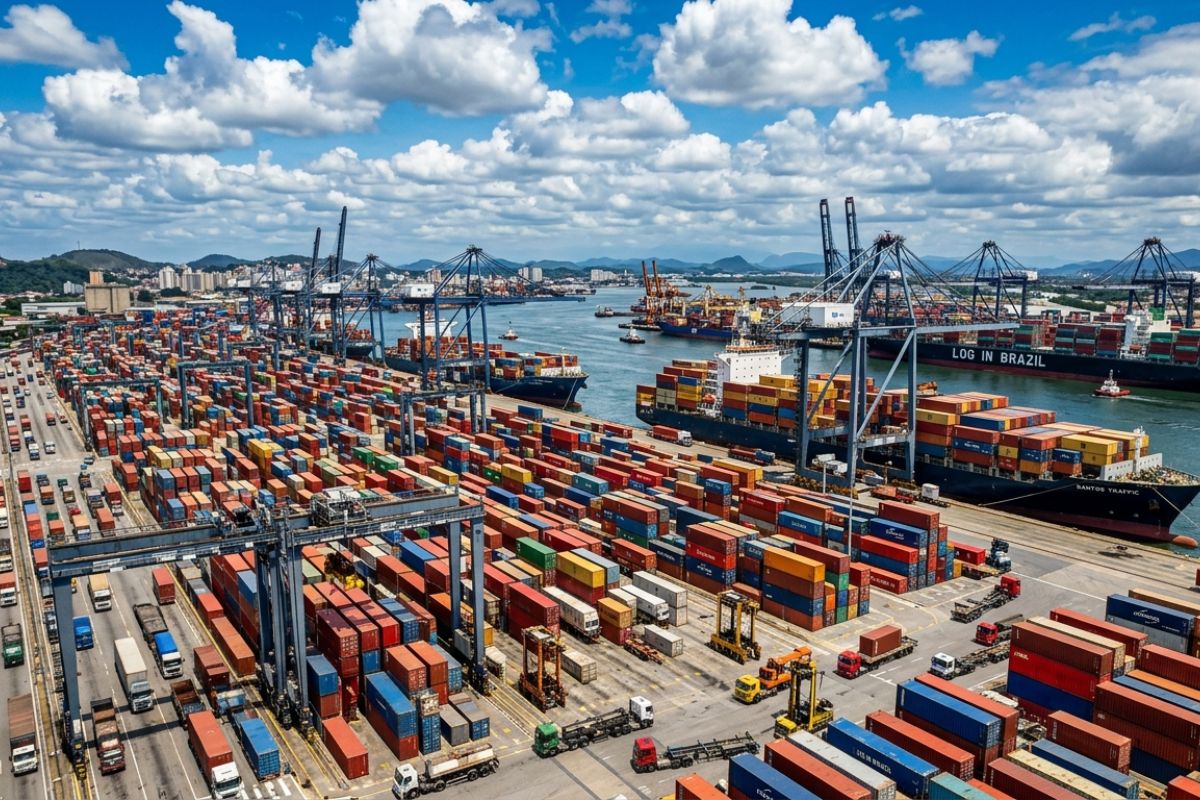
Ports like Santos and Paranaguá are operating at their limits and may block containers as early as 2030, warns a study by Macroinfra; bottlenecks increase costs and delays and push cargo to Rio, Salvador, Pecém, and Suape across Brazil.
-
Lula reveals in an interview that he asked President Xi Jinping three times to invest in a major project in Brazil, the Salvador-Itaparica bridge, which is set to begin in June with the participation of a Chinese consortium and is expected to be extraordinary, according to the president.

-
Neighboring city of Belo Horizonte has properties starting at R$ 139,000 with 90 m² and a price per square meter much lower than the capital, even concentrating automotive, petrochemical, and logistics hubs.

Although many drivers believe that the problem is the material used, some experts assert that the poor quality of Brazilian asphalt is not related to the raw material itself.
The superintendent of the Brazilian Association of Asphalt Distributing Companies (Abeda), Diego Ciufici, explains that wear and lack of maintenance are the main causes of the poor quality.
Additionally, Brazil still faces a significant challenge due to the high demand for asphalt. With 75% of national production being transported by highways, the country struggles to maintain quality due to road network saturation.
The lack of adequate investments also worsens the situation, resulting in highly worn roads.
Problems on Brazilian Roads Go Beyond the Production of the Product
Although asphalt is essential in paving, it is just one part of the process on Brazilian highways, being only one of the causes of the poor national infrastructure.
According to Ciufici, asphalt acts as a binder, being a small fraction of the materials used.
Moreover, Professor Kamilla Vasconcelos Savasini from the Pavement Technology Laboratory at USP highlights that structural problems, such as potholes, can arise from design flaws, such as the lack of provisions for adverse weather conditions.
Savasini emphasizes that the material used in production is constantly the subject of research for improvements.
However, the major challenge lies in the correct implementation of these sustainable techniques in pavements and the lack of investments for this.
Thus, the key to better quality asphalt lies in public policies that ensure investments in infrastructure.
Ciufici highlights the importance of planning, allocation of investments, and execution of plans, going beyond temporary measures.
In response to the scenario, the National Department of Transport Infrastructure states that it regularly monitors the roads. It remains for drivers across Brazil to await investments in quality and infrastructure.
Source: Olhar Digital







Seja o primeiro a reagir!