





 Portuguese
  English
  Spanish
  4 min of reading
  0 comments


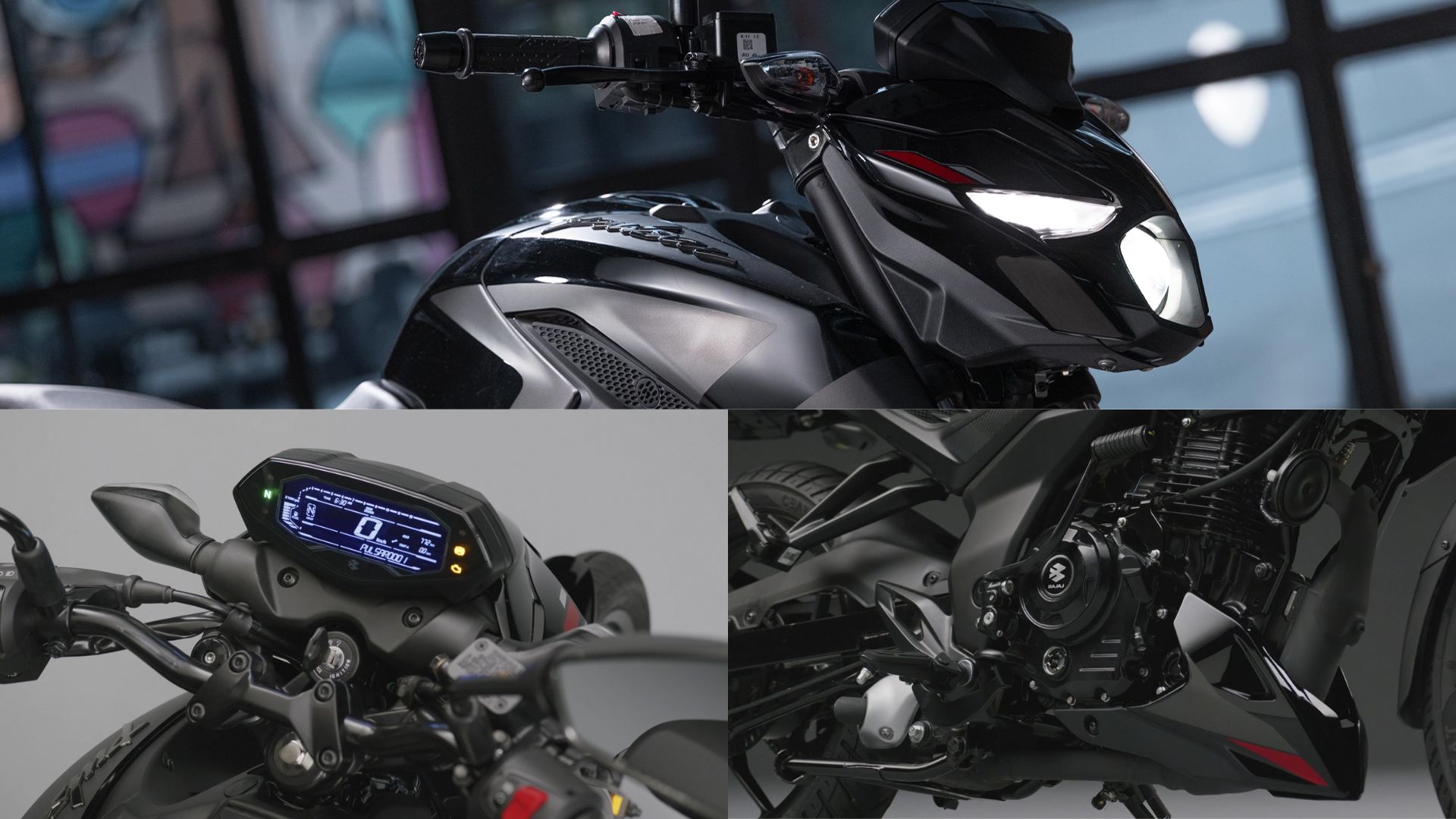
With Consumption of Up to 50 Km/L and a 14-Liter Tank, the Bajaj Pulsar N150 Arrives in Brazil in 2025 with ABS, Digital Dashboard, and Competitive Price, Aiming for Space Among Established Rivals in the Urban Motorcycle Segment.
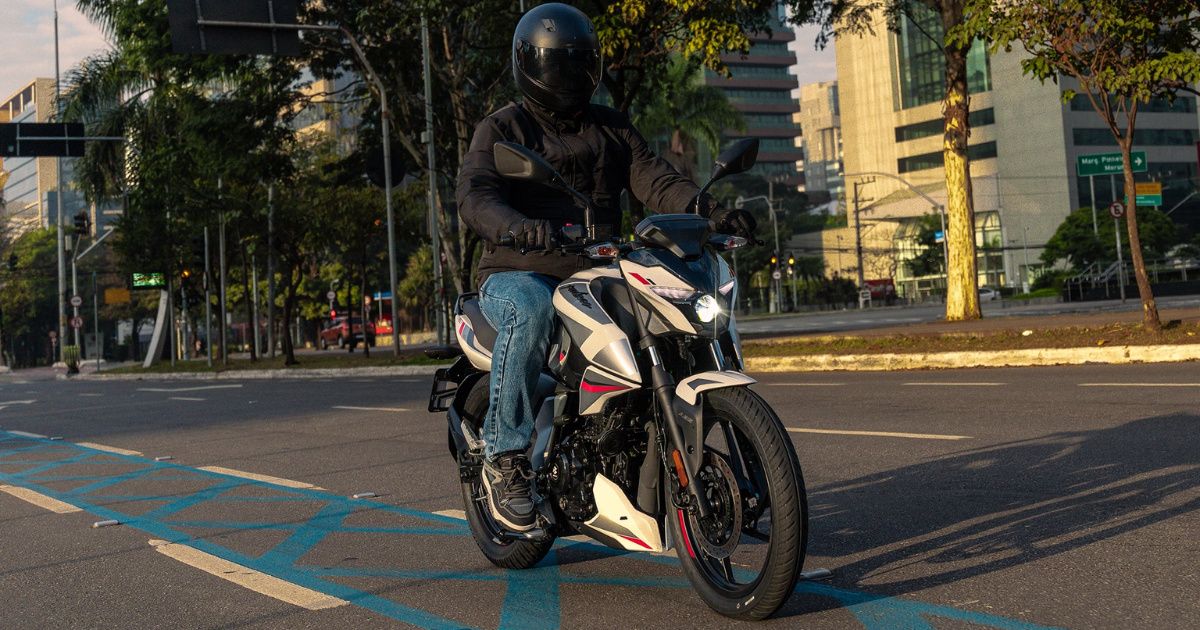
Bajaj started selling the Pulsar N150 in Brazil in June 2025 with an urban proposal, with autonomy that can reach around 700 km per 14-liter tank and a package of equipment above the average for the segment, including front ABS and digital dashboard with Bluetooth.
The suggested retail price at launch is R$ 16,300, including freight, positioning the model as a direct alternative to the leaders Honda CG 160 and Yamaha Factor.
Price and Market Position
Although communication on social networks and retail sites presents various offers, the official value disclosed by the brand is R$ 16,300.
-
A 250cc motorcycle that can reach 560 km with a 14-liter tank, features disc brakes on both wheels and is among the most well-known in Brazil.
-
Man finds over 200 rare cars abandoned on a lot and tries to do the impossible in 8 hours with a surprise at the end.

-
An irregular parking case gains attention after a Mercedes Classe A was removed in such a strange way that it even raised doubts about damage to the car.

-
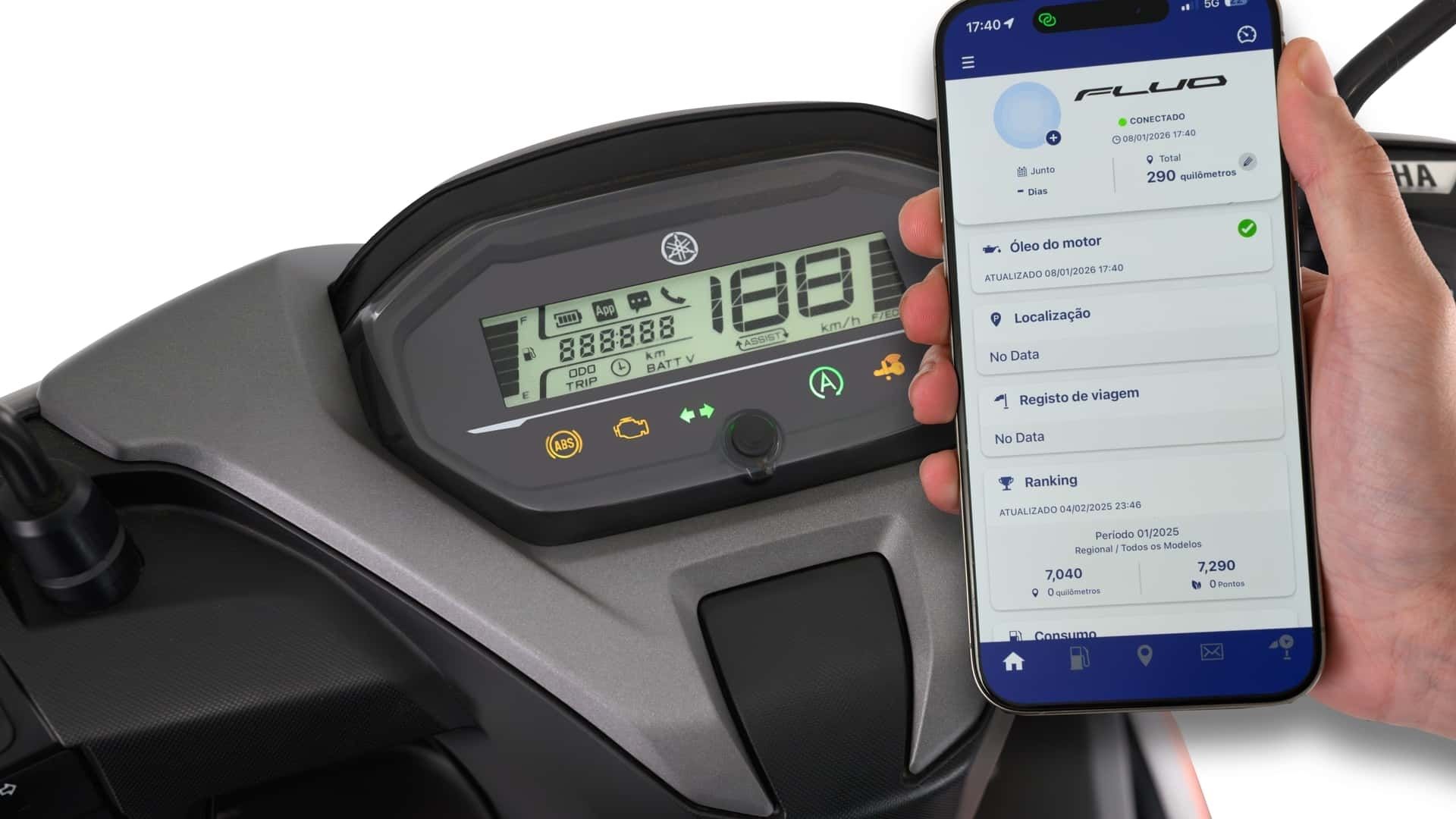
Costing R$ 16,000, the new Yamaha features a 125 cc hybrid engine with electric assistance, delivers 8.3 hp, includes ABS, optimized fuel consumption, Y-Connect connectivity, 25 liters of storage space, and a surprising 4-year warranty in the urban segment.

Thus, the N150 debuts as Bajaj’s cheapest motorcycle in the country and aims for daily professional use.
At the same time, the Honda CG 160 Start had a suggested price “starting at R$ 16,440” excluding freight, while versions of the Yamaha Factor 150 were priced above R$ 17,000, depending on the configuration.
Consumption and Autonomy
The estimated consumption for the N150 varies around 48 to 50 km/l, according to market data and specialized publications.
With a 14-liter capacity, the theoretical autonomy reaches up to 700 km, depending on driving style and conditions of use.
The proposal prioritizes low cost per kilometer and longer intervals between refuels, points appreciated by those who frequently drive in the city.
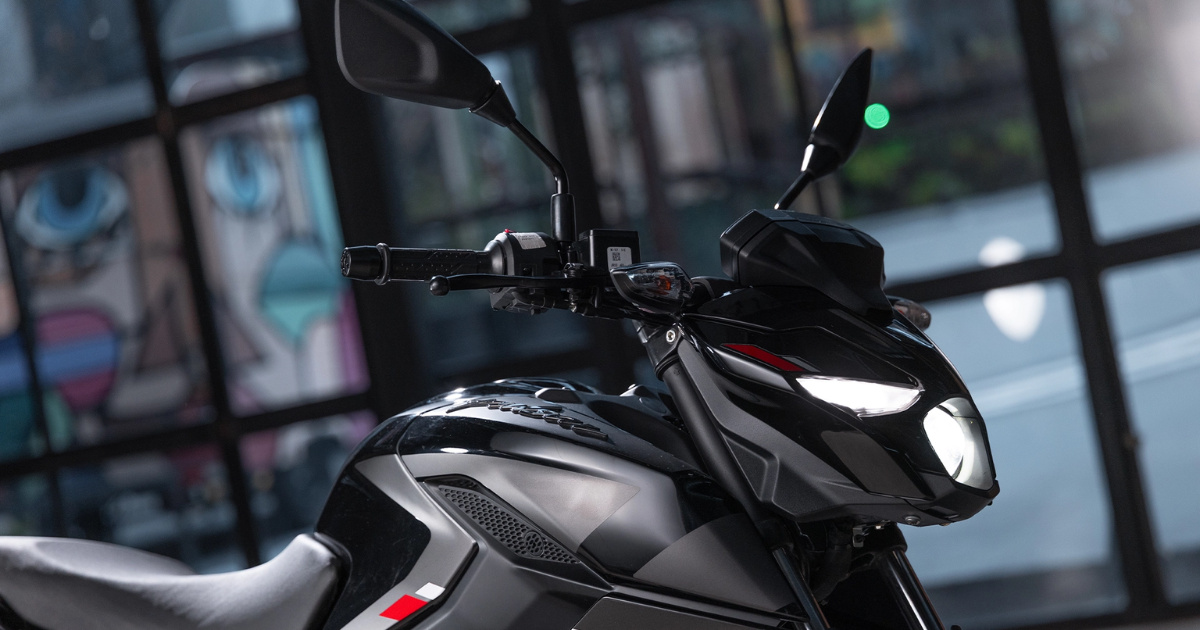
Safety Equipment and Connectivity
The most visible technical difference in the category is the front disc brake with single-channel ABS, a feature that is uncommon among direct competitors, who generally use combined systems (CBS/UBS).
The N150 also features full-LED lighting, USB port on the tank, and a digital dashboard with app connectivity for access to calls, notifications, and consumption data.
Engine, Performance, and Gearbox
The single-cylinder engine of 149.68 cm³ delivers 14 hp of maximum power at 8,500 rpm and 1.38 kgfm of torque at 6,000 rpm, with a 5-speed transmission and electronic injection.
The delivery is suitable for urban use, with sufficient response for accelerations and climbs on congested roads.
The difference from the figure of “14.5 hp” seen in international materials arises from measurement standardization (PS) and local adjustments; in Brazil, the technical sheet indicates 14 hp.
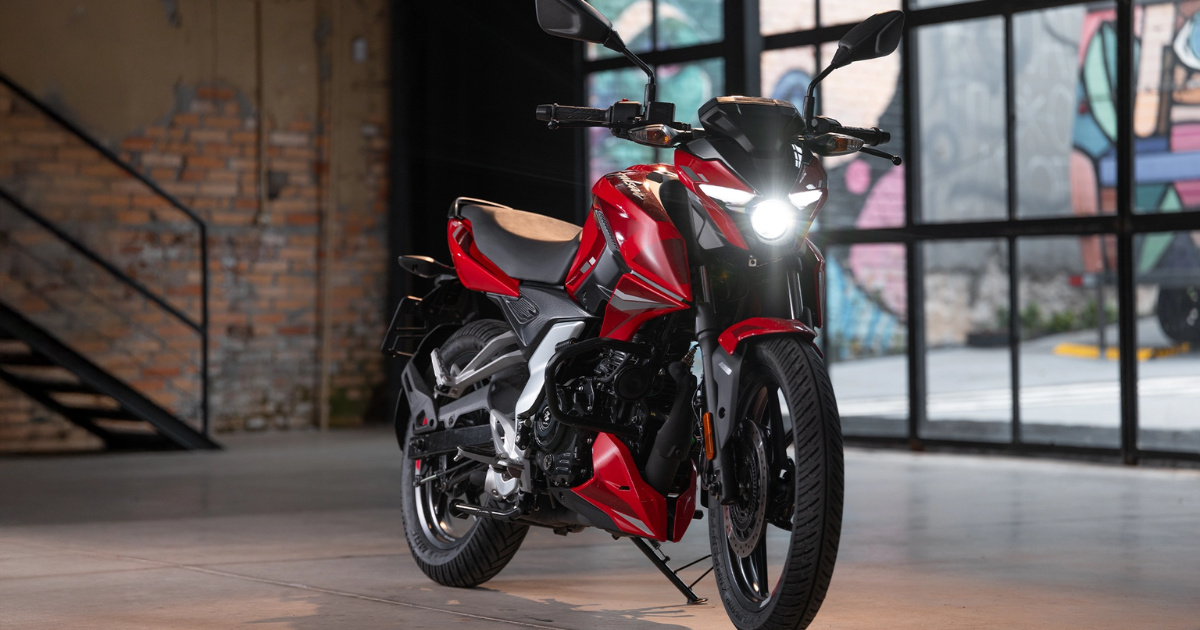
Chassis and Dimensions
The N150 uses a perimeter steel chassis and monoshock rear suspension, solutions aimed at robustness and stability.
The lightweight alloy wheels with 17-inch rims equip 90/90 tires in the front and 120/80 tires in the rear, both tubeless.
In running order, the weight is 145 kg.
Ergonomic measurements include a 790 mm seat height, 1,352 mm wheelbase, and 165 mm ground clearance.
Direct Competitors: CG 160 and Factor
On Bajaj’s radar are the top-selling models.
The CG 160 Start, a reference among work motorcycles, offers CBS brakes and a 162.7 cm³ engine, with a similar suggested price, but without ABS.
The relevant Yamaha Factor today is the 150, not the 125i mentioned in old titles and references; the 125i has been discontinued, and the current lineup focuses on the 150 series, known for its fuel efficiency and digital dashboard.
With this, the N150 competes for an audience that prioritizes operational costs but seeks superior safety and connectivity features.
Warranty, Reviews, and Network
Bajaj communicates a three-year warranty for its models in Brazil, with no mileage limit, respecting the maintenance plan.
For the N150, a plan for fixed-price reviews has been disclosed, with scheduled inspections at 1,000 km, 5,000 km, 10,000 km, and so on, following the public service table.
These conditions tend to facilitate the planning of those who use the motorcycle for daily work.


Who Is It Most Suitable For
The Pulsar N150’s proposal caters to those who need efficiency in their daily life, without sacrificing modern safety and information elements.
On long urban routes, the combination of low consumption, 14-liter tank, and front ABS reduces stops and increases predictability.
For profiles that value connectivity in the dashboard and LED lighting from the entry-level version, the N150 tends to stand out against traditional rivals.
What to Consider Before Buying
Even with a competitive price, it is important to compare the total cost of ownership among the options.
The CG 160 Start maintains a wide network and resale reputation; the Factor 150 remains strong in terms of fuel efficiency and parts availability.
The N150 offers ABS, Bluetooth, and perimeter chassis — items that may weigh in favor for intensive use.
Test rides, financing simulations, and checking local insurance and after-sales conditions help to decide based on your usage profile.
In this scenario, the presence of ABS, a connected dashboard, and high autonomy make the Pulsar N150 a real alternative to traditional leaders; for your daily commute, what weighs more on the balance: extra safety equipment or lower initial price?






-

-

-

-

-

-

174 pessoas reagiram a isso.