





 English
  Francês
  Alemão
  Italiano
  Japonês
  Norueguês
  Portuguese
  Spanish
  3 min of reading


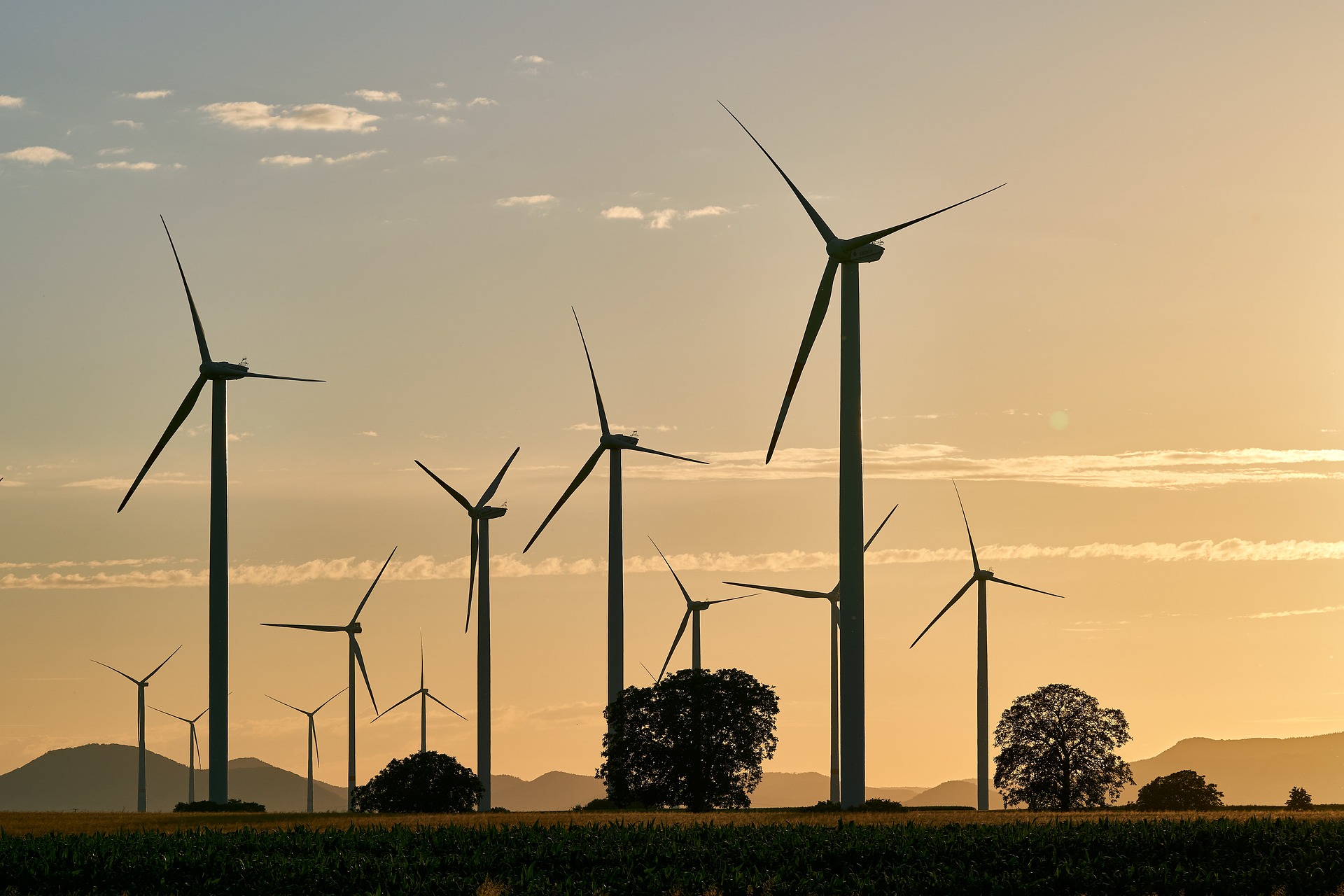
Wind Energy Requires Much Greater Investment Than Solar Energy, In Addition to Noise Pollution Generated in the Environment. These and Several Other Factors Will Cause It to Start Losing Market Space to Photovoltaic Panels.
Brazil is one of the largest references when it comes to sustainable energy matrix: it is estimated that at least 45% of all sources are renewable, and this percentage will increase as new investments are made by private companies. However, due to the high cost of the initial manufacturing of wind energy towers, they are losing space to solar energy.
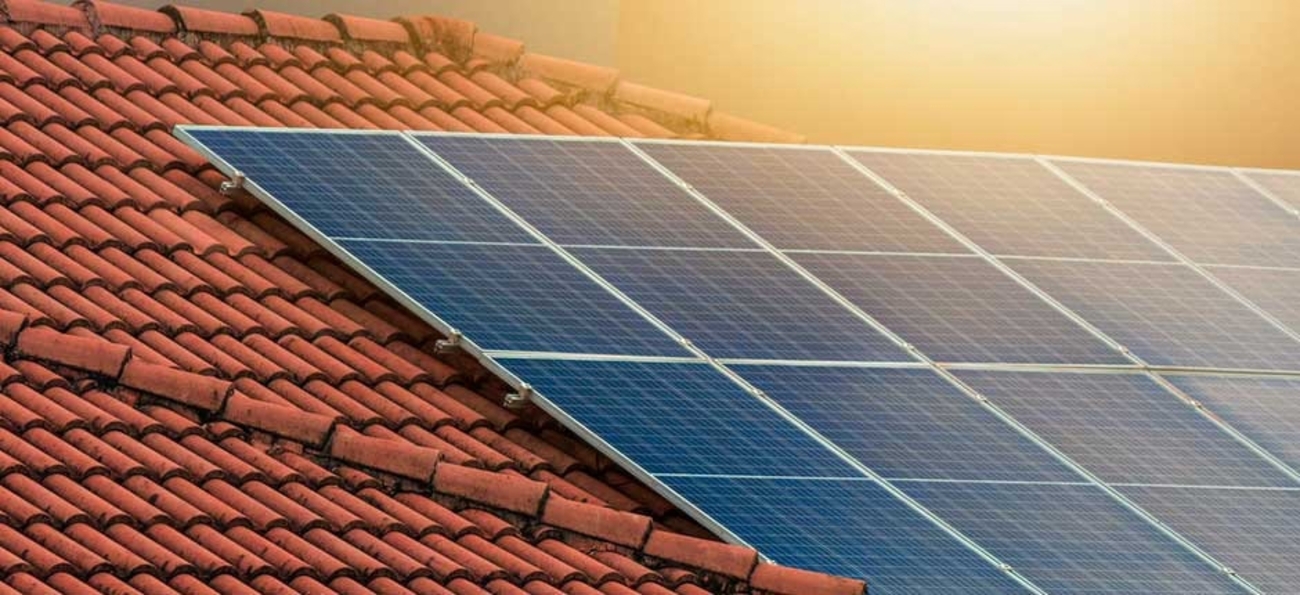
Currently, agribusiness has been one of the sectors that stand out the most regarding the use of solar energy. Data shared by Neosolar shows that more than 29,000 systems were installed in the field last year. Currently, agribusiness is responsible for just over one-fifth of the entire Gross Domestic Product (GDP), directly impacting several areas of the economy.
According to NeoSolar consultant Alex Zuboski, solar energy is being used by the sector for numerous purposes, from refrigeration, which helps preserve food, to the nurseries and greenhouses for animals.
-
With 160,000 m² of collectors, an area larger than 20 football fields, Silkeborg, in Denmark, hosts a solar thermal plant that heats 19,500 homes and could become the largest solar heating plant in the world.

-
A study reveals the expansion of renewable energy procurement in Brazil and shows how companies are taking advantage of opportunities to reduce expenses, ensure energy efficiency, and strengthen strategic environmental commitments.

-
Roraima bets on the sun to escape high tariffs: Amid the energy crisis and price hikes, solar energy is growing in Roraima and transforming consumption in the North region.
-
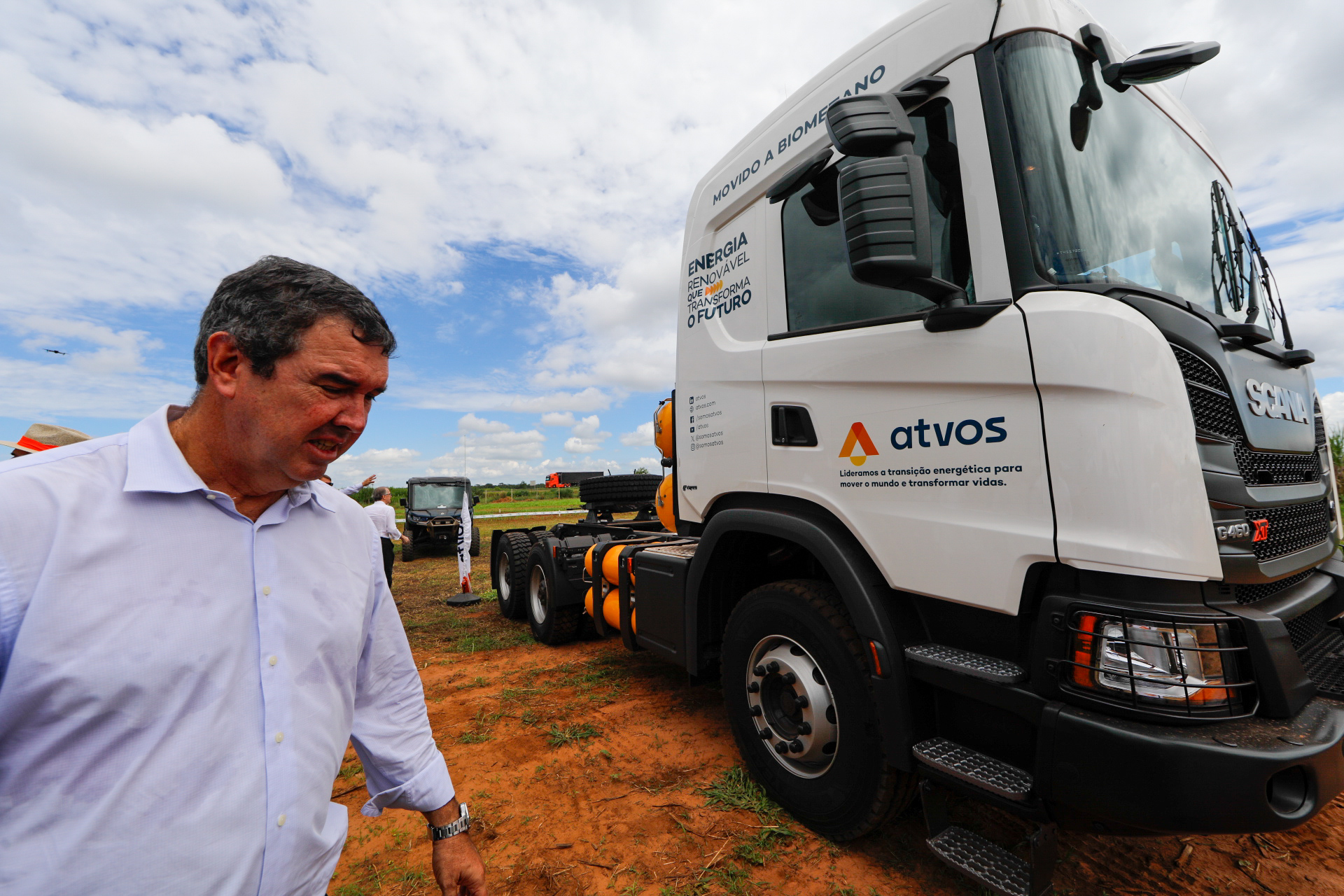
Mato Grosso do Sul excels in the sugar-energy sector: the state reaches a milestone of 22 operating mills and accelerates the production of clean energy in MS with a focus on sustainability.

Engineers Are Positive About Energy Transition and the Use of Solar Energy in Brazil
Prof. Carlos Cerqueira, a professor of Production Engineering at ESEG – College of the Etapa Group, states: “In the composition of the Brazilian electricity matrix, renewable sources stand out greatly. Hydroelectric generation has historically been the most used, corresponding to more than half of the energy generated in the country. In recent years, two other renewable sources have grown significantly: solar energy and wind energy. The reduction in costs, increased efficiency, and tax incentives explain this growth.
Overall, wind energy requires a much higher initial investment, necessitating the installation of large wind turbines in areas with good wind incidence, such as coastal regions. On the other hand, solar panels are smaller (and consequently cheaper) and can be purchased to meet smaller demands, favoring decentralized generation.
Thus, users can acquire solar generators (residential, commercial, or industrial) whose produced energy is combined with the public grid. Decentralization is important as it reduces transmission costs, bringing energy generation closer to the consumption region.
Furthermore, there is a rush to install solar panels to take advantage of tax exemptions nearing expiration, causing solar generation to grow significantly in the last year, with the trend of becoming the second source of electric energy in the country, surpassing wind generation.
It is important to remember that a more diversified electricity matrix increases the country’s energy security, avoiding risks of shortages. Thus, the increase in the production of wind and solar energy reduces the risk of power outages in the event of prolonged droughts, lowering the need for activating thermoelectric plants, which are more polluting and expensive.”
Brazil Has Incentives for Those Installing Photovoltaic Panels by the End of This Year
The Law 14300 provides that Brazilians who install photovoltaic panels for solar energy production by the end of 2022 will be entitled to exemption from ICMS taxes on what is produced for the coming years. This decision has led to a repeated increase in searches for installations and companies in the field.







Seja o primeiro a reagir!