






 Portuguese
  Spanish


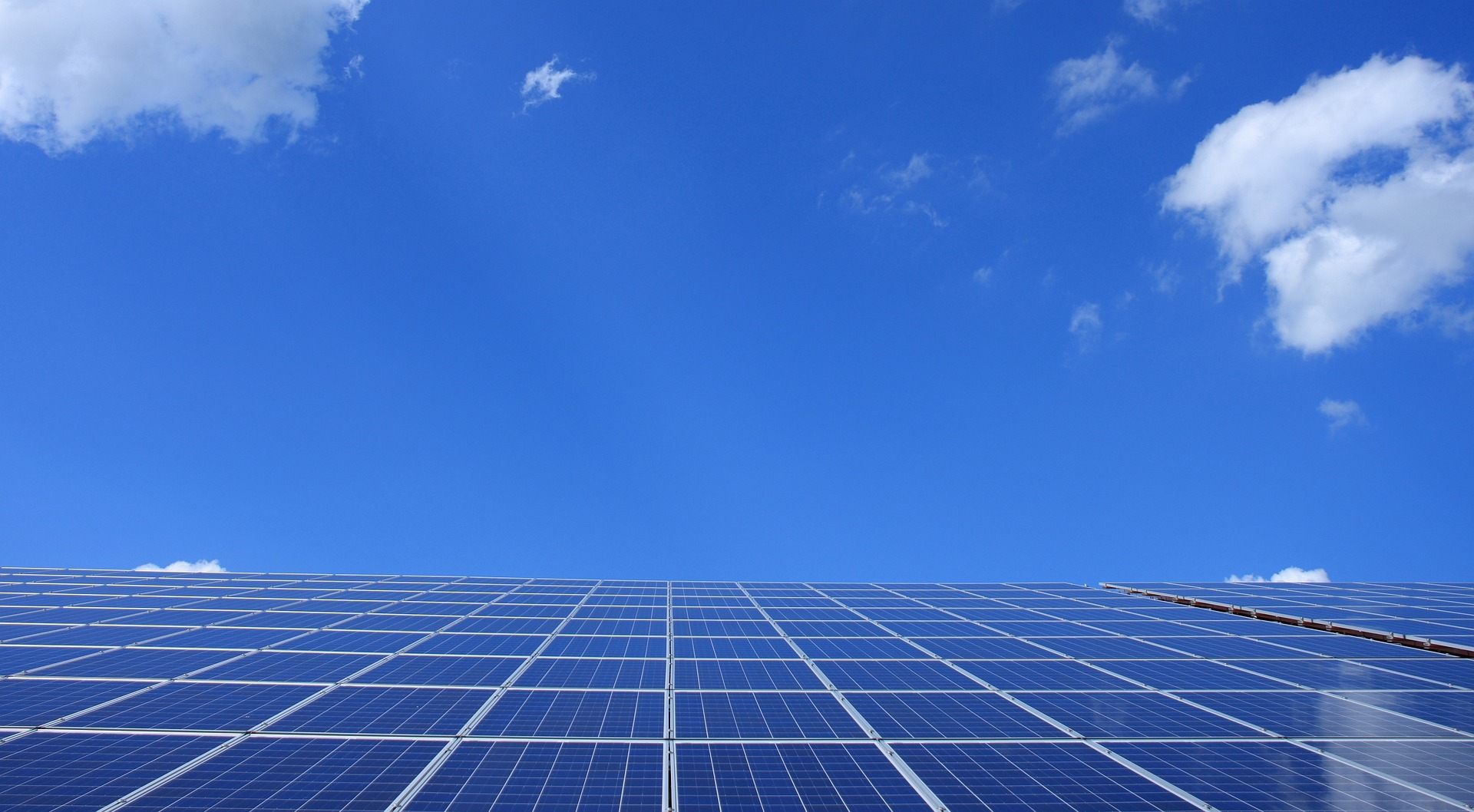

Number More Than Doubled Between 2020 and 2021, Reaching More Than 61 Thousand Installed Systems. They Generate Solar Energy for Various Purposes Such as the Operation of Cooling Equipment in Irrigation, Drying of Crops, Nurseries or Animal Drinkers Up to Energy in Remote Points of the Electric Grid
São Paulo, November 2022 – One of the Most Important Sectors of the National Economy, Agribusiness Was Responsible for 27.4% of Brazil’s GDP in 2021, According to Data from the Center for Advanced Studies in Applied Economics (Cepea), in Partnership with the National Confederation of Agriculture and Livestock of Brazil (CNA). To Maintain the Growth Rate, Relevant Factors Such as the Search for Processes and Technologies That Ensure Progress in Production, as Well as Provide Cost Reduction and Promote Sustainability Are Considered.
As a Result, Investment in Alternative Energy Sources, and the Use of Photovoltaic Solar Energy Has Increased in the Sector, Especially Due to the Financial Impact: Using Solar Energy in Agribusiness Generates Chain Benefits, with Savings in Production and Lower Prices for the End Consumer.
The Importance of Solar Energy
According to the Brazilian Solar Photovoltaic Energy Association (Absolar), Many Brazilians Have Noticed the Importance of Solar Energy in the Sector. In 2020, for Example, Agriculture Was the Third Sector That Most Utilized Photovoltaic Solar Energy in Brazil, with More Than 29 Thousand Installed Systems in the Field. Last Year, the Number Jumped to 61 Thousand.
-
Researchers Turn Discarded Mango Pits into Hydrogel That Absorbs 400% of Its Weight in Water, Offering Agricultural Solution for Droughts and Waste Reuse

-
Flower strips in Brazilian farms become pest control strategy, attracting predator insects and reducing the need for chemical pesticides.

-
Brazilian Startup Turns Coffee Grounds into Plant-Based Leather, Cutting Water Use by Over 50 Times for High-Impact Sustainable Fashion
-
Yara acquires Texas ammonia plant for $1.3 billion, boosting global fertilizer competition with 1.3 million tons annual capacity


“The Use of Solar Energy Is More Common in Residences and Businesses, but Appears in Various Ways in Agribusiness: Use of Equipment for Refrigeration, Irrigation, Drying of Crops, Greenhouse Nurseries, or Animal Drinkers. Another Very Important Option Is When It Provides Energy to Points on the Property That Are Distant from the Electric Grid,” Explains NeoSolar Consultant, Alex Zuboski.
According to Zuboski, Equipment such as Charge Controllers, Inverters, and Batteries Increase Installation Costs, but in the Long Term, the Cost-Benefit Is Worth It Compared to Traditional Energy Supply Systems.
“Besides the Efficiency of Systems, Savings on Electricity Bills Are the Main Advantage Offered to Rural Producers, Who Also Experience Lower Maintenance Requirements Compared to Other Sources of Energy,” He Adds.
Types of Systems and Components
In Agriculture, On-Grid Systems, Which Are Connected to the Electric Grid, and Off-Grid Systems, Which Do Not Need to Be Connected to the Electric Grid and Directly Power the Devices Using Energy, Can Be Used.
Another Option Frequently Used by the Agribusiness Sector Is Solar Pumps. Unlike Conventional Pumps, Connected to the Electric Grid, These Components Do Not Require Access to the Grid and Can Provide Significant Savings and Excellent Cost-Benefit, Being Powered by a Photovoltaic Panel, Which Keeps the Water Pump Energized with Direct Current Electricity.
“Today, Solar Pumps Have Been Used Across the Country, with a Higher Number in the Southeast and Midwest Regions. Brazil, Due to Its Extent and Number of Productive Areas Without Access to the Electric Grid, Has a Broad Market for the Dissemination of Solar Pump Use,” Concludes Alex Zuboski, a Solar Pump Specialist at NeoSolar.








