





 English
  Francês
  Alemão
  Italiano
  Japonês
  Norueguês
  Portuguese
  Spanish
  2 min of reading


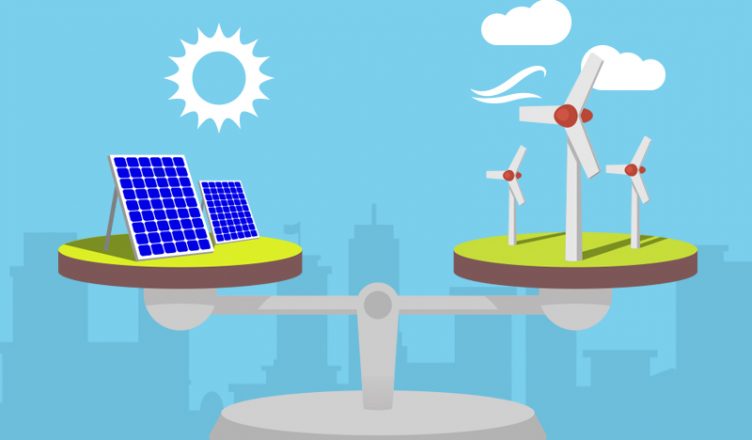
Solar and Wind Energy Are Two Renewable Energy Sources. The First Uses The Sun As A Source Of Energy Production And The Second Uses The Wind As A Source. For Solar Energy, The Use Of Solar Panels Is Common. For Wind Energy, Blades Are Used.
Among renewable sources, solar and wind energy are the most notable, both for their electric generation potential and for the installed capacity worldwide. But what are the main characteristics of each? What are the differences between them? Which regions of Brazil have the greatest potential for each? And why are these alternatives growing so much in recent years?
Read Also
- Accident With Wind Turbines In Piauí Recorded On Video Scares Residents
- Wind Energy, A Promising Industry For Brazil
- Novo Tempo RH Selects Many Professionals For Resende
Expert Comments On Brazil’s Potential For Solar And Wind Energy
According to him, Brazil is privileged for solar energy production because it is a tropical country with a very long coastline. In coastal areas, the wind is very favorable for wind energy production.
The main problem for solar energy production for industries is the need for large areas for the installation of solar panels. And since these have a limited lifespan, disposal must be done carefully to avoid harming the environment.
-
Rio Grande do Sul accelerates energy transition: State invests in renewable technologies and consolidates decarbonization strategies and pathways to attract billions in new industrial investments.

-
With 160,000 m² of collectors, an area larger than 20 football fields, Silkeborg, in Denmark, hosts a solar thermal plant that heats 19,500 homes and could become the largest solar heating plant in the world.

-
A study reveals the expansion of renewable energy procurement in Brazil and shows how companies are taking advantage of opportunities to reduce expenses, ensure energy efficiency, and strengthen strategic environmental commitments.

-
Mato Grosso do Sul excels in the sugar-energy sector: the state reaches a milestone of 22 operating mills and accelerates the production of clean energy in MS with a focus on sustainability.


For efficient wind energy capture, it is necessary to install three-bladed turbines. Energy towers cannot be installed in residential areas. According to Vivaldo, there is still a lack of legal security and lower costs to produce these types of energy.
Wind And Solar Energy – Which One Has Greater Expansion Potential In Brazil?
Despite the rapid growth of wind generation, the alternative source with the greatest expansion potential in Brazil is solar energy, which is expected to gain strength not only in power plants but also in consumers’ homes.
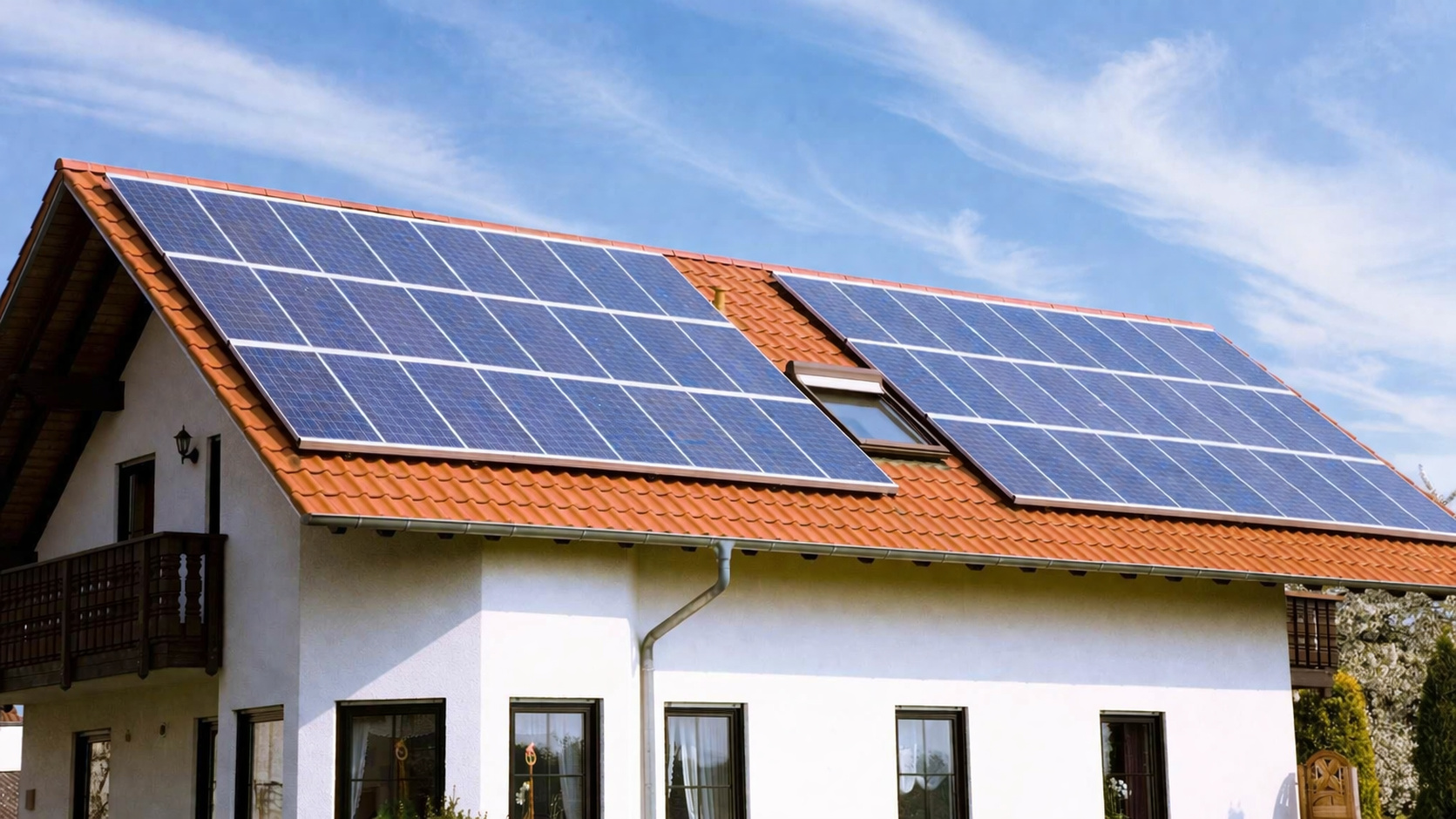
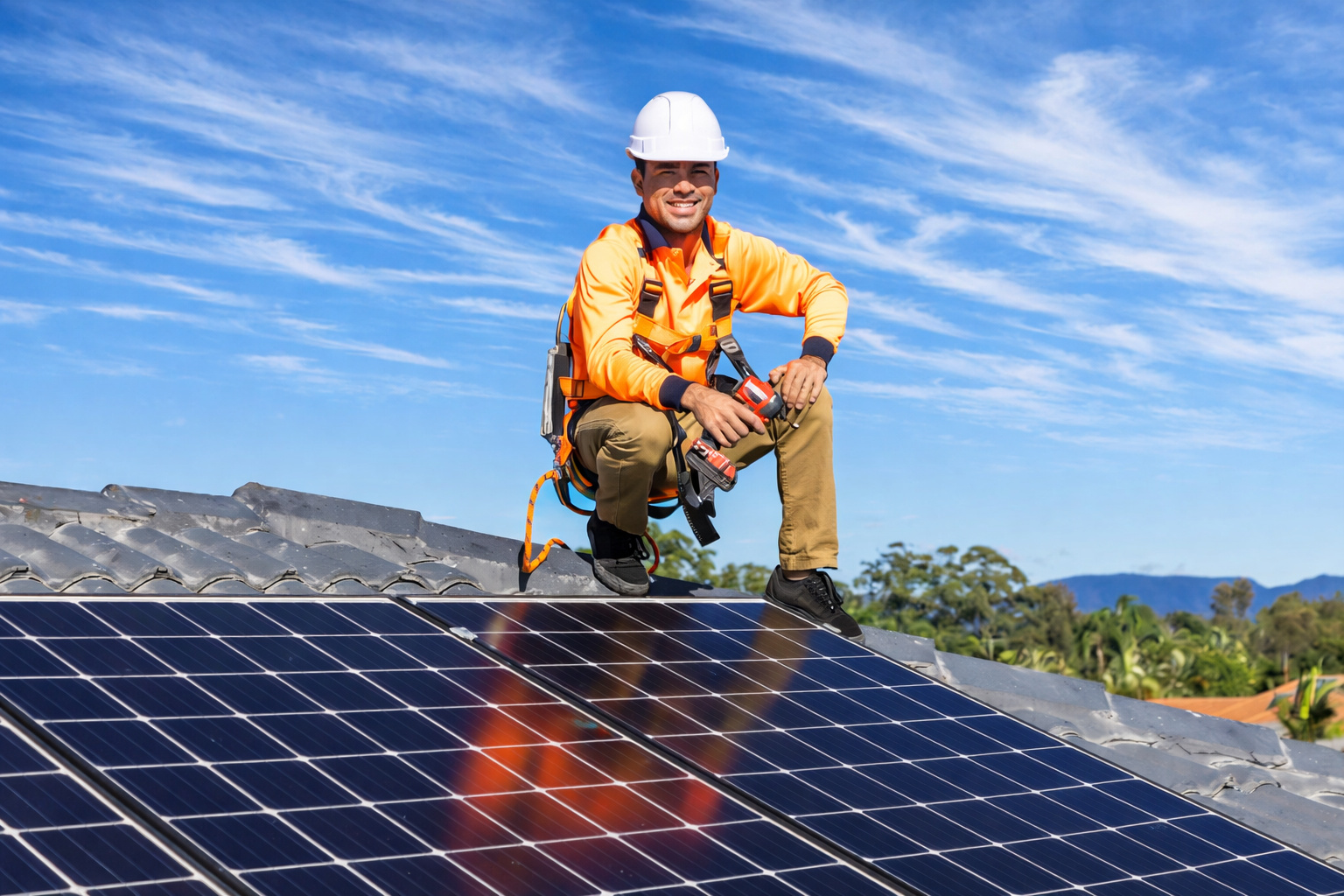
It is possible to produce your own energy by installing photovoltaic panels on the roof of your house, for example. This concept is called distributed generation. “Brazil will have 28 gigawatts of centralized solar generation plants installed. In distributed generation, we expect to have 97 gigawatts of small solar systems across the country by 2040,” says Lilian. “That represents about 9.5 million homes.”




Seja o primeiro a reagir!