





 Portuguese
  English
  Spanish
  6 min of reading
  0 comments


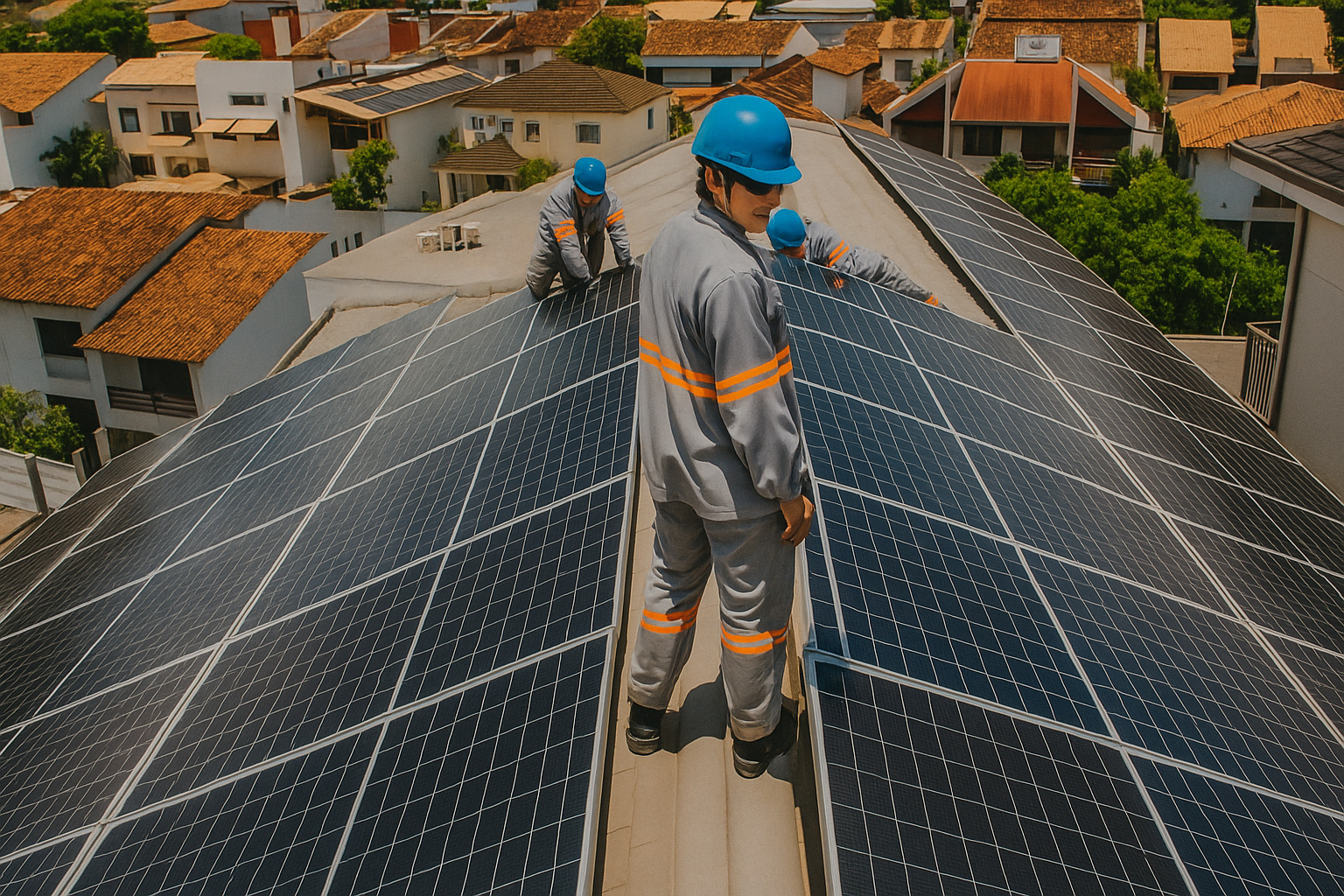
Understand How the Solar Panel Boom Challenges the Stability of the National Electric System and Impacts Consumers and Businesses.
In recent years, Brazil has witnessed a true revolution in the way electricity reaches homes, businesses, and small industries.
Moreover, the solar panel boom has transformed rooftops and slabs into small power plants. They offer an economical and sustainable alternative to traditional consumption.
However, this accelerated expansion has brought unprecedented challenges to the national electric system, requiring regulatory, technical, and financial adjustments that are still being debated.
-
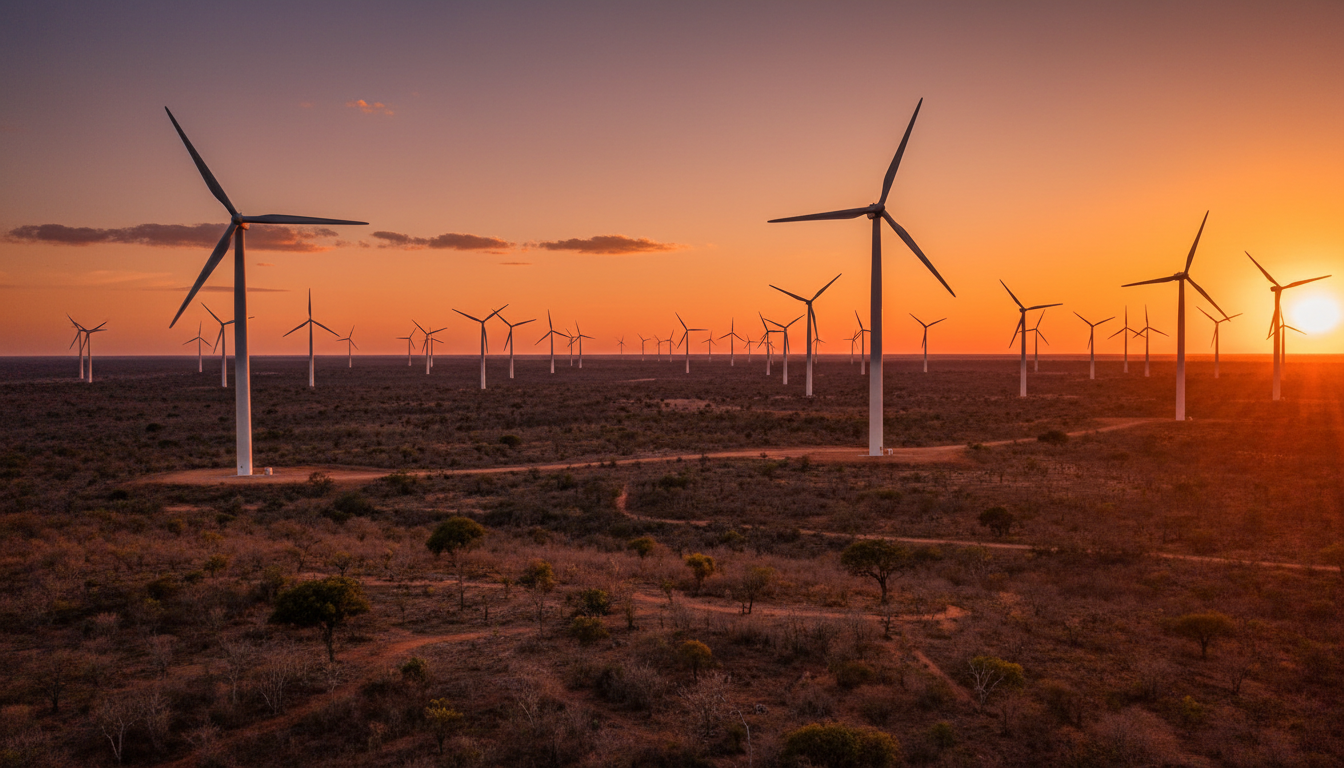
The Brazilian Northeast is receiving the largest wave of investments in clean energy ever seen in the country, with R$ 200 billion in wind and solar, 9,000 km of transmission lines, and a promise that could change the economy of 60 million people.
-
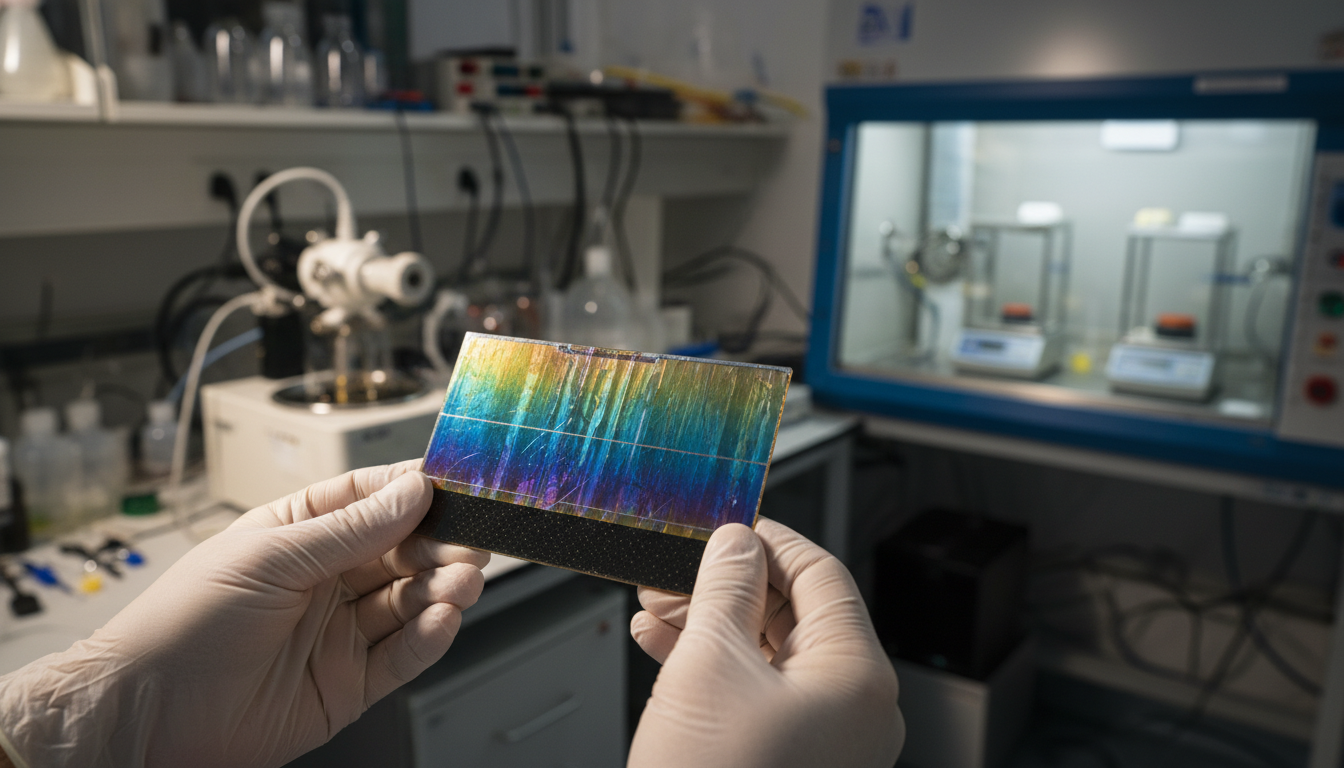
Chinese company creates solar cell that breaks the physical limit of silicon with 34.85% efficiency and promises to revolutionize electricity bills with panels that generate 20% more energy starting in 2026.
-
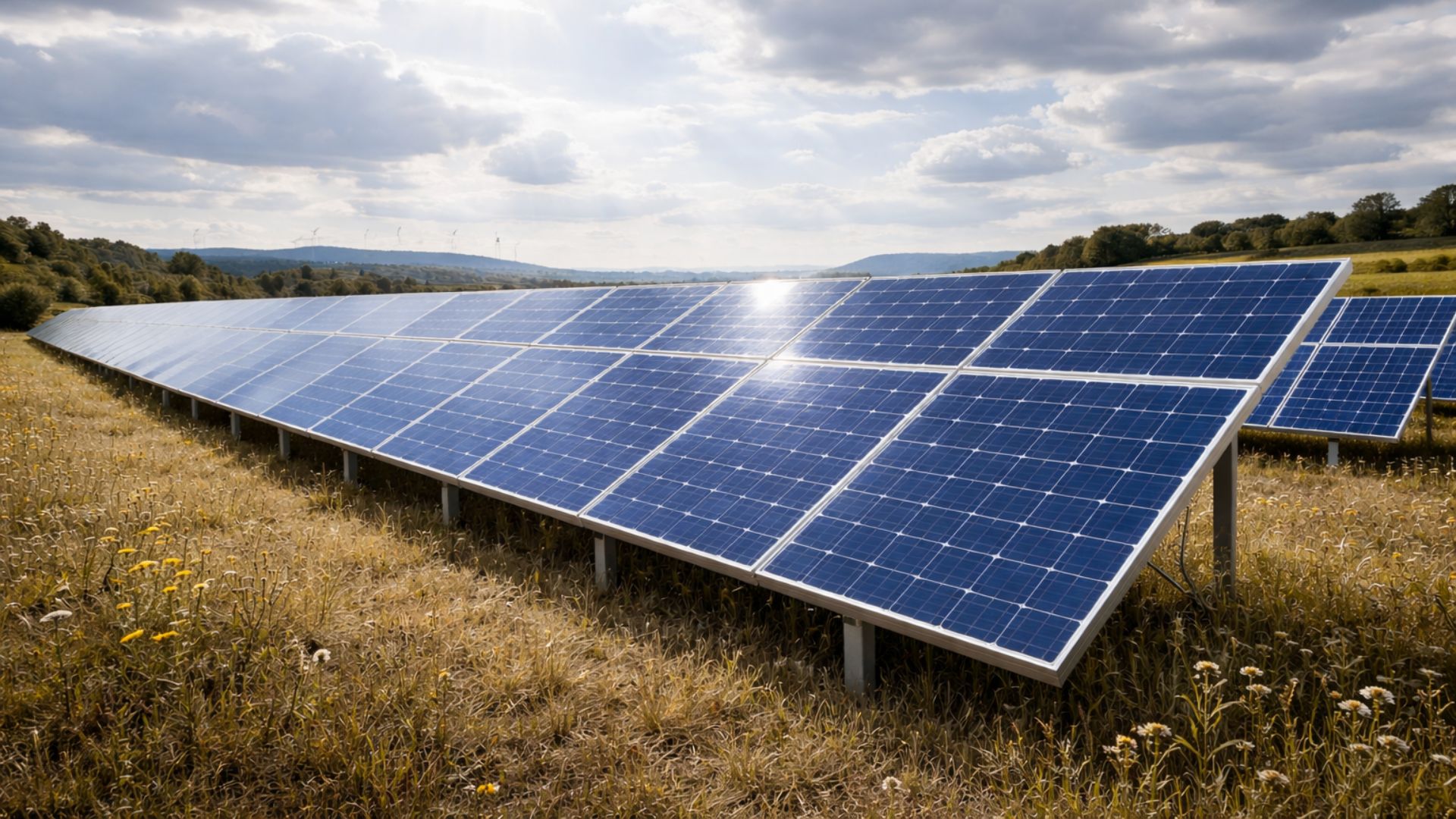
Jacareí advances with a photovoltaic plant and bets on sustainability to transform public management with clean solar energy, reducing operational costs and strengthening energy efficiency in essential services.
-
Maricá transforms Risca-Faca into Leonel Brizola Neighborhood with solar energy and promises to reduce costs for families while promoting dignity, urbanization, and social development in a historically vulnerable community.
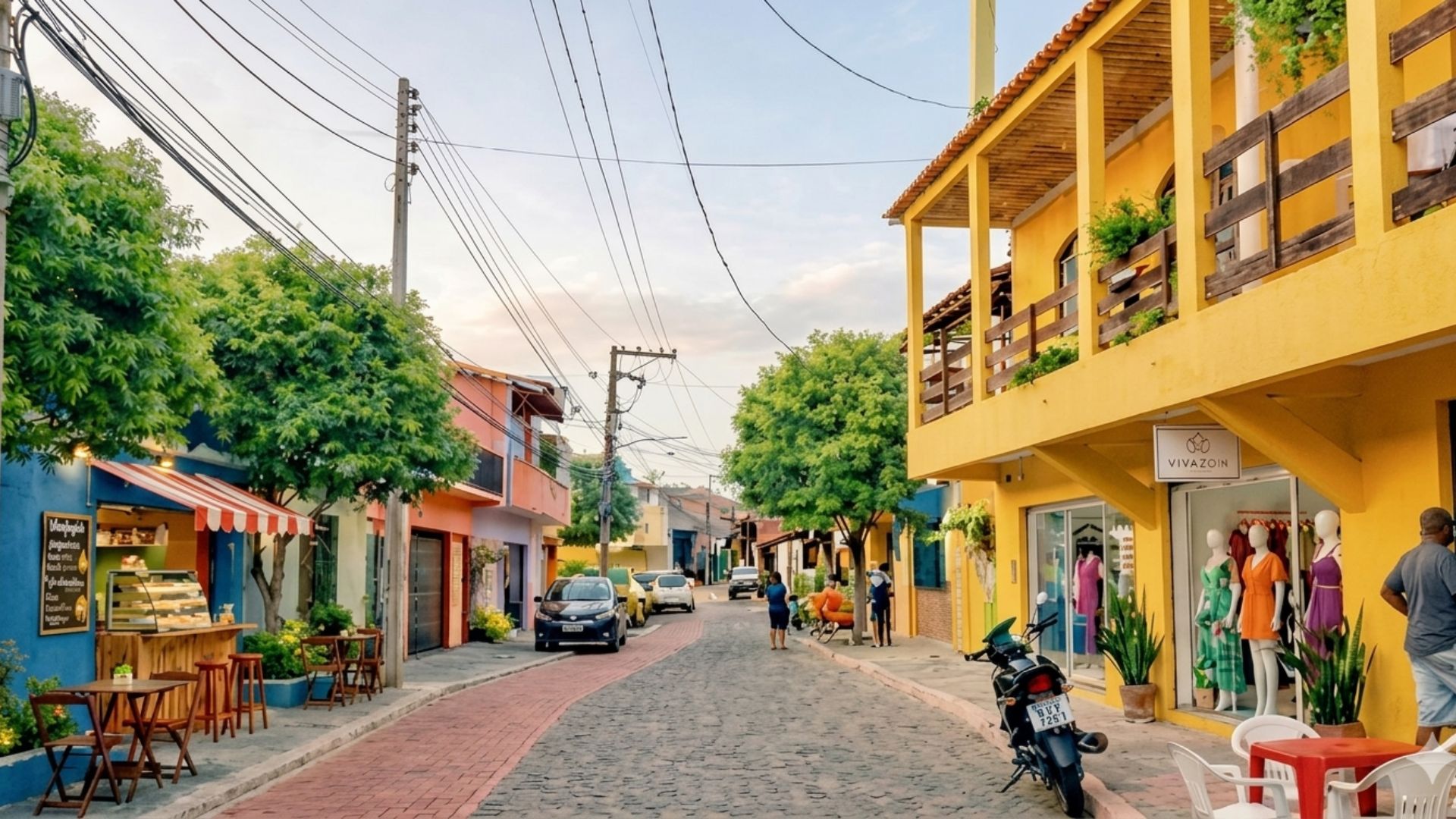
Historically, Brazil built its national electric system around large hydroelectric plants, complemented by wind farms, thermoelectric plants, and, more recently, large solar projects.
Therefore, the operation of this system depends on a delicate balance between supply and demand, as electricity must reach the consumer at the same instant it is generated.
If there is an excess or lack of energy, instability occurs, affecting millions of people. Until the last decade, this balance was relatively predictable, as centralized generation allowed the National System Operator (ONS) to remotely control the plants.
The massive arrival of distributed micro and mini-generation (MMGD), primarily with solar panels, has changed this scenario.
The number of installed systems has increased from a few hundred to almost four million, spread across practically all Brazilian municipalities.
Consequently, subsidy policies have encouraged self-generating energy and reduced dependence on the integrated system.
Resolution 482 from Aneel, in 2012, marked this process. It created an energy compensation system that grants credits to consumers for electricity injected into the grid.
Thus, ten years later, almost all Brazilians already identify solar panels in their city.
In addition, the popularization of solar panels is connected to economic and social factors.
In large urban centers, residential electricity is expensive, and investing in self-generation becomes attractive.
Meanwhile, in more remote regions, distributed generation helps reduce energy losses in transmission, which historically affected the national electric system, allowing small localities to depend less on large plants.
Financial and Technical Impacts
Despite the commercial and environmental success, the disordered growth of MMGD has brought financial and technical consequences to the national electric system.
On one hand, the subsidies that make investment in solar energy attractive are paid by all consumers, even those without panels.
Therefore, this creates imbalances in electricity bills and generates heated debates among companies, consumers, and regulatory bodies.
Moreover, ONS faces an unprecedented challenge: millions of small sources generate energy simultaneously, without central supervision, complicating system management.
The peak of solar generation generally occurs between late morning and early afternoon, a period when national consumption drops.
As a result, on clear sky days, the energy supply can exceed demand, and ONS needs to temporarily disconnect large hydroelectric, wind, or thermoelectric plants to avoid overloads on the grid.
This phenomenon, called curtailment, highlights a paradox: excess energy poses a risk to the stability of the national electric system.
The growth of distributed generation has also opened the door for commercial practices that stray from the original purpose of MMGD.
Companies have begun to sell remote generation projects as investment products. They install panels in remote locations and offer participation to urban consumers.
Although economically profitable, this model shifts costs to those without self-generation, creating social tensions and market distortions.
Thus, the incentive for solar generation, once considered a step towards sustainability, has begun to generate controversies within the national electric system.
Furthermore, the rapid advancement of distributed generation requires new measurement and monitoring technologies.
Smart software and digital meters help track the production of thousands of small units, ensuring correct accounting of energy and avoiding imbalances.
If these resources are lacking, the national electric system is at risk of overload, harming consumers and businesses.
Regulation and Necessary Adjustments
To tackle these challenges, the Brazilian government and Aneel established the Legal Framework for Distributed Generation in 2022. It created transition rules that gradually reduce subsidies for new systems.
In this way, consumers who installed panels before 2023 continue to enjoy a total exemption from the distribution system usage fee (TUSD) until 2045.
New systems start to pay this fee progressively until 2029. Despite these measures, costs related to energy compensation continue to grow, reflecting the race to take advantage of the benefits of MMGD.
The national electric system also faces technical challenges. Unlike large plants, whose production can be adjusted remotely, solar panels installed in homes and businesses automatically inject electricity into the grid.
Therefore, ONS’s planning becomes more complex, requiring new solutions for monitoring, energy storage, and operational flexibility mechanisms.
Among the alternatives being studied are capacity auctions, which reward plants capable of guaranteeing firm energy during critical moments, and the expansion of curtailment for small hydroelectric plants and other centralized generators.
Another important point involves integration with energy storage sources, such as large batteries and pumped-storage hydroelectric plants.
These technologies absorb excess production and return energy to the grid during peak demand times. In this way, they enhance the resilience of the national electric system, preventing blackouts and instabilities.
Financial and Social Challenges
The financial impact on the sector also stands out. Centralized plants, which invested billions in wind, solar, and hydroelectric energy, see part of their production being disconnected due to excess distributed solar energy.
Consequently, this scenario generates tension between different agents in the electric sector and highlights the need to balance incentives for innovation and financial sustainability.
For experts, the expansion of MMGD goes beyond the technical question: it is a governance and regulatory challenge, requiring dialogue between government, companies, and consumers to ensure that the energy transition is fair and efficient.
In parallel, the debate on the national electric system involves a social dimension.
The subsidy for solar energy primarily benefits those who have the resources to invest in their own installation. Meanwhile, low-income consumers bear part of these costs in their electricity bills.
Therefore, solutions that reconcile fair pricing, economic sustainability, and energy security are essential for the future of the Brazilian electric sector.
Consumer education and awareness also play a fundamental role in this process.
By understanding how distributed generation works, its impacts on the grid, and the importance of regulation, the population actively participates in energy decisions.
Thus, the national electric system evolves in a balanced and inclusive way.
The Future of Distributed Energy
Looking to the future, distributed generation will continue to play a relevant role in the national electric system.
However, its integration must be carefully planned, combining economic incentives, technological advancements, and efficient regulation.
The Brazilian experience can serve as a reference for other countries seeking to expand the use of renewable sources without compromising system stability.
Thus, learning from the mistakes and successes of the present will allow solar energy to be an ally, rather than a challenge, for sustainable development.
In summary, the explosion of solar panels represents technological and economic success, but also alerts to the limits of the national electric system in the face of the decentralization of generation.
Brazil needs to find a balanced path, that harnesses the potential of renewable energies without compromising grid stability, social equity, and financial sustainability of the sector.
Thus, appropriate policies and investment in innovation can transform the current challenge into an opportunity to consolidate a modern, safe, and resilient national electric system.





Seja o primeiro a reagir!