





 Portuguese
  English
  Spanish
  4 min of reading
  31 comments


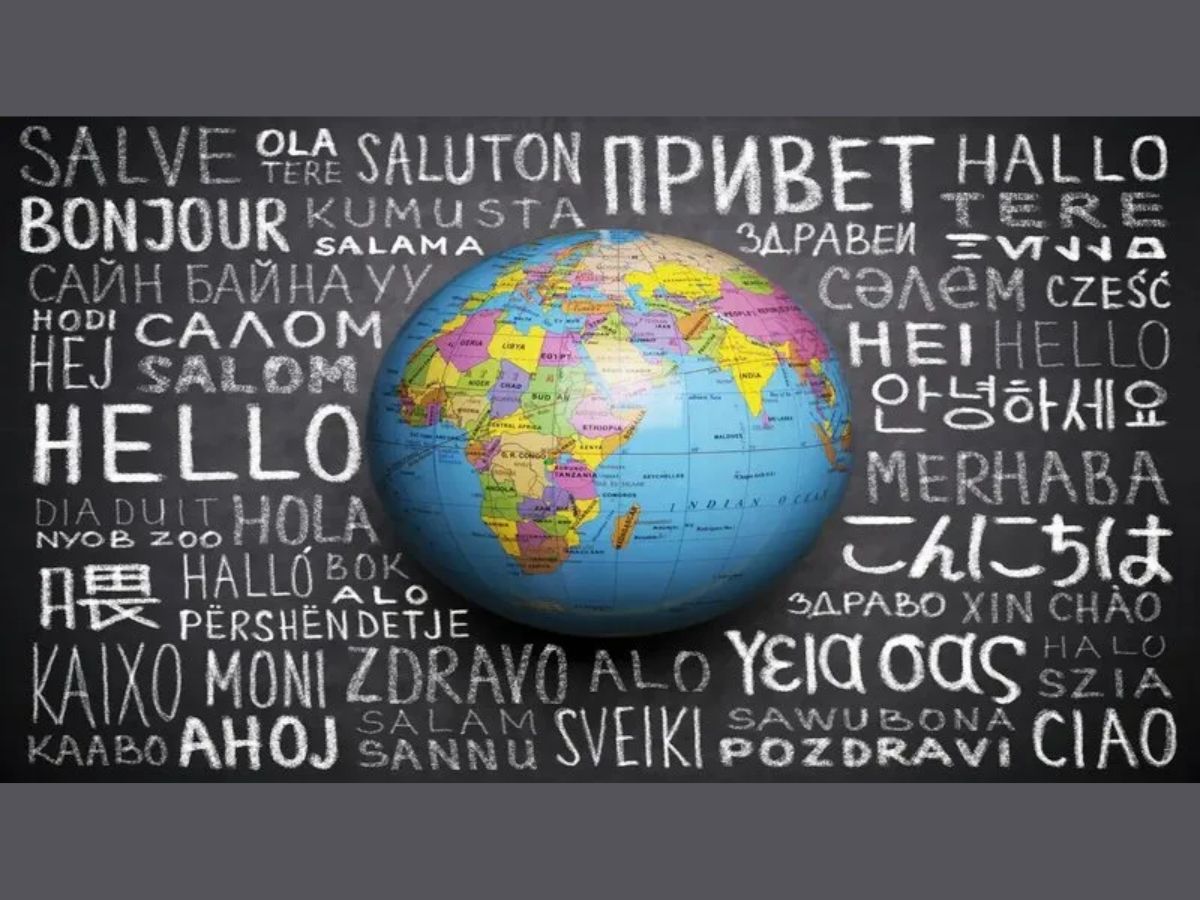


What Does Language Say About Who We Are? Explore the Most Fascinating Theories About the Emergence of Human Speech and the Languages the World Has Forgotten
Long before the emergence of words, our ancestors were already communicating. Facial expressions, gestures, guttural sounds, and even cave paintings are examples of pre-linguistic ways to convey ideas. In fact, human language arises from the need — to record, interact, share.
According to Charles Darwin, language emerged from the imitation of natural sounds and other animals, combined with instinctive gestures and cries. Other scientists suggest that the first verbal sounds originated from attempts to replicate bodily sounds or from the need to coordinate efforts in collective activities, such as carrying heavy objects. In summary, language did not arise from a single event, but from a multifaceted evolution over millennia.
Human Creativity: An Evolutionary Differential
What profoundly differentiates human language from animal communication is the ability to create. An example provided in the video is the nonsensical phrase “Pedro pineapple, finished Yorkshire,” which has probably never been said before. This illustrates the creative flexibility of our speech — something unique in the animal kingdom.
-
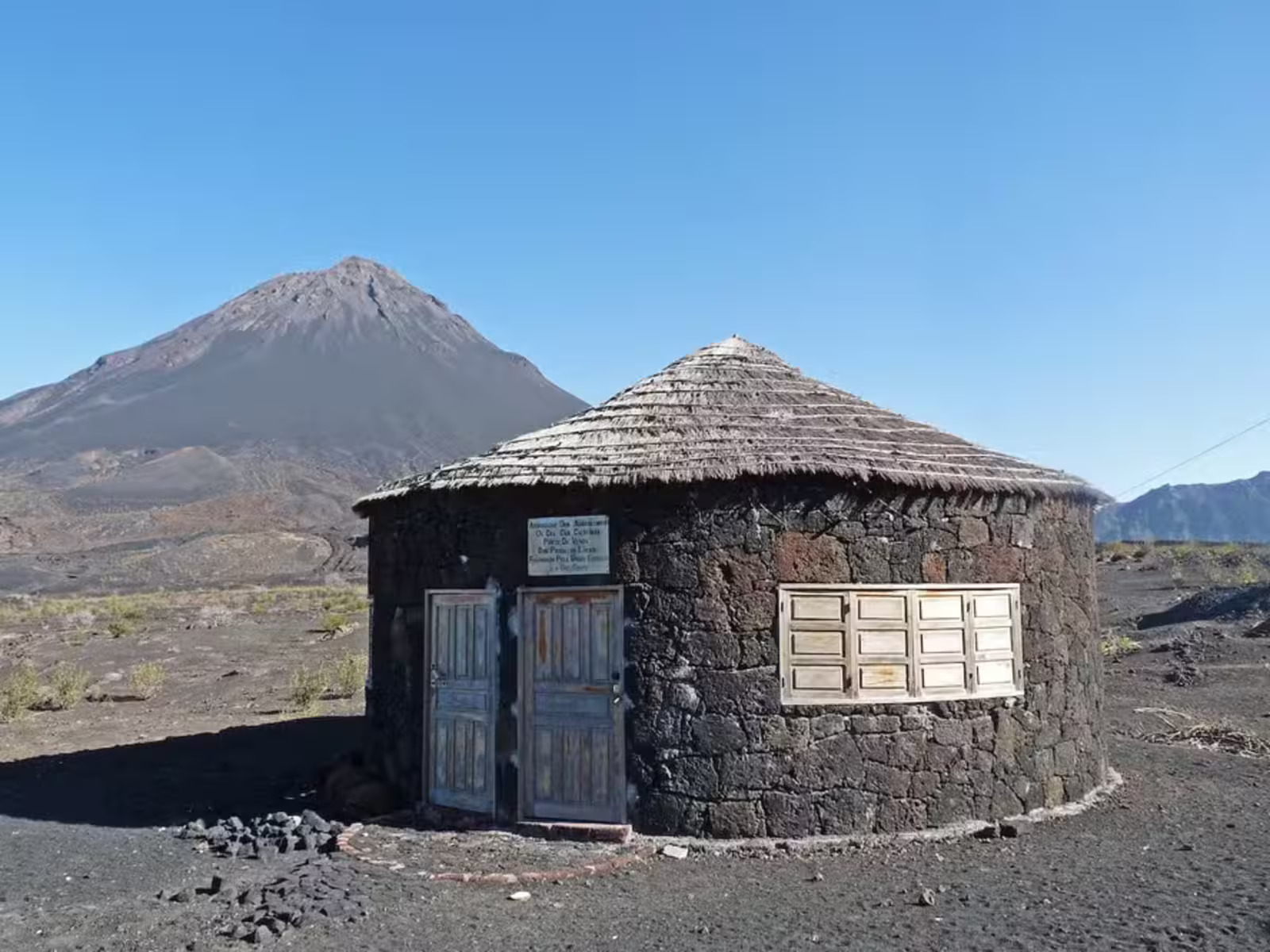
Inside an active volcano in Africa, residents use volcanic rocks to build houses in an impressive setting.
-
After 14 years of waiting, a rammed earth mansion built in 1702 in the North Zone of São Paulo will become a park with leisure facilities and green areas, with a million-dollar investment.

-
With 2 unfinished nuclear reactors, up to 25 billion in costs, and proven fraud, the Nukegate case has left 800,000 consumers still paying today for energy that will never be produced.

-
The household appliance that consumes the most energy in Brazilian homes is not the air conditioner; it is located in the smallest room of the house, is used daily, and can account for up to 25% of the electricity bill, while an alternative in the same outlet can reduce this cost by up to 75%.


Moreover, the same phrase can have different meanings depending on intonation, context, and intention. It is this complexity that makes the study of language so fascinating and multifaceted.
From Root to Trunk: Proto-Indo-European
The first known language that is believed to have given rise to many others is Proto-Indo-European. Although its exact place of origin is still debated, many experts point to the region of present-day Turkey. From this mother tongue, languages such as Portuguese, Spanish, English, Hindi, among many others, derived.
With human migrations, wars, and cultural exchanges, Proto-Indo-European split into various linguistic branches. Each people that emerged or moved shaped and transformed the language they carried, creating new languages and dialects over time.
The Modern Tower of Babel: 7 Thousand Languages and Growing
Currently, there are about 7 thousand languages spoken in the world. In Brazil, for instance, there are over 200, most of indigenous origin. The problem is that approximately 94% of the global population speaks only 10% of these languages — meaning that the vast majority of languages are in the hands (or mouths) of a minority.
The UNESCO warns that, on average, one language disappears every two weeks. If nothing is done, by the end of the 21st century, half of these languages may be extinct. The disappearance of a language represents much more than the loss of a way of speaking; it is the end of a worldview, a collective identity, an entire culture.
Dead Languages, Artificial Languages, and the Search for Unity
Among the languages that have ceased to be spoken by entire communities is Latin — a classic example of a dead language. It is still studied, used in masses, literary works, and even in spells from Harry Potter, but it is not the mother tongue of anyone.
Attempts to create a universal language have also existed. The most notable case is Esperanto, invented by Ludwik Zamenhof in the 19th century. With simple rules and vocabulary inspired by various European languages, Esperanto is now spoken by around 10 million people at different levels of fluency. There are also other attempts, such as Novial, Ido, and Interlingua — all seeking accessible international communication.
There are also languages created with artistic purposes, such as Klingon, from the Star Trek series, or Nadsat, from the work A Clockwork Orange. They prove that language is also a field of cultural experimentation.
Why Don’t We All Speak the Same Language?
Despite these attempts, creating a globally spoken language faces practical and political challenges. For most countries, it makes no sense to abandon their native languages in favor of an artificial one. Unequal access to education is another enormous obstacle. In countries like Brazil, only 1% of the population is fluent in English — so imagine the difficulty of spreading an even more marginalized language like Esperanto.
Furthermore, there is an undeniable beauty in linguistic diversity. Each language carries with it a unique way of seeing the world, of telling stories, of living and feeling.
Celebrate Linguistic Diversity
The plurality of languages is one of humanity’s most fascinating traits. Instead of lamenting that we do not all speak the same language, perhaps we should celebrate the fact that we have so many ways to express ourselves. Learning a new language is also diving into a new culture, broadening horizons, and connecting with other ways of life.
Globalization may bring us closer, but language remains a bridge between cultures — and never a barrier, as long as the will to understand exists.








Se o Esperanto fosse adotado por qualquer grande organização internacional devido a sua incrível facilidade e velocidade de alcance de fluência (você pode se tornar fluente como um nativo em seis meses), o Esperanto se mostraria tão eficaz e tão útil que se tornaria de fato a segunda língua de toda a humanidade muito rapidamente.
Talvez seja só uma questão de tempo até surgir uma organização internacional visionária que requeira o Esperanto como língua de trabalho. E então isso mudará o mundo.
Eram os deuses astronautas? Em seu livro Van Daniken deixou também seu legado. Achei muito interessante e possível. Leiam.
Sensacional texto. Muito interessante. Meu dicionário bilíngue de expressões idiomáticas da língua portuguesa e francesa mostra que muitas vezes um idioma esbarra, se apropia, aceita uma expressão de outro idioma. É esse “elo” perdido entre as línguas que existiam lá na antiga Turquia até as línguas existentes e faladas nos dias atuais do século XXI, que provoca o fascínio dos linguistas, professores, pesquisadores e amantes dos idiomas.