





 Portuguese
  English
  Spanish
  4 min of reading
  0 comments


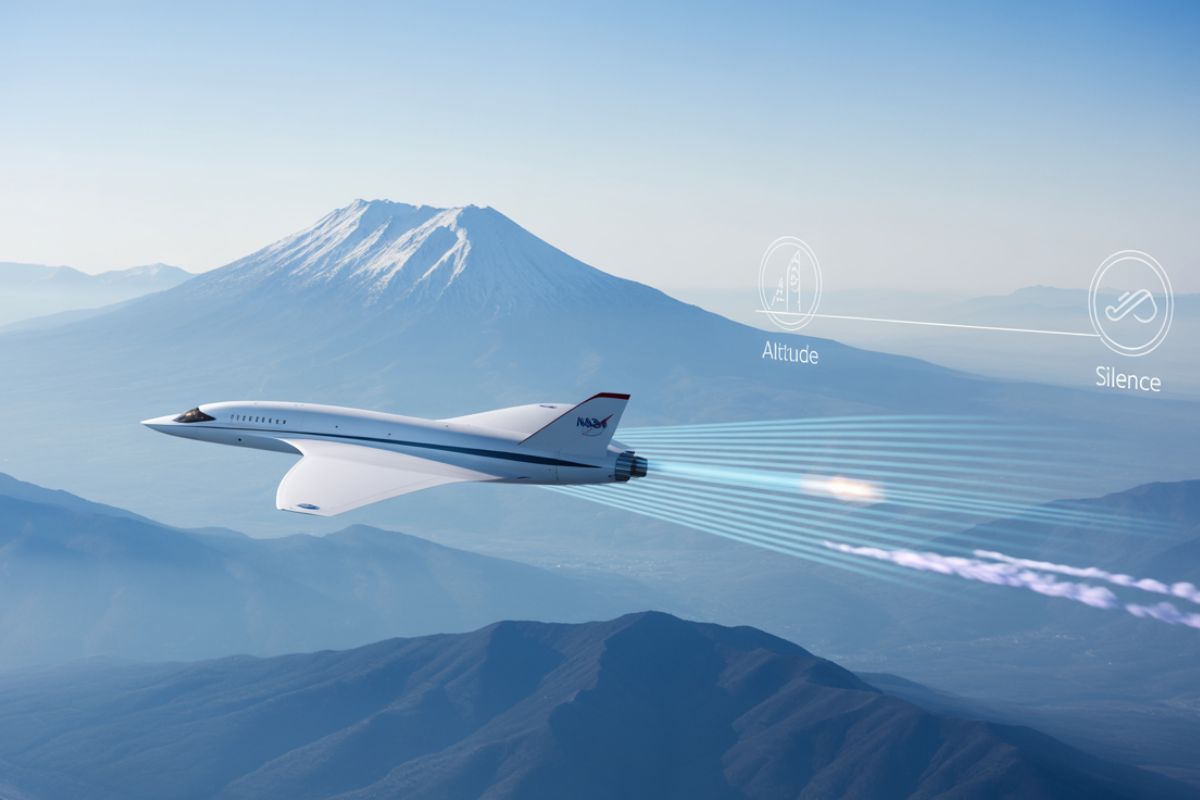
To Validate The Technology That Promises To Revolutionize Aviation, The American Space Agency Sought The Precision Of One Of The Most Advanced Wind Tunnels In The World, Located In Tokyo.
To Prove That It Is Possible To Fly Faster Than Sound Without The Deafening Boom That Banned The Concorde From The Skies, NASA Needed Irrefutable Data. That Is Why, When NASA Wanted To Test The World’s Quietest Supersonic Aircraft, It Turned To The Country Most Committed To Silence: Japan. The X-59 QueSST Experimental Plane, The Centerpiece Of This Mission, Had Part Of Its Most Critical Validation Conducted In A Wind Tunnel Of The Japanese Space Agency (JAXA), In A Collaboration That Unites Two Powers In The Quest For The Future Of Commercial Aviation.
The Objective Of The X-59 Is Not Only To Be Fast, But Quiet. Its Innovative Design Was Crafted To Transform The “Sonic Boom” Into A Soft, Almost Imperceptible “Thump” On The Ground. To Confirm That The Theory Works In Practice, It Was Essential To Measure Its Acoustic Signature With Surgical Precision, And The Partnership With Japan Was Crucial To Ensure The Robustness And Reliability Of The Results.
The Mission Of The X-59: To End The “Sonic Boom”
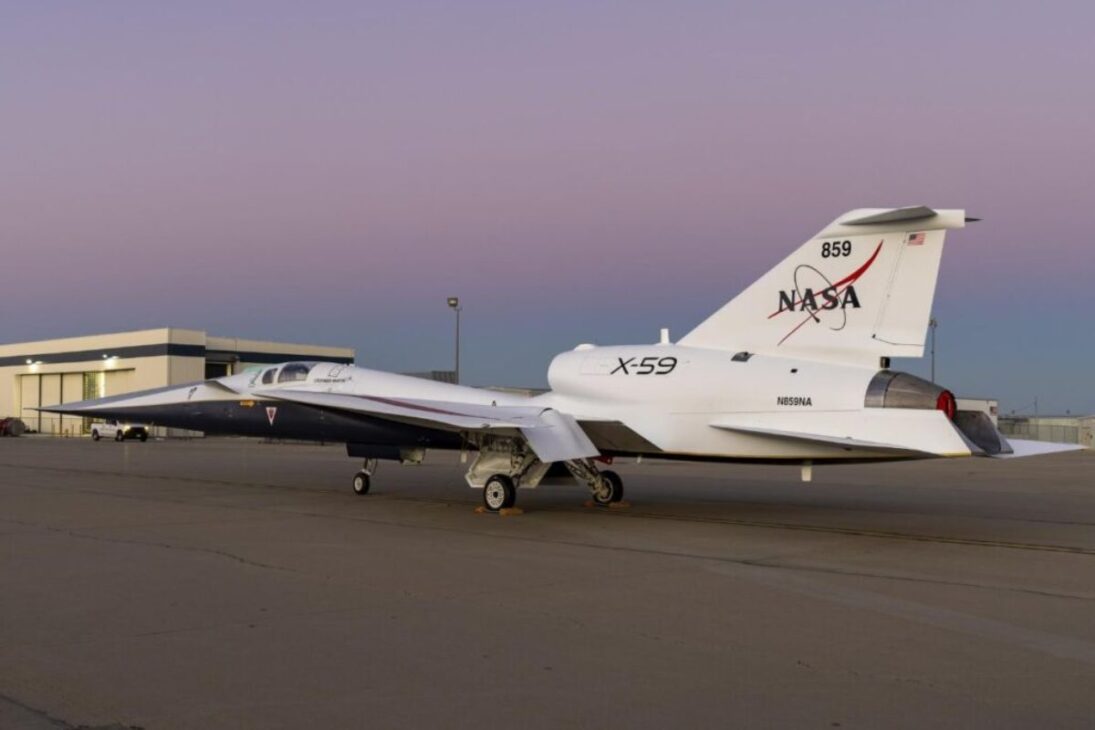
The Biggest Obstacle To The Return Of Supersonic Commercial Flights Is Not The Technology To Fly Fast, But The Noise. The Sonic Boom, Created When An Aircraft Breaks The Sound Barrier, Is So Disturbing That Such Flights Have Been Banned Over Populated Areas. The X-59, Developed By The Legendary Skunk Works Of Lockheed Martin, Was Created With A Clear Mission: To Prove That An Intelligent Design Can Mitigate This Noise.
-
Chaos On Airplane Could Be Expensive: Proposal Aims To Prevent Disruptive Passengers From Flying For Up To 1 Year In Brazil And Face Fines Of Up To R$17,500
-
Man Arrested After Halting Takeoff of Fire Department Helicopter During Child Rescue in Guaratuba

-
With 37 Tons of Cargo, Over 8,000 km Range, and Ability to Land on Unpaved Runways, the Airbus A400M Demonstrates How Europe Created a Military Giant That Transports Armored Vehicles, Aerially Refuels Fighters, and Operates in Conflict Zones and Humanitarian Missions Worldwide
-
Emergency Landing in Campos Amarais After Bird Strike on Small Plane
Its Long And Slim Fuselage Was Designed To “Break” The Shock Waves, Preventing Them From Merging Into A Single Loud Acoustic Boom. NASA Believes That The Sound Produced By The X-59 Will Be Comparable To That Of A Car Door Slamming In The Distance. If The Theory Is Proven, The Agency Plans To Use The Data To Convince Regulatory Bodies, Such As The International Civil Aviation Organization (ICAO), To Reevaluate Current Restrictions.
Cross-Validation: Why Test In Japan?
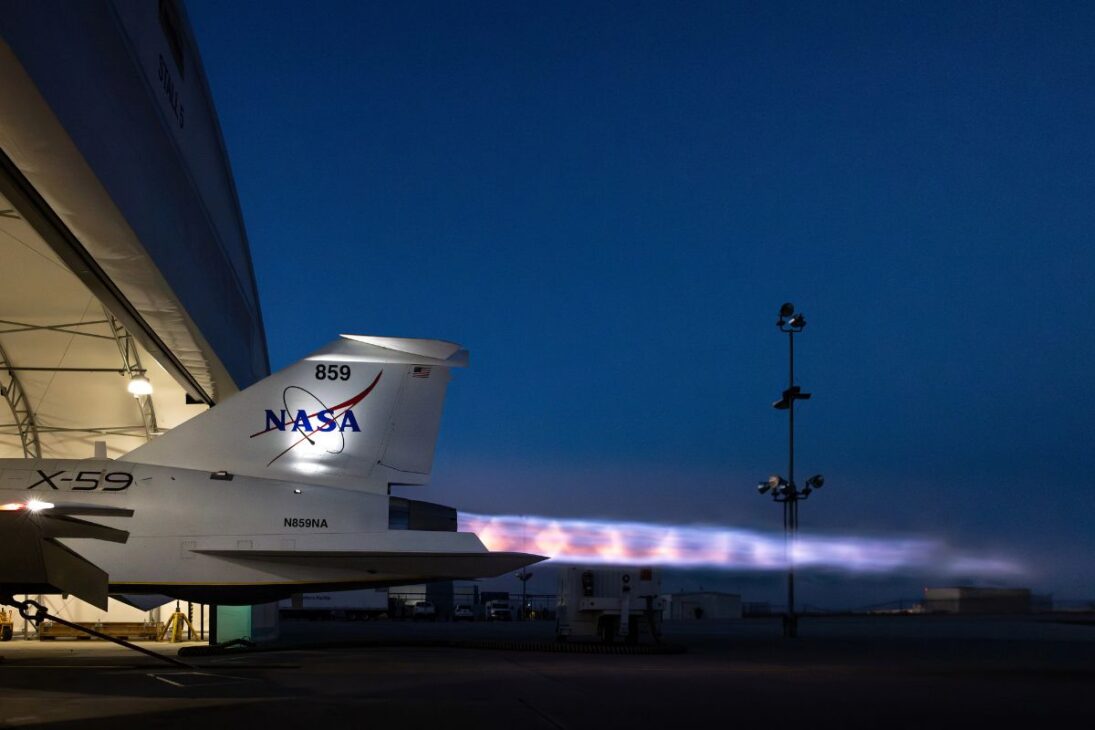
To Ensure That The Data On The X-59’s Sound Signature Was As Accurate As Possible, NASA Adopted A Cross-Validation Strategy. This Means Testing The Same Model At Different Facilities, With Independent Equipment, To Compare Results And Increase Certainty About The Predictions.
It Was In This Context That, When NASA Wanted To Test The World’s Quietest Supersonic Aircraft, It Turned To The Country Most Committed To Silence: Japan. A 1.62% Scale Model Of The X-59 (About 50 Cm Long) Was Taken To JAXA’s Supersonic Wind Tunnel In Chofu, Tokyo.
Melissa Carter, NASA’s Project Manager, Explained The Importance Of The Collaboration: “Using The Same Model In Both Tunnels [NASA’s In Ohio And JAXA’s In Japan], We Can Increase The Certainty Of The Data And Our Understanding Of The X-59 Design.” The Agreement, Signed In 2020, Calls For Both Agencies To Share Data And Methodologies, Strengthening Research On Both Sides.
A Strategic And Mutual Partnership
The Choice Of Japan Was Not Random. JAXA Has One Of The Most Advanced Supersonic Test Facilities In Asia And Is Also Developing Its Own Quiet Supersonic Flight Program, With Projects Like The Sky Frontier. For The Japanese Agency, The Collaboration Is A Golden Opportunity To Refine Its Own Projects And Validate Its Simulation Tools With Data From One Of The Most Advanced Programs In The World.
In Return, JAXA Offers Its Expertise And State-Of-The-Art Infrastructure That Complements NASA’s Capabilities. The Wind Tunnel In Chofu, Although Of Modest Dimensions, Is Ideal For Testing Scale Models, Allowing Accurate Simulation Of Flight Conditions At Mach 1.4 (1.4 Times The Speed Of Sound), The X-59’s Cruise Speed.
This Synergy Shows That The Future Of Supersonic Aviation Will Not Be Built By A Single Country, But Through Global Partnerships. The Joining Of Efforts Between NASA And JAXA Accelerates The Development Of Technologies That Could Soon Shorten Distances On Our Planet In A Quiet And Sustainable Way.
What Do You Think About The Return Of Supersonic Flights? Do You Believe That The X-59 Technology Can Truly Make Faster Travel A Reality For Everyone? Leave Your Opinion In The Comments!






Seja o primeiro a reagir!