





 Portuguese
  English
  Spanish
  3 min of reading
  0 comments


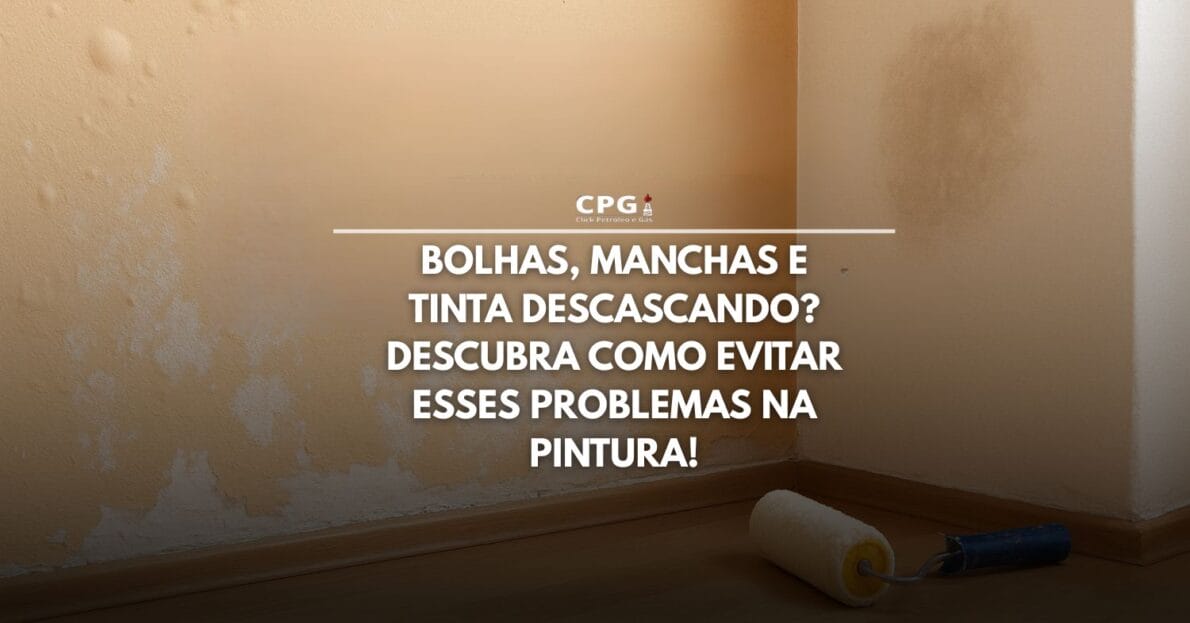
Discover The Main Causes Of Common Painting Problems And Learn How To Avoid Them With Good Preparation Practices, Proper Material Selection, And Attention To Weather.
Painting is one of the most practical and effective ways to renew the look of a house, apartment, or commercial space. However, in many cases, shortly after the service is completed, defects such as bubbles in the paint, stains, or even peeling walls appear. These painting problems occur frequently and are mostly related to factors that can be avoided with basic care before and during paint application. Among the most common causes are humidity, surface preparation failures, use of low-quality materials, and inadequate weather conditions.
Humidity Is One Of The Main Causes Of Peeling
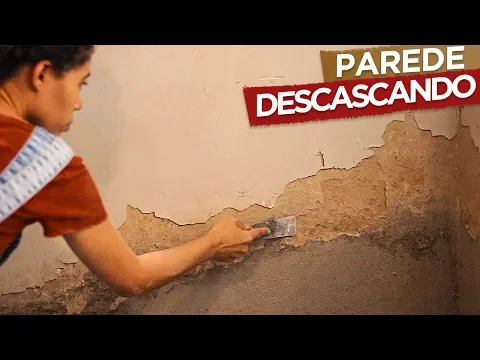
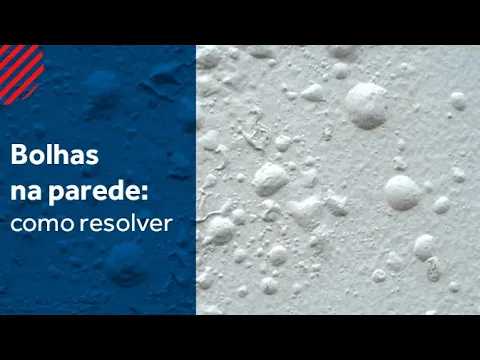
Peeling paint can be a clear sign of humidity in the wall. Infiltrations, leaks, or even high humidity in the air on rainy days prevent the paint from properly adhering to the surface. This causes the formation of bubbles that break over time, leading to peeling in layers.
Before starting any painting, it is essential to identify possible infiltration points and make the necessary repairs. The wall must be completely dry to receive the new paint and ensure greater durability.
-
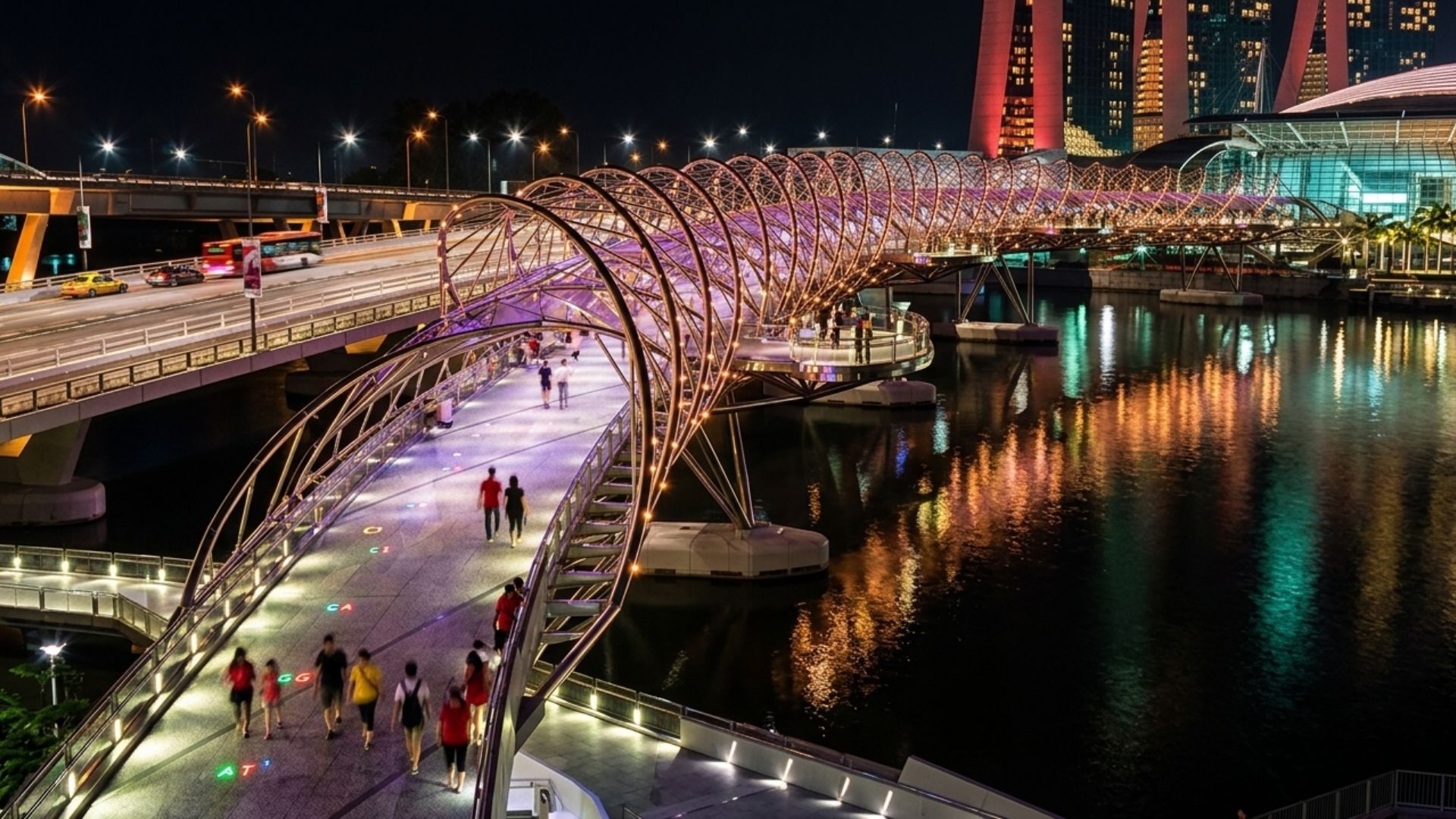
With a DNA shape, this bridge in Singapore draws attention in modern architecture and surprises tourists by transforming a simple crossing into an unforgettable visual experience in the urban heart.
-
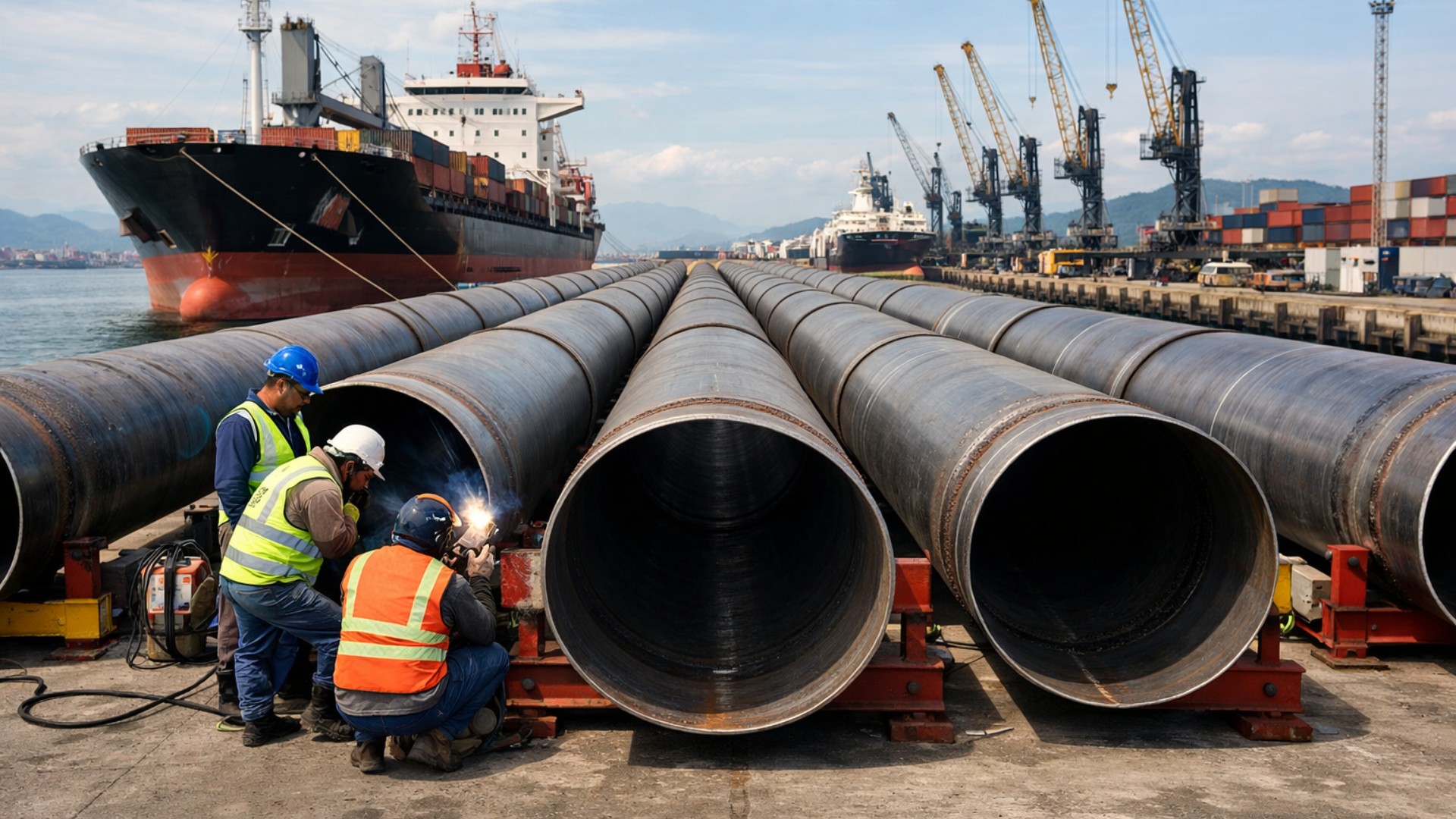
Giant underwater pipeline begins to take shape with a R$ 134.7 million project at the Port of Santos: the 1.7 km structure uses 12-meter and 700 mm pipes to supply water to 450,000 people in Guarujá.
-
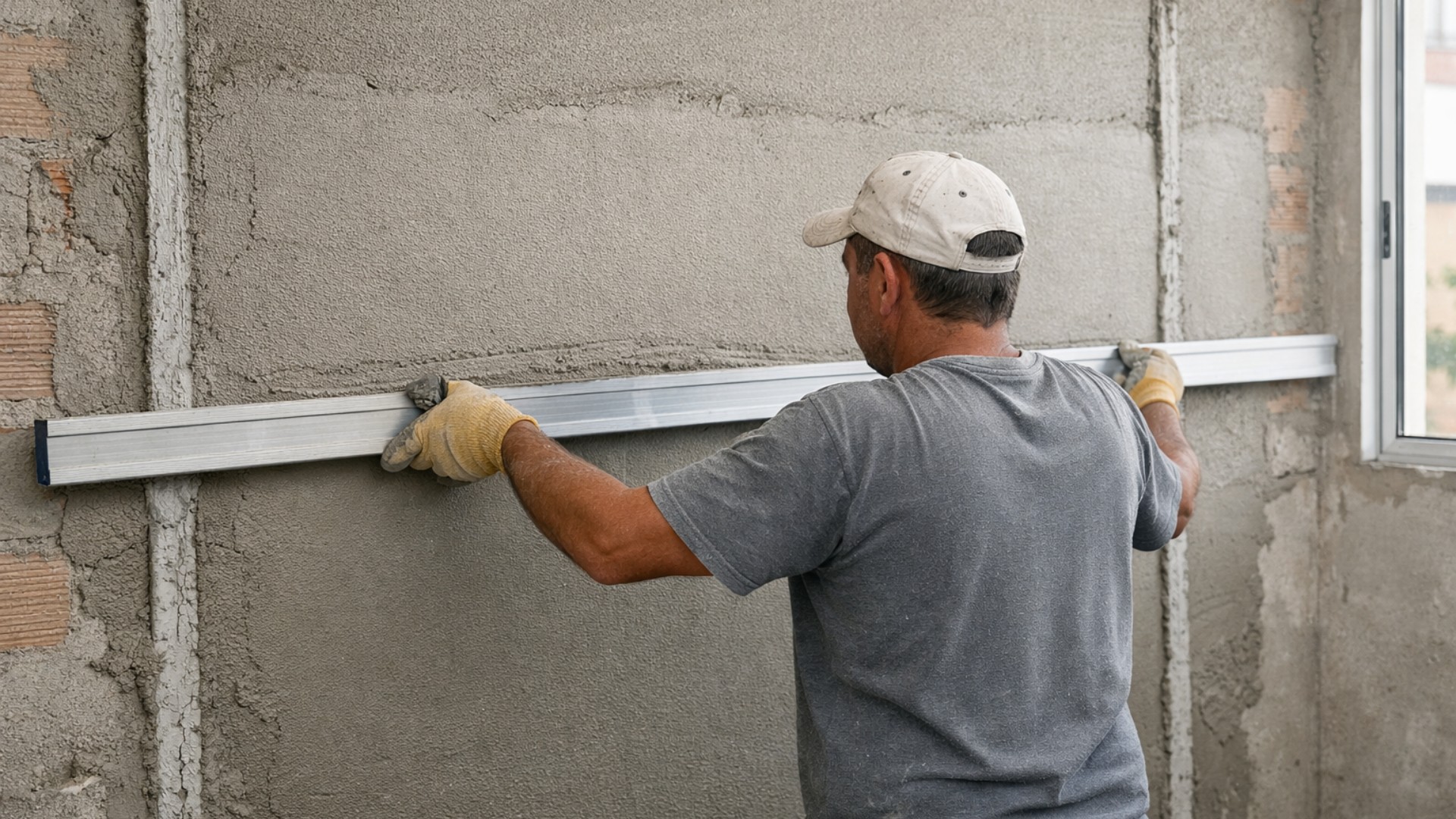
A mason reveals a professional plastering technique that uses aligned guides and a 3-meter ruler to plaster an entire wall in up to 3 hours, without visible seams, with uniform thickness, perfect plumb, and a finish ready for painting without rework.
-
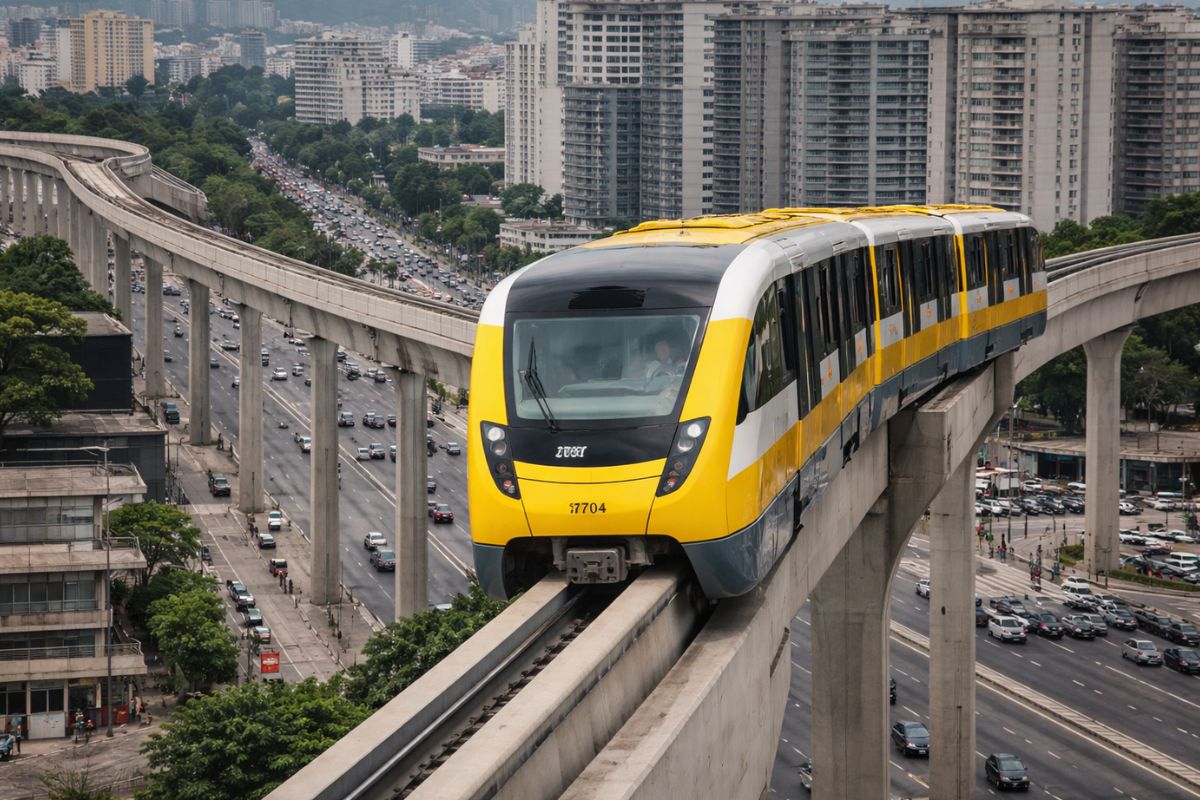
The project that was supposed to be ready for the 2014 World Cup in Brazil debuted with a 12-year delay and nearly R$ 6 billion invested: the Line 17-Gold of the São Paulo monorail opened with reduced hours and is only expected to operate fully in October.


Inadequate Wall Preparation Compromises Finish
Another factor that leads to peeling walls is poor surface preparation. Cleaning and leveling the wall are fundamental steps to ensure paint adhesion. Dust, grease, and residue from old paint prevent the new layer from adhering properly, resulting in painting problems such as bubbles and peeling.
It is recommended to perform a thorough cleaning, sand to remove imperfections, and use a sealer or primer before painting. This preparation increases paint absorption and improves the finish.
Low-Quality Paints And Puttys Affect Final Result
The choice of materials also directly influences the emergence of bubbles in the paint or peeling paint. Low-quality paints have less coverage and adhesion power. When applied in very thick layers or improperly diluted, they can generate visible defects within the first few weeks.
Investing in certified materials, following the manufacturer’s usage instructions, and respecting the drying time between coats are important measures to avoid rework.
Weather Directly Influences Paint Quality
The weather on the day of painting is another aspect that can cause problems in the paint. Very high temperatures or relative humidity above 85% compromise the drying and adhesion of the paint. The ideal is to paint on dry days, with temperatures between 18°C and 30°C, ensuring that application occurs uniformly.
In open areas, it is advisable to avoid painting in direct sunlight or on cloudy days with a risk of rain. These measures reduce the chances of bubble or stain formation.
How To Fix Existing Bubbles And Peeling
If the wall already shows bubbles in the paint or peeling, the repair must be done in stages. First, it is necessary to remove loose paint with a spatula. Next, sand the surface to level it, apply acrylic or finishing putty, wait for it to dry completely, sand again, and finally apply sealer before repainting.
The new application should be done with quality paint and in thin layers, respecting the drying time between each coat. This process prevents the problem from reappearing and ensures a uniform finish.
Prevention Is The Best Path
Preventing paint from peeling or bubbling requires attention from wall preparation to choosing the ideal day to paint. Suitable materials, a dry environment, and a well-treated surface are essential for a good result.
Following the manufacturer’s guidelines and relying on specialized labor helps reduce risks and increase the lifespan of the paint. With these precautions, it is possible to avoid the main painting problems and keep the environment looking renewed for longer.
Sources: Suvinil, Arena Tintas, and Revprol




Seja o primeiro a reagir!