





 Portuguese
  English
  Spanish
  6 min of reading
  0 comments


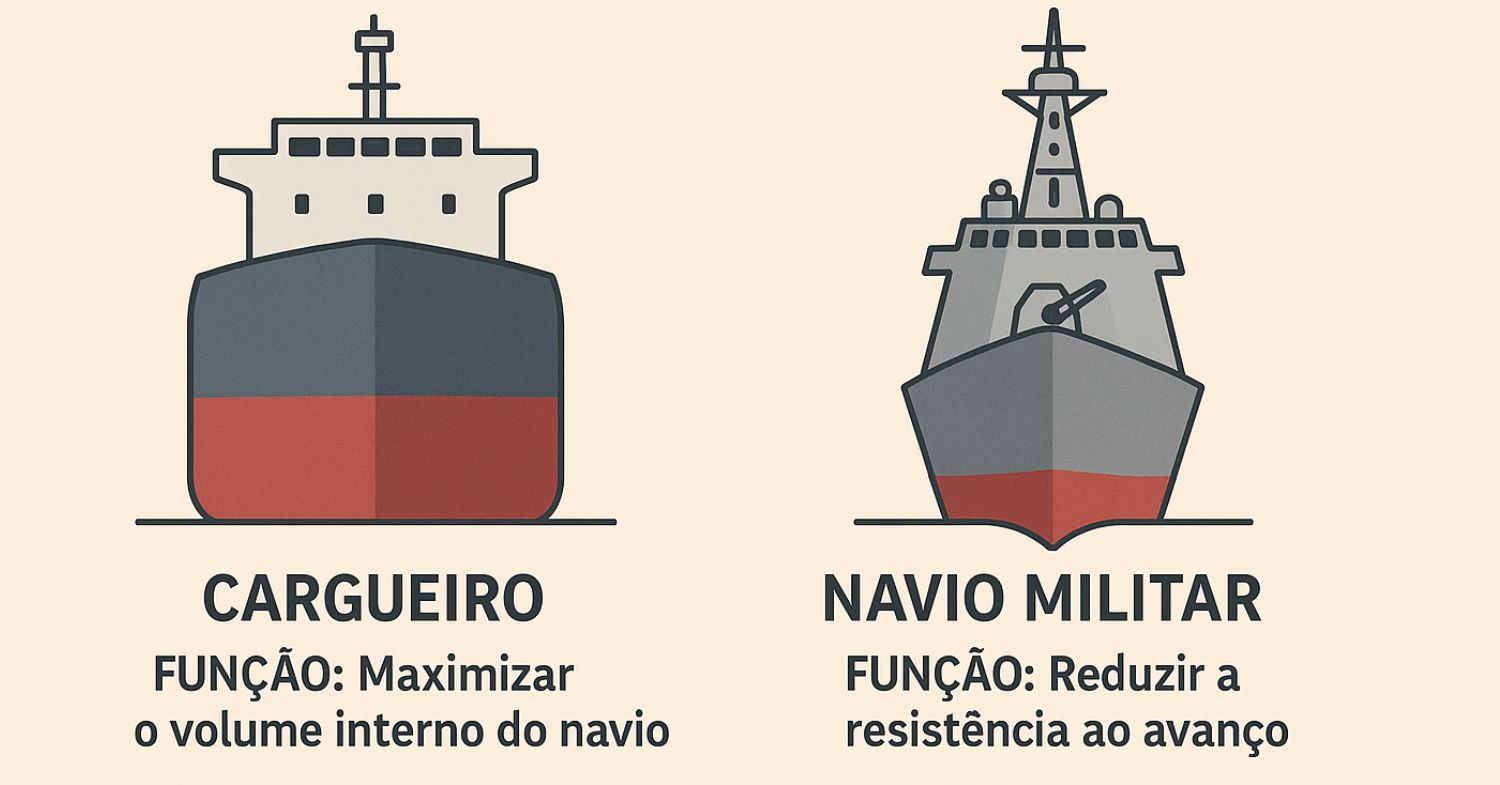
You May Have Noticed That Some Ships Have A Straight Bow While Others Have That Pointed And Elongated Shape That Seems To Cut The Waves? This Difference Is Not Aesthetic: It Reveals A Lot About The Type Of Mission Of The Ship, The Expected Performance, And What It Carries. Learn About The Main Types Of Ship Bows And What The Shape Reveals About Their Function.
The bow is the front part of a ship’s hull, responsible for cutting through the water during navigation. Its shape plays a decisive role in the performance of the vessel, both in stability and in propulsion efficiency. In other words, the form of the bow helps determine how the ship behaves at different speeds, sea conditions, and routes. The question of “why do some ships have a straight bow and others have a pointed one” involves naval engineering, fuel consumption, types of cargo, hydrodynamic efficiency, and even military considerations. Find Out Also What The Types Of Bow Are And What They Are For: The Ideal Choice Depends On The Use Of The Boat.
Pointed Bow: Ideal For Cutting Waves Efficiently
The pointed bow, also known as the V-shaped bow or raised bow, is common in vessels that require speed, hydrodynamic performance, and smooth handling through rough seas. This type of bow has an inclined, tapered shape, often extending forward.
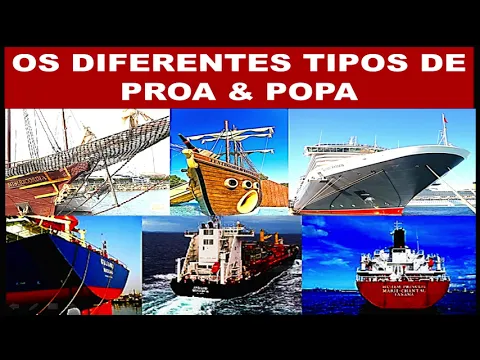

Ships With Pointed Bow:
- Military Ships (such as Destroyers and Frigates)
- High-Performance Yachts
- Fast Ferries
- Some Cruise Ships
- Ocean Patrol Vessels
The main benefit of the pointed bow lies in reducing hydrodynamic resistance, allowing for higher speeds with lower fuel consumption. Additionally, the shape facilitates navigation in choppy waters, reducing the impact of waves on the hull structure.
-
(Video): Italian pilot lands plane on moving train at 120 km/h and achieves unprecedented feat in aviation, even with a narrow runway and without direct visual contact.
-
It seems to have come out of a science fiction movie: A Brazilian city where it rains almost every day, recording over 4,000 mm per year, driven by climatic factors — a direct result of its strategic location in the Amazon.

-
The water crisis that could change everything this year has already begun; it’s not just about the climate, it affects technology, raises product prices, and can halt entire companies without warning.

-
A Japanese mason transforms raw granite into small cups and handcrafted utensils, collects giant stones, cuts with precision, and impresses with detailed manufacturing and finishing.


This type of bow is especially useful in missions that require quick response, long routes, or constant speed, as is the case with warships.
Straight Bow: Stability For Heavy Cargo And Maximum Volume Efficiency
On the other hand, the straight bow, also called the vertical bow or cut bow, has become popular in modern cargo ships, such as container ships, bulk carriers, and tankers. Its main advantage is providing more usable space in the hull and better volume distribution.
Ships With Straight Bow:
- Container Ships
- Bulk Carriers
- General Cargo Ships
- Tankers (oil, chemicals)
- Modern Ocean Tugs
The question, “why do some ships have a straight bow?” has a simple answer: volume efficiency and operational cost. With a straight bow, the ship can carry more cargo per linear meter of length without compromising buoyancy.
Although they experience greater impacts in rough seas, this type of ship prioritizes capacity and economy over speed performance. As most cargo ships travel at constant and moderate speeds (between 12 and 20 knots), refined hydrodynamics are not a priority.
The Choice Of Shape Depends On The Mission Of The Ship
The shape of the bows of ships does not follow an aesthetic or industrial standard. It is chosen based on the mission of the vessel, which may include:
- Transporting Heavy Cargo
- Speed And Maritime Interception
- Fuel Economy
- Access To Shallow Ports
- Stability In Different Sea Conditions
So, when we observe a freighter with a straight bow and a military ship with a tapered bow, we are witnessing the practical application of engineering to optimize every centimeter of the hull based on different objectives.
Most Common Ship Bow Types In Naval Engineering
To better understand the variety of designs, here are the main types of ship bows used in the modern industry:
V Bow (Pointed)
Traditional shape in military ships and fast vessels. Allows cutting waves more smoothly.
Straight Bow (Vertical)
Popular in cargo ships, container ships, and oil tankers. Maximizes internal volume and simplifies the docking process.
Bulbous Bow
Features a “bulb” below the waterline, used to reduce hydrodynamic drag. Common in large vessels.
Wave-Piercing Bow
More recent, this bow “enters” the waves instead of cutting through them. Widely used in luxury yachts and futuristic ships.
Flared Bow
Expanded shape at the top, protects against wave splashes. Used in cruise ships and offshore support vessels.
Each shape has a reason for being, based on computational simulations, tests in hydrodynamic tanks, and decades of experience in naval design.
Military Ship Bow: Performance Above All
Military Ships typically use sharper and more elongated bows, as they need to achieve high speeds, perform quick maneuvers, and withstand rough seas during complex operations. In the cases of destroyers and frigates, the hull is optimized to cut through the water with minimal resistance.
Additionally, modern war vessels have begun adopting bows with a negative angle (tilted inward) to reduce radar signature and improve stealth capability.
Cargo Ship Bow: Stability And Capacity
On the other hand, the cargo ship bow is designed to maximize stability and cargo capacity. This means sacrificing refined hydrodynamic shapes in favor of straight lines, bulky structures, and less sensitivity to waves.
Transporting thousands of tons of ore, grains, or oil does not require speed, but rather economy per ton transported. Each cubic meter used efficiently represents profit.
The Influence Of Fuel Consumption And Emissions
Another key point that helps explain why some ships have a straight bow while others have a pointed one is the impact of shape on fuel consumption. The shape of the hull, especially the bow, directly affects the drag coefficient of the ship.
Ships that need to reduce carbon emissions, for example, have adopted optimized bulbous bows, which generate fewer waves and allow the use of less powerful engines with better efficiency.
In the case of slow and heavy ships, the straight design simplifies construction and facilitates the use of more robust propulsion systems, with less sensitivity to pressure variations on the waves.
Trends: New Bows For New Challenges
In recent years, new bow models have begun to emerge, mainly with advances in computational modeling and the pursuit of more sustainable vessels. Among the highlights are:
- Inverted Bow (X-bow): used in offshore and expedition ships, improves stability and reduces impact on high waves.
- Tunnel Bow: common in shallow-draft vessels, such as barges and ferryboats.
- SWATH Bow: used in catamarans and scientific vessels, provides extreme stability with two submerged hulls.
These new geometries show how the function of the bows of ships evolves according to commercial, environmental, and operational demands.
The Visual Response You See In Ports And Shipyards
Anyone visiting commercial ports or observing images of large vessels may notice the visual difference between bows. The container ships, for example, look like “cut-off” ships in front, with vertical walls. On the other hand, warships and cruise ships display smoother and more aerodynamic profiles.
This difference, which may seem merely aesthetic at first glance, is the direct reflection of decades of applied naval engineering.
The Form Follows Function, Even At Sea
The question “why do some ships have a straight bow and others a pointed one” finds its answer in the mission of each vessel. Fast ships need to cut through the water. Heavy ships need to carry more. Some need to face open seas. Others need to dock precisely in shallow ports. And each design choice — from curvature to angle — has a technical justification.
Understanding the types of ship bows is diving into a universe of logic, efficiency, and adaptation to the conditions of the planet. Whether in a destroyer crossing the Atlantic or an oil tanker silently docking at a terminal, the shape of the bow reveals the purpose of the ship even before it sets sail.







-

Uma pessoa reagiu a isso.