





 Portuguese
  English
  Spanish
  2 min of reading
  0 comments


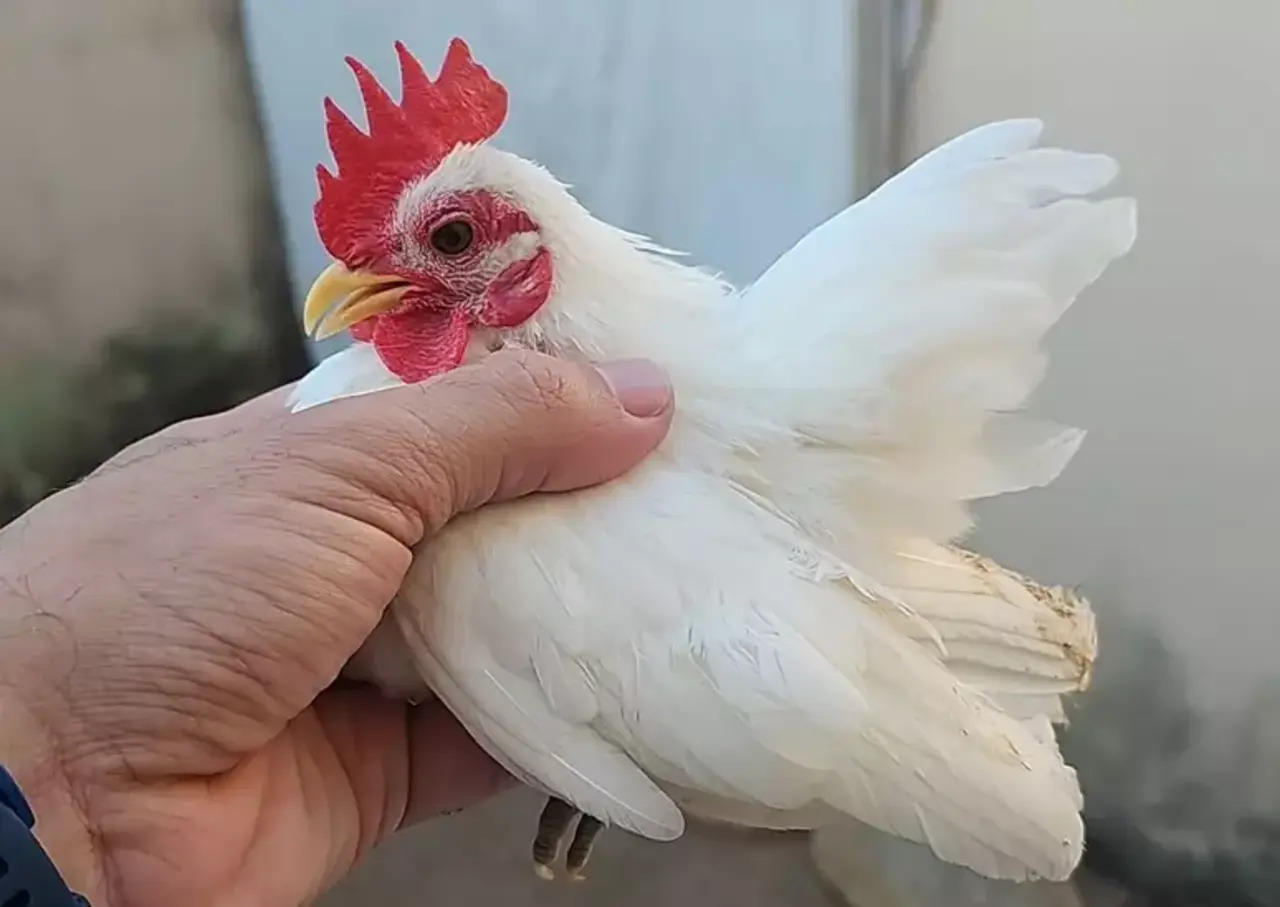
Smallest Chicken in the World, The Serama Attracts Breeders in The Interior of SP with Exotic Appearance, High Value and Eggs Worth Thousands
Small in size, but valuable in the market, the Serama has drawn attention as an ornamental bird in the interior of São Paulo. Known as the smallest chicken breed in the world, it is not raised for consumption, but as a pet and a source of income for breeders.
With only 15 centimeters in height, males weigh a maximum of 500 grams. Females, even smaller, do not exceed 300 grams.
In comparison, a regular chicken can reach up to 75 centimeters and weigh up to 2 kilograms. Despite its tiny size, the price of the Serama is high.
-
How to build a 35,000-liter cistern with 60 by 50 cm panels and rainwater for drinking and cooking without relying on water trucks or the city hall.

-
A woman went out for a regular walk and ended up finding a treasure buried for over 900 years, with more than 2,000 medieval silver coins compared by archaeologists to a lottery prize and considered one of the most significant finds in recent years in the country.

-
Scientists revealed 11 signs that very intelligent people exhibit in their daily lives, and most people have no idea that some of these common behaviors are directly linked to an above-average brain.

-
From space, Buenos Aires appears as a colossal spot of light surrounded by kilometers of darkness, revealing at a single glance the exact boundary between the metropolis and the countryside, seen from 400 km altitude.


Each bird can cost from R$ 1,000 to R$ 3,500, depending on the lineage.
In addition to adult specimens, fertilized eggs are also sold. Prices range from R$ 1,000 to R$ 3,000 per dozen, with the more expensive ones being from pure lineages.
White birds, for example, are among the most valued. These eggs are sought after by those wishing to start their own breeding at home.
The breed originated in Malaysia in the 1970s. Breeder Wee Een was responsible for crossing two other breeds: the Malaysian Bantam chicken and the Japanese Chabo.
The result was the Serama. The name comes from “Rama,” a title used by Thai kings, and refers to the bird’s upright posture.
The international popularity of the Serama gained momentum in the 2000s, especially in countries such as the United States and nations in Europe.
In Brazil, the breed only began to be officially registered as of 2014. Since then, the number of breeders and collectors interested has been growing.
With an exotic appearance, reduced size, and high market value, the Serama has established itself as more than just an ornamental bird: it has become a business opportunity for small breeders.
The search for rare lineages and the growing interest have kept the breed prominent in the exotic bird sector in Brazil.
Information from Correio 24 Horas.








Seja o primeiro a reagir!