





 Portuguese
  English
  Spanish
  4 min of reading
  0 comments


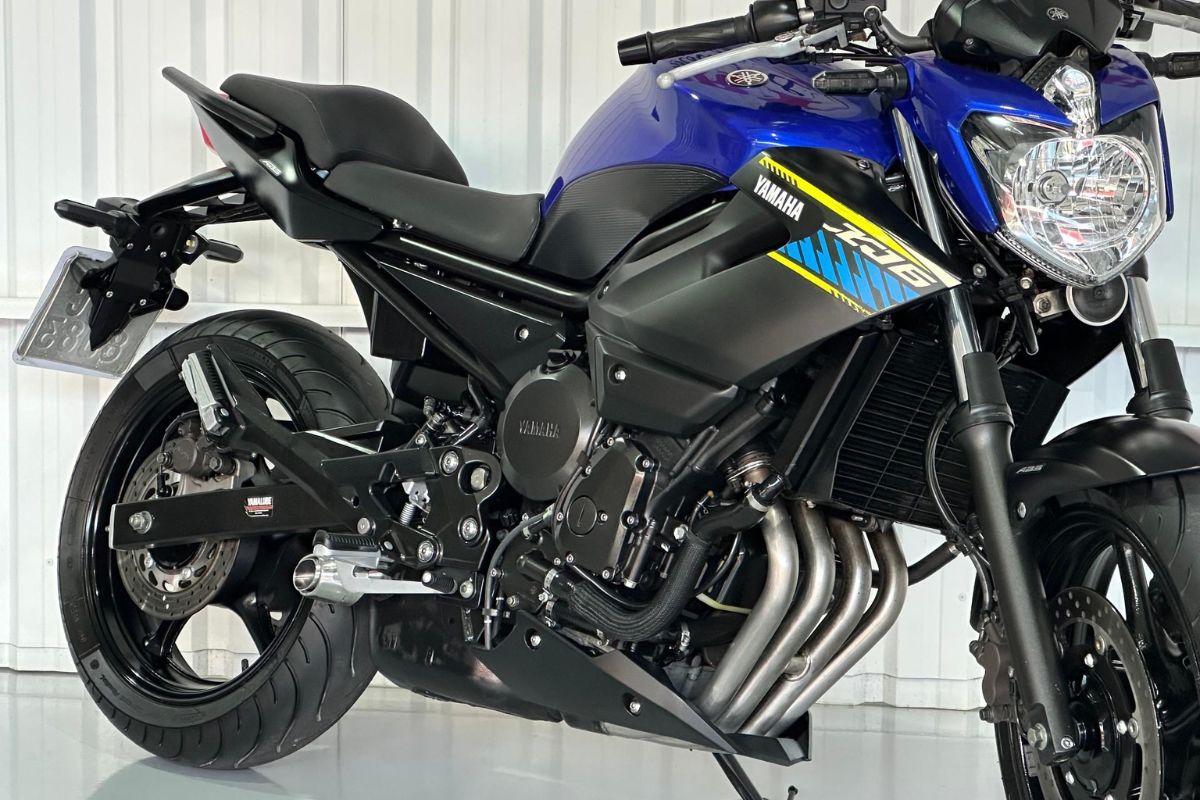
With a Gentle Engine, Superbike Roar, and Feasible Insurance, the Discontinued Yamaha XJ6 N Became an Icon in the Used Market, Being the Perfect Gateway into the World of Four Cylinders.
Even years after the end of its production in 2019, the Yamaha XJ6 N remains a phenomenon in Brazil. This discontinued bike not only maintained its relevance but also became the most sought-after four-cylinder motorcycle by riders looking to upgrade. It left a nostalgia that the market has not yet managed to fill.
The secret to its lasting success is no mystery, but rather a combination of factors. The XJ6 offered the dream of a four-cylinder engine in an accessible, fun, and primarily rational way. It was the bike you could have and, more importantly, maintain—something its main rival, the Honda Hornet, never managed to offer the majority.
The Story of the XJ6 in Brazil: From Its Launch in 2010 to the ABS Version in 2015
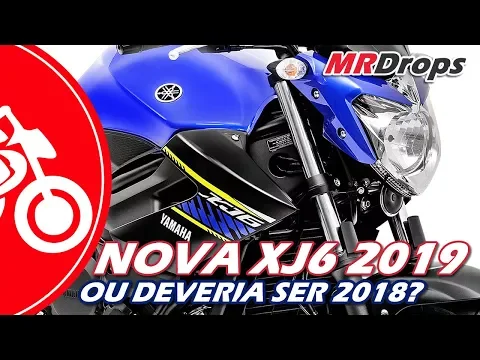
The Yamaha XJ6 was officially launched in Brazil in 2010, with the mission of succeeding the FZ6 line and competing in the thriving 600cc naked segment. With an aggressive and modern design, one of its highlights was the short, centralized exhaust, which gave the rear a clean and muscular look.
-
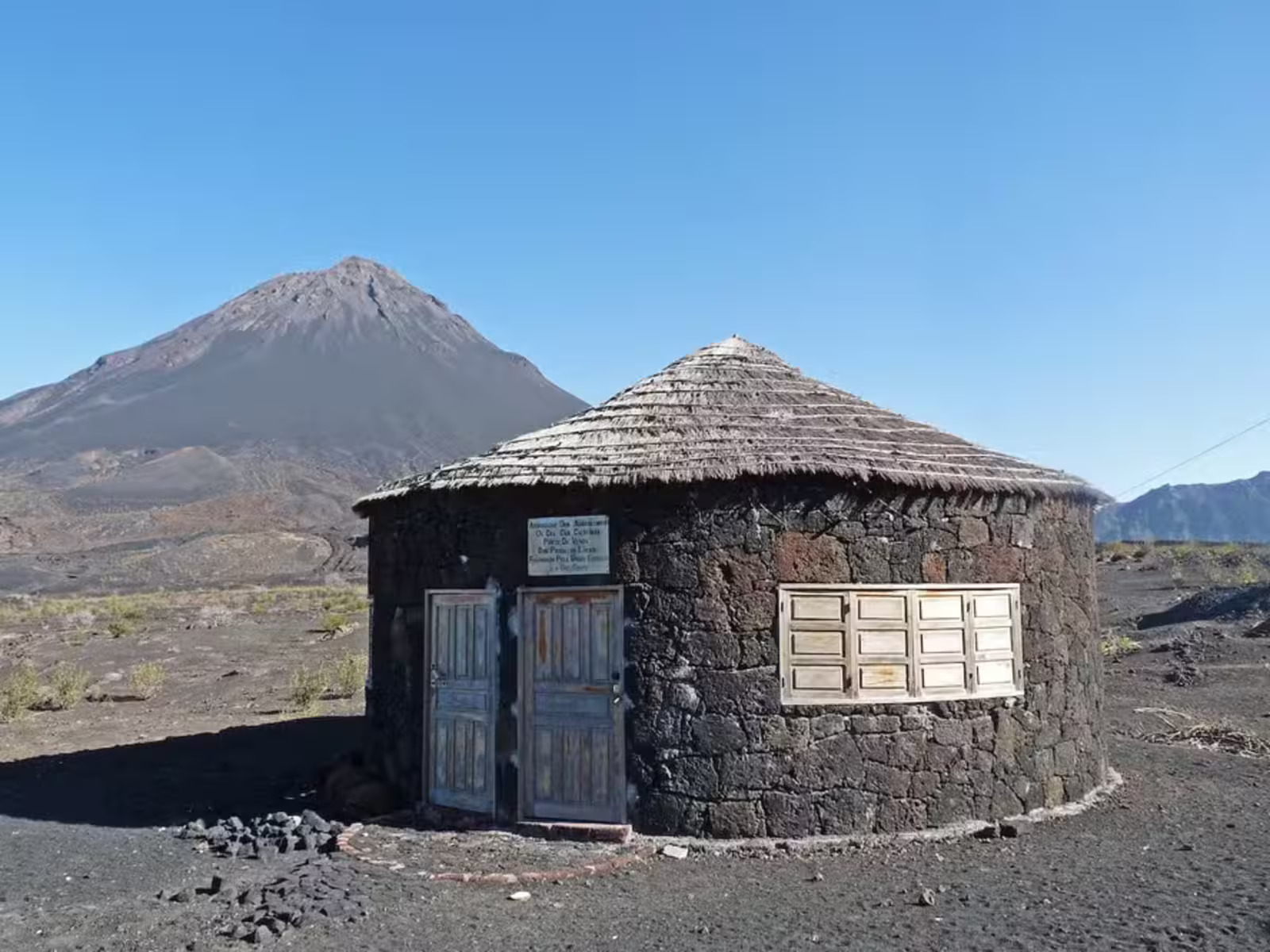
Inside an active volcano in Africa, residents use volcanic rocks to build houses in an impressive setting.
-
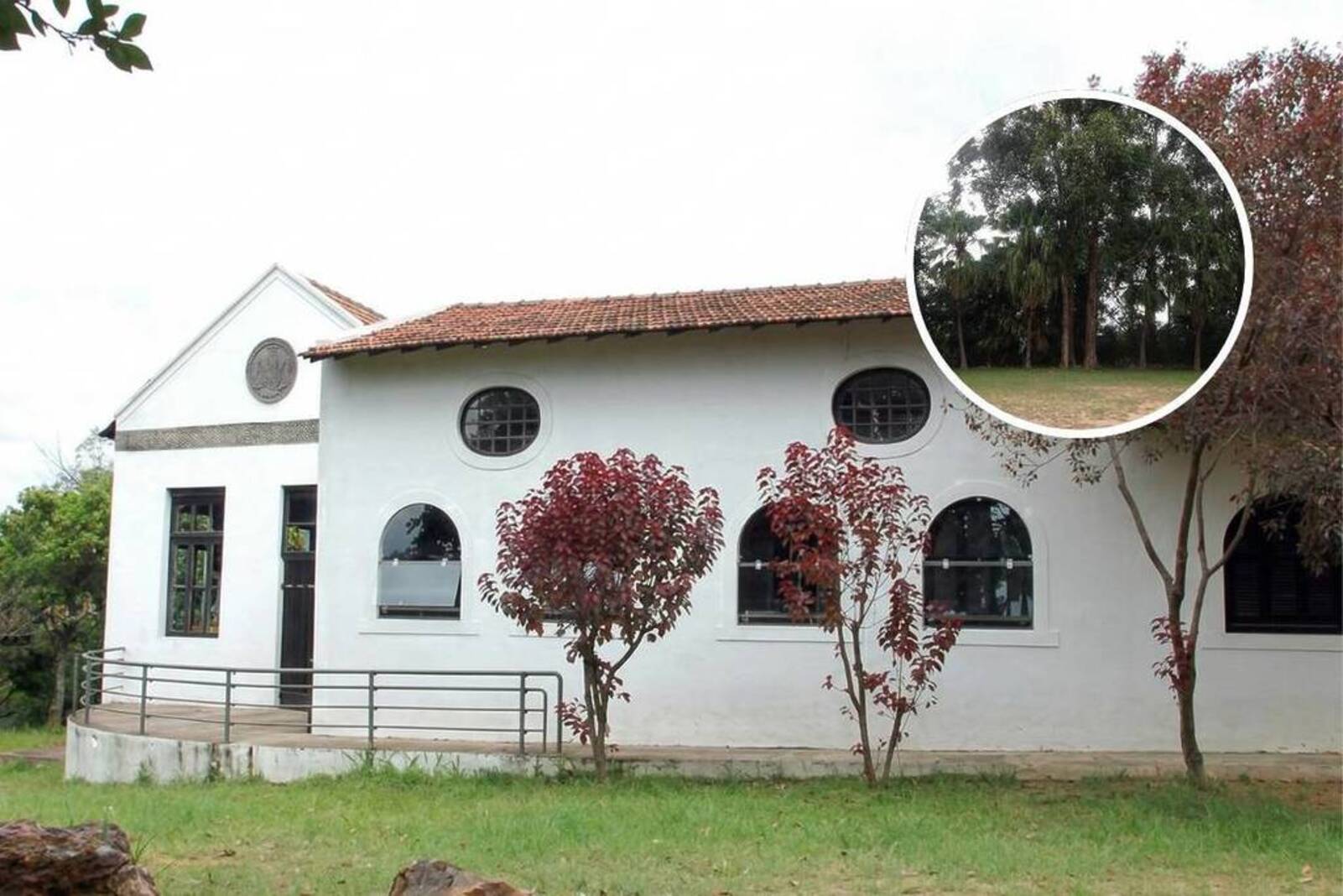
After 14 years of waiting, a rammed earth mansion built in 1702 in the North Zone of São Paulo will become a park with leisure facilities and green areas, with a million-dollar investment.
-
With 2 unfinished nuclear reactors, up to 25 billion in costs, and proven fraud, the Nukegate case has left 800,000 consumers still paying today for energy that will never be produced.

-
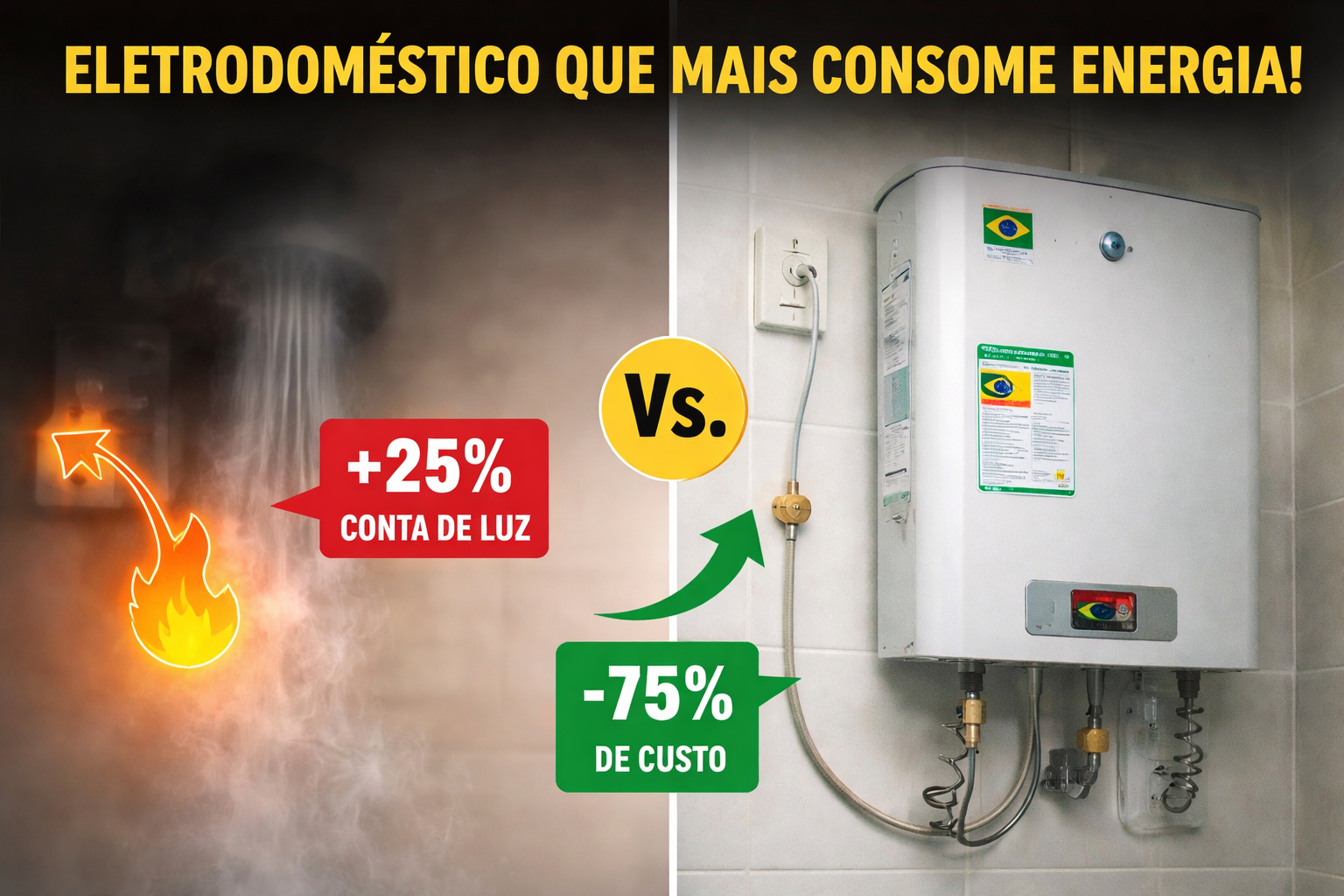
The household appliance that consumes the most energy in Brazilian homes is not the air conditioner; it is located in the smallest room of the house, is used daily, and can account for up to 25% of the electricity bill, while an alternative in the same outlet can reduce this cost by up to 75%.

In 2013, the bike received a facelift, featuring new fairings that made its appearance sharper. The most important milestone, however, came in 2015, with the introduction of ABS brakes as an option, a crucial safety item that further increased its appeal. Its production continued until 2019, when it was discontinued.
The “Tamed” 600cc Engine: The 77.5 HP That Made It Gentler Than the Hornet

The heart of the XJ6 is a 600cc inline four-cylinder engine derived from the supersport YZF-R6. However, Yamaha made significant reengineering to “tame” the beast. The result is an engine that delivers 77.5 HP of power and 6.09 kgf.m of torque.
Yamaha’s genius was in adjusting the engine to deliver its power at low and medium RPMs. This made the XJ6 an extremely gentle and easy-to-ride bike in traffic, without the “kicks” of power at high revs. Even so, it retained the most desired feature of a four-cylinder: the sharp sound, a whistle that became its trademark.
Why the Hornet’s Insurance Made the XJ6 the Rational Choice?
The rivalry between the XJ6 and the Honda CB 600F Hornet marked an era. The Hornet was undoubtedly the more powerful, with its 102 HP. However, the battle for the Brazilian garage was won by the XJ6 for a very practical reason: ownership costs.
The Hornet always carried the reputation of being one of the most stolen bikes in Brazil. As a result, the insurance cost was prohibitive for most people. The XJ6, being less powerful and “less targeted,” had much cheaper insurance policies. This difference, for many, made the dream of owning a four-cylinder financially achievable.
The Price of R$ 43,230 in 2024 and What to Look for Before Buying
Today, the XJ6 is a queen in the used market. A consultation to the FIPE Table in June 2024 showed that a 2019 model, its last year, had an average price of R$ 43,230. Well-preserved units with low mileage are sold for even higher values.
For those looking for this discontinued bike, attention is required. It is essential to verify if the bike has the red key, which is the master key for coding new keys. Additionally, it is important to check for original parts, such as the exhaust, and look for signs of abuse, like “burnout” marks on the tire or white smoke coming from the engine.
How the Discontinued Bike Became a Legend of Street Culture

The impact of the XJ6 extended beyond the asphalt and dealerships. The bike became an icon of the “wheelie” culture, the practice of popping wheelies and performing tricks. Its predictable torque at low RPMs and robust engine made it the perfect tool for practitioners.
This fame was amplified by videos on YouTube and TikTok, which went viral and gave the XJ6 a street credibility that no advertisement could achieve. This created a fascinating dual identity: the XJ6 was both the sensible choice for motorcyclists upgrading their category and the radical machine for urban culture.







-

-

-

-

-

-

38 pessoas reagiram a isso.