





 Portuguese
  English
  Spanish
  6 min of reading
  0 comments


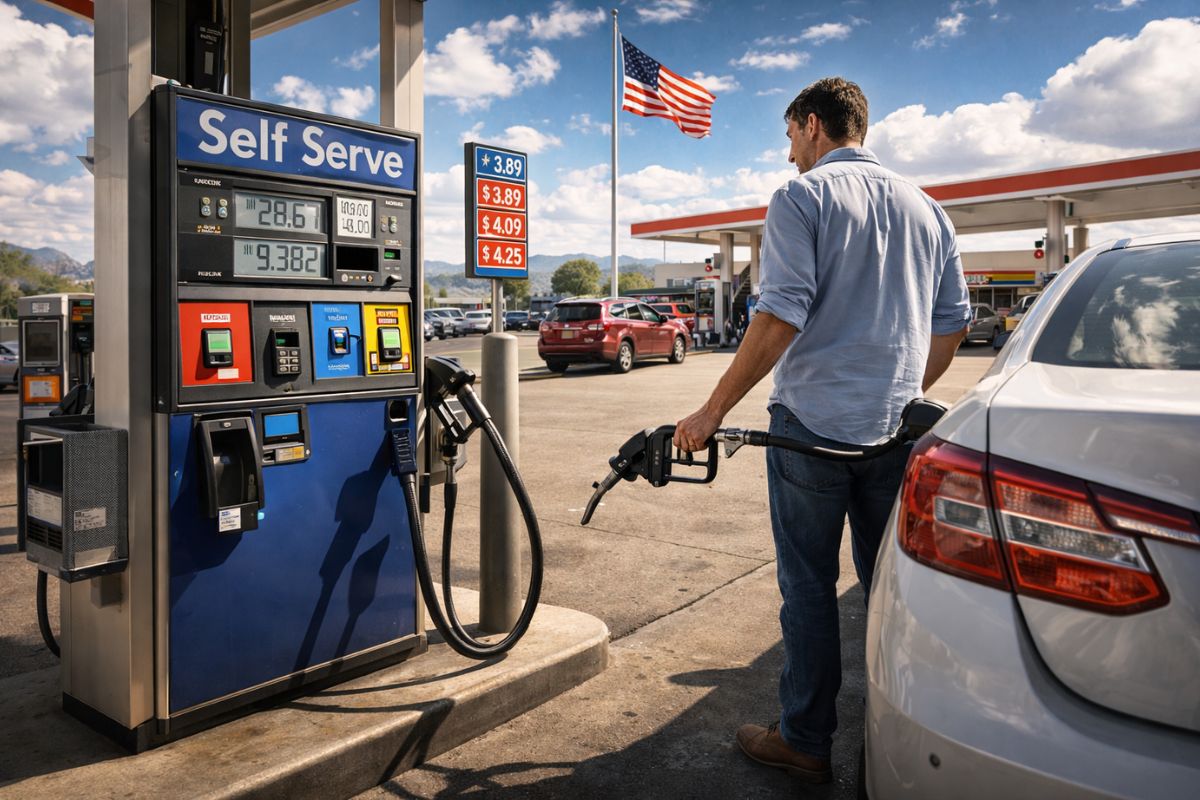
The End Of The Attendant In The United States Did Not Happen By Accident: The Combination Of Oil Crisis, Operating Cost, Self-Service Culture, And Search For Efficiency Transformed The Stations And Helped Keep Gasoline More Affordable.
The attendant still causes strangeness in many Brazilians when the subject is fueling in the United States. Those who arrive in the country for the first time tend to stop at the station waiting for service, but soon realize that the pattern is different: in most cases, it is the driver himself who does everything, from payment to fueling.
This change did not arise solely from a cultural difference. The absence of attendants in the United States is linked to economic decisions, changes in habits, and how the country reorganized its stations over time. What seems normal there today was the result of a transformation that gained strength especially from the 1970s.
Attendants Used To Exist At Stations In The United States
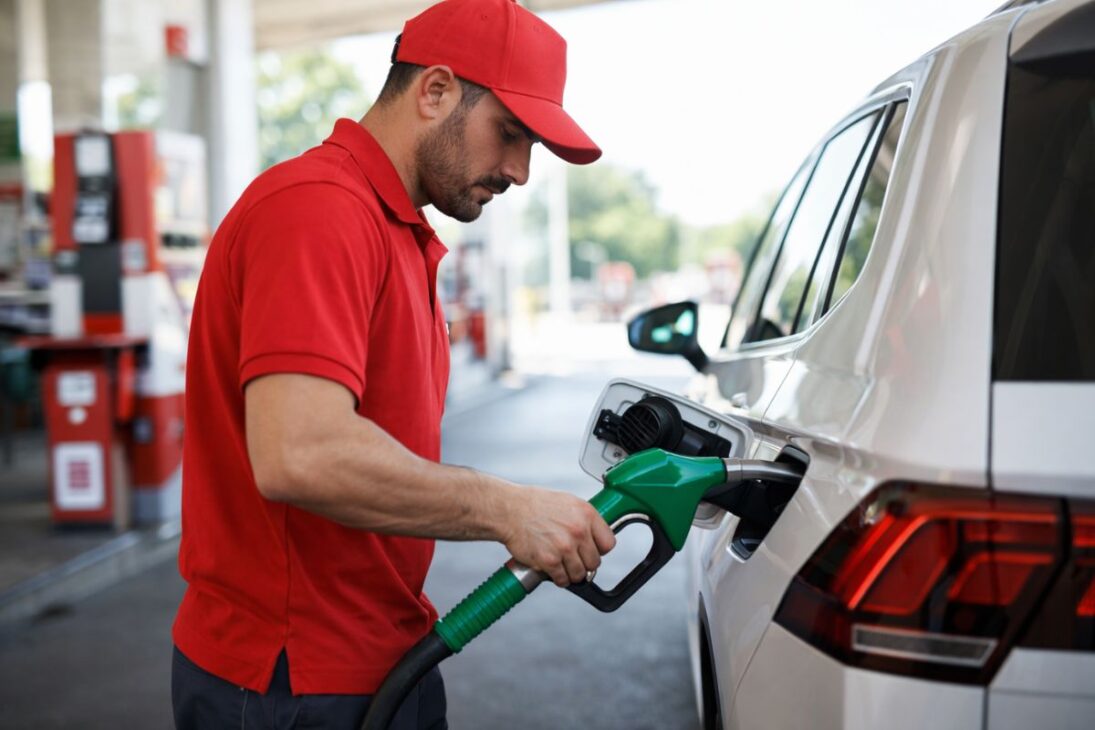
Many people imagine that American stations have always operated on a self-service model, but that is not true. According to the provided data, between the 1920s and 1950s, there were indeed attendants in the United States.
-
China is building a city in Brazil: a complex with an investment of R$ 5.5 billion comes to light, but allegations involving workers draw attention.
-
While Argentina buys old war equipment, Brazil is keeping an eye open and joins the select group of nations with advanced military technology by investing $5.2 billion, producing 36 Gripen fighters in the country, and reducing operational costs.
-
Brazil on alert? Why invading Brazil is a NIGHTMARE for the USA: 8.5 million km², 213 million inhabitants, Amazon covering 60% of the territory, trillion-dollar war, and resistance that even 13,000 aircraft could not control.
-
How to build a floating island from scratch with reeds, giant blocks, and stakes in the lake in a process that needs to be repeated almost every day.


During that period, the professional not only fueled the car. They also cleaned the windshield, checked tires, checked oil, and assisted in small maintenance tasks for the vehicle. It was a more personal and comprehensive service, similar to what is still seen in Brazil.
The Oil Crisis Changed The Logic Of Stations
The major turning point occurred in the 1970s, especially during the oil crisis of 1973. With costs rising, stations needed to reassess expenses and find ways to continue operating without passing so much burden to the consumer.
It was in this context that the role of attendant began to lose ground. If maintaining staff was already expensive, the crisis made that expense even more sensitive. Business owners needed to cut costs, and one of the most direct ways to do this was to reduce the service structure at the stations.
Self-Service Fitted Into American Culture
The self-service model had already gained traction in the United States in other areas, which helped in the adaptation. The logic of the consumer handling the purchase, assembling the order, or executing part of the process already made sense for a society used to practicality and speed.
When stations began testing fueling without attendants, acceptance was high. The customer would stop, pay, fuel, and continue on their way without relying on intermediaries. What started as a cost-saving solution became a standard operating procedure.
This point is important because the change was not only sustained by financial considerations. It also progressed because it aligned with a behavior already present in the daily life of the country.
The Cost Of Labor Weighed In The Decision
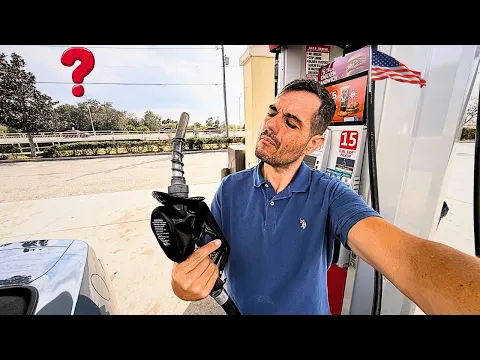

Another central factor for the disappearance of the attendant in the United States was the cost of labor. The material highlighted that employees are expensive, that salaries are higher compared to Brazil, and that the processes and insurances related to operations also weigh heavily.
In practice, maintaining a station full of employees meant raising expenses in a sector where price is decisive.
If the consumer could do it themselves and the station could operate with lower costs, the self-service model became more advantageous for the business.
This reasoning helped consolidate the idea that economic efficiency was more important than maintaining traditional service in fueling.
Fewer Attendants, Lower Gas Prices
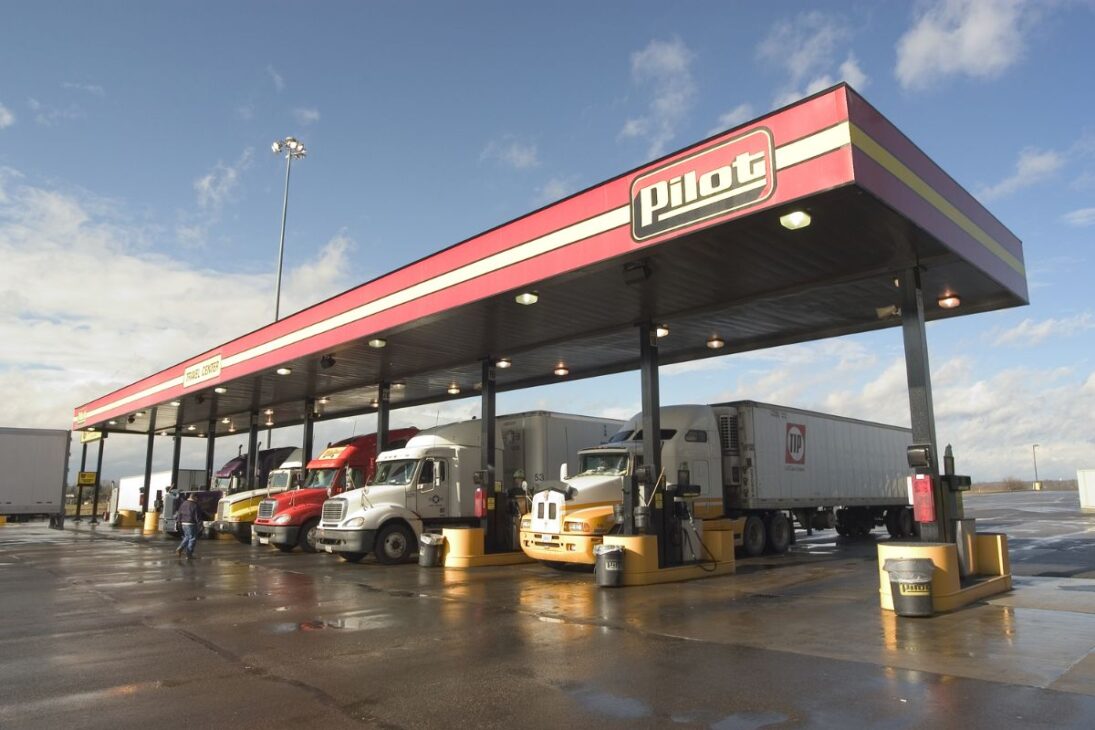
The basis of the video directly relates the reduction of staff to the ability to keep gasoline prices down.
By cutting the service structure, stations could operate with lower fixed costs, which helped maintain fuel at a more competitive price.
In other words, the disappearance of the attendant was not seen merely as a reduction in personnel, but as part of a reorganization that allowed continued sales and consumption.
The logic was simple: lower operational costs, greater efficiency, and a better chance of offering a better price to the driver.
The Stations Became Convenience Centers
At the same time that fueling became automatic, the stations also began to gain strength as convenience points.
The material shows that almost every major chain offers a store with coffee, drinks, snacks, ice, ATMs, quick products, and even ready-to-go orders.
This helps to understand why the American station went far beyond just the fuel pump. Without relying on attendants for the basic operation, the model began to focus energy on self-service and quick consumption within the store.
Thus, the station transformed into a functional space, where the driver fuels, enters, purchases what they need, and continues their routine without much delay.
How The Driver Fuels Without Attendant
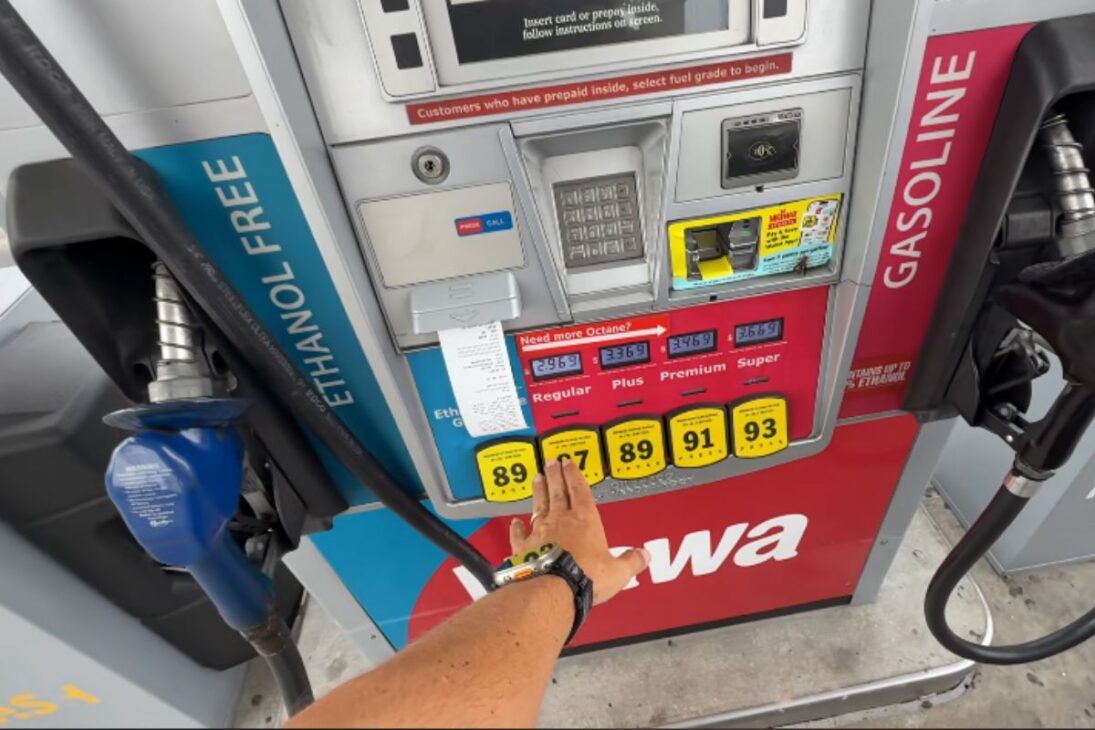
In the United States, fueling is usually done in two ways. The first is directly at the pump, with a card. The second is paying beforehand at the convenience store and informing the pump number.
Without attendants, the driver selects the type of gasoline, makes the payment, and uses the hose to fuel.
The system stops automatically when it reaches the amount or the tank limit. Everything is designed for the operation to be quick and straightforward, even for those who have never done this before.
There are also items available at the station to clean the windshield, sanitize hands, and check tire pressure, reinforcing the user’s independence.
Some Places Still Kept Attendants For A Long Time
Although self-service has dominated almost the entire country, the provided data highlights that for many years two states required attendants to be mandatory by law: Oregon and New Jersey.
The report also mentions that there are still rare cases in places like New Jersey, Oregon, and even some spots in Massachusetts, especially at roadside stations.
In these locations, service may even include tips, a practice that the narrator mentions having adopted on days of extreme cold.
But the main point remains the same: these cases are exceptions, not the rule. The standard in the United States remains that the driver does everything themselves.
The American Priority Was Cost And Efficiency
While in Brazil the presence of the attendant is also linked to safety and job creation, the American logic was oriented by a different axis. According to the provided data, the priority in the United States was cost and efficiency.
This helps to explain why technology and self-service gained so much strength in the country. It is not about a lack of work, but rather an economic choice considered more rational for the sector.
If the operation works without direct human service, the American system tends to favor that alternative.
Why There Are No Attendants In The United States
Ultimately, the answer combines several factors that mutually reinforce each other. There was a time when the attendant existed and was part of the routine at the stations.
Then came the oil crisis, rising costs, labor burdens, insurances, processes, and the strength of self-service in local culture.
As a result, the model changed profoundly. The American station ceased to be a complete service space to become a lean, fast operation centered on the consumer itself.
And this transformation helped consolidate the image that many people today associate with the United States: fueling oneself as something normal, automatic, and part of the routine.
And you, do you think the attendant-free model would work well in Brazil, or does it still make more sense to maintain the service as we know it today?






-

Uma pessoa reagiu a isso.