





 Portuguese
  English
  Spanish
  5 min of reading
  0 comments


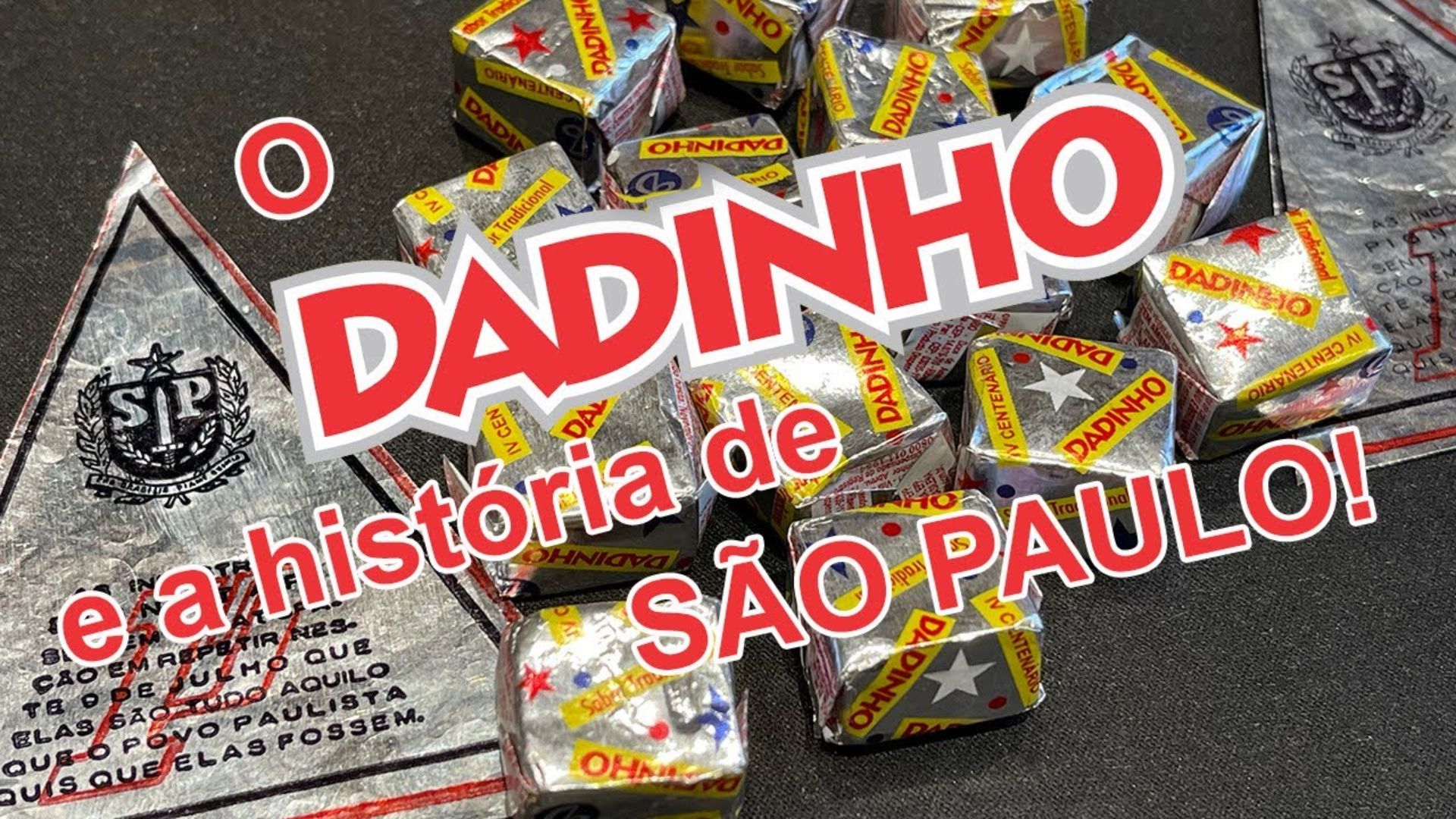
Small, Iconic And Wrapped In Silver Paper, The Candy Dadinho Emerged In São Paulo During The Celebrations Of The IV Centenary And Became A Symbol Of Affective Memory For Generations Of Brazilians.
When mentioning classic sweets from Brazil, Dadinho stands out as one of the most emblematic and recognized throughout the country.
With its originally cubic shape, soft texture and distinctive peanut flavor, this candy has been a constant presence on the shelves of bakeries, grocery stores, and children’s parties since its creation on January 25, 1954.
The launch took place during the celebration of the 400th anniversary of the city of São Paulo, an occasion marked by great festivities and tributes to the capital.
-
He started running at 66 years old, broke records at 82, and is now a subject of study for having a metabolic age comparable to that of a 20-year-old, in a case that is intriguing scientists and inspiring the world.

-
Oldest tree on the planet reappears after 130 years of searches: Wattieza, 385 million years old, was 10 meters tall and had no leaves or seeds; Gilboa fossils in New York solved the mystery in 2007.

-
A 48-square-meter house assembled in hours with 4,000 bricks made of recycled plastic that does not absorb moisture, has natural thermal insulation, and costs less than 90,000 reais in a complete kit.

-
Luciano Hang revealed that Havan’s air fleet has already accumulated more than 20,000 landings, 10,000 flight hours, and 6 million kilometers traveled, and he says that without the planes, the company would never have grown so quickly.

Origin Of The Name Dadinho
At the time, the company Chocolates Dizioli presented to the public a product specially created to celebrate the so-called IV Centenary of São Paulo.
The candy was named “IV Centenário” and featured as its main difference the use of peanuts in its composition, in addition to its cubic shape, innovative among the products of the time.
The choice of this shape was decisive for the rapid popularization of the nickname “Dadinho,” which would soon replace the official name and be used by both the public and the manufacturer itself.
The reason for the name Dadinho is directly related to its original shape.
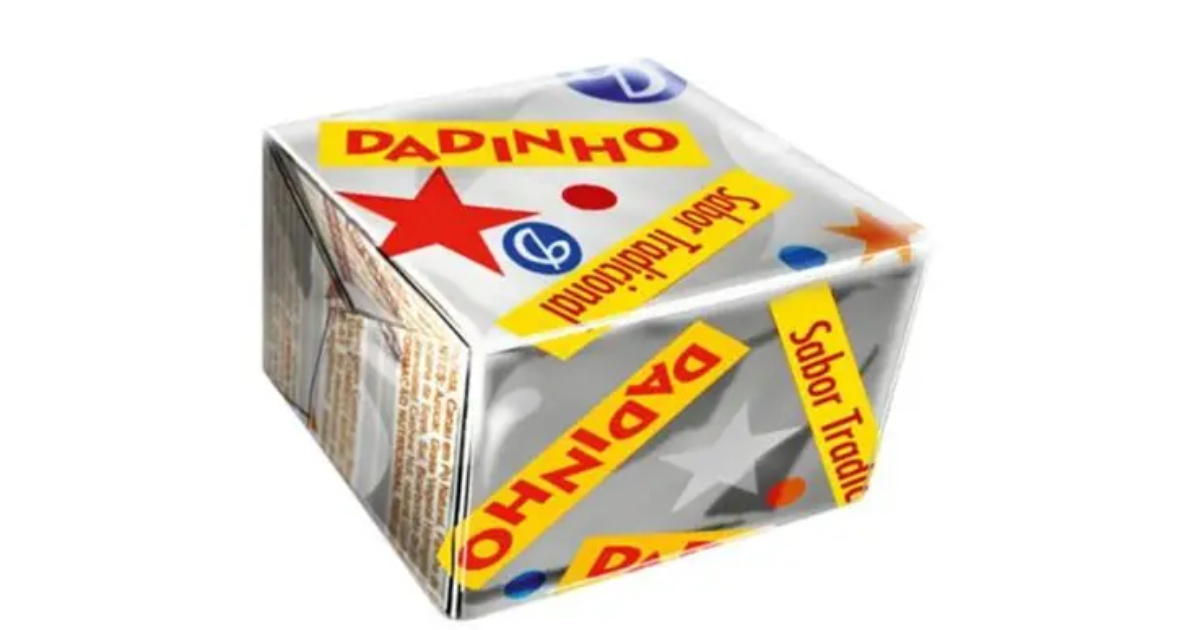
When launched, the candy visually resembled a small die, like those traditionally used in board games.
The spontaneous nickname given by consumers ended up prevailing over the initial intention to honor the historical date, consolidating itself as the official brand of the product in a few years.
Futuristic Packaging And Celebration Of The IV Centenary
The packaging also played a central role in building the identity of Dadinho.
The product was wrapped in shiny silver paper, an innovation for the time, inspired by the “silver rain” that marked the celebrations of the IV Centenary of São Paulo.
During the historic event, airplanes dropped thousands of small triangles of shiny paper over the central region of the city, especially at the Viaduto do Chá, creating a visual effect that stayed in the memory of São Paulo residents.
The packaging reflected this spirit of modernity and celebration, contributing to the association of the candy with the festive moment.
In addition to the silver paper, the visual identity of Dadinho incorporated direct references to the 1954 celebrations.
The spiral design of the “Voluta Ascendente” monument, designed by Oscar Niemeyer for Parque Ibirapuera, was reproduced on the packaging alongside colorful stars and circles, reinforcing the link between the product and the feeling of urban renewal experienced by the capital during that decade.
The visual association with the futuristic aesthetic of the 1950s was crucial for the candy to transcend generations, remaining current and easily recognized on the shelves.
Affective Memory And Brazilian Tradition
Over the years, Dadinho has become a symbol of nostalgia and affective memory for different generations of Brazilians.
Despite minor changes in its presentation — the candy currently has a slightly flattened shape, resembling a parallelepiped — the original essence has been preserved, including the intense peanut flavor, its main ingredient.
Recent data indicate that the state of São Paulo, where the candy was created, continues to be responsible for about 90% of the national peanut production, reinforcing the product’s connection to the region and its importance for the local economy.
Today, the production of Dadinho is under the responsibility of Bono Gusto Indústria e Terceirização de Alimentos, located in Ribeirão Preto, in the interior of São Paulo.
The brand currently belongs to the company Doce Sabor, which remains committed to preserving the traditional characteristics of the product while also investing in modern versions and variations of the candy to meet new market demands.
According to official information, the original recipe continues to be a reference, with minor adaptations to ensure quality and food safety.
Culture, Identity And National Presence
Throughout its more than 70 years of existence, Dadinho has established itself as a cultural and gastronomic icon of Brazil, especially in the city of São Paulo.
The candy is part of the popular imagination alongside other typical delicacies from the capital, such as pastel de feira, bauru, and the traditional mortadella sandwich.
Its constant presence at parties, schools, and businesses reinforces its role as a symbol of collective identity and affective memory.

The relationship of Brazilians with Dadinho goes beyond simple consumption.
The candy is often associated with childhood memories, family interactions, and moments of celebration.
“Dadinho has always been present at birthdays and in school lunchboxes. Even today, when I see it, I make a point of buying it to remind me of those times,” reports a consumer from São Paulo, highlighting the emotional value that the product has gained over the decades.
Despite the transformations in the market and the food industry, Dadinho maintains relevance and guaranteed presence among the leading candy brands in the country.
The secret to this success lies in the combination of tradition, authentic flavor, and a story directly connected to the development of São Paulo and the journey of its inhabitants.
The Candy Dadinho In The Brazilian Imaginary
In a scenario filled with options and innovations, Dadinho remains unmistakable, both in appearance and flavor, proving that simplicity and attachment to origins still have space in the palate and memory of Brazilians.
The candy, which was born to mark a historic date, ended up becoming, in itself, a fundamental part of the story of those who grew up amid its silver packaging and its unmistakable flavor.
With a journey that mixes innovation, tradition, and affective memory, Dadinho sparks the following reflection: what is the Brazilian sweet that most marked your childhood?








Seja o primeiro a reagir!