





 Portuguese
  English
  Spanish
  3 min of reading
  20 comments


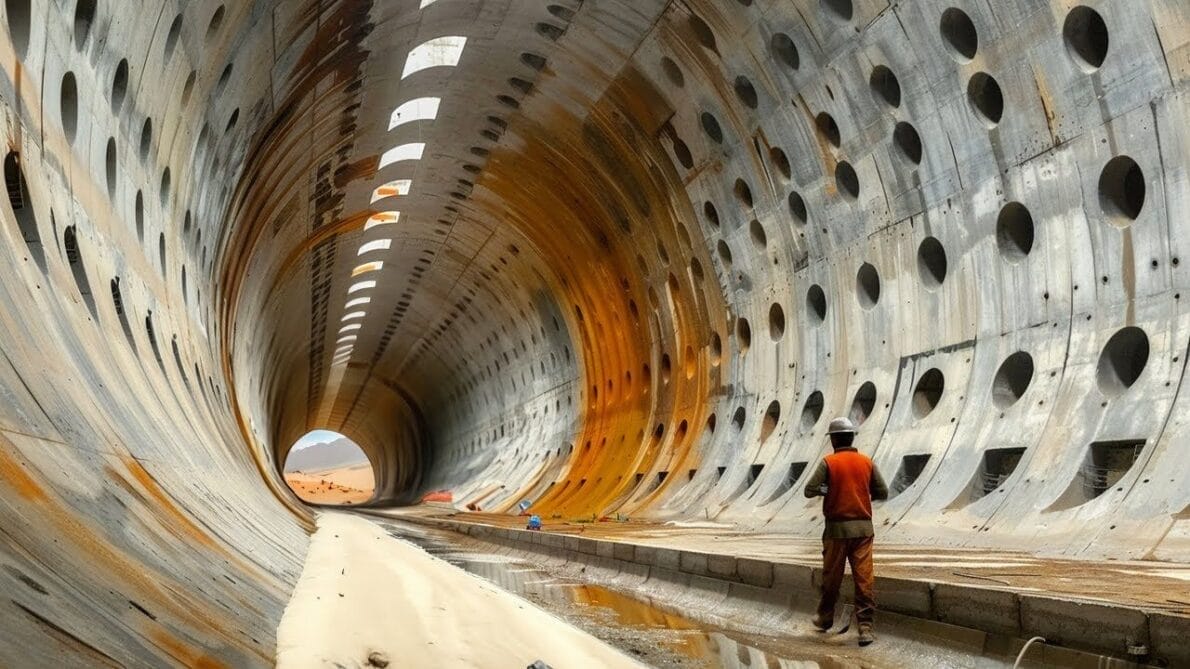

The Construction of Tunnels in the Egyptian Desert Promises to Transform the Country, Addressing Water and Energy Scarcity.
Egypt, famous for its ancient empire and its close relationship with the Nile River, is about to face a massive transformation. Due to rapid population growth and increasing demand for food and energy, the Nile can no longer meet the country’s needs. The solution? An ambitious construction of tunnels in the desert to create one of the largest artificial lakes in the world.
Located in northwest Egypt, the Qattara Depression is a vast uninhabited area, 430 km away from the Nile and 55 km south of the Mediterranean. Spanning 19,000 km² and with points reaching 133 meters below sea level, this region is about to be transformed. The plan involves filling this area with water, transporting it through tunnels and channels, ensuring a constant flow with pumping stations to combat evaporation.
Egypt Invests in Tunnels in the Desert to Revolutionize the Economy
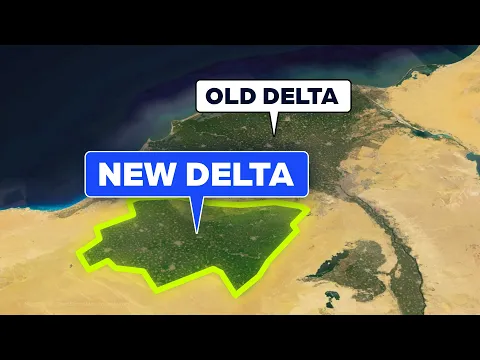

This project is not new. Scientists from various countries have been studying the idea for over a century. Inspired by works like “The Invasion of the Sea” by Jules Verne, the idea is to transform this desert region into an artificial lake that would not only provide water but also energy and food.
-
Without a blueprint, without an engineer, and using scrap from the dump, a father spends 15 years building an 18-room castle for his daughter, featuring tram tracks, 13 fireplaces, and over 700 m², which may now be demolished.
-
A megaproject worth R$ 89 billion is advancing in Iraq and promises to change the game in global trade by creating a new corridor between Asia and Europe, reducing traditional routes and repositioning the country as a logistics powerhouse.
-
Goodbye bedside table: floating shelves become a trend in 2026 by freeing up space in the bedroom, improving circulation, bringing visual lightness, and integrating technology without taking up floor space.

-
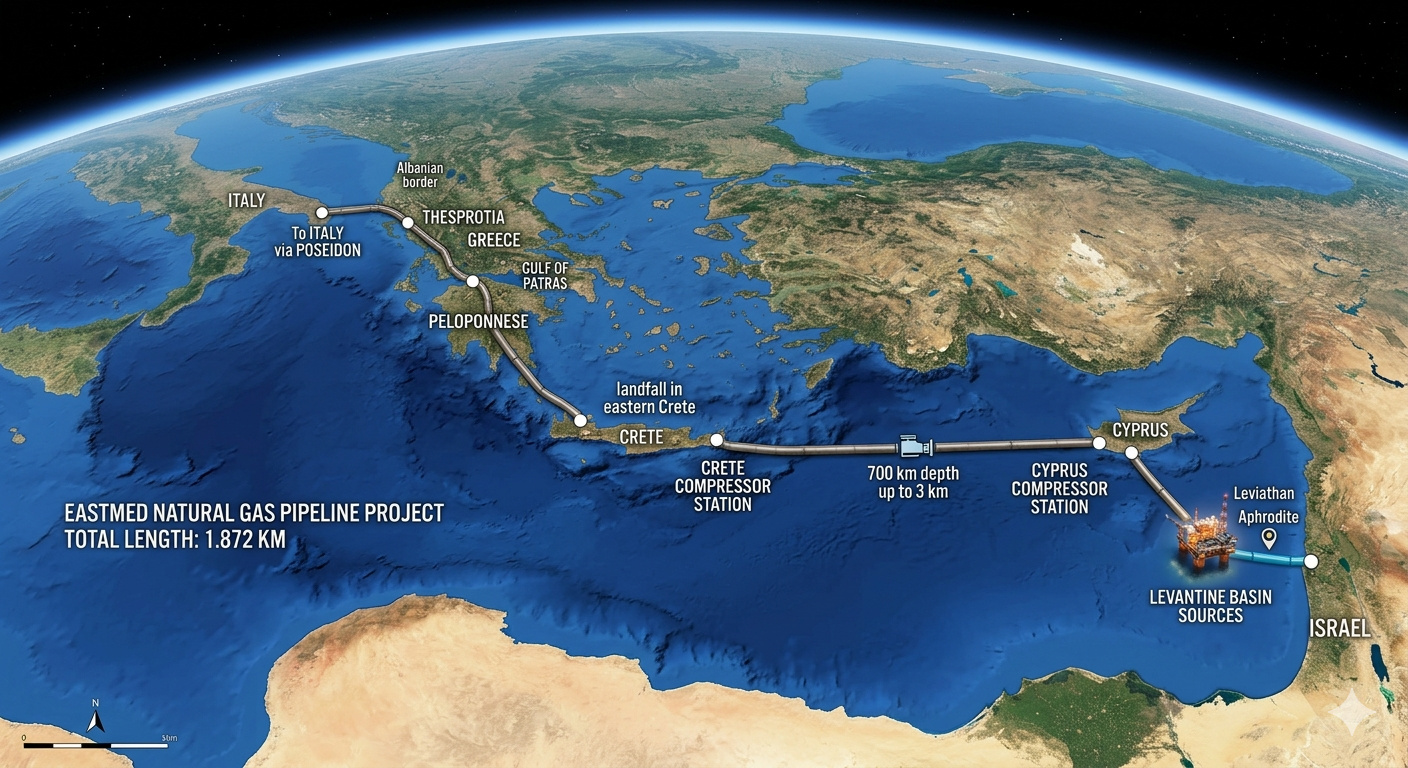
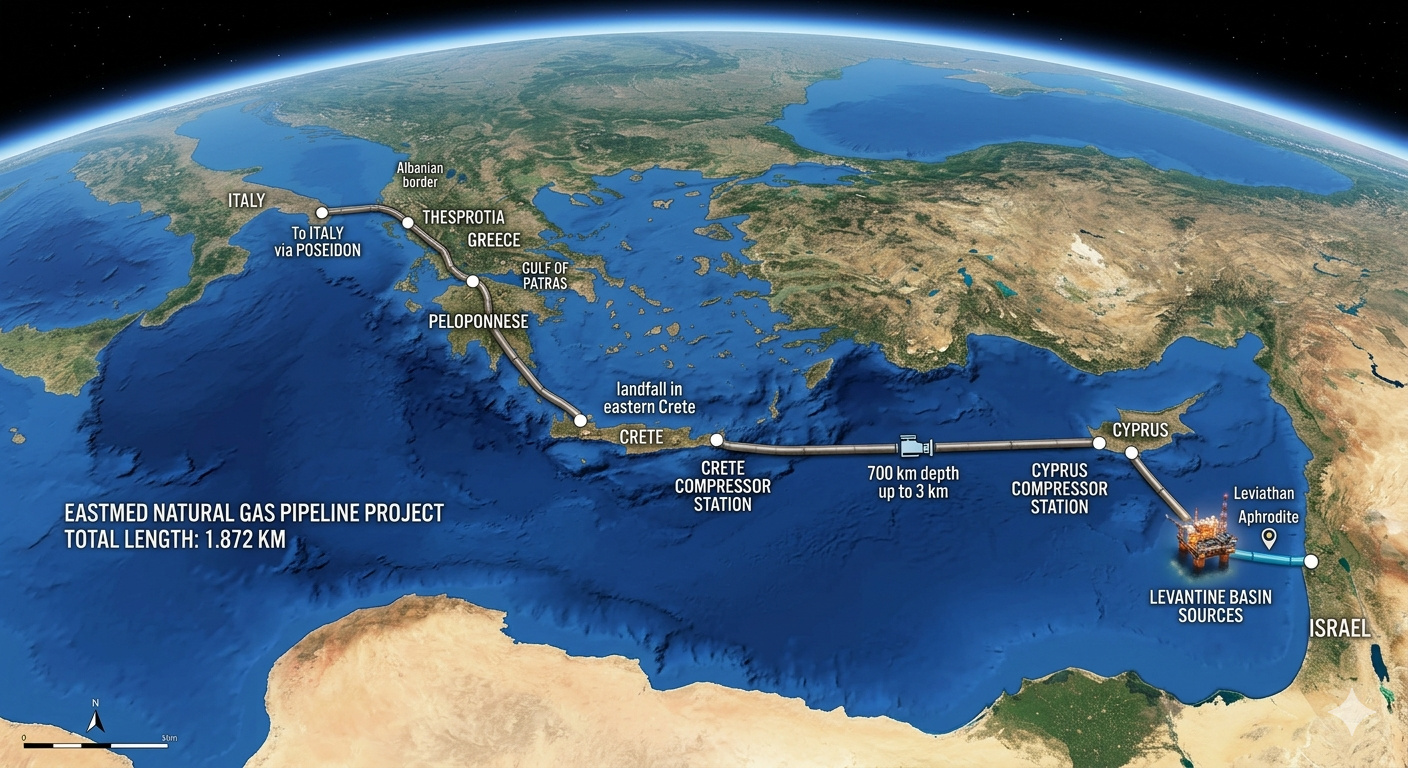
Israel, Greece, and Cyprus signed an agreement in 2020 to transport gas from the Mediterranean to Europe via a 1,872 km pipeline, but Turkey claimed sovereignty over part of the maritime route, and the project never materialized.

Since World War I, British scientists have mapped the area and considered flooding it. In the 1970s, more detailed studies suggested the construction of tunnels and channels to connect the depression to the Mediterranean. Despite technical difficulties and high costs, the idea has never been completely forgotten.
Today, with Egyptian agriculture in crisis and the country importing over US$ 50 billion in food each year, the flooding project for the Qattara Depression has returned to the discussion. The construction of tunnels in the desert is seen as a potential solution to Egypt’s economic and environmental problems.
Project Details
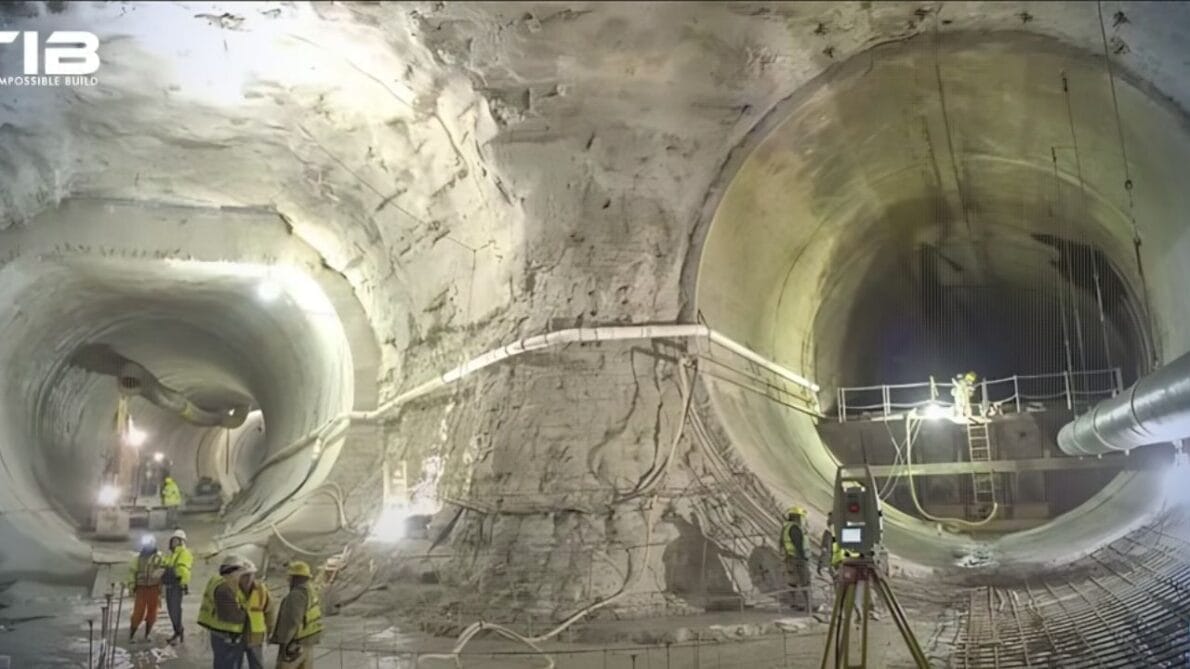
The first phase of the project involves the construction of tunnels and channels to transport water from the Mediterranean to the Qattara Depression, a distance that can vary between 55 and 100 km, depending on the chosen route. The water would flow through hydroelectric turbines installed in the tunnels, generating energy in the process.
In the first stage, the Qattara Station 1 would be built, capable of generating 670 MW. In the second stage, the capacity would be increased to over 1200 MW, and with the installation of a reversible hydroelectric power plant, total production could reach 6870 MW, enough to supply 40 million households.
Challenges and Solutions
Although the idea of using explosives to carve pathways through the mountains has been abandoned, today there are machines capable of drilling through the hardest rocks, making it feasible to transport water. The water from the Mediterranean would be highly saline, but the government is considering building desalination plants to make it suitable for agriculture.
Another option would be to use water from the Nile, which would make construction more expensive and complex, but would avoid salinity issues. However, this option carries the risk of further reducing the Nile’s flow, a mistake that could be catastrophic for the country.
The construction of tunnels in the Egyptian desert to create an artificial lake in the Qattara Depression is a bold bet to transform the economy and landscape of Egypt. With the potential to generate energy, increase humidity, and even create jobs, this project could be the key to a more prosperous future. The question remains whether Egypt will be able to overcome the technical and economic challenges to turn this vision into reality. So, what do you think of this mega construction?




Sensacional. O poder da Engenharia pode modificar o mundo, para torná-lo mais sustentável! 👍👍👍
Interessante saber que os brasileiros não fazem pesquisa adequada. Pois o Jair Bolsonaro fez a total transposição do rio São Francisco e o Lula assim que assumiu o governo mandou bloquear o canal em vários pontos. Mas a mídia passa pano nada denunciou a desfeita do molusco ao povo nordestino.
O sapo pula por necessidade não por atração. Parabéns a todos envolvidos neste projeto. O povo de lá merece ser bem tratado assim como de qualquer parte do mundo.