Portuguese
  Spanish


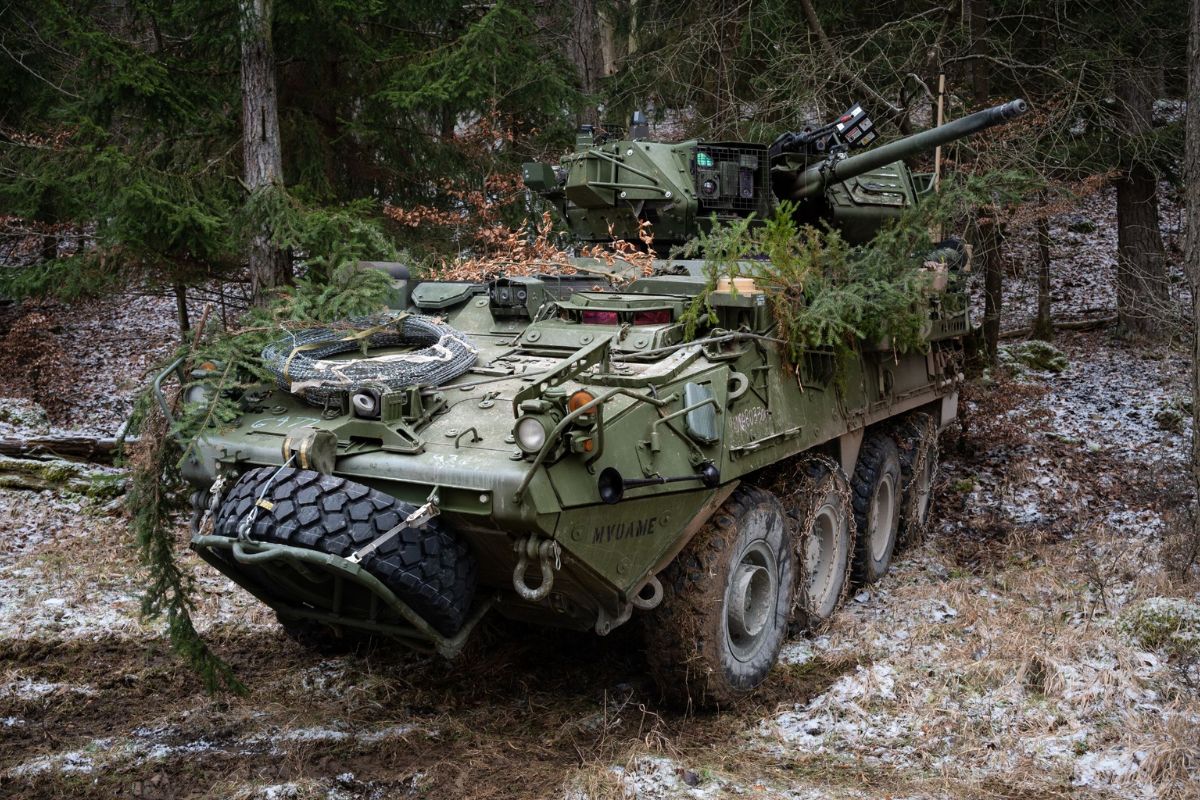


In Exercise In Southern Germany, The U.S. Army Took Stryker For 64 Km On The Autobahn To A Remote Area, Disembarked Infantry, And Tested The Dragoon With A 30 Mm Gun, In A US$ 21.6 Billion Program That Promises Mobility But Exposes Costs, Weight, And Off-Road Limits.
The U.S. Army Put The Stryker At The Center Of A Bet That Mixes Doctrine, Logistics, And Industrial Policy, And The Discussion Doesn’t Fit Into Slogans. When A Wheeled Vehicle Becomes The Official “Middle Ground” Between A Tank And A Jeep, It Also Becomes An Easy Target For Criticism.
What Was Seen In Southern Germany Was A Synthesis Of The Dilemma. A Convoy Traveled 64 Km To A Training Area, Transported Troops, Prepared Positions, And Opened Fire With The Dragoon Variant, Equipped With A 30 Mm Gun. The Scene Seems Simple, But The Subtext Is Heavy: US$ 21.6 Billion And Over 3,000 Units Allow No Room For Silent Mistakes.
The Vehicle That Became Standard And Thus Became Contested

The Stryker Is Presented By The U.S. Army As The “Agile” Piece Compared To Heavy Armored Vehicles, Such As The M1 Abrams And The Bradley, And At The Same Time “More Durable” Than Light Platforms, Such As The Humvee.
-
Engineers Develop Fridge-Sized Machine to Produce 95-Octane Synthetic Fuel from Air and Water, Aiming to Sustain Combustion Engines Without Oil

-
Two-Armed Robot Uses AI to Reassemble Destroyed Pompeii Frescoes, Solving an “Impossible” Puzzle
-
New Law in Brazil Requires Breaks for Type 1 Diabetes Management at Work, School, and Public Exams

-
Scientists Confirm “Greening” of Antarctica: Ice on the World’s Coldest Continent Turns Green as Mosses Multiply Over Tenfold in Four Decades


This Description Tries To Justify Why The Program Grew To Total US$ 21.6 Billion In Acquisitions And Upgrades, In A System That Now Exceeds 3,000 Vehicles In Service.
This Logic Explains Why The Stryker Appears In So Many Places And In So Many Missions. It Carries Nine Dismounted Infantry Soldiers, Along With The Driver And The Commander, And Serves As An Infantry Transport Vehicle, Taking The Group To The Objective For Disembarkation.
On Paper, It Is The Pragmatic Answer For A War That Requires Speed Without Abandoning Armor.
Inside The Crew And Remote Combat
The Operation Of The Stryker Depends On A Division Of Roles That Seems Routine Until The First Real Deployment. The Driver Sits In A Cramped Position, With Night Driving Assistance And Controls That Resemble A Conventional Vehicle But Within An Armored Hull.
The Vehicle Commander Accumulates Coordination And, In Practice, The Control Of Weapons Through Screens And A Joystick.
In The Dragoon Version, The Main XM813 30 Mm Gun And The Coaxial M240 Machine Gun Are Operated Remotely, With Daytime Vision Support And A Thermal Module. This Is Where The U.S. Army Tries To Resolve A Classic Contradiction: To See, Decide, And Shoot Without Exposing The Crew.
The Result Is Greater Capability To Engage Targets, But Also Greater Dependence On Electronics, Maintenance, And Training.
The Promise Of The Road And The Wet Ground Problem
The Cleanest Image Of The Exercise Is That Of The Convoy On The Autobahn, In Southern Germany, Moving Strykers Like Any Other Vehicle, Signaling And Maintaining Formation.
Powered By Diesel, The System Can Reach About 65 Mph, Reinforcing The Argument For Strategic Mobility: Leaving The Base, Traveling Dozens Of Kilometers, And Arriving Ready To Operate.
But The Same Training Exhibited The Other Side. With A Base Weight Of Around 18 Tons, Approaching 20 Tons When Loaded, The Stryker Can Struggle Off The Pavement, Especially On Wet And Sloped Terrain. There Are Features Such As Run Flat Tires And Central Inflation To Adjust Pressure, But This Does Not Change The Physics Of Mud.
The U.S. Army Gains Speed On The Road And Pays With Restrictions Where A Tracked Armored Vehicle Usually Tends To Be More Tolerant.
Protection, Lethality, And What The 30 Mm Gun Changes
The Defense Of The Program Often Relies On Two Pillars: Protection And Lethality. The Enhanced Armored Steel Hull Is Described As Capable Of Withstanding Rocket-Propelled Grenade Explosions And Improvised Explosive Devices, But Not Tank Fire.
This Line Is Important Because It Defines The Type Of Threat For Which The Stryker Was Designed And The Type Of Scenario In Which It May Be Insufficient.
In The Case Of The Dragoon, The Symbolic Leap Comes From The 30 Mm Gun. It Adds A Layer Of Fire That Is Not Just “Presence” And Allows For Suppressing Enemy Positions And Supporting The Advance Of Disembarked Soldiers. The Blind Spot Of The Debate Is That More Weapons Do Not Eliminate The Cost Debate.
The Basic Version Is Reported To Have A Price Of Around US$ 5 Million, While The Dragoon Is Presented As An Evolution That Can Reach Close To US$ 10 Million Per Vehicle, And It Is This Type Of Calculation That Pushes The Total To US$ 21.6 Billion.
What’s At Stake When A Program Becomes A Legacy By 2030
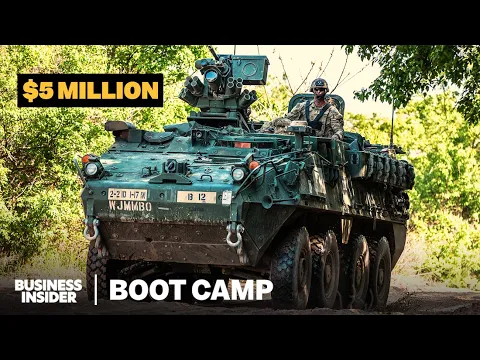

The Stryker Entered Service In 2003, And The Design Of The Program Shows A Logic Of Continuous Upgrades.
There Were Variants With A 105 Mm Gun, Called Mobile Weapons Systems, Discontinued In 2022, And There Are Versions With Mortars, Smoke Grenades, And Javelin Missiles. Designed By General Dynamics Land Systems, The Portfolio Clearly Indicates That The Platform Was Intended To Accept Changes Without Starting Over.
The Problem Is That The Same Flexibility Can Become A Spiral Of Cost And Expectation. When The U.S. Army Points To Investments Committed Until 2030 And Insists On The Scale Of More Than 3,000 Units, It Also Takes On The Burden Of Explaining Where The Stryker Is Indispensable And Where It Is Just Convenient.
In Southern Germany, Each Kilometer Of The Convoy Becomes An Argument For One Side And Rhetorical Ammunition For The Other.
The Exercise In Southern Germany Exposed A Choice That Is Not Just Technical. The U.S. Army Seeks A Wheeled Armored Vehicle That Moves Quickly, Carries Infantry, And Delivers Fire With The Dragoon, But Accepts Limits On The Terrain And A Bill That Already Stands At US$ 21.6 Billion. The Uncomfortable Question Is Not Whether The Stryker Works, But In What Scenarios It Justifies The Price.
If You Had To Choose A Priority For The U.S. Army, What Would Your Red Line Be: Road Mobility, Crew Protection, Or Cost Per Unit Of The Stryker Dragoon? And What Would You Do Differently In A Training Like That In Southern Germany To Truly Test These Limits?