





 Portuguese
  English
  Spanish
  4 min of reading
  1 comment


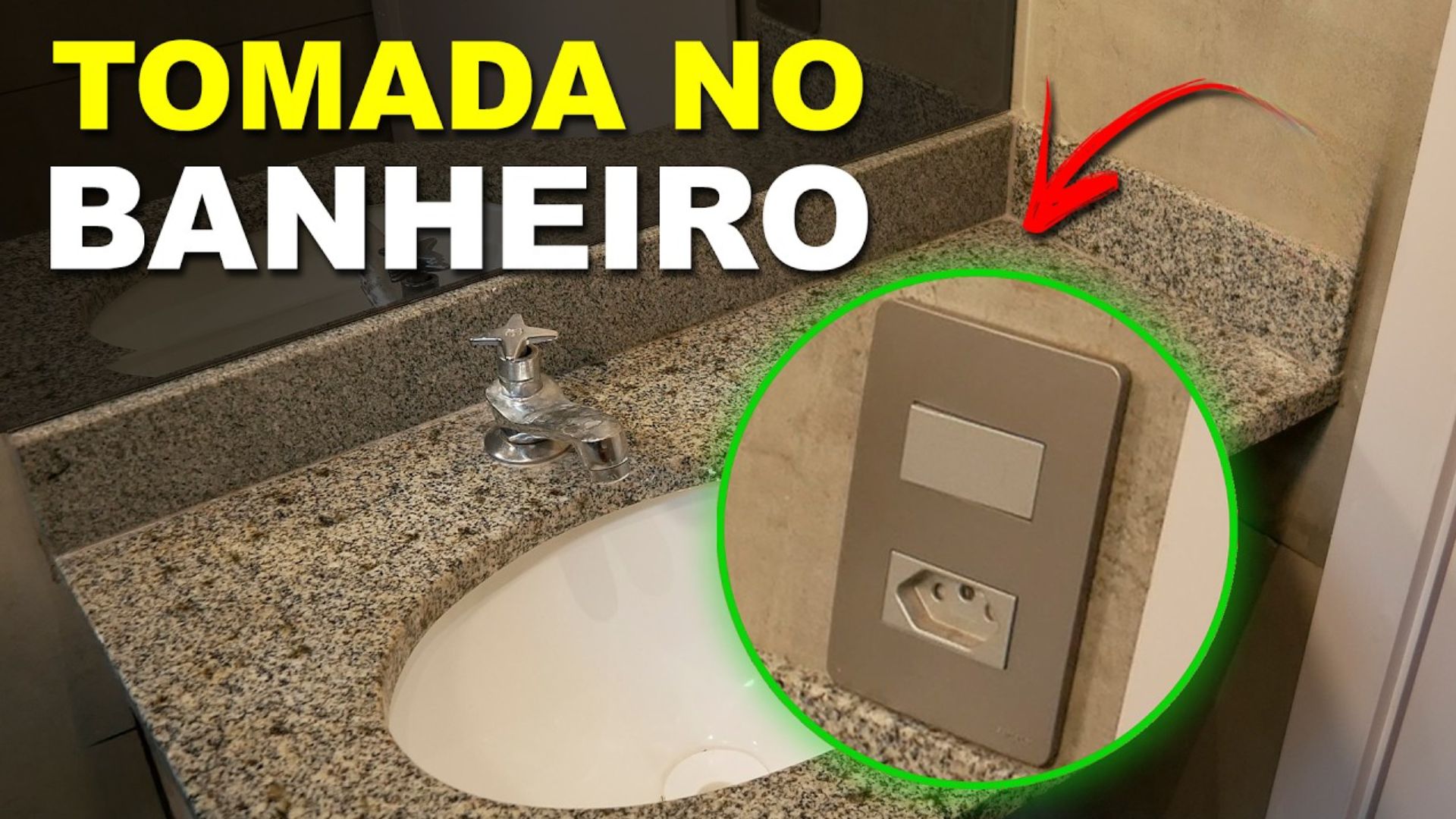


Common Practice in Brazilian Homes, the Installation of the Switch Outside the Bathroom Sparks Curiosity, Causes Strangeness in Visitors, and Is the Result of Technical Standards That Prioritize Electric Safety in Risk Environments.
It is common, when entering a house or apartment in Brazil, to encounter the bathroom switch positioned outside the door.
For many Brazilians and, especially, for foreign visitors, this detail often causes surprise and even sparks memes on social media.
However, this architectural choice is not a product of chance, nor is it a baseless tradition.
-
Brazilian city neighboring Paraguay becomes a ‘magnet’ for people seeking quality of life and high standards with exceptional growth and commutes of up to 15 minutes.

-
A rare storm transformed part of the Gulf into an unlikely scene of hail, extreme rain, and tornado risk in the middle of the desert, with volumes that exceeded the annual average in a single day.

-
Brazil catches the world’s attention with ships powered by ethanol and biodiesel that have lower emissions, an unprecedented certification with advantages in chartering, and a revolution in cabotage.

-
A couple who only has Sundays free has built a hand-dug pool, a hamburger joint, a dance hall, and a playground in their own home without hiring a mason, and even with breaks due to accidents and the pandemic, the work has never truly stopped.


The central reason is linked to a Brazilian technical standard – the NBR 5410, from the Brazilian Association of Technical Standards (ABNT) – which regulates low voltage electrical installations in residential buildings and prioritizes life protection in environments considered to be at high risk, such as the bathroom.
What NBR 5410 Says About Switch Outside the Bathroom
The NBR 5410 determines that electrical control devices, such as switches, should not be installed in the so-called “wet zones” of the bathroom, near the shower, sink, or bathtub.
These areas, known as risk volumes, were defined by the standard based on the identification of the points of greatest exposure to moisture and running water, which substantially increases the chance of serious accidents involving electricity.
The normative text details that, in the most critical volumes, the presence of water and vapor makes any contact with electrical devices particularly dangerous.
Thus, the widely followed recommendation by professional electricians across the country is to install the switch outside the bathroom, usually on the wall near the door.
This practice aims to avoid situations where a person, when turning on the light with wet hands or being barefoot, could suffer an electric shock, potentially fatal.
Although the incidence of electrical burns does not represent, according to official sources, one of the main causes of hospitalization in Brazil, the lethality and severity of the injuries resulting from these accidents are recognized, justifying the rigor of the regulation.
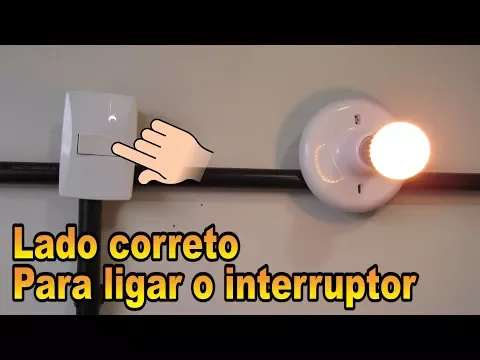

Risk Volumes: Definition of the Standard and Impact on Residential Installation
The division of the bathroom into risk volumes takes into account the distance from water points, delineating where it is allowed or prohibited to install certain electrical equipment.
The areas closest to the shower, enclosure, or bathtub are considered critical by the standard, requiring solutions that minimize any contact with electricity.
The NBR 5410 does not necessarily mandate the use of the switch outside the bathroom in all cases, but, in practice, especially in small bathrooms and in affordable housing, this has become the safest and most common option.
When the Switch Can Be Inside the Bathroom
The standard allows exceptions for larger bathrooms, in which there is a sufficiently dry area away from water and moisture points.
In these cases, it is possible to install the switch internally, provided that safety distances are respected and additional protections suitable for the environment are used.
However, in a large part of Brazilian residences, there is not enough space outside the zones classified as wet, which consolidates the option for the switch on the outside.
Electric Safety Culture and Architecture in Brazil
The normative requirement directly impacts architectural projects, influencing how house and apartment plans are drawn up in Brazil.
Developers, engineers, and electricians strictly follow the technical guidance, which has now been incorporated into the national construction standard.
This evidences an evolution in the culture of preventing domestic accidents and a constant pursuit of reducing the risks of electric shock in the bathroom.
Electric safety specialists, such as technicians from the National Institute of Metrology, Quality, and Technology (Inmetro) and engineers linked to the Federal Council of Engineering and Agronomy (Confea), reinforce that adherence to NBR 5410 is fundamental for the protection of residents and should be strictly followed in all stages of a construction or electrical renovation.
The use of additional devices, such as residual differential circuit breakers (RCD), although recommended to enhance the overall safety of the installation, does not replace the respect for the risk zones established for bathrooms.
Switch Outside the Bathroom and International Practices
In different countries, there are variations in technical standards and cultural habits regarding the location of the bathroom switch.
In Europe, for example, in many homes, the external switch is chosen, or the use of pull cords in the ceiling is a solution seen in regions of the United Kingdom.
In other locations, extra protections are required, especially for outlets, such as the use of ground fault circuit interrupters (GFCI), but there is no global standard for the installation of internal switches in wet areas.
The adoption of the switch outside the bathroom in Brazil, therefore, reflects a national commitment to electric safety and alignment with international principles of protection in residential environments, even if the details of the requirements vary between countries.
Accuracy in Communication and Awareness of Risks
The discussion about the location of the bathroom switch goes beyond mere architectural or cultural curiosity.
It is a concrete aspect of safety engineering, illustrating how technical standards can influence everyday behaviors and save lives.
The rigorous and accurate dissemination of this information, without exaggeration or generalizations, helps to form a more aware and prepared public to prevent serious domestic accidents.
Have you ever wondered how other invisible details of your home could be protecting your family from dangers that do not always appear at first glance?
Did you know the technical and historical reason for adopting the switch outside the bathrooms?








Konular mükemmel olduğu gibi site teması da içeriğe müthiş uyum sağlamış. Tebrikler