





 Portuguese
  English
  Spanish
  4 min of reading
  0 comments


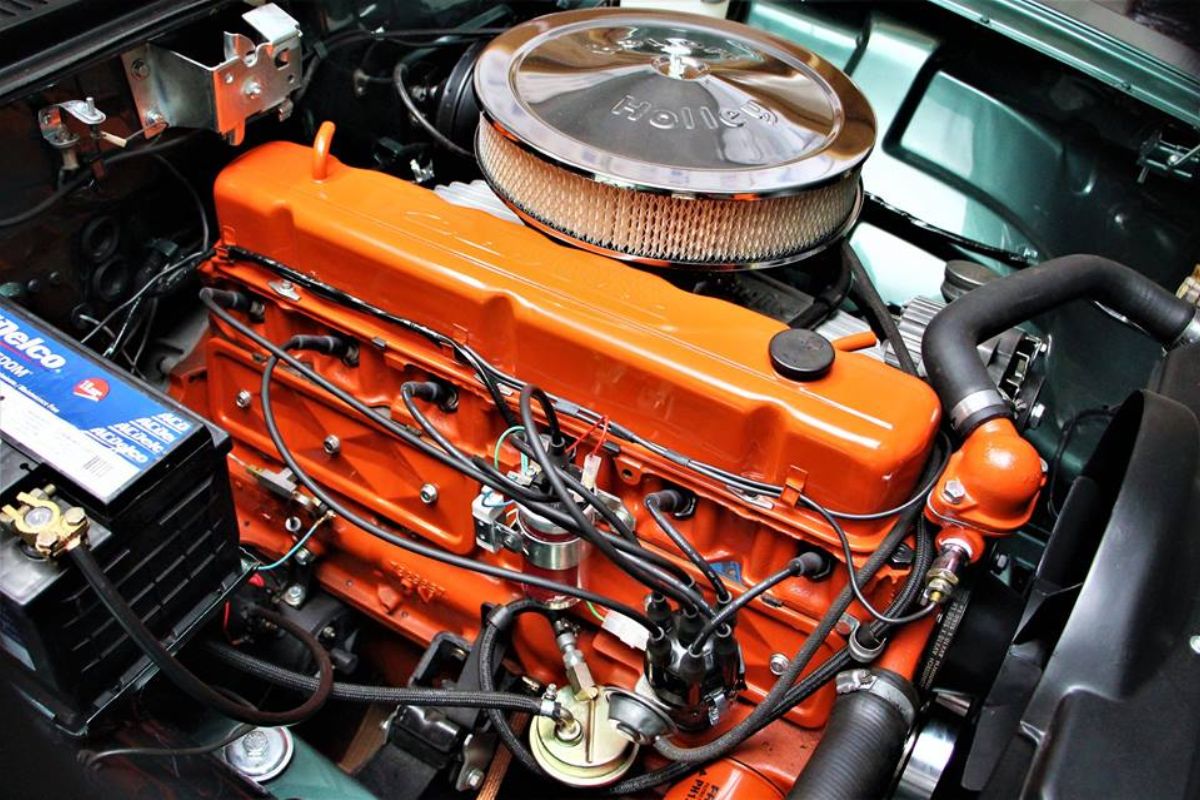
Antique Engines Were Oversized And Simple, Prioritizing Robustness, While Modern Engines Focus On Cost And Technology, Raising Questions About Durability And Planned Obsolescence In The Car Engine.
Many drivers have wondered why old cars continue to run well for decades, while some modern models have engine problems after just a few years of use. It seems that the durability of car engines has decreased with technological advancements. According to the source used, this would not be a coincidence, but part of a planned system.
Classic cars often exceeded 500,000 or even 1 million kilometers. New models, at times, barely last a decade. Why was the old car engine so resilient? Let’s analyze the factors behind this difference.
When The Car Engine Was Designed To Last


There was a time when the car engine was designed primarily for durability. It was not uncommon to see vehicles running for decades, maintaining the same engine without losing steam. Classic examples from the 80s and 90s, such as the Chevrolet Opala, the Toyota Bandeirante, or the Volkswagen Santana, often exceeded 500,000 kilometers without needing a rebuild.
-
5 cheapest used cars than a Honda CG 160 Titan 0 km, with options starting at R$ 13,000 for those who want to trade their motorcycle for a car and escape the rain, sun, and risks of riding.

-
Around R$ 24,000: 4 used Ford SUVs with up to 253 hp, V6 engine, all-wheel drive, 7 airbags, panoramic sunroof, and a complete package that surprises with its price and performance in Brazil.

-
A brand new car starts at around R$ 75,000 in Brazil, but what stands out the most is seeing streets filled with SUVs and expensive sedans in a country where millions remain in debt.

-
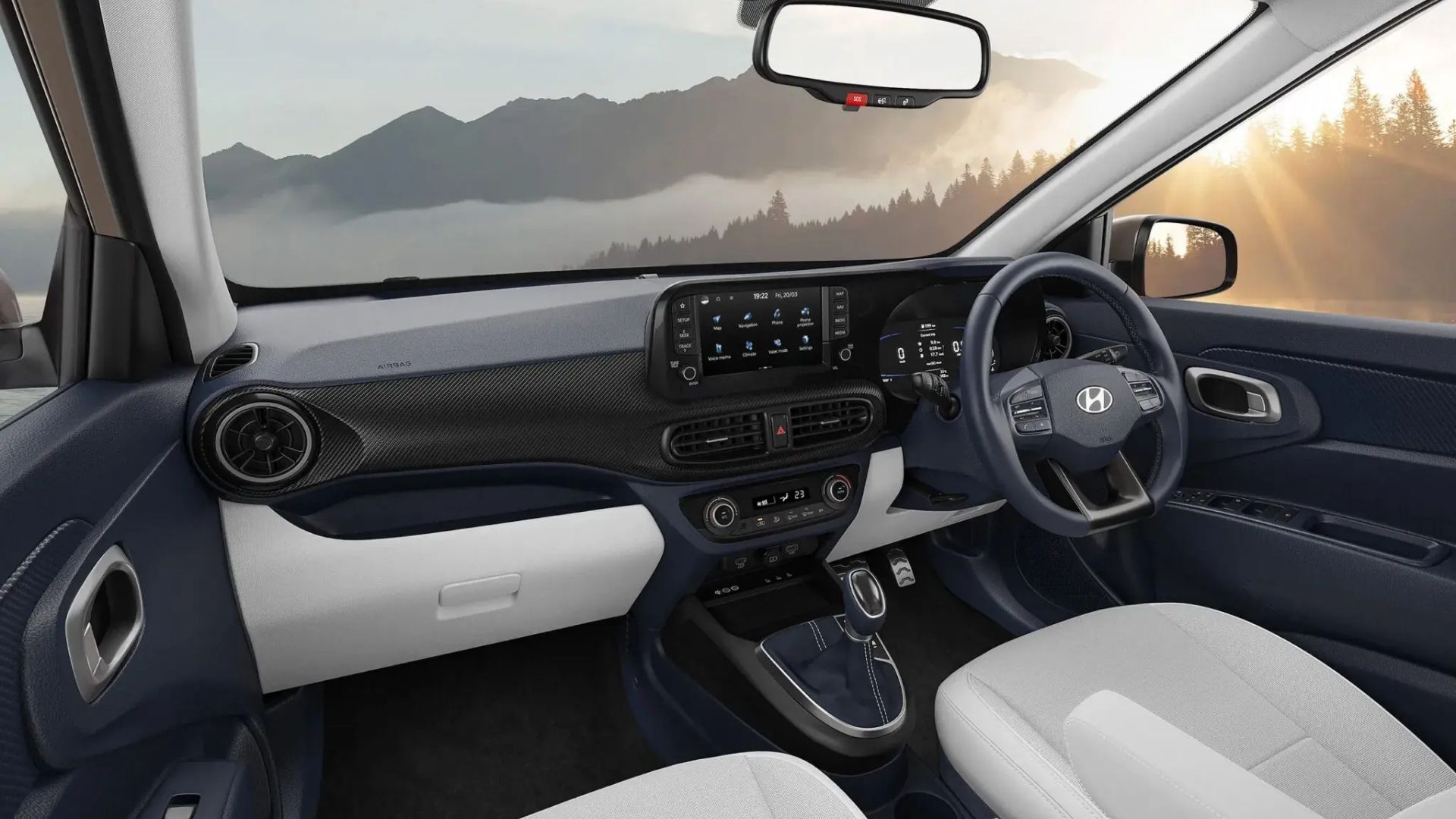
For R$ 32,000, a brand new Hyundai car is a rival to the Kwid with a 1.2 engine producing 82 hp, 6 airbags as standard, multimedia with wireless Android Auto, up to 391 liters in the trunk, and a refreshed look for 2026 in India.

The mentality of the engineers at the time was different. They designed the car engine to be durable, reliable, and long-lasting, especially to face adverse conditions such as dirt roads, dust, temperature variations, and questionable fuel quality, which were common in Brazil.
Resistance Of Antique Engines
The remarkable resistance of the car engine from the past can be attributed to several design and construction factors. One of them was the so-called “oversizing” of internal parts. Connecting rods, pistons, cranks, and valves were made with more material and larger tolerances, making them less susceptible to breaks and wear. There was no economy in construction.
Another key point was simplicity. These engines relied much less on complex electronic systems, multiple sensors, or sophisticated components like variable geometry turbochargers or high-precision direct injection. Fewer complex parts meant fewer potential points of failure and cheaper, more accessible maintenance – the famous car engine that “any neighborhood mechanic can fix.”
Many of these engines also operated at lower RPMs, which reduced internal strain and, consequently, wear, extending their lifespan. The physical structure was robust, often with thick cast iron blocks capable of withstanding high temperatures and continuous use.
The quality of materials was superior, using forged cranks and high-strength steels. This robustness even allowed many of these engines to undergo modifications (turbo or supercharger) without major internal changes, such as the well-known Volkswagen AP engines or GM Family 2.
Modern Car Engine
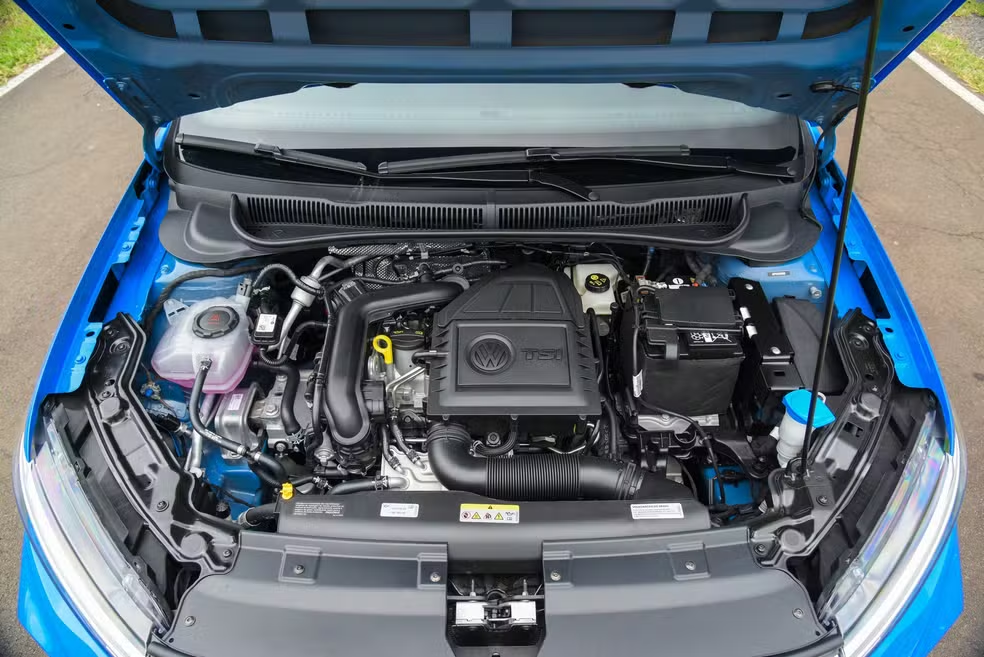
The current landscape of the car engine is different. The automotive industry has increasingly focused on cost reduction and efficiency (consumption and emissions). This has led to the replacement of robust materials with lighter alloys, such as aluminum, or plastic composites in components that were once metallic. While this helps reduce weight and fuel consumption, it may compromise long-term durability, especially if the materials do not receive proper treatments.
Modern engines, like those found in popular models such as the Renault Kwid or Fiat Argo 1.0, are generally designed for urban uses with moderate driving profiles. Abusing acceleration or stressing the car engine can lead to premature wear.
The high complexity of current systems, filled with sensors, electronic modules, and actuators, also increases the likelihood of failures. Any issue in a small electronic component can compromise the functioning of the entire engine. Although electronics bring efficiency benefits, they do not always align with the extreme durability seen in the past.
Planned Obsolescence
The source of the text raises the issue of planned obsolescence in the design of the modern car engine. The idea would be to design components to have a limited lifespan, encouraging vehicle replacement or spending on parts and services.
It is argued that a significant portion of the current automotive industry’s profit comes from selling spare parts, constant maintenance, and early vehicle replacement. When a popular car begins to show many problems, replacing it with a new model often seems more advantageous than a costly repair, benefiting manufacturers.
There is also criticism of the lack of interchangeability of parts among modern models, even within the same brand and with similar engines (like between Fiat Pulse and Chronos). This makes maintenance more expensive and complicates replacement. There is also the perception that the quality of many current replacement parts, even if expensive, may not match that of older parts. The system appears to revolve around constant consumption.








-

Uma pessoa reagiu a isso.