





 Portuguese
  English
  Spanish
  3 min of reading
  0 comments


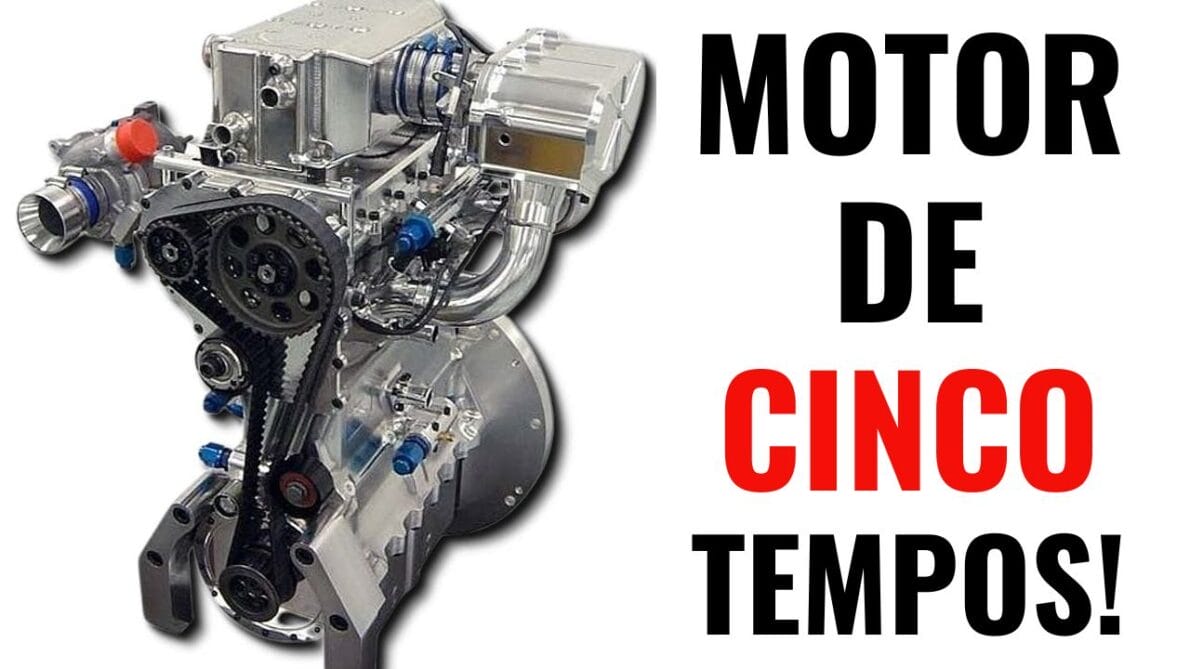
The Five-Stroke Engine Promises Superior Efficiency to Traditional Internal Combustion Engines, but Despite Its Theoretical Advantages, It Has Not Yet Conquered the Market.
The idea of a five-stroke engine emerged, which extends the combustion time, theoretically increasing efficiency. The addition of a fifth stroke, called extended expansion, aims to harness energy that would normally be lost in the exhaust. Seems promising, right?
Conventional internal combustion engines have an average thermal efficiency of only 35%. This means that 65% of the fuel’s energy is wasted, primarily as heat and noise. This inefficiency is related to the four-stroke cycle, where only the combustion stroke actually generates useful energy. The other three strokes basically waste energy.
Atkinson and the Anatomy of the Engine

James Atkinson was one of the first to experiment with an engine design that allowed for a longer combustion stroke. His engine, while efficient, was fragile and unreliable. Even Nicolaus Otto, the inventor of the four-stroke engine, recognized the limitations of his design and attempted to improve efficiency with a five-stroke engine.
-
A 250cc motorcycle that can reach 560 km with a 14-liter tank, features disc brakes on both wheels and is among the most well-known in Brazil.
-
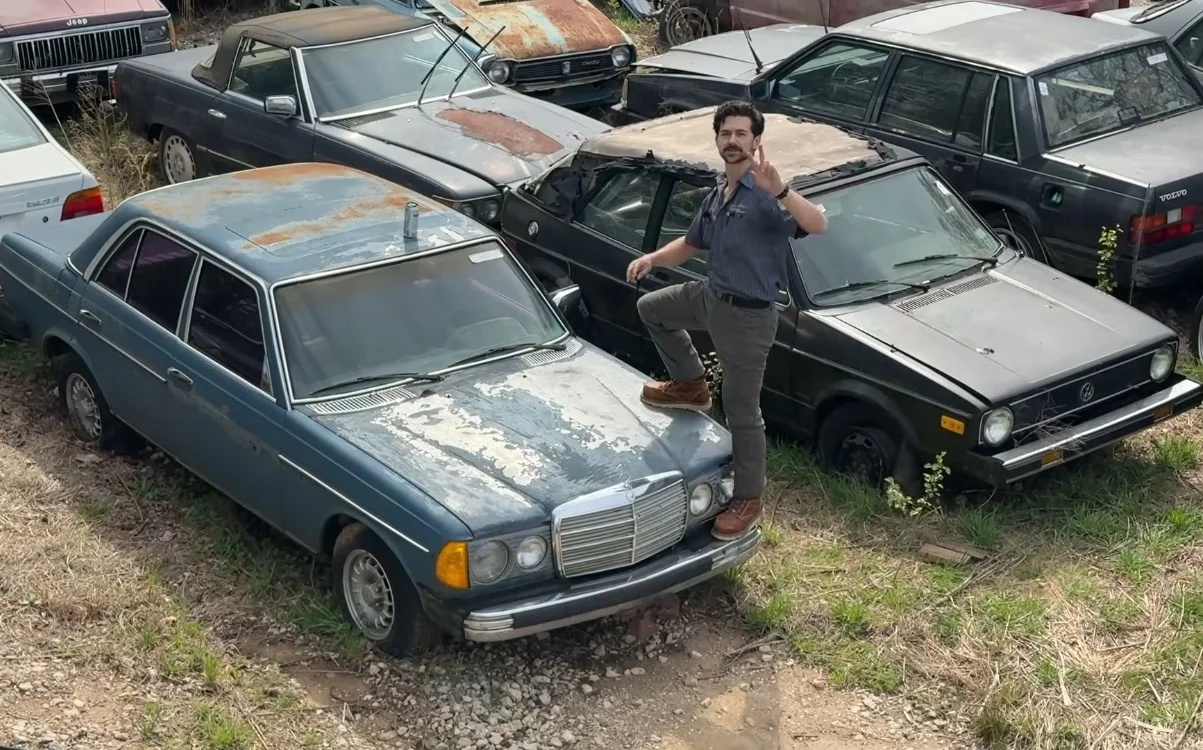
Man finds over 200 rare cars abandoned on a lot and tries to do the impossible in 8 hours with a surprise at the end.
-
An irregular parking case gains attention after a Mercedes Classe A was removed in such a strange way that it even raised doubts about damage to the car.

-
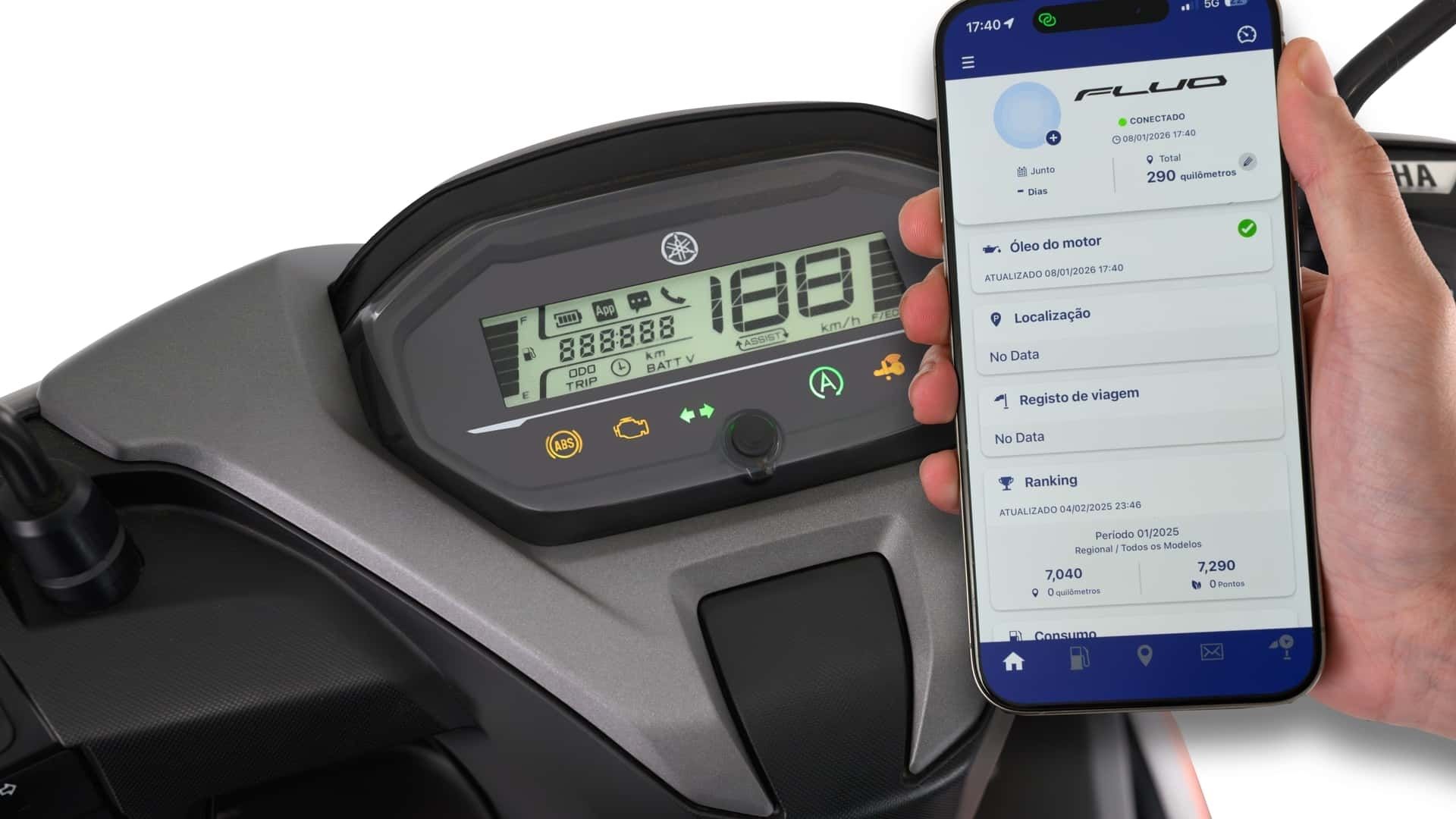
Costing R$ 16,000, the new Yamaha features a 125 cc hybrid engine with electric assistance, delivers 8.3 hp, includes ABS, optimized fuel consumption, Y-Connect connectivity, 25 liters of storage space, and a surprising 4-year warranty in the urban segment.
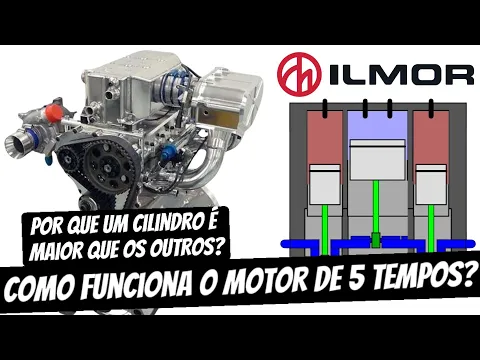
The five-stroke engine divides the work into three cylinders: two high-pressure and one low-pressure. The high-pressure cylinders operate like a traditional four-stroke engine, but instead of releasing exhaust gases directly into the atmosphere, they send them to the low-pressure cylinder for a second expansion. This increases the available time to extract energy from the combustion gases.
Why Has the Five-Stroke Engine Not Succeeded Yet?
Despite its potential, the five-stroke engine has faced several challenges that have hindered its commercial success:
Complexity and Cost: While the design is promising, it is more complex and expensive to manufacture than conventional internal combustion engines. The need for robust and precise components drives up production costs.
Variation in Exhaust Gas Energy: The amount of energy in the exhaust gases varies with engine load and RPM. At low RPM, there is little energy in the exhaust gases, making the low-pressure cylinder a dead weight that, instead of increasing efficiency, ultimately reduces it.
Emissions and Pollution Control: Harnessing energy from the exhaust gases lowers the temperature and pressure of the gases exiting the engine. This is great for muffler design but detrimental to the performance of turbochargers and catalytic converters, which need these conditions to function properly. This complicates compliance with modern emission standards.
Ilmor and the Modern Five-Stroke Engine
In 2003, Belgian engineer Gerhard Schmitz obtained a patent for a five-stroke engine similar to Otto’s original design. He convinced Ilmor Engineering, a respected company in the motorsport world, to develop a prototype. In 2009, the prototype was presented with promising results, but the project did not advance. Schmitz left Ilmor and attempted to develop the engine with a team of French engineers, but again, the engine did not progress beyond the prototype stage.
Five-Stroke Engine Is an Ingenious Solution to Internal Combustion Engine Efficiency Problems
The five-stroke engine is an ingenious solution to the efficiency problems of internal combustion engines, but it faces significant challenges that hinder its widespread adoption. Complexity, cost, and emissions issues are barriers that have yet to be overcome. While the four-stroke engine continues to dominate, the five-stroke engine remains an unfulfilled promise, a reminder that not always the best ideas can come to fruition in the market.
At the end of the day, the five-stroke engine may be more efficient on paper, but it has not been able to establish itself as a viable alternative to conventional internal combustion engines. History shows us that innovation is not always enough to overcome the practical and economic barriers of the real world.








Seja o primeiro a reagir!