





 Portuguese
  English
  Spanish
  3 min of reading
  0 comments


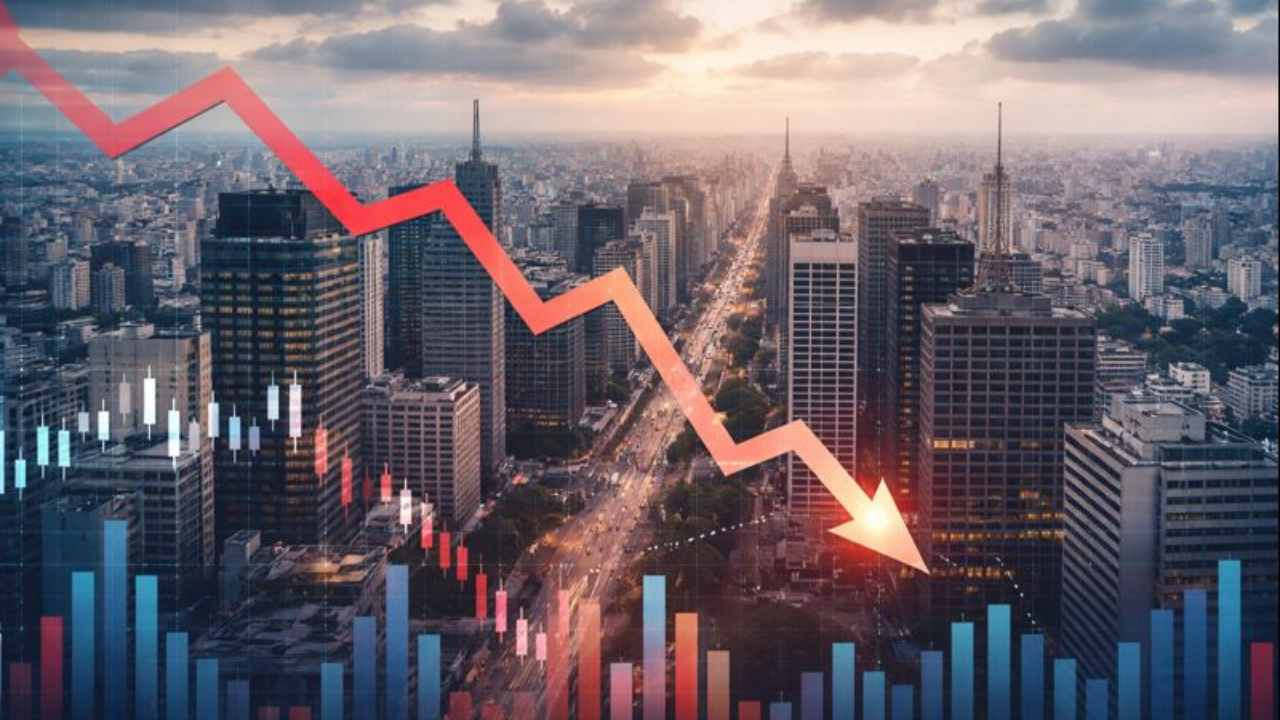
Brazilian GDP Suffers From Economic Stagnation After Economic Crises, Real Devaluation, and Low Productivity Over the Last Decade.
In 2014, the sum of goods and services produced in the country reached US$ 2.46 trillion.
By 2024, the total value stood at R$ 2.17 trillion, highlighting that the Brazilian GDP not only failed to advance but began to regress in relative terms.
This performance reinforces the perception of economic stagnation that has accompanied the country since the end of the last century.
-
India announces a plan of $3.06 billion to bring aviation to forgotten regions: 100 new airports, $1.07 billion in subsidies, and regional routes guaranteed for 10 years, from 2026 to 2036, away from the centers.
-
Brazil blocked a proposal from the United States at the WTO that would make the exemption from tariffs on digital products like streaming and ebooks permanent, favoring American tech giants at the expense of developing countries.
-
IPTU exemption for seniors in 2026: see how to secure the benefit.

-
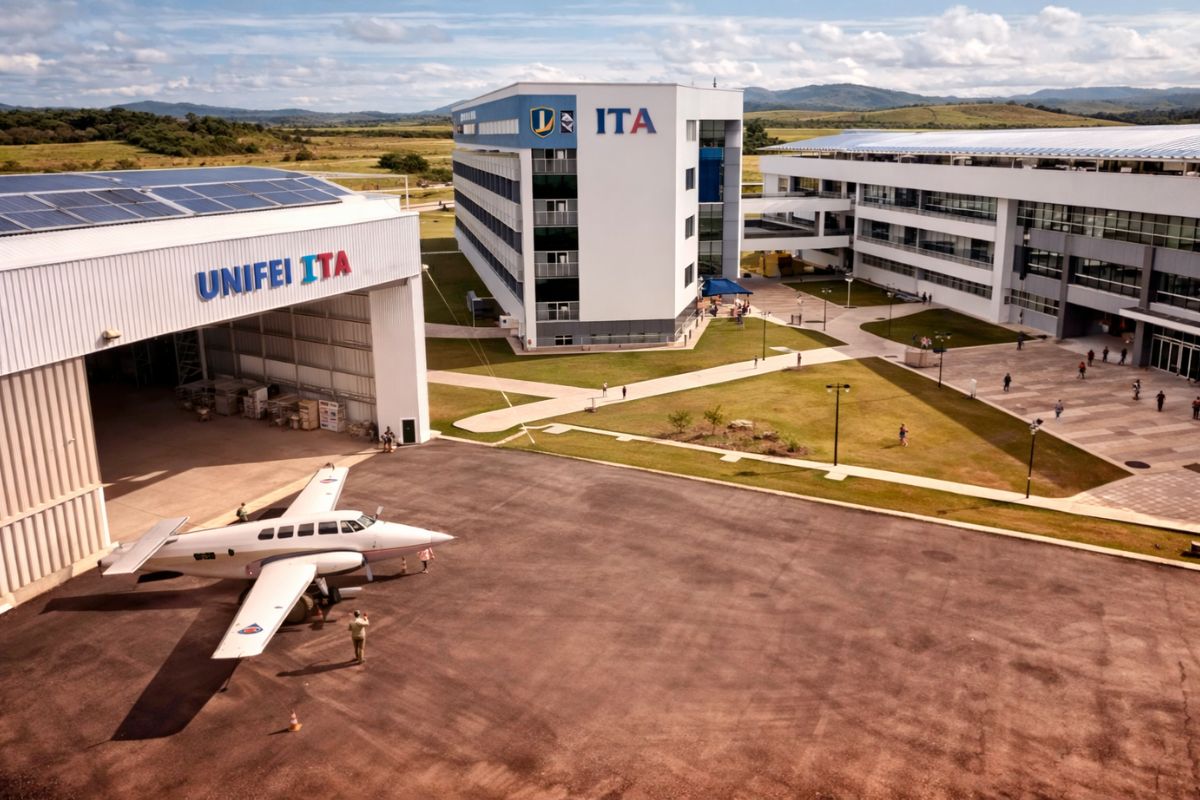
The institute that trained the greatest aerospace engineers in Brazil has just opened its first campus outside São Paulo after 75 years: ITA Ceará will have R$ 445 million, new courses in energy and systems, and classes are expected to start in 2027.
According to experts interviewed by CNN, the behavior of the indicator reflects a succession of economic crises both internal and external that limited the capacity for sustainable growth.
Economic Crises Left Deep Marks on Activity
Between 2015 and 2016, Brazil faced the worst recession in its recent history. Subsequently, when the economy showed signs of slow recovery, the Covid-19 pandemic once again interrupted growth.
“This period was very difficult for the Brazilian economy. If we take 2014 to 2024, we had the worst economic crisis in history in 2015 and 2016, and when we had a slow recovery after that period, we faced the Covid crisis.
In 2020 and 2021, net growth is almost zero,” said Renan Pieri, economics professor at FGV/EAESP, in an interview with CNN Money.
In the years 2015, 2016, and 2020, the Brazilian GDP accumulated a contraction greater than 10%, making it difficult to achieve consistent recovery in subsequent periods.
Political Instability Extended Economic Stagnation
The economic crisis of 2016 unfolded into political instability, culminating in the impeachment of former president Dilma Rousseff.
This uncertain environment deterred investments and heightened the country’s risk perception.
According to analysts, this institutional shock contributed to lasting losses in the potential growth of the Brazilian economy, exacerbating the economic stagnation.
Low Productivity Limits the Growth of Brazilian GDP
Another central factor is low productivity, resulting from historical structural problems. The lack of investment in education, science, and economic efficiency hinders sustainable production gains.
“This created permanent losses in Brazil’s potential growth.
Our productivity remained stagnant, reflecting all our structural problems, such as lack of investment in education and lack of economic efficiency,” stated Rafael Costa, founder of Cash Wise Investimentos.
Additionally, the economist emphasizes that institutional deterioration affects investor confidence, reducing capital influx and long-term growth potential.
Pandemic Aggravated Global and Internal Economic Crises
In the international scenario, the Covid-19 pandemic disrupted production and logistics chains worldwide. In Brazil, the impact was severe.
In 2020, the year of the virus’s greatest spread, the Brazilian GDP declined by 3.3%, deepening the trajectory of economic stagnation already in place.
Devaluation of the Real Distorts GDP in Dollars
Another decisive element was the devaluation of the real against the dollar over the last decade. In December 2014, the American currency was quoted at R$ 2.67. By December 2025, the value reached R$ 5.48.
“The dollar almost doubled between 2014 and 2024, going from a little over R$ 2 to more than R$ 6, obviously reducing GDP in dollars,” explained Rafael Costa.
Even when accounting for the effects of exchange rates and inflation, real growth remains modest, especially when looking at GDP per capita.
Potential Growth Remains Limited
According to experts, the market has projected for years a potential growth close to 2% per year. Without structural reforms, positive shocks, or fiscal improvements, this level is likely to persist.
“For several years, the market has priced the potential GDP growth at around 2%. If nothing happens, that’s what GDP should grow,” pointed out Pieri.
Challenges Persist for Brazilian GDP
In summary, the performance of the Brazilian GDP over the last decade reflects a combination of economic crises, devaluation of the real, low productivity, and fiscal limitations. Meanwhile, economic stagnation remains one of the main challenges for the country to achieve more robust and sustainable growth in the coming years.







-

-

-

-

-

7 pessoas reagiram a isso.