





 Portuguese
  English
  Spanish
  4 min of reading
  2 comments


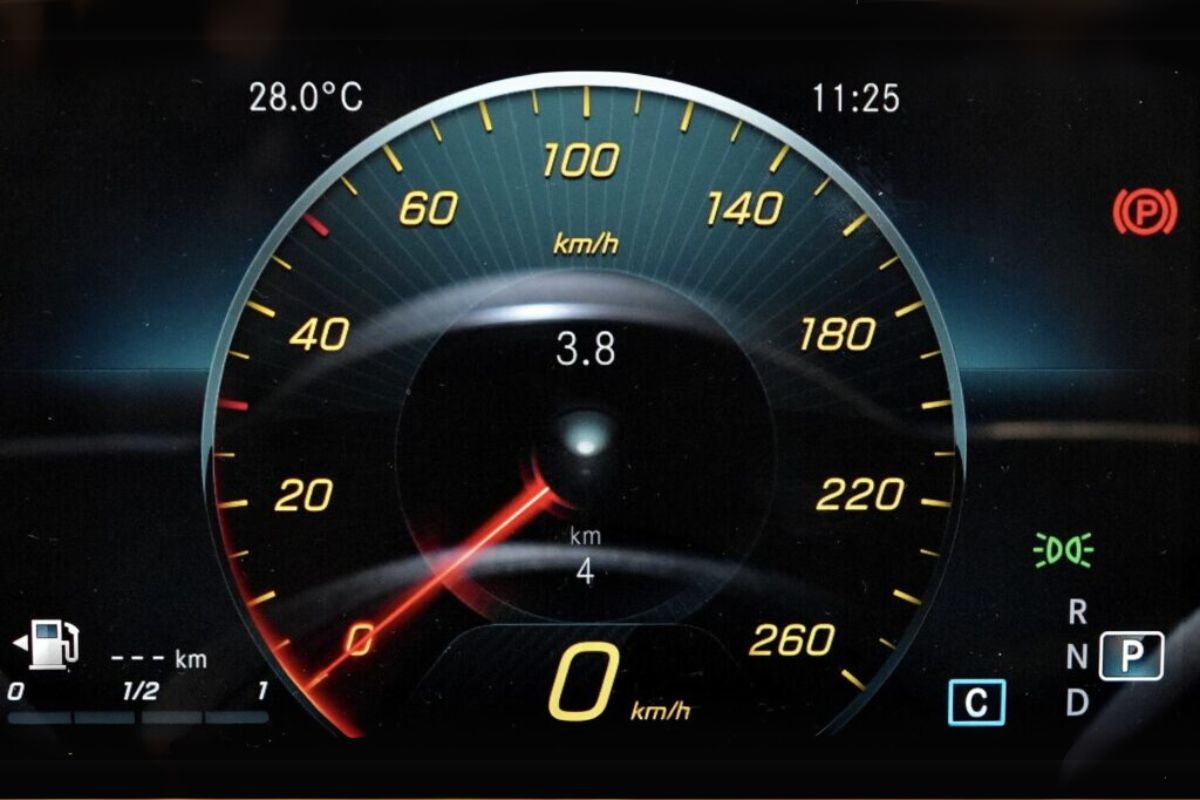


Why Does Your Car Show More Speed Than Real? Experts Explain How This Technical Trick Works.
If you’ve ever compared your car’s speed with that of the GPS and noticed that the speedometer often reads a bit higher, don’t worry: this is not a problem with your vehicle — it’s a rule. Yes, there is a technical and even legal explanation for this discrepancy between what the car’s dashboard shows and what the GPS reveals.
And more than just a curiosity, this difference can make the difference between driving legally or ending up with a fine.
Why Does the Car Speedometer Exaggerate Speed?
The reason is simple and lies in legislation — specifically in a technical directive adopted by the European Union, which is also used as a reference by several manufacturers worldwide. According to this standard, the speedometer can never indicate less than the actual speed of the vehicle. And more: it is allowed to display up to 10% more than the actual speed, with a fixed increase of up to 4 km/h.
-
With over 14 million baskets of earth moved, an ancient North American metropolis built a monumental pyramid of 30 meters and established a city with 20,000 inhabitants nearly a thousand years ago.

-
A 1,900-year-old treasure emerges from a Roman house destroyed by fire and sealed since antiquity in Romania, with coins and metals fused among the ashes.

-
The Brazilian colonial city that stopped in time and shares territory with a rocket launch base.

-
79-year-old woman challenges limits, visits 193 countries in the world after 56 years of planning and reveals the behind-the-scenes of a global journey that few have managed to accomplish.


In other words, if you’re actually going 100 km/h, your car might very well be showing 104 or even 110 km/h on the dashboard — and that is absolutely normal.
This “intentional error” serves as a safety margin, preventing the driver from exceeding the speed limit without realizing it. After all, it is better to err on the side of excess on the speedometer than to risk getting fined for trusting too much in the machine.
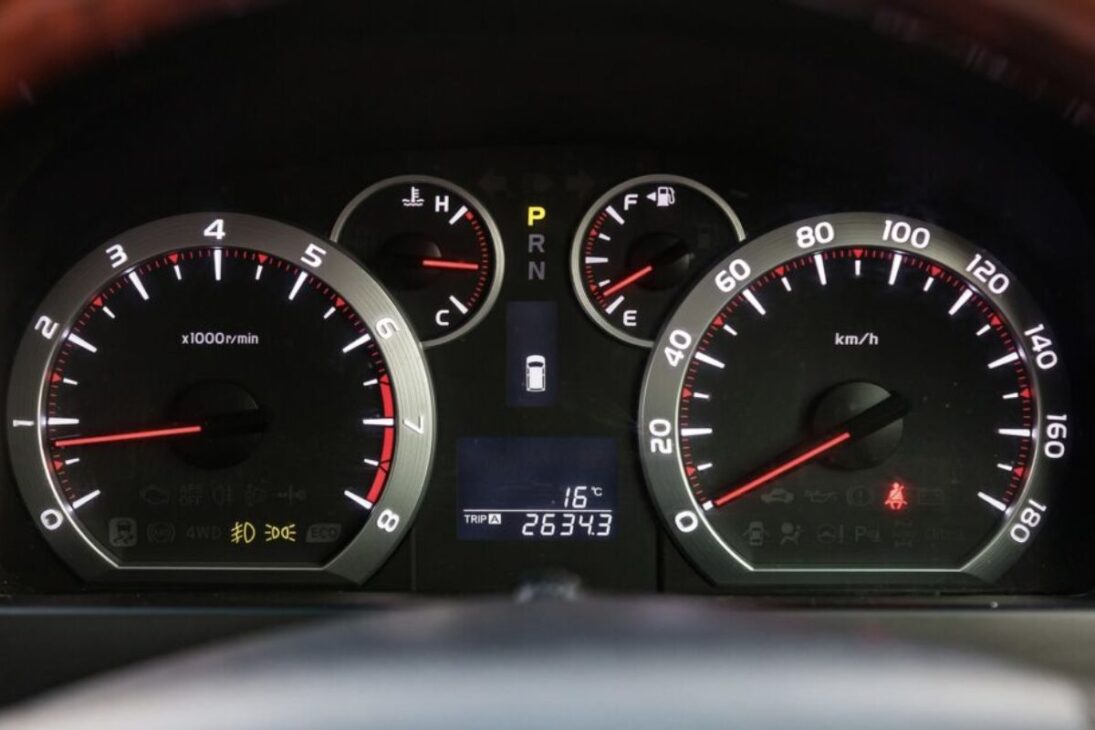
Is the GPS More Accurate?
Yes, in most situations, the GPS provides a reading much closer to reality. This is because it calculates speed based on the actual geographic position of the car, detected by satellites. The system measures displacement over time and thus obtains the actual speed without relying on physical sensors.
Meanwhile, the car’s speedometer depends on mechanical or electronic systems linked to the wheels or transmission, which makes it more vulnerable to small variations — especially if there is tire wear or if the car is using wheels different from the original factory ones.
After All, What is the Average Difference Between Them?
Under normal conditions, the difference between the speedometer and the GPS usually varies between 2 and 8 km/h. This margin can increase if, for example, the tires are bald or if they are of a size incompatible with what the manufacturer specified.
More attentive drivers clearly notice this: they are at 100 km/h according to the car, but the GPS says they are at 94 or 95 km/h. It’s not a bug. It’s the rule.
And this slight difference can be crucial when it comes to speed cameras and electronic enforcement. For this reason, many drivers have already adopted the habit of checking their speed on the GPS — especially during long trips or stretches monitored by mobile radars.
But Why Is This Regulation in Place?
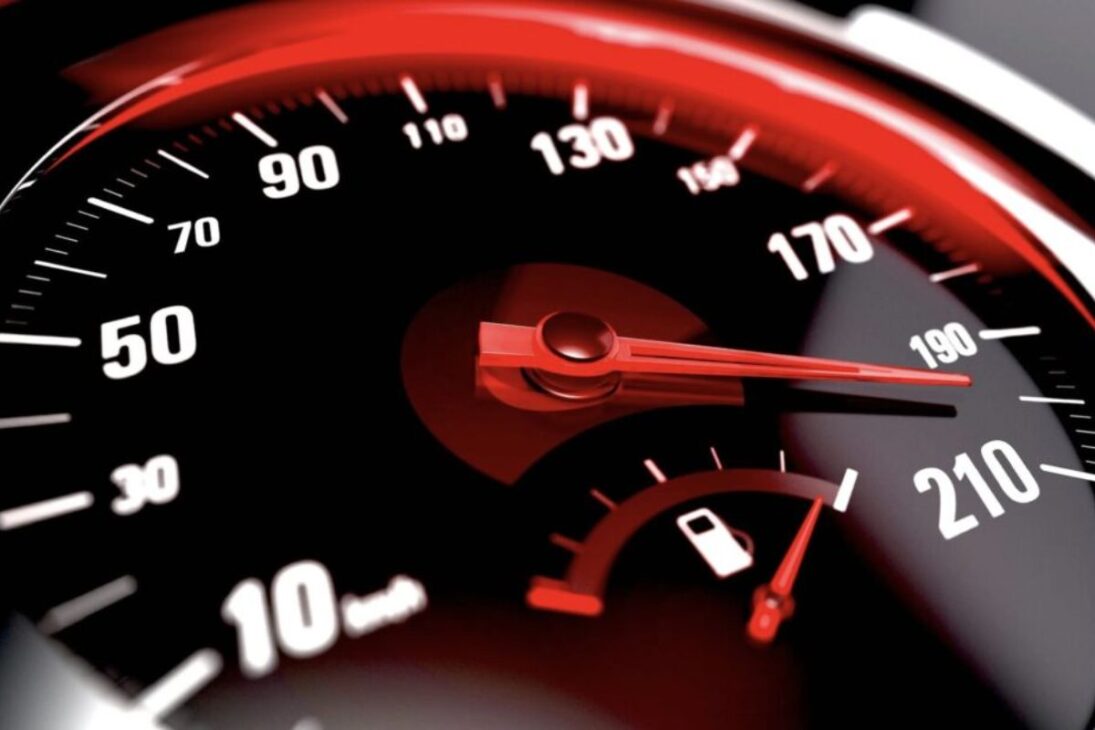
The explanation comes from the area of road safety. According to data from agencies such as the National Traffic Department (Denatran) and the European Commission for Transport, speeding is among the leading causes of fatal accidents on the roads. Therefore, this “extra” margin helps ensure that, even unintentionally, the driver avoids exceeding the limit.
European legislation requires manufacturers to configure the speedometer to never underestimate actual speed — a principle aimed at protecting the driver, not the profit of the industry or commercial interests.
And this standard, although European, is also respected by many manufacturers in Brazil and other countries, as the majority of models sold here are designed for the global market.
Can You Only Trust the GPS?
In practice, yes. But it’s good to remember that not all GPS apps have the same accuracy. The most reliable ones are those that use data from multiple satellites and update position in real-time, like Waze or Google Maps.
However, the recommendation for those who seek maximum safety is to follow the speedometer reading — and only use the GPS as a complementary reference. This is because, even though the GPS is truer to the actual speed, it is the speedometer that serves as the legal basis in the event of a blitz or contesting a fine.
The difference between what the car shows and what the GPS indicates is not a defect, but rather intentional and regulated by law. It may seem inconvenient, but it is a device created to protect the driver — both against fines and against accidents.
And if you thought your car had a problem because it always read a bit higher, now you know: everything is fine with it.







O meu velho scenic marcava ± 4 a 6 de diferença, troquei sensor de velocidade e pronto !
Já usei o GPS para efeito de comparação! Mas, se você dirigir conforme as leis, não terá problemas.
Interessante. Observei isso há muito tempo. E sempre comparei a velocidade do velocímetro com o GPS e os radares, que marcam muito próximo ou igual a do GPS. Em todos os carros alugados que ando percebo que o velocímetro marca a maior. Mas, coincidência ou não, os carros atuais da minha família marcam exatamente o valor correto, tanto do GPS quanto dos radares. Não dá para errar. Um deles é assim desde zero km. O outro, apesar de adquirido usado e com painel digital, também.