





 Portuguese
  English
  Spanish
  4 min of reading
  6 comments


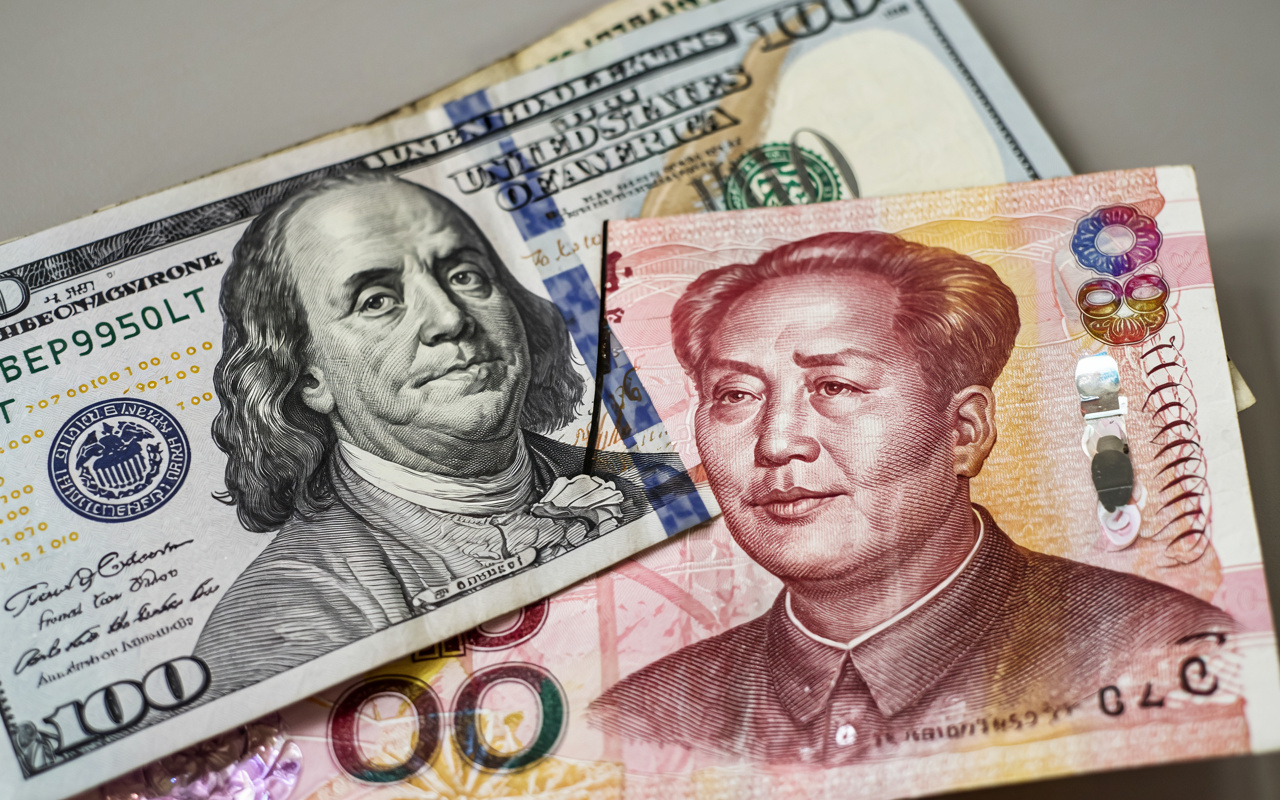


The Rise of the Yuan May Change Global Trade and Affect Exchange Rates, Imports, and Exports in Brazil. Understand How the Chinese Currency Challenges the Dollar and What It Means for Your Wallet
The yuan, China’s official currency, has stopped being just a symbol of the Asian giant and is becoming a silent protagonist in international trade. In recent years, Beijing has been working to internationalize its currency, creating mechanisms for countries to trade directly in yuan without relying on the dollar. This change may seem distant from the daily life of Brazilians, but it has direct implications: from the price of imported rice to the cost of a cellphone, everything can be impacted if the yuan gains ground on the global stage.
China Challenges the Hegemony of the Dollar in International Trade
For decades, the dollar has been the currency that dictates the rhythm of global trade. Over 80% of global transactions are conducted in dollars, and most contracts for oil, soybeans, iron ore, and technology products are tied to the American currency.
But China, the world’s largest exporter, is changing the game. In 2023, the yuan officially entered the top 5 of the most used currencies in international transactions, surpassing the euro at times in the SWIFT system, which monitors global payments.
-
The institute that trained the greatest aerospace engineers in Brazil has just opened its first campus outside São Paulo after 75 years: ITA Ceará will have R$ 445 million, new courses in energy and systems, and classes are expected to start in 2027.

-
Luciano Hang, owner of Havan, goes to Juiz de Fora after the tragedy in February, brings R$ 1 million, hands out R$ 2,000 cards, and donates up to R$ 15,000 to victims in the region.

-
The Brazilian passport allows legal residence in dozens of countries without the need for a prior visa, and most Brazilians are unaware that they can apply for residency directly upon arriving in nations in South America, Africa, and even Europe.
-
Petrobras sends a message to Brazilian truck drivers after fuel collapse and reveals plan to have 100% domestic diesel.


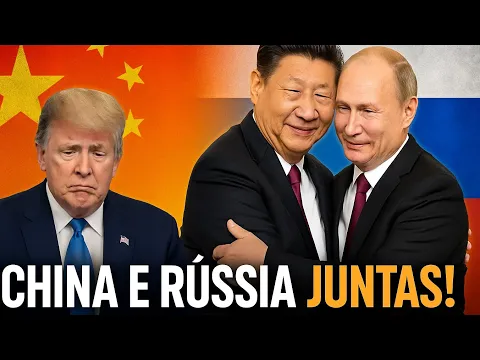

This rise did not happen by chance. China has been creating bilateral agreements to facilitate payments in its own currency.
Brazil is already part of this movement: in 2023, the Central Bank and the People’s Bank of China signed an agreement allowing Brazilian exporters and importers to negotiate directly in yuan, without converting to dollars.
What Changes in Brazil’s Trade with China?
Today, China is Brazil’s largest trading partner. In 2024 alone, there were more than US$ 157 billion in trade exchanges, with highlights being soybeans, oil, iron ore, and meat.
Traditionally, these transactions were conducted in dollars, which means that even when a Brazilian producer sold soy to China, the payment passed through New York before reaching Brazil.
With the yuan becoming more present, this changes. Companies can negotiate directly with Chinese banks, avoiding double conversions (real-dollar-yuan). In practice, this reduces operational costs, may lower import prices, and in some cases, even decrease exchange rate volatility. But it also raises a strategic question: Brazil becomes more dependent on a currency tightly controlled by the Chinese government.
Strong Yuan, Weak Dollar? The Impact on the Brazilian Wallet
The discussion about the “de-dollarization” of international trade may seem distant, but it has concrete reflections on the domestic economy. If more countries start using the yuan in large transactions, global demand for the dollar may decrease, and that tends to influence exchange rates worldwide.
For Brazilians, this means two things:
- Imports May Become Cheaper – if negotiations in yuan reduce costs, the prices of electronics, car parts, cellphones, and agricultural inputs may drop.
- Increased Dependence on a State-Controlled Currency – the yuan is not entirely free like the dollar or euro. The Chinese government controls its value, and political decisions in Beijing can have an immediate effect on Brazil’s transactions.
Experts warn that this “new dependence” may bring risks. “By negotiating in yuan, Brazil gains efficiency, but also exposes itself to the moods and monetary policy strategies of China,” says an economist from Insper.
The Geopolitics of the Yuan: Far Beyond Trade
Behind the technical discussion lies a power struggle. By internationalizing the yuan, China does not just want to save on conversion fees: it seeks to reduce U.S. influence over the global financial system.
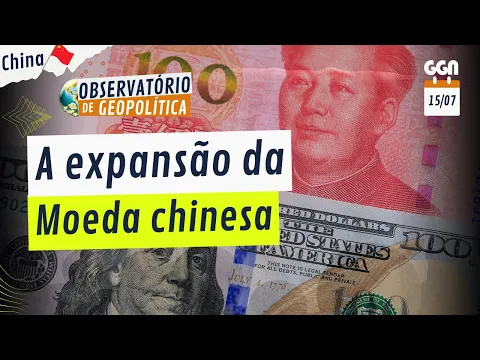
The dollar is used not only for trade but also as a political weapon. American sanctions, such as those imposed on Russia, Venezuela, and Iran, are only effective because the dollar dominates global transactions.
If the yuan advances, the U.S. loses part of that power. And China gains space to finance projects, offer credit to countries, and even create a network of trade allies less vulnerable to Washington.
And Brazil, What Happens in This Chess Game?
Brazil is in a strategic position. We are one of the largest suppliers of food and energy to China, and now we have a direct channel in yuan. This can strengthen the bilateral relationship, attract investments, and provide more stability to exporters.
On the other hand, there is the risk of concentration: today more than 30% of Brazilian exports go to China, and if the yuan becomes the primary currency for these transactions, the country may become excessively exposed to decisions made in Beijing.
It is still too early to say whether the yuan will replace the dollar as the global currency. But the movement has already begun: Brazilian banks are offering accounts in yuan, importers are signing contracts directly in the Chinese currency, and giants from agribusiness and the energy sector are already operating without the dollar’s intermediation.
For the average consumer, the effects will be gradual – perhaps the next imported cellphone will be a bit cheaper, or the price of agricultural inputs will remain more stable. But the discussion is broader than that: it is about who will set the rules for global trade in the coming decades.
If the dollar was the lingua franca of the 20th century, the yuan is trying to be that of the 21st century. And Brazil, as a key partner for both giants, will feel this transformation in the wallet, in the trade balance, and in its own economic sovereignty.










Os EUA exploram exaustivamente todos os seus parceiros comerciais; impõem regras comerciais, mas não as cumpre. Impedem o desenvolvimento economico e social. Intervém na política e na economia destes países. Cria sensações de inferioridade nas culturas locais e regionais e exacerba as tradições norte-americanas.
O Dólar norte-americano, desde 1971, quando o Presidente Richard Nixon, desvinculou-o do Ouro, nada mais é, que um papel verde, sem lastro cambial. Mas, o mal por si se destrói, é os norte-americanos, elegeram a súmula da arrogância da maioria da nação, esquecendo-se que; -Ninguém engana todo mundo o tempo todo. Em algum momento a farsa é descoberta, e o que nela for estruturado, cai junto com ela.
DÓLAR É “LIVRE” ? Livre de quê, da auditoria independente do mundo? Um país que só quer emitir sem lastro algum e agora quer fazer o mundo pagar a conta via tarifas estapafúrdias? Querem financiar o Déficit dos EUA com o dinheiro do resto do mundo! Cinismo.
O yuan e fortemente manipulado pelo PC chinês
E o dólar? Pelo imperador laranja. Vc não disse nada além da ideologia cega.
O Yun não subemete-se às políticas exploratórias dos EUA. É independente, tem lastro em ouro!