





 Portuguese
  English
  Spanish
  4 min of reading
  0 comments


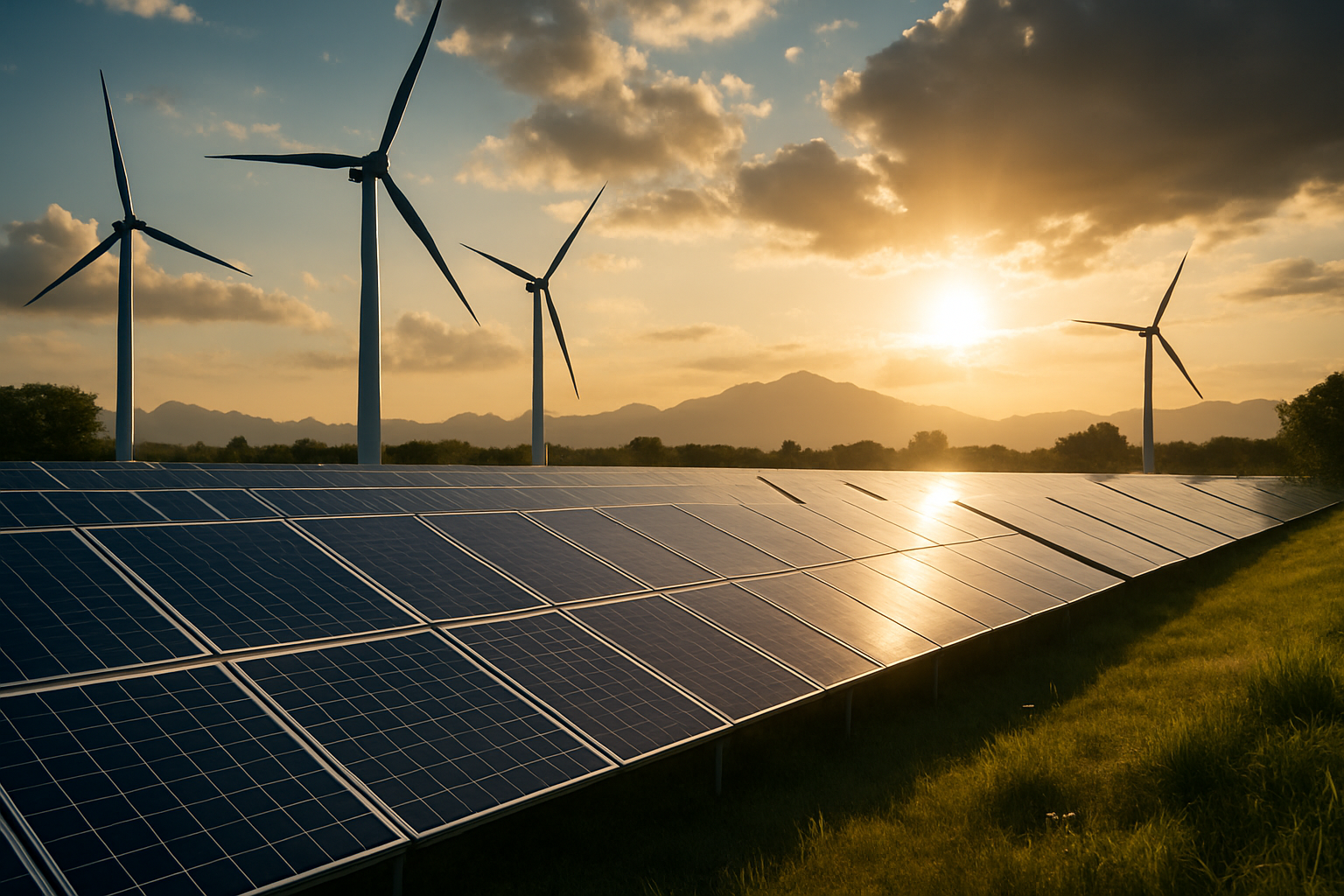
Renewable Energy Opportunities Open The Way To A Cleaner, More Accessible And Sustainable Future, Reducing Dependence On Fossil Fuels And The Impacts Of Climate Change.
Since the dawn of humanity, the use of energy sources has been directly linked to progress and survival.
Fire, controlled by humans for about 400 thousand years, was one of the first forms of energy harnessed for heating and food preparation.
Over the centuries, societies began to explore natural sources like wind and water to power boats and move mills, practices recorded since antiquity.
-
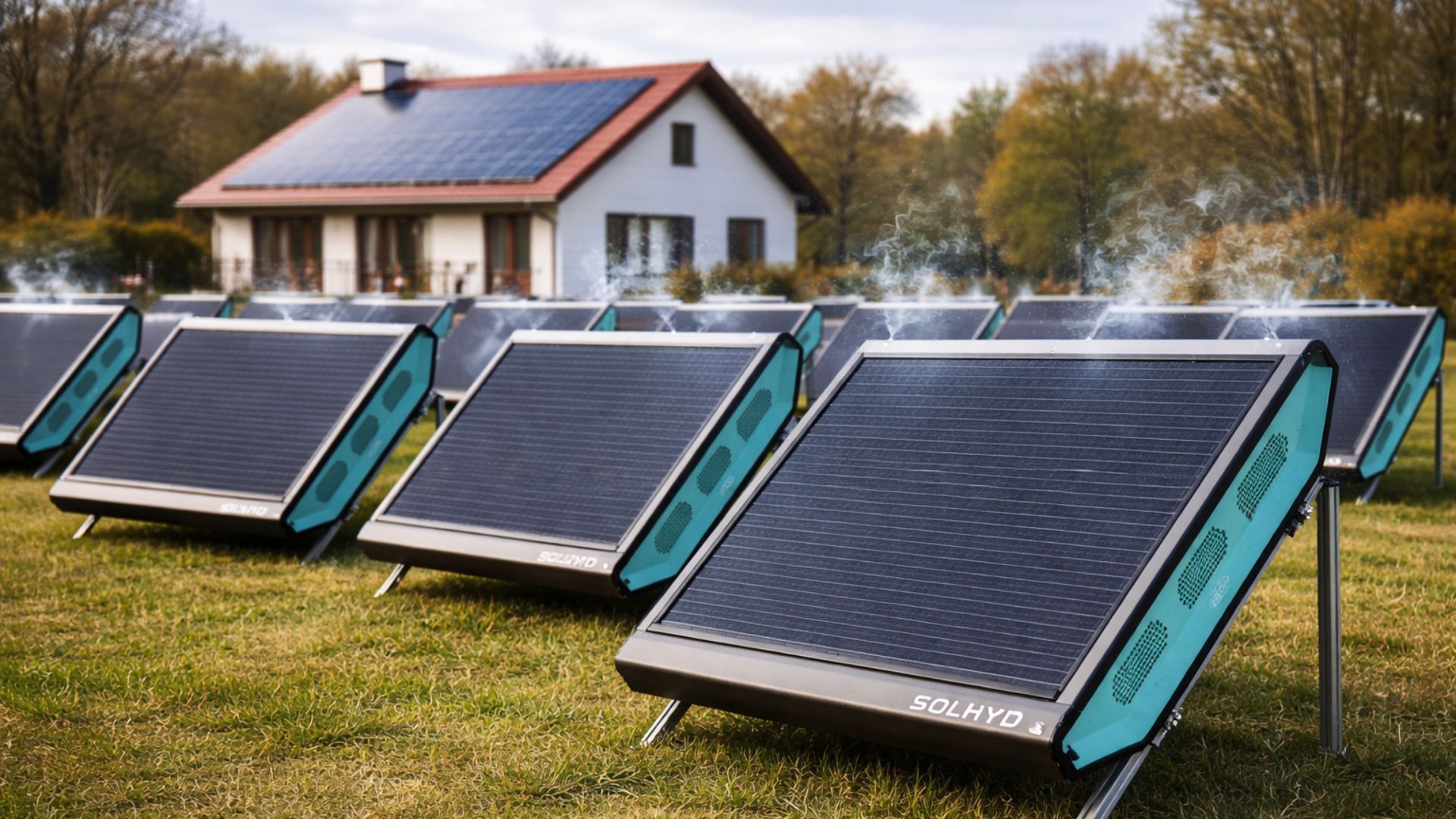
Green hydrogen at home: Belgium launches new technology that makes solar panels produce fuel from the moisture in the air, which could boost the energy transition.
-
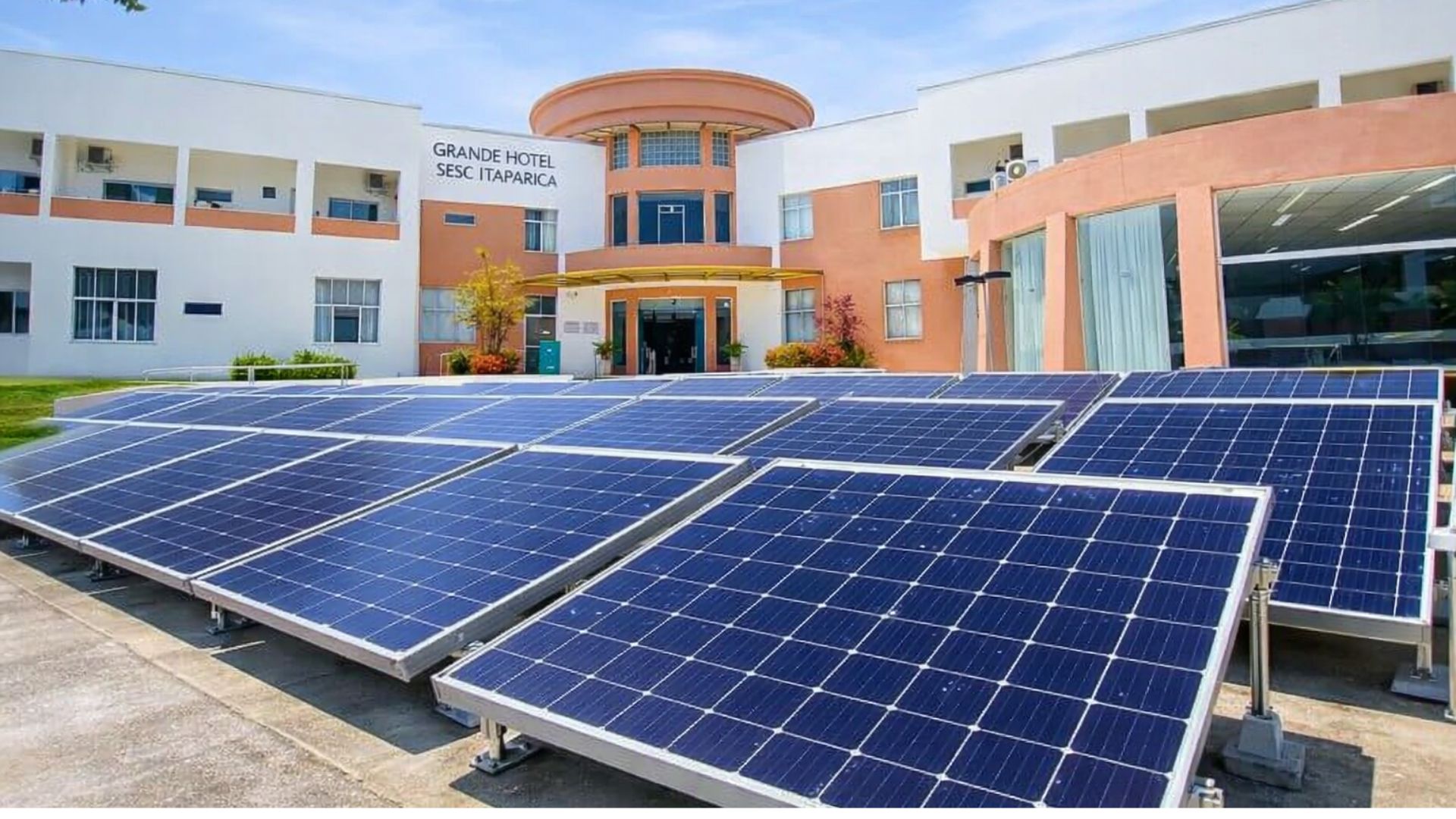
Sesc-BA bets on renewable energy with the support of EDP and drives the energy transition with a direct impact on cost reduction and the sustainability of its operations in Bahia.
-
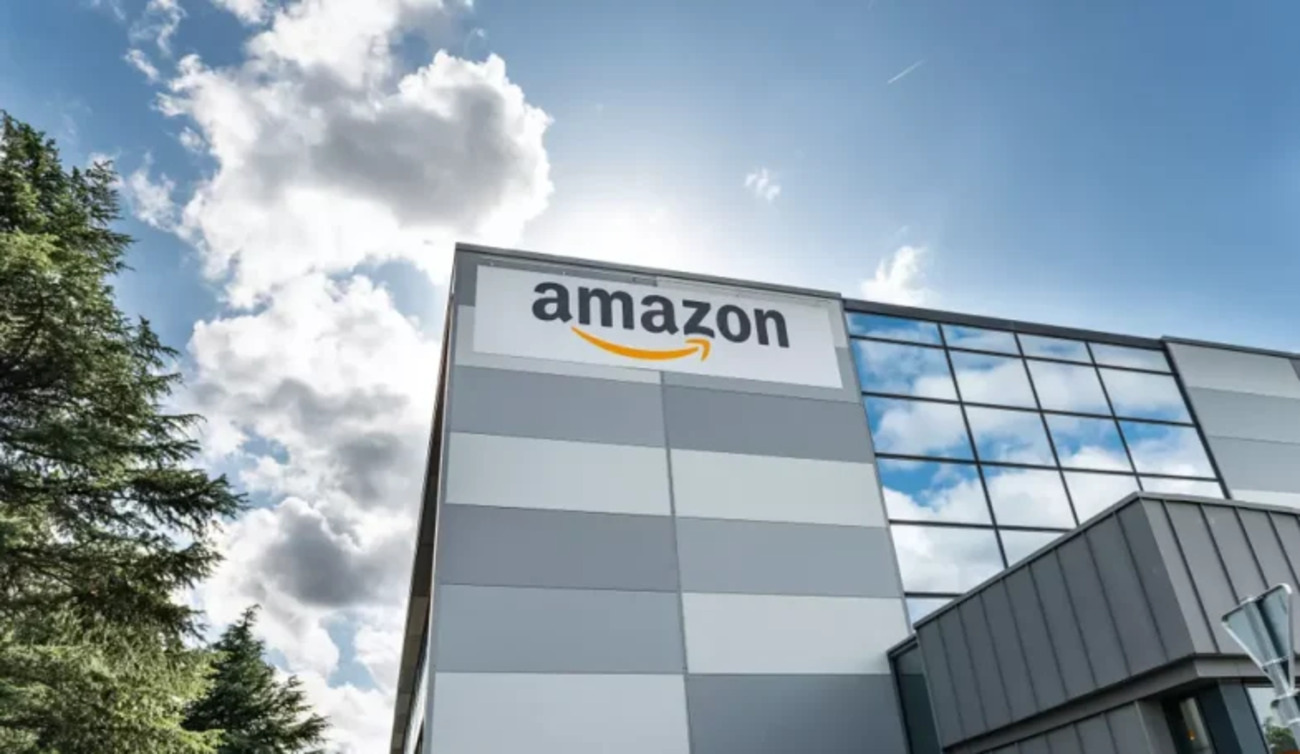
Technology giant breaks global sustainability records: How Amazon’s leadership in renewable energy procurement transformed the global energy market in the past year.
-
Alert in the electric sector: Atlas Renewable Energy confirms billion-dollar investment and Brazil risks losing a share of the new investment in Latin America to neighboring countries.
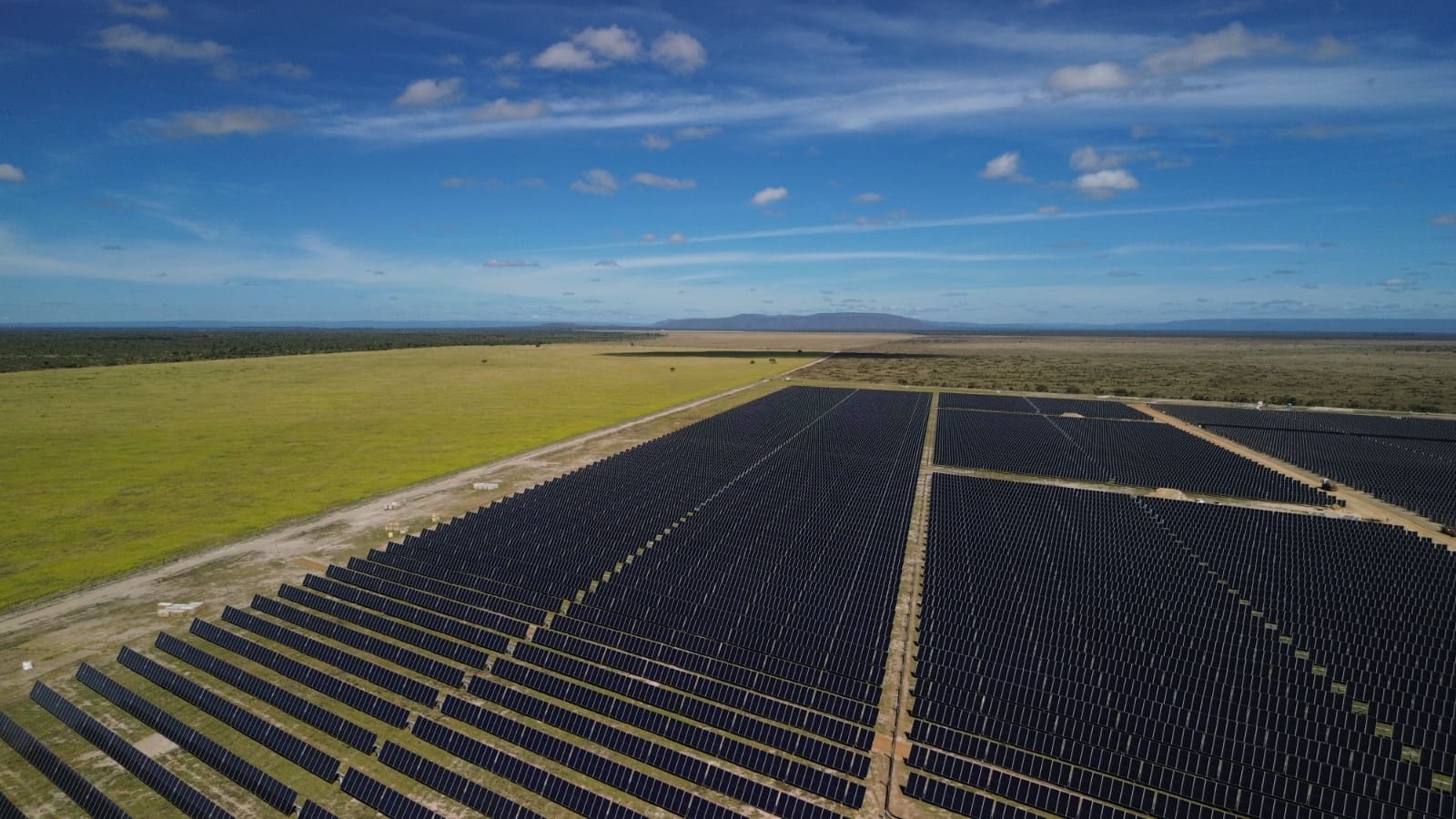
However, it was only after the Industrial Revolution in the 18th century that energy began to be produced on a large scale from fossil fuels, especially coal.
However, the intensive use of these fossil sources began to reveal their negative effects on the environment, especially from the 20th century onwards, with increased emissions of polluting gases.
The recognition of environmental damage led to global movements for sustainability.
The Kyoto Protocol, adopted in 1997 by the United Nations Framework Convention on Climate Change (UNFCCC), was the first major international agreement to require emission reduction targets for developed countries.
Subsequently, the Paris Agreement, signed in 2015 and promoted by the United Nations (UN), established the global commitment to limit the increase of the global average temperature to less than 2ºC above pre-industrial levels.
Following these events, renewable energy opportunities began to take center stage in the global energy debate, as they offer cleaner and inexhaustible alternatives for electricity generation and other uses.
Why Are Renewable Energies So Important?
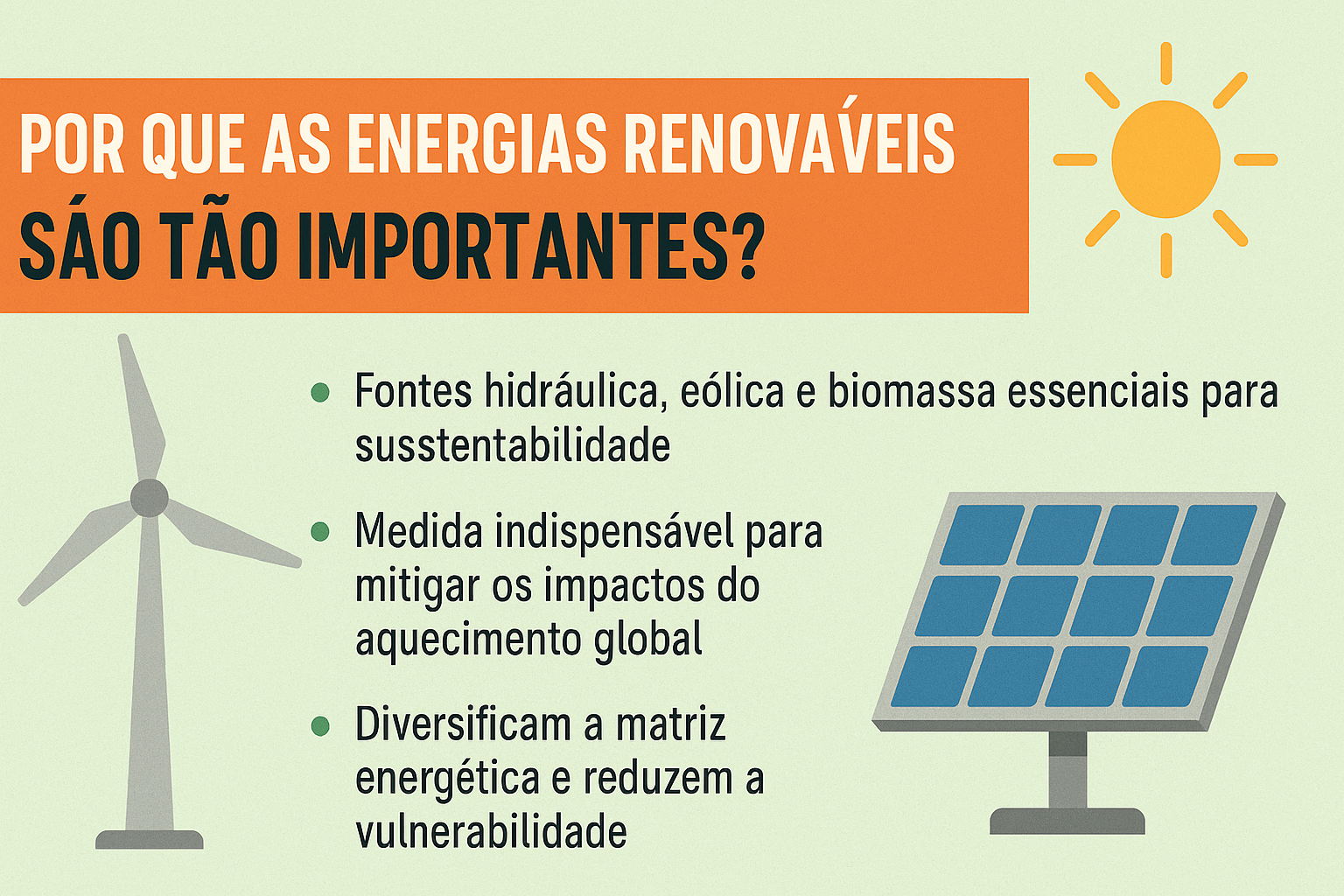
Historically, renewable sources like hydropower, wind, and biomass have been used in various cultures, but they lost ground with the advance of fossil fuels.
However, today, these sources are essential for ensuring sustainability.
According to the Intergovernmental Panel on Climate Change (IPCC), in its sixth assessment report published in 2022:
The massive adoption of renewable energies is an indispensable measure to mitigate the impacts of global warming and maintain ecosystem balance.
Moreover, renewable energies promote the diversification of the energy matrix, reducing vulnerability to oil and gas crises.
The National Electric Energy Agency (ANEEL) reported in its 2024 report that Brazil already produces over 85% of its electricity from these sources.
Especially hydropower, which historically accounts for about 60% of the Brazilian matrix, in addition to the growth of solar and wind energy.
Technological advancements have allowed the costs of renewable generation to drop drastically in recent years.
According to data from the International Renewable Energy Agency (IRENA), between 2010 and 2023, the global average cost of solar photovoltaic energy fell by 85%, and wind energy by 56%.
This progress has enabled wider access to these sources, making them competitive with fossil sources.
Innovation, Jobs, And Economic Growth
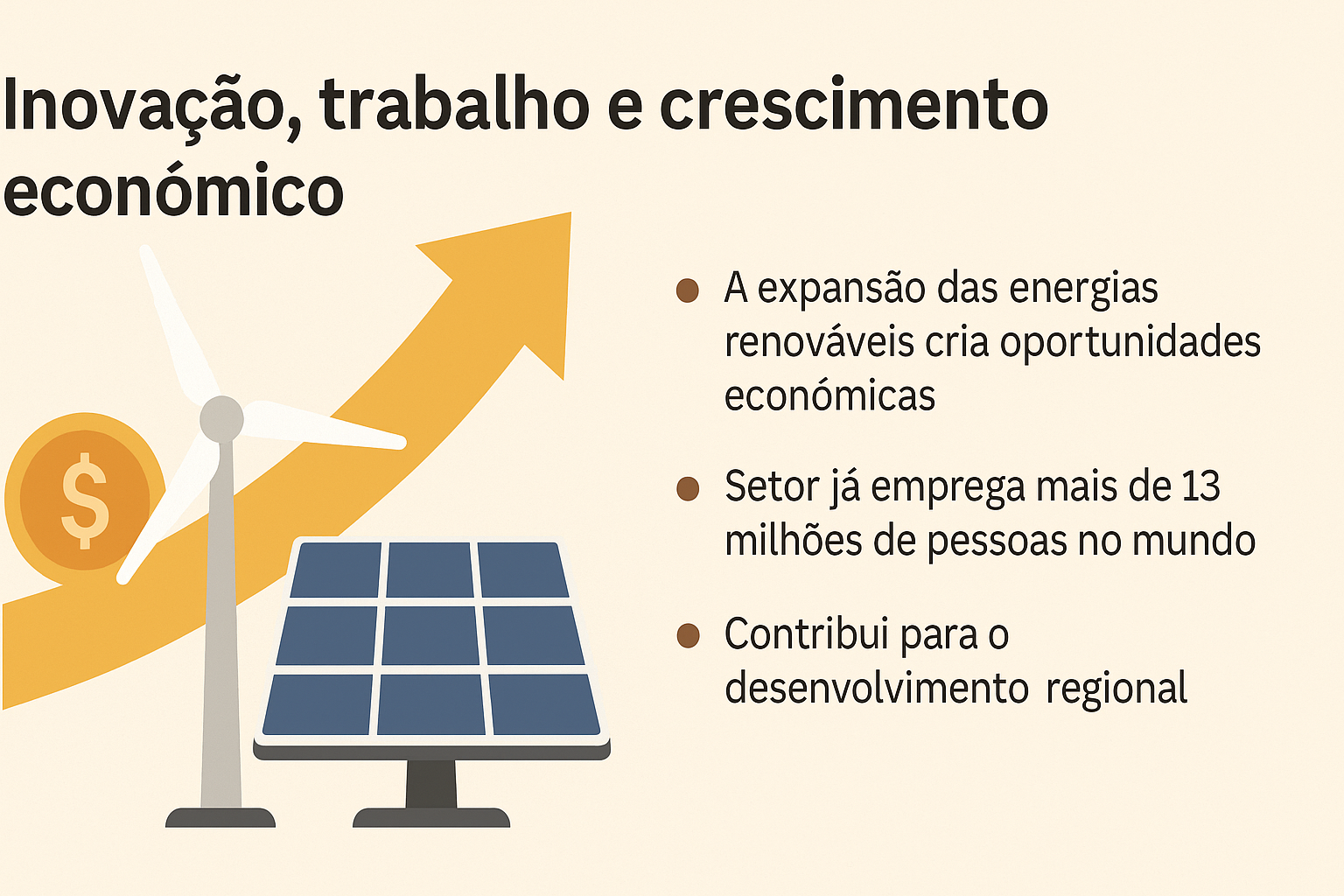
In addition to environmental benefits, the expansion of renewable energies creates new economic opportunities.
According to the IRENA report from 2023, the sector already employs over 13 million people globally, a number that is expected to grow as the energy transition advances.
In Brazil, job creation in clean energy is also on the rise.
With a focus on distributed solar energy projects and the installation of wind turbines, particularly in the Northeast and South regions.
According to a study by the Institute of Energy and Environment of the University of São Paulo, this expansion contributes to regional development and reduces social inequalities.
Energy security, that is, the ability to ensure a constant supply of energy, also improves with the diversified use of renewable sources.
Storage technologies, such as lithium-ion batteries and green hydrogen systems, are under rapid development, supported by public and private investments.
The Role Of Everyone In The Energy Transition
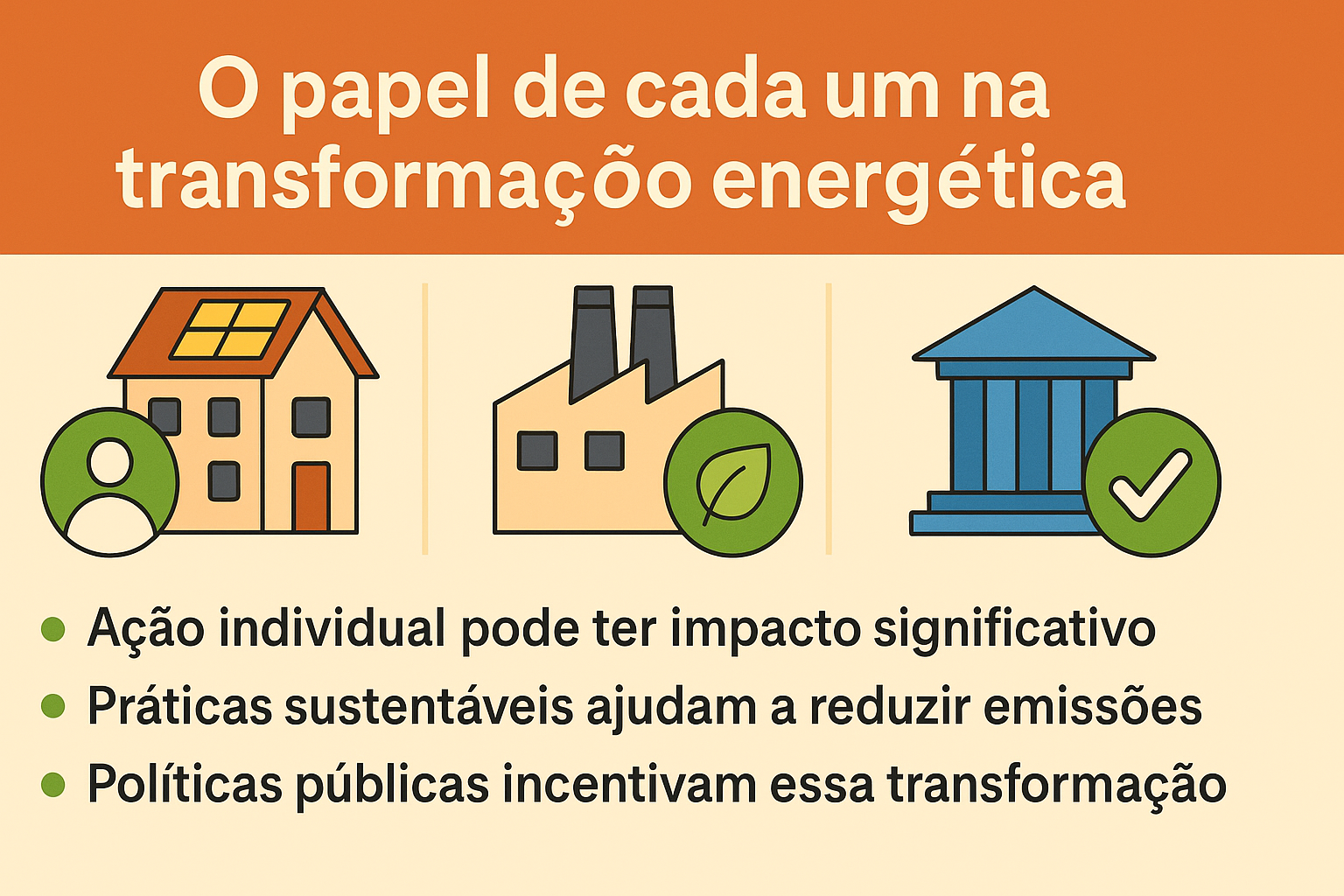
The transition to renewable energy depends on collective engagement.
According to the report from the International Renewable Energy Agency (IRENA), individual actions, such as installing residential solar panels, have a significant impact when replicated on a large scale.
Additionally, companies that adopt sustainable practices help reduce their emissions and stimulate the market to offer products and services with lower environmental impact.
Governments, through public policies, tax incentives, and regulations, create the necessary environment for this transformation to take place.
Education and social awareness also play a vital role.
Environmental movements and organizations such as Greenpeace and WWF promote campaigns and projects to raise awareness among the population and pressure authorities to prioritize the sustainability agenda.
Looking To The Future With Hope
The advancement of renewable energy opportunities represents a historic milestone in the relationship between humanity and the environment.
From the first uses of wind and water power to modern solar panels and wind turbines, history shows our capacity for adaptation and innovation.
However, as warned by experts from the UN and the IPCC, the pace of this transformation needs to accelerate to avoid irreversible consequences for the planet.
Therefore, renewable energies are not just a technical alternative, but a moral, social, and economic necessity.
History teaches us that the responsible use of natural resources determines the future of civilization.
In this way, by investing in renewable energies, we are building a legacy for future generations.
The energy transformation is an invitation to immediate action, uniting technology, economy, and environmental awareness to ensure a more balanced and sustainable future for all.









Seja o primeiro a reagir!