





 Portuguese
  English
  Spanish
  3 min of reading
  0 comments


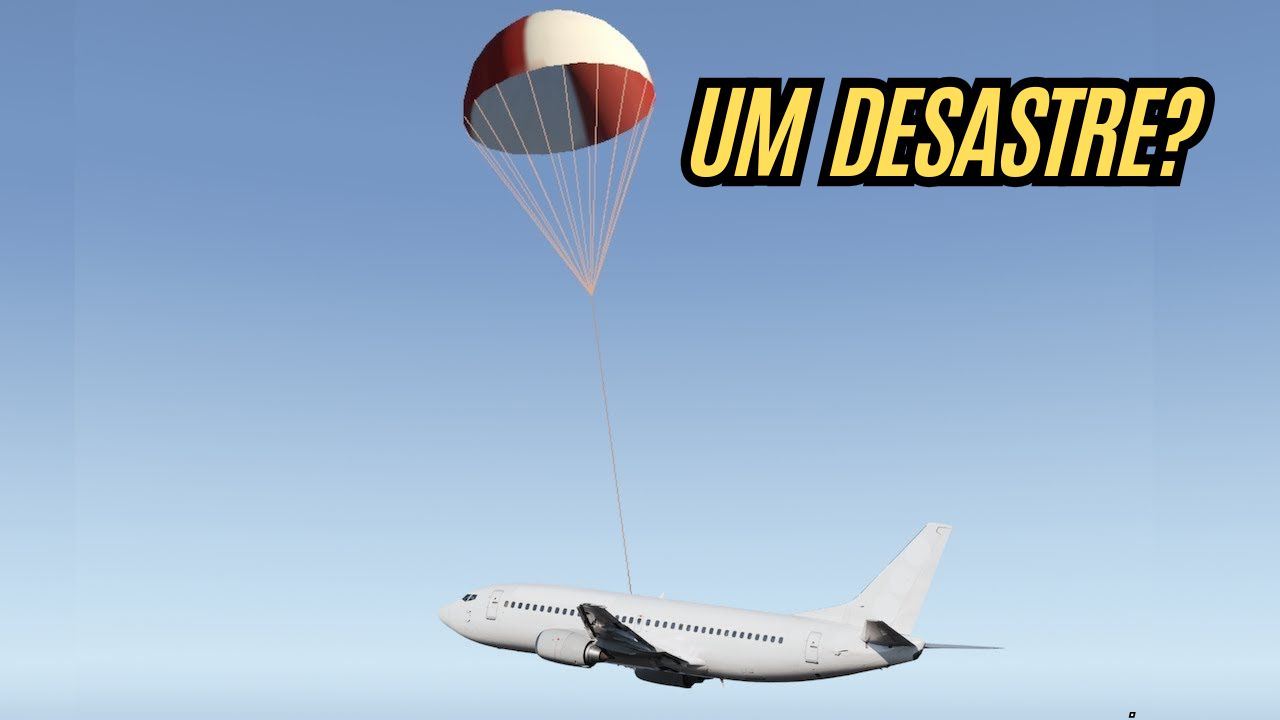
When It Comes to Air Safety, a Common Question Arises: Why Don’t Airplanes Have a Parachute System? At First Glance, It Seems Obvious That a Giant Parachute Would Save the Aircraft in Emergencies. But In Practice, This Solution Is Much More Complicated and, for Commercial Aviation, Practically Unfeasible.
Modern airplanes are truly gigantic machines, and this is the main reason why a parachute system in airplanes does not work. Some commercial aircraft can weigh over 300 tons. Developing a parachute capable of slowing down this monster in free fall would be a colossal technical challenge.
To start, the parachute would need to be absurdly large—larger than the airplane itself. Where would it be stored? The structure of the aircraft would have to be completely redesigned to withstand the impact of the opening, which would require a significant increase in weight, compromising performance and fuel consumption.
Another obstacle is the high speeds of airplanes, which typically fly at over 800 km/h. Opening a parachute at this speed would be disastrous: the parachute could tear, and the airplane would risk being torn in half.
-
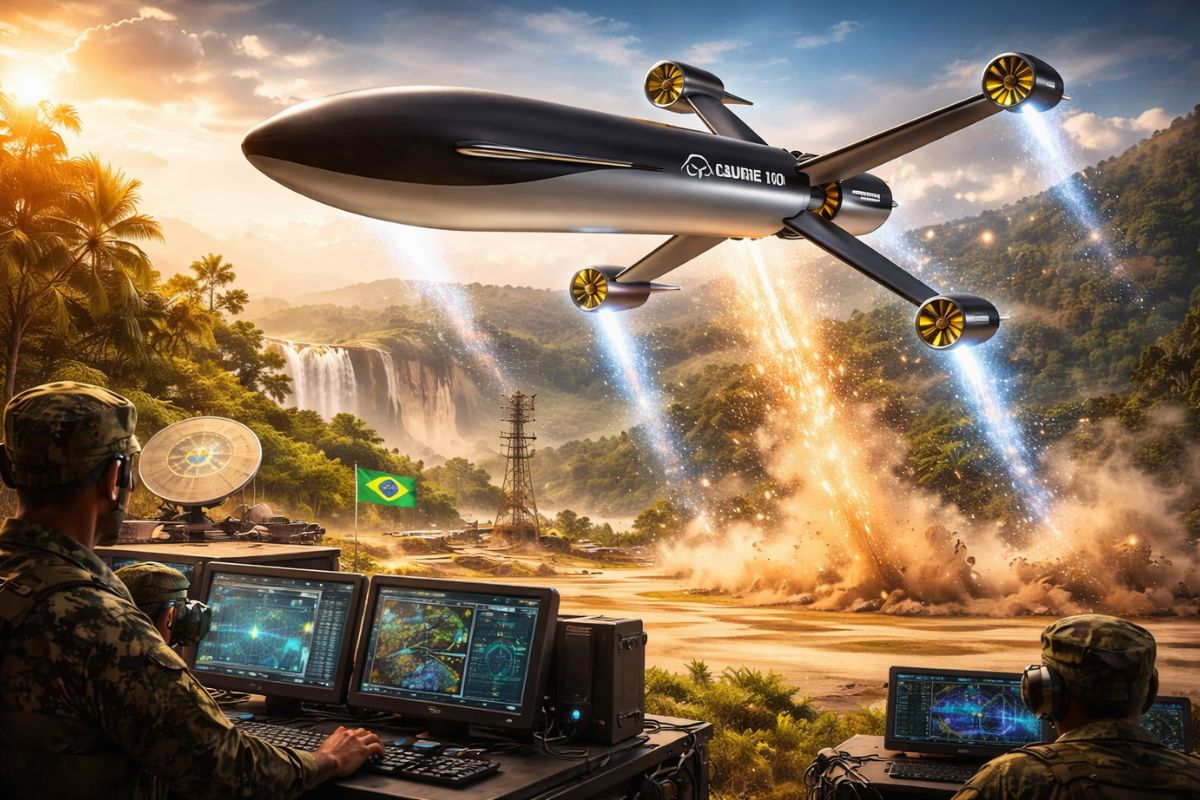
Brazil has quietly developed an electric tactical drone that takes off and lands vertically without needing a runway, flies at 140 km/h in a fully autonomous manner, and can operate in forests, conflict zones, and remote areas.
-
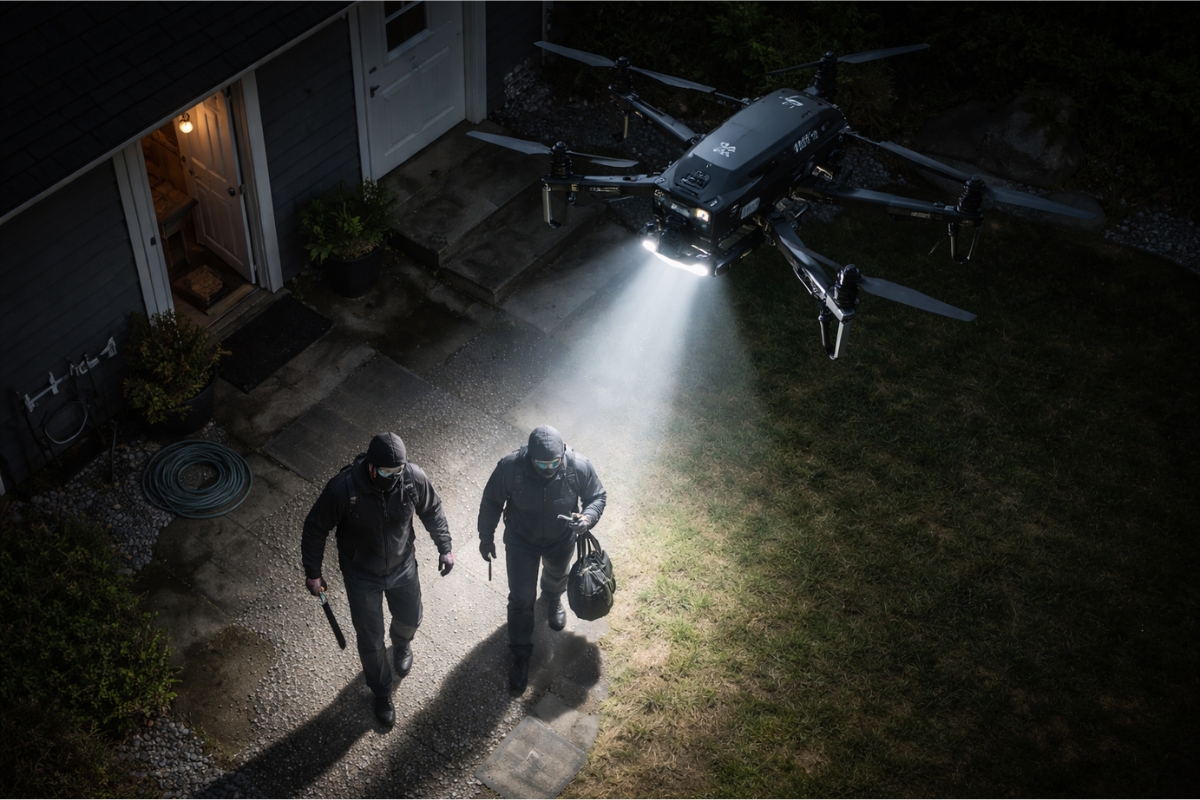
Novo drone Guardian debuts in the United States with an 8-mile range, robotic battery swapping, and Starlink connectivity for continuous response.
-
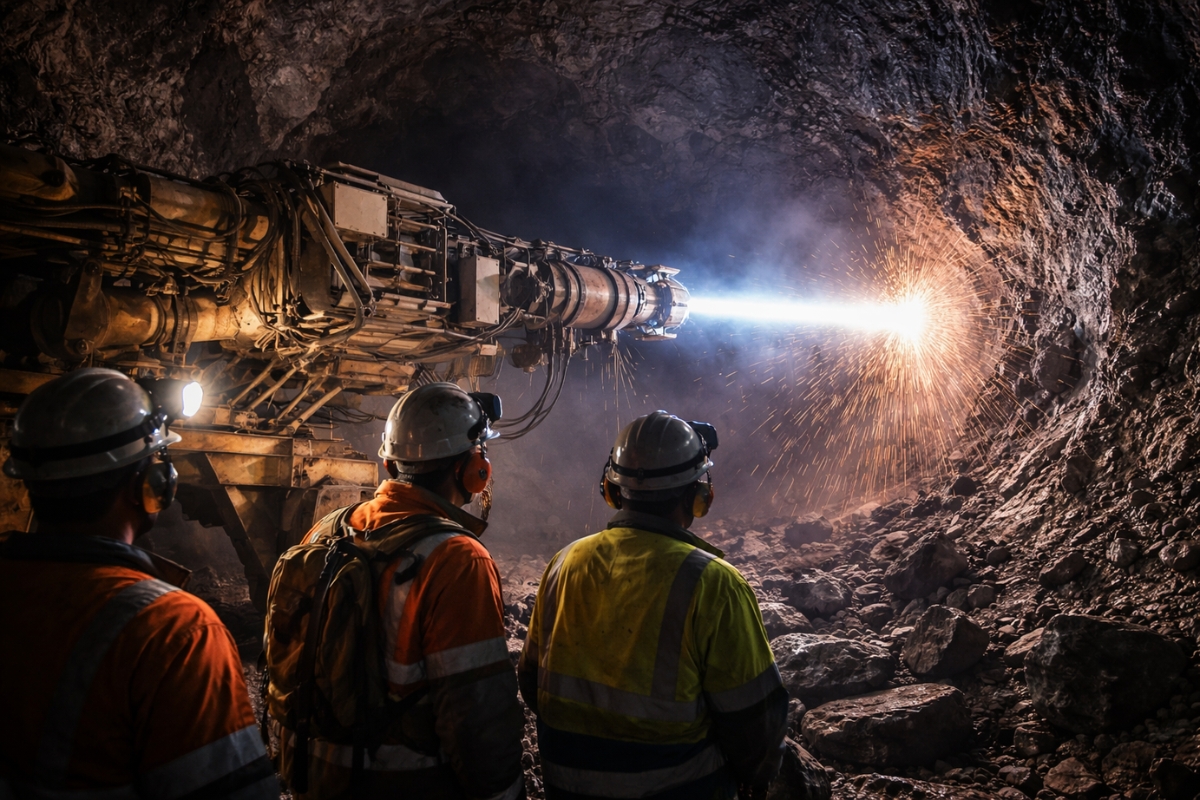
100 kW megalasers are already pointing to a new industrial phase, with enough power to cut thick steel, drill through rocks, accelerate mining, and increase productivity in operations previously considered too difficult.
-
Thousands of people in poor countries are paid cents to film household tasks, label images, and operate systems remotely all day long, and this invisible work fuels a $17 billion market that trains the artificial intelligences of Google, Tesla, and Meta.


Cost and Environmental Impact: Other Reasons for the Unfeasibility
Even if the technology for a parachute in airplanes were viable, the cost would be exorbitant. Airlines would have to invest billions in research, development, and testing. All this cost would be passed on to passengers, making tickets much more expensive.
The extra weight of this system would also increase fuel consumption, which, besides raising flight costs, would increase carbon emissions. At a time when the industry prioritizes sustainability and efficiency, this solution goes against that trend.
Another critical point would be the impact on the internal space of the airplane. To store the parachute, it would likely be necessary to sacrifice space for passengers or cargo, directly affecting the profitability of airlines.
When the Parachute Works – But Only in Small Airplanes
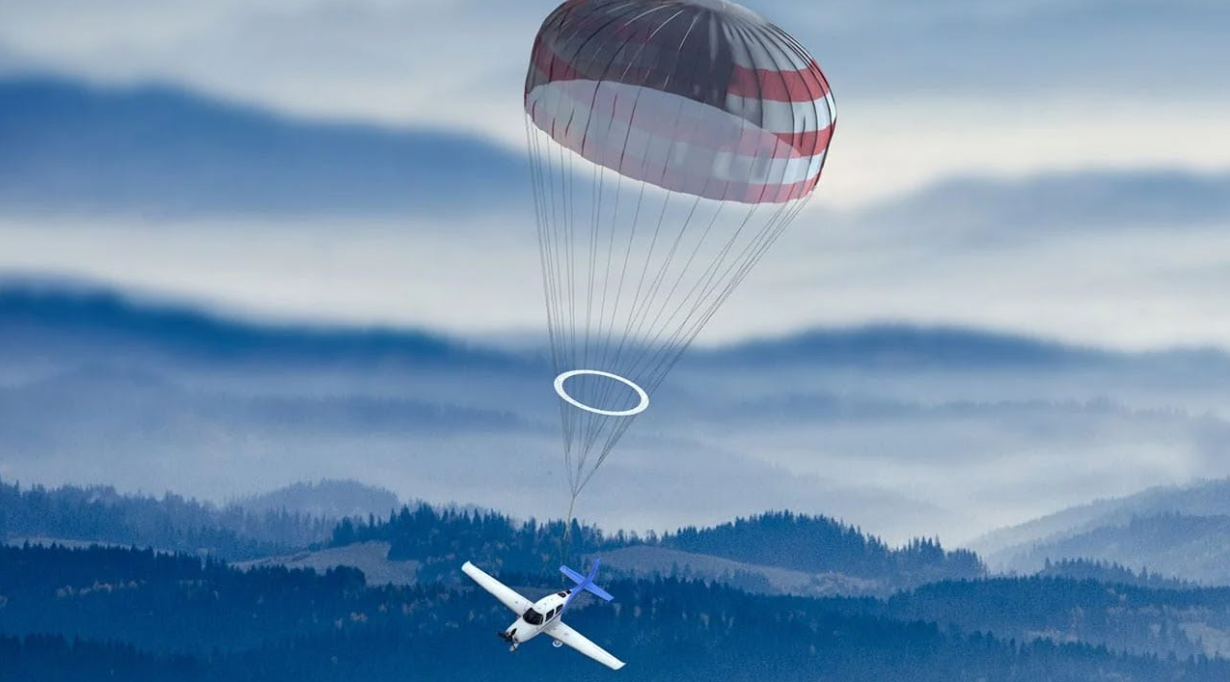
Although for large commercial airplanes the parachute is impractical, it is already a reality in smaller aircraft. The Cirrus Airframe Parachute System (CAPS) is one example. This system, used in small airplanes, can save the entire aircraft in emergencies such as engine failures.
But it is important to emphasize that these airplanes weigh about 1,800 kg, while a commercial aircraft weighs over 300 tons. Success in small aircraft is not applicable to the giants of aviation.
Modern Safety: Far Beyond a Parachute
The fact that airplanes don’t have parachutes doesn’t mean that flying isn’t safe. On the contrary, commercial aviation is one of the safest forms of transportation in the world. This is due to an integrated safety system, which includes:
Highly reliable engines that allow gliding over long distances even in failures;
Advanced flight control systems with redundancy to prevent serious failures;
Rigorous training for pilots, who simulate real emergencies to know how to act in any situation;
Smart designs that ensure safety even in extreme scenarios.
Technologies such as collision avoidance systems, improved communication, and continuous monitoring of the health of aircraft make the need for a parachute unlikely.
The idea of a parachute in airplanes might seem interesting, but the technical, economic, and practical limitations make this solution unfeasible. Instead, modern aviation relies on layers of safety, training, and technology to ensure that flying remains extremely safe. The absence of a giant parachute is not a flaw, but rather a reflection of the intelligence and sophistication that underpins every flight.





Seja o primeiro a reagir!