





 Portuguese
  English
  Spanish
  4 min of reading
  1 comment


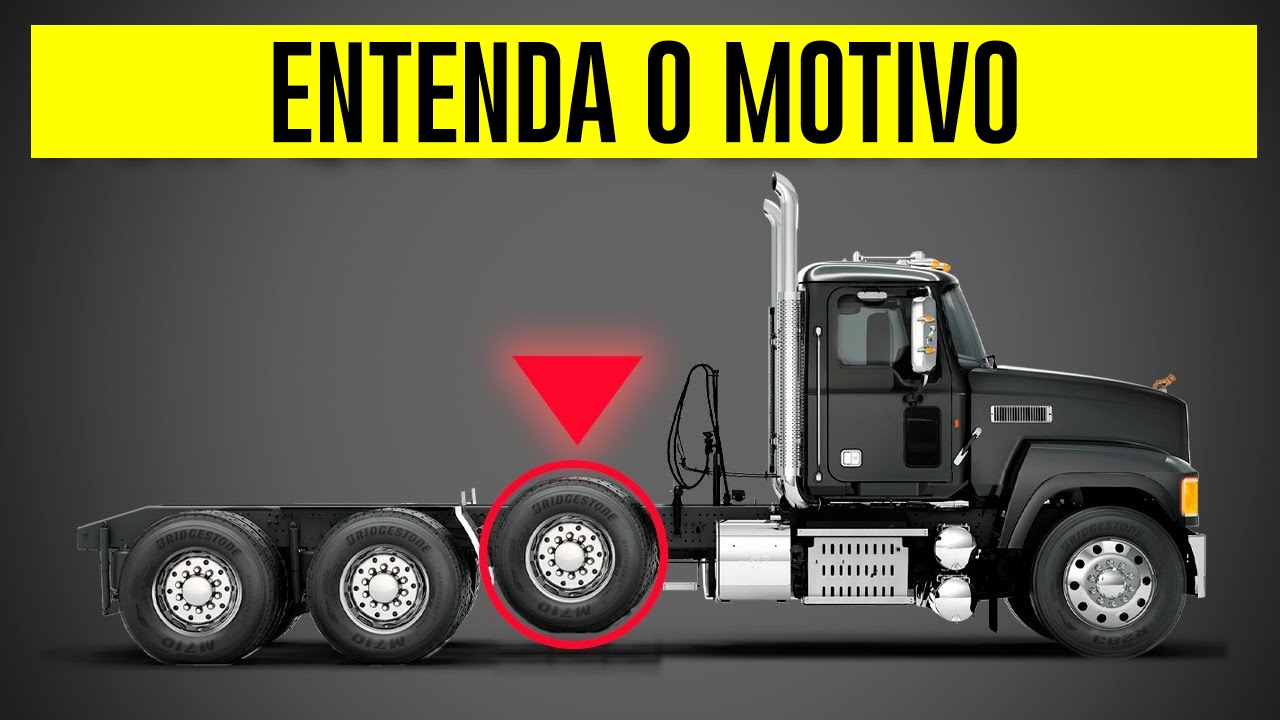


Have You Noticed That Many Trucks Circulate With One Of The Axles Raised? This Practice Has Important Reasons. Understand Why This Happens!
If you have observed trucks on the road and noticed that some have a raised axle, you may have wondered why this happens. Many people believe they are smaller wheels or a spare, but the truth is that these axles serve a strategic function in road transport.
This system was developed to optimize fuel consumption, reduce tire wear, and improve safety on the roads.
The Importance Of Raised Wheels
Trucks are designed to transport heavy loads. The heavier the weight, the greater the need for traction on the ground, requiring more axles and tires in contact with the road.
-
The car stored for 38 years: when opening the barn door, what appears is breathtaking and looks like a scene from a movie!

-
Fiat works miracles in the Brazilian market, lowers the price of its 0 km hatch to R$ 69,990, reestablishes the model as the cheapest car in the country, and reignites the battle against Kwid and C3.

-
Chevette with cooking gas: How the gas cylinder ends up being used in cars clandestinely and why this makeshift solution can result in leaks, explosions, damaged engines, and seized vehicles.

-
Fiat launches the new 2027 Toro hybrid with 48V, 176 hp, an electric motor of 15.5 hp, a 0.85 kWh battery, up to 7% fuel savings, 8% fewer emissions, and possible exemption from IPVA.


However, when the truck is empty or lightly loaded, not all axles are necessary. Keeping them in contact with the ground can increase fuel consumption and prematurely wear out the tires.
To avoid this problem, the axle suspension system was created, allowing the driver to lift one or more lift axles (those that do not receive direct power from the engine). This mechanism is activated pneumatically, reducing friction and improving the truck’s performance.
In addition, it provides greater control over the transported load, especially on varied routes where the load capacity may change constantly.
Benefits Of Use
Reduction in Fuel Consumption: One of the main factors impacting transportation costs is fuel consumption. Trucks with unnecessary lowered axles increase drag and rolling resistance, forcing the engine to work harder.
With the axle raised, the truck driver reduces contact with the ground, facilitating vehicle movement and saving fuel. Studies indicate that savings can reach up to 5% of total consumption, a significant number for transportation companies.
Less Tire Wear: Tires represent a significant portion of a truck’s operating costs. Keeping them in contact with the ground unnecessarily accelerates wear, requiring more frequent replacements.
By raising the axles when they are not needed, the truck driver prolongs the life of the tires, reducing maintenance expenses. This is even more relevant considering that truck tires can cost thousands of reais per unit.
Better Weight Distribution: When the truck is loaded, the raised axles are lowered to better distribute the weight of the load. This avoids uneven tire wear and improves vehicle stability.
On highways, this distribution helps preserve the asphalt, reducing the impact on road infrastructure. Moreover, it reduces the need for maintenance on bridges and high-traffic roads.
Compliance with Regulatory Standards: In Brazil and several countries, there are regulations regarding weight per axle for trucks. Noncompliance with these standards can result in fines and even vehicle detention.
The raised axle system allows drivers to adjust the weight per axle according to the transported load, ensuring that they remain within legal limits. This also helps reduce road wear, a chronic problem in many regions.
Increased Safety and Stability: With the raised axle, the truck gains more stability during trips. In curves and maneuvers, increasing or decreasing the number of wheels in contact with the ground directly impacts drivability.
This reduces the risk of tipping over and improves the safety of the driver and other road users. Additionally, it is a beneficial solution for unpaved roads, where vehicle stability can be compromised.
How Does The Raised Axle Work?
The raised axle mechanism is based on a pneumatic system known as Lift Kit. This system uses air bags that, when inflated, lift the axle. When the driver needs to lower it, the bags are deflated, allowing the axle to touch the ground again.
The activation of this system is done directly by the driver through a control in the cabin. This mechanism is particularly advantageous for trucks transporting variable loads, such as dump trucks and bitrains, where the weight can change significantly between trips.
Transportation companies usually standardize this type of system in their fleets to optimize logistics and reduce costs.
Which Trucks Have Raised Axle?
The raised axle technology is common in various types of trucks, especially those used for heavy loads and long-distance routes. Some examples include:
- Bitruck Trucks: With two steering axles in the front and an additional raised axle.
- Semitrailers and Bitrains: May have one or more raised axles on the trailer.
- Dump Trucks and Construction Trucks: That need to adjust weight according to the transported load.
- Tank Trucks: Transport fuels and chemicals, requiring constant weight adjustments.
The use of raised axles in trucks is a strategic solution that improves efficiency, reduces costs, and ensures more safety on the roads.
By allowing the driver to adjust the number of wheels in contact with the ground, this system contributes to fuel savings, tire preservation, and compliance with regulatory standards.









❤️Aqui você pode tirar a roupa da garota e vê-la nua) Confira ➤ Ja.cat/gosea