





 Portuguese
  English
  Spanish
  4 min of reading
  0 comments


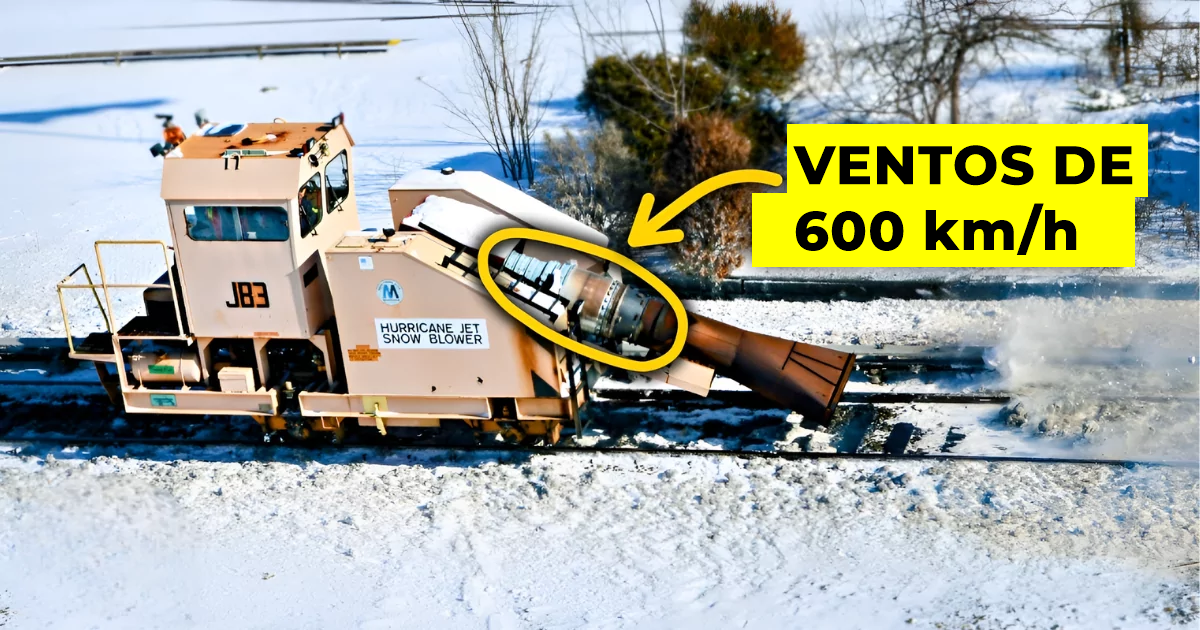
Jet Engine Snowblowers Are Used in Russia to Clear Airport Runways, Ensuring Efficiency and Safety in Severe Climates.
In the harsh winters of Russia, where snow accumulates quickly, keeping airport runways free of ice and snow is a constant challenge. Extreme cold can paralyze operations and compromise flight safety. But, with creativity and ingenuity, Russia has found an unusual and powerful solution: transforming decommissioned fighter jet engines into jet-powered snowblowers.
These impressive machines, which mix military power with practical efficiency, show how technology can be repurposed creativelyandinventively. Instead of pushing the snow, as traditional plows do, these fighter jet engines simply blow it away with the brute force of jet thrust.
How Jet Snowblowers Work
The operation of these machines with fighter jet engines is simple, yet impressive. In three steps, they can clear entire runways in just minutes.
-
A planet that seemed to defy the laws of physics has intrigued scientists for decades, until the James Webb revealed what is really affecting Saturn’s rotation.

-
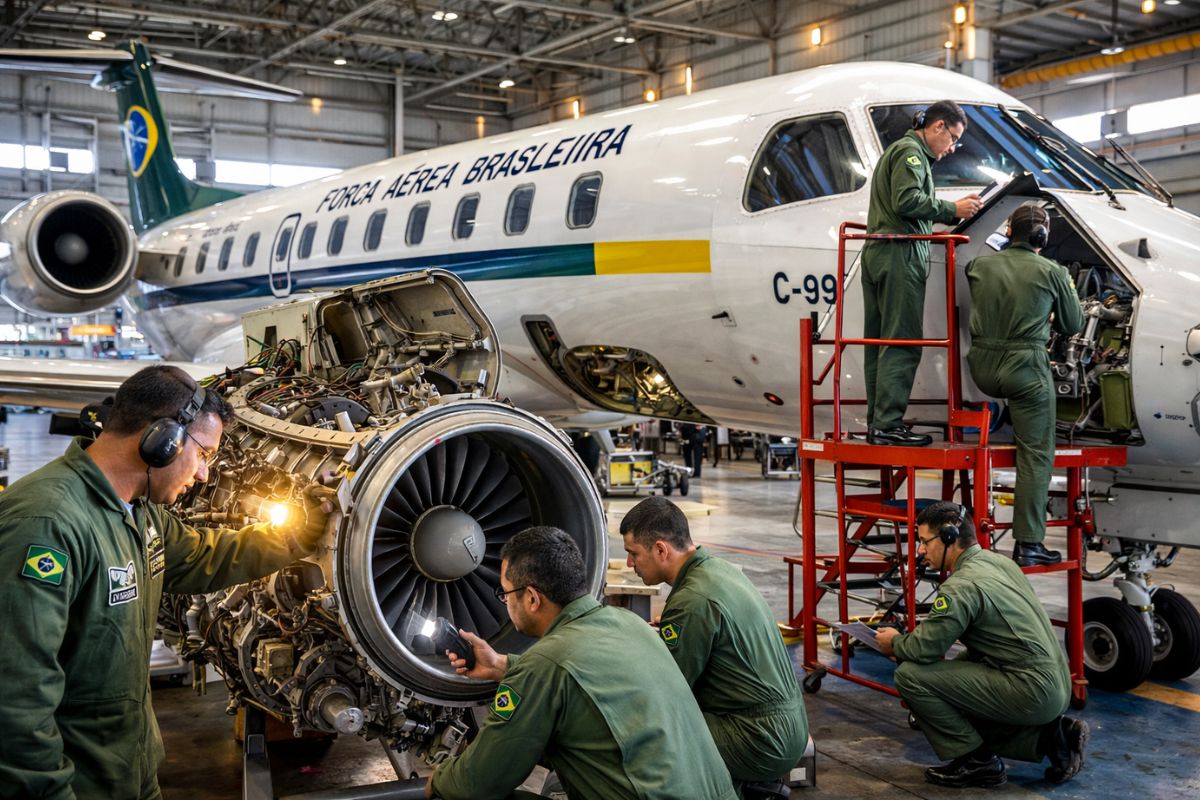
For the first time in history, the Brazilian Air Force conducted a highly complex inspection on the C-99 jet independently, without relying on foreign companies, marking a new level of logistical autonomy and operational sovereignty.
-
Beet greens that end up in the trash in many kitchens contain a high concentration of antioxidants, and a 2025 study shows that extracts may have even more potent activity when transformed into microparticles.

-
Something was orbiting Earth before any human launched a satellite into space: scientists have found thousands of unexplained flashes in old photos of the sky, and a NASA researcher says the evidence points to non-human intelligence.


Reusing Fighter Jet Engines: Old fighter jet engines, such as the MiG-15, MiG-21, and Su-15, are removed and repurposed. The most common engine in this process is the Klimov VK-1, a Soviet-era turbojet known for powering the first jet fighters.
These engines are adapted and mounted on 6×6 military trucks, creating a powerful and robust cleaning vehicle.
Creating High-Speed Thrust: The jet engine is activated and releases a stream of hot air at high speed. This intense heat melts the ice instantly, while the extreme thrust blows the snow off the runway.
It is an efficient solution, especially for dealing with wet snow and compacted ice, which are difficult to remove with conventional equipment.
Fast and Effective Cleaning: The speed at which these jet snowblowers operate is impressive. In just a few minutes, large amounts of snow are removed, keeping runways operational even in the harshest conditions of a Russian winter. This ensures the continuity of air operations without delays or safety risks.
The Soviet Origins of the Technology
The idea of repurposing jet engines for snow clearing emerged in the Soviet Union in the 1960s and 1970s. With Russia’s extreme climate, which hosts some of the coldest airports in the world, the need to keep runways free of snow was essential.
In addition, the Soviet Union had thousands of decommissioned jet engines. Reusing them instead of discarding them became a practical and economical solution.
The concept proved to be so efficient that it was adopted at military bases and civil airports, remaining in use to this day in some regions of Russia.
The Power Behind These Fighter Jet Machines
The highlight of these jet snowblowers is their impressive power. The Klimov VK-1 engine, originally used in the MiG-15, generates 5,950 pounds of thrust—enough to propel an aircraft. This power is essential for melting ice and blowing snow at high speed.
While a traditional snowblower operates at about 40-50 km/h, a jet snowblower can blow snow at speeds exceeding 600 km/h. This drastically reduces runway cleaning time, making them safe and operational in record time.
Advantages of Jet-Powered Snowblowers
Jet snowblowers offer several advantages over conventional methods:
- Rapid Cleaning: A single pass of the jet blower is sufficient to clear thick layers of snow, saving time and reducing runway downtime.
- Efficiency with Compact Ice: The heat generated by the engine melts ice instantly, something traditional plows cannot do with the same efficiency.
- Infrastructure Preservation: As the jet snowblower does not scrape the runway surface, the lights and markings remain intact, avoiding costly repairs.
- Reusing Military Resources: The practice of repurposing decommissioned jet engines reduces costs and maximizes the use of existing resources.
Where These Snowblowers Are Used
These impressive snow cleaning machines are employed primarily in three locations:
- Military Air Bases: They ensure runways are always clear for quick takeoffs, regardless of weather conditions.
- Remote Civil Airports: Especially in regions like Siberia, where heavy snow can disrupt air operations.
- Arctic and Heavy Snowfall Regions: Places like Murmansk, Novosibirsk, and Yakutsk, which face some of the world’s largest snowfalls, rely on these machines to keep air traffic running.
Challenges and Disadvantages of Fighter Jet Engine Snowblowers
Despite their efficiency, jet-powered snowblowers have some disadvantages. The high fuel consumption is a major concern, as a single blower can burn hundreds of liters of fuel per hour.
Moreover, the noise produced by the jet engines can exceed 120 decibels, requiring safety measures to protect workers.
Another critical point is environmental concerns. The burning of aviation fuel generates carbon emissions, leading some airports to seek more sustainable alternatives, such as electric-powered equipment.
Even with these challenges, jet-powered snowblowers continue to be an effective and practical solution for Russia. Their ability to clear runways in record time and operate in extreme weather conditions ensures the continuity of air operations, both military and civil, in one of the most challenging environments in the world.







Seja o primeiro a reagir!