





 Portuguese
  English
  Spanish
  4 min of reading
  0 comments


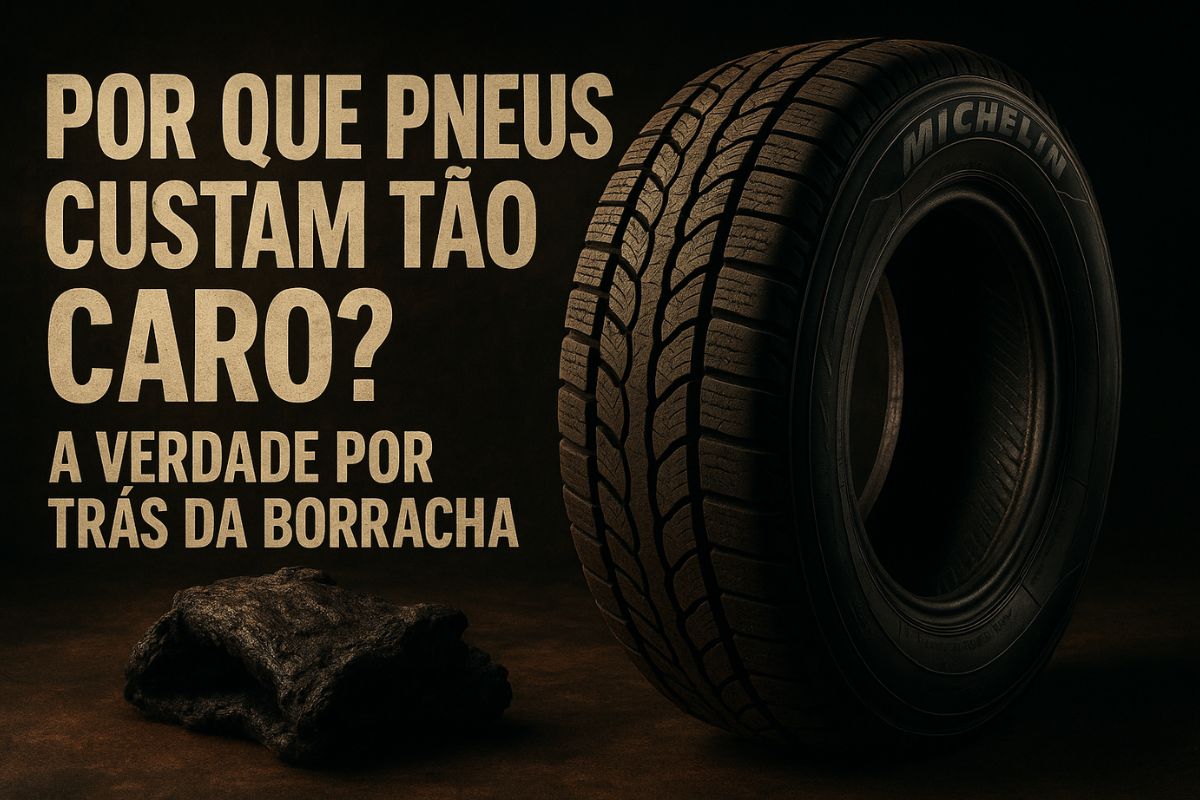
From Advanced Engineering to Import Taxes, Understand the Factors That Transform a Simple Rubber Item into One of the Highest Costs of Your Car.
Many drivers wonder why tires are so expensive, especially when it comes to replacing the entire set. However, the answer goes far beyond a simple black rubber ring. Behind every tire lies a complex combination of research, technological development, high-quality materials, and, in the case of Brazil, a heavy burden of taxes and protectionist policies that inflate the final price for consumers.
What might seem like just an accessory for the vehicle is, in fact, one of the most critical safety components. The difference between a high-quality tire and a generic one can mean crucial meters in an emergency brake, stability in a turn in the rain, or even the prevention of a serious accident. Understanding what makes up its cost is essential for making a conscious and safe choice.
The Illusion of Simplicity: Over 200 Components in a Tire
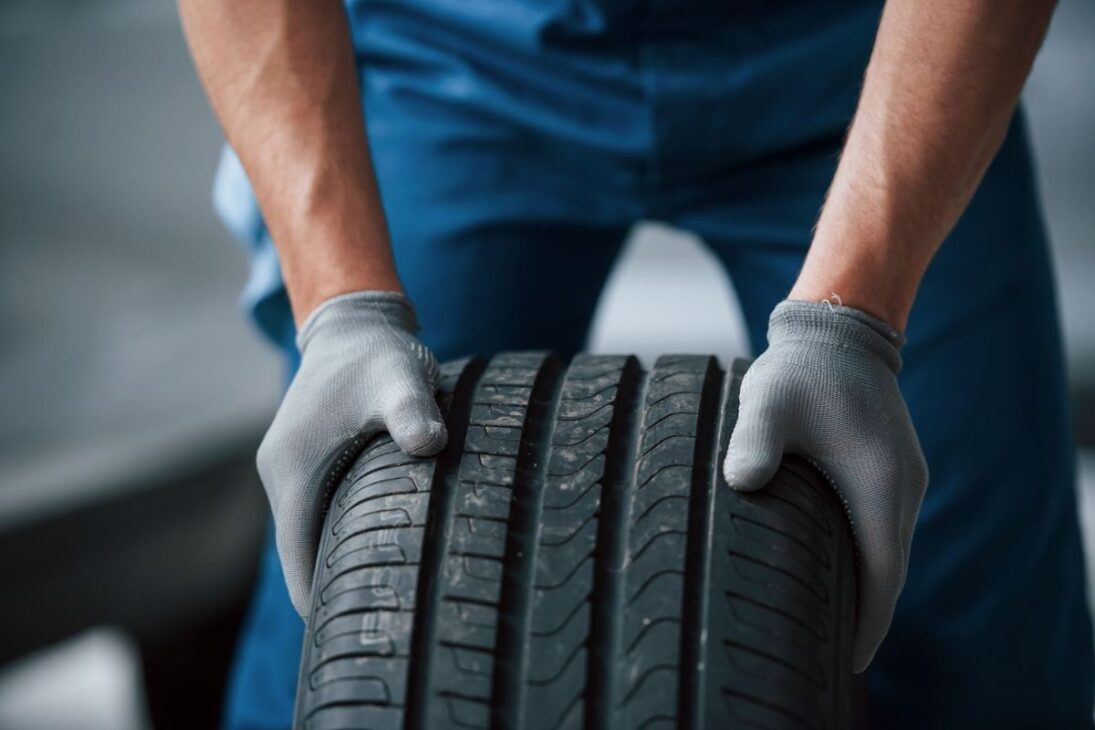
The idea that “a tire is just a tire” is a dangerous misconception. A modern tire is a work of engineering that can contain more than 200 different materials, including natural rubber, synthetic rubbers, carbon black, silica, steel, nylon, and even Kevlar — the same material used in bulletproof vests. Each component is chosen for a specific function, whether to ensure durability, optimize grip on dry or wet surfaces, reduce rolling noise, or decrease fuel consumption.
-
With emergency diversion to abandoned mining craters, engineers save villages from a devastating flood that was advancing through the desert and threatening to destroy entire communities in a matter of hours.
-
It seems simple, but it enriches: from R$ 500 to R$ 6,000 per piece and up to 10 days of handcrafted production, how is the couple from Praia Grande making a high income with hyper-realistic miniatures and turning a hobby into a money-making machine?

-
Artisanal well erupts with water in the sertão of Bahia, revealing a surprising flow with six active fissures underground and changing the landscape in the Bahian semi-arid region.
-
NASA published a photo taken from space of a mountain range in the interior of Goiás, and the whole world wanted to know what it was: beneath it lies the largest hot water spring on the planet, with temperatures reaching 70 degrees in the middle of the Cerrado.


This mixture must support the weight of a car, which ranges from 950 kg to over 2 tons, in addition to withstanding extreme temperatures, constant impacts against potholes, and variations in speed. To give an idea of the complexity, high-displacement motorcycle tires, which use multiple rubber compounds to optimize performance on straights and curves, can cost over R$ 2,000 per pair.
The Engineering That Costs a Lot: The Difference Between Stopping and Crashing
A premium tire isn’t expensive by chance. It is the result of billions of dollars invested in research and development. Companies like Continental have global testing centers, such as the one in Hanover, Germany, where each new model undergoes a thorough battery of evaluations. There are permanently frozen tracks, 100% wet circuits with controlled water mirrors, and autonomous braking systems that measure every centimeter of performance.
Independent tests prove this difference in practice. The specialized site Tyre Reviews, in one of its most comprehensive comparisons, put eight low-cost brand tires against a premium model from Continental. The result was alarming:
Braking on Wet Surfaces: The worst budget tire needed 14 meters more to stop the vehicle compared to the premium tire.
Braking on Dry Surfaces: The difference was nearly 5 meters — enough to turn a safe stop into a collision.
Besides braking, the cheaper tires showed less control in turns, greater tendency to aquaplane, and instability in rapid maneuvers. This performance difference is what you pay for when you invest in a recognized brand tire. The safety, durability, and even fuel efficiency of a superior tire often justify the higher initial investment.
How Protectionism Affects Your Wallet
Even with all the embedded technology, one of the biggest villains explaining why tires are so expensive in Brazil is outside manufacturers’ control: government policies. In a measure to “protect the national industry,” the Brazilian government frequently increases import tariffs on tires.
Recently, the import tariff for passenger tires increased from 16% to 25%. The justification is to combat the entry of Asian tires, which arrive in the country at prices considered predatory by the local industry. The National Association of Tire Manufacturers (Anip) argues that this unfair competition harms domestic production. However, the Brazilian Association of Tire Importers and Distributors (Abidip) warns that the increase in taxes can raise tire prices by up to 25% for the final consumer, directly impacting road transport costs.
The tire is already the second most expensive input for transport companies, second only to fuel. According to the National Land Transport Agency (ANTT), the item represents about 10% of the operational costs of freight. In the end, the consumer pays the price of a policy that raises the cost of imported products without ensuring that the national industry offers more competitive prices.
An Investment in Safety and Technology
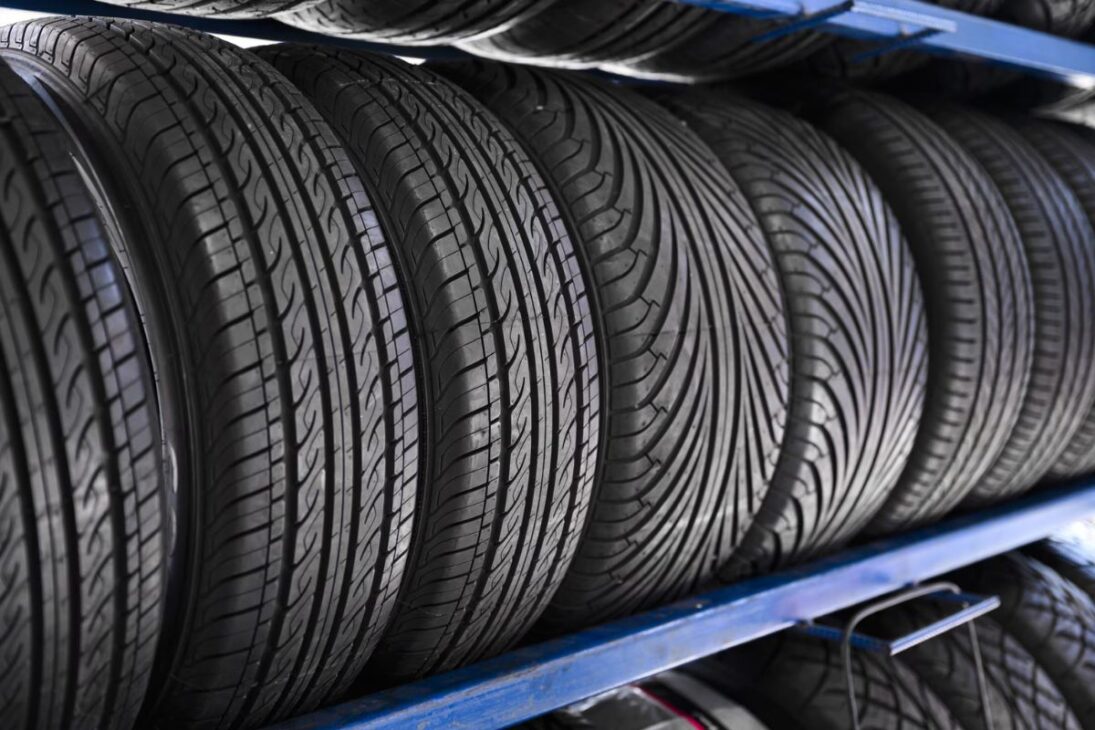
The next time you are shocked by the budget to replace your car’s tires, remember that you are not just paying for rubber. You are investing in hundreds of components, years of research, rigorous testing, and a complex engineering designed to keep you and your family safe.
However, it is undeniable that the “Brazil cost” — with its high tax burden and protectionist policies — plays a crucial role in forming prices. The combination of these factors explains why such an essential item for vehicle safety weighs so heavily on the Brazilian pocket.
And you, have you ever been shocked by the cost of replacing tires? Do you think the price is fair for the technology offered or is the weight of taxes the biggest villain? Comment below!





Seja o primeiro a reagir!