





 Portuguese
  English
  Spanish
  5 min of reading
  0 comments


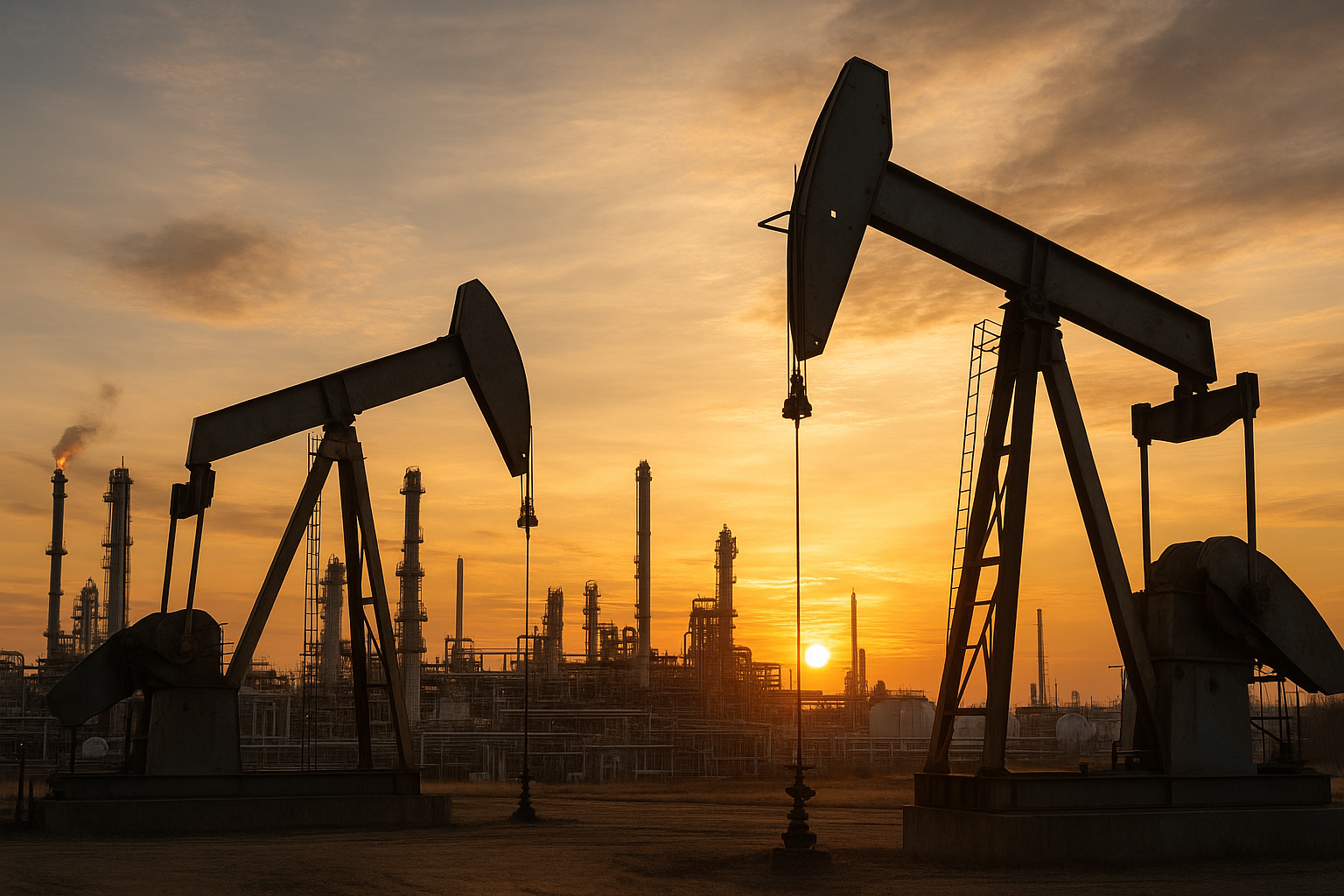
Understand Why Tracking Oil and Gas Trends Is Essential to Forecast Changes in the Economy, the Energy Sector, and Global Geopolitics — Even Amid the Transition to Renewable Sources.
The oil and gas trends profoundly impact almost every aspect of our modern lives.
From transportation means to electricity production, to the manufacturing of plastic products, fertilizers, and countless other items in our daily lives, fossil fuels continue to play a central role in the global economy.
Therefore, tracking these trends helps understand how these changes can affect our daily lives.
-
Petrobras evaluates suspension of sales to distributors and considers canceling the cooking gas auction following guidelines from the Federal Government.
-
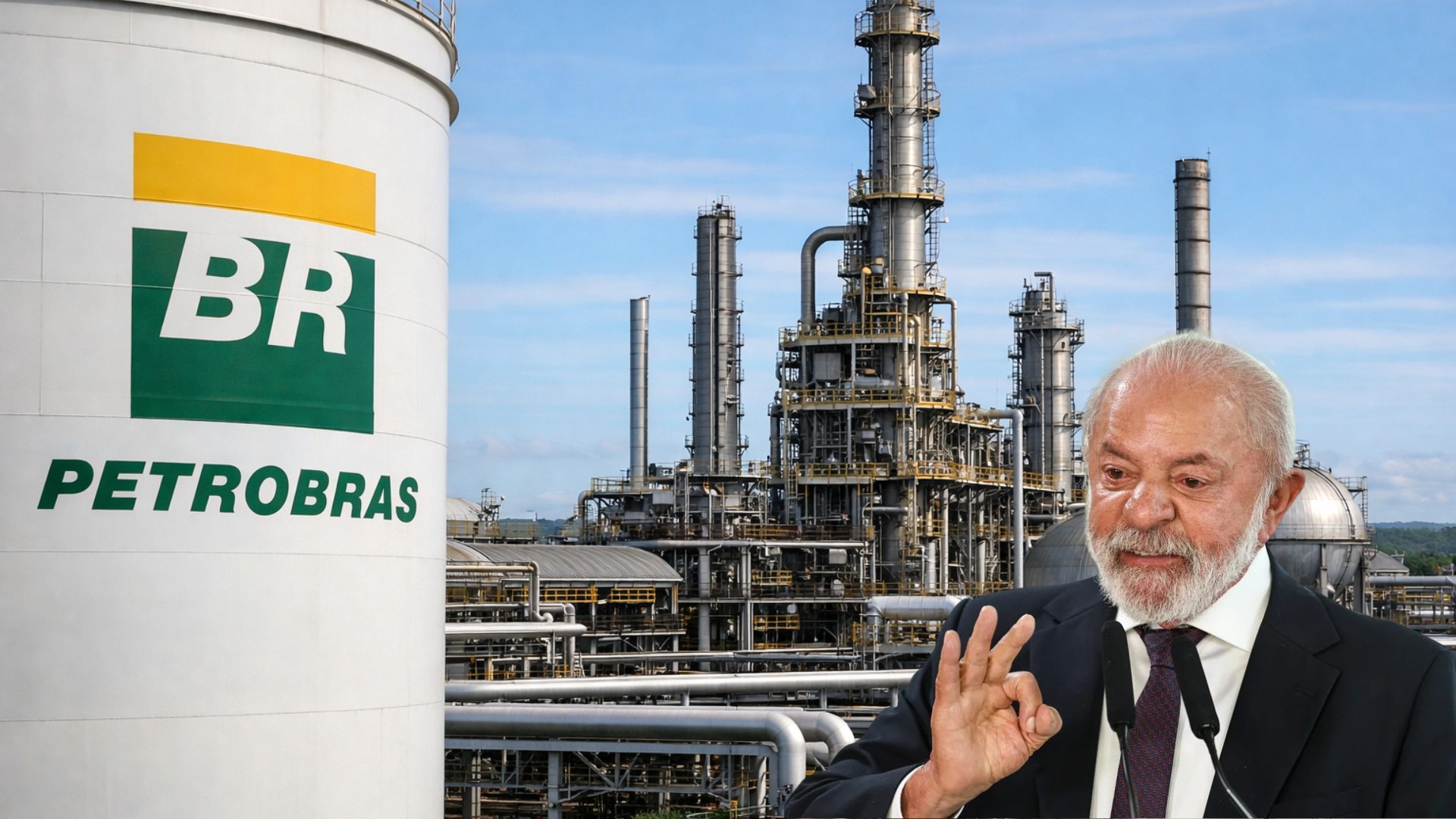
Lula reveals a masterstroke by Petrobras to undo a deal made by Bolsonaro, which involves the return of an important refinery that currently produces less than half of what was expected and makes Brazil dependent on international diesel.
-
A study confirms that the natural gas sector will reduce greenhouse gas emissions in Brazil by 0.5% and accelerate the energy transition by 2026.

-
Petrobras implements a severe adjustment and confirms a 55% increase in the price of aviation kerosene with a proposal for installment payments for the companies.


But after all, why has tracking these trends become so important today?
To comprehend the present and envision the future of the sector, it is necessary to look back in time and understand how oil and natural gas gained prominence in the global energy landscape.
How Oil and Gas Gained Prominence
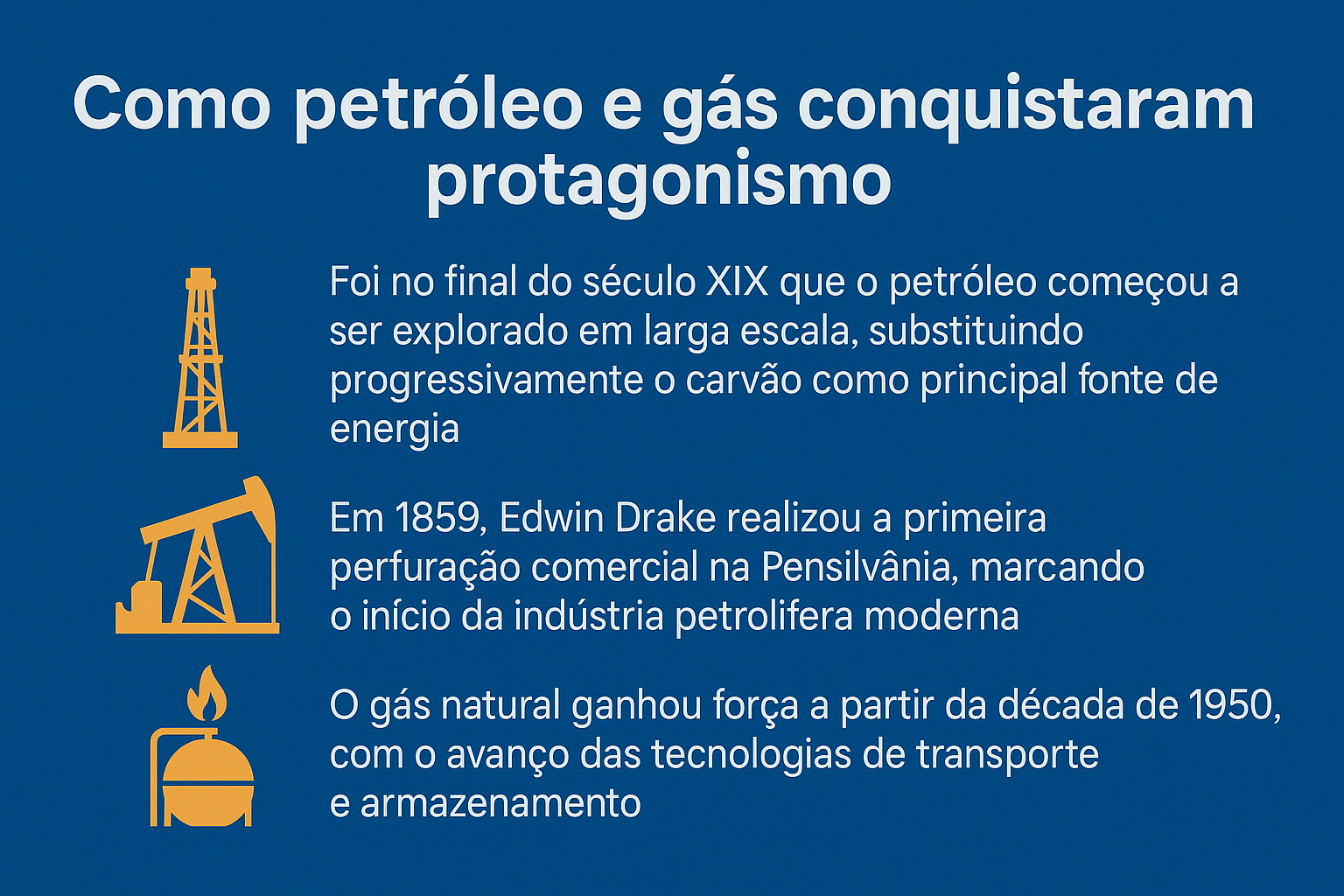
It was in the late 19th century that oil began to be explored on a large scale, progressively replacing coal as the primary source of energy.
According to the U.S. Department of Energy (DOE), the first commercial drilling by Edwin Drake in 1859, in Pennsylvania, marked the beginning of the modern oil industry.
This historic event spurred an unprecedented energy transformation.
Natural gas gained traction starting in the 1950s with advances in transportation and storage technologies.
The International Energy Agency (IEA) highlights in a 2022 report that natural gas began to be seen as an efficient and less polluting alternative compared to coal, gaining ground in global energy matrices.
This growth occurred due to the growing need for cheap and abundant energy.
As a result, oil-producing countries began to play an important geopolitical role, especially members of the OPEC (Organization of the Petroleum Exporting Countries), founded in 1960.
OPEC influenced prices, trade agreements, and even international conflicts, as analyses from the World Energy Council (WEC) point out.
Since then, any change in oil and gas trends affects not only the markets but also global politics and how societies are organized.
Additionally, oil completely transformed the transportation industry.
The popularization of the automobile and the growth of commercial aviation in the 20th century made fossil fuel indispensable, as highlighted by studies from the American Petroleum Institute (API).
Finally, oil also became synonymous with economic development, being directly linked to the progress of major powers, according to data from the World Bank.
The Relevance of Fossil Fuels in the 21st Century
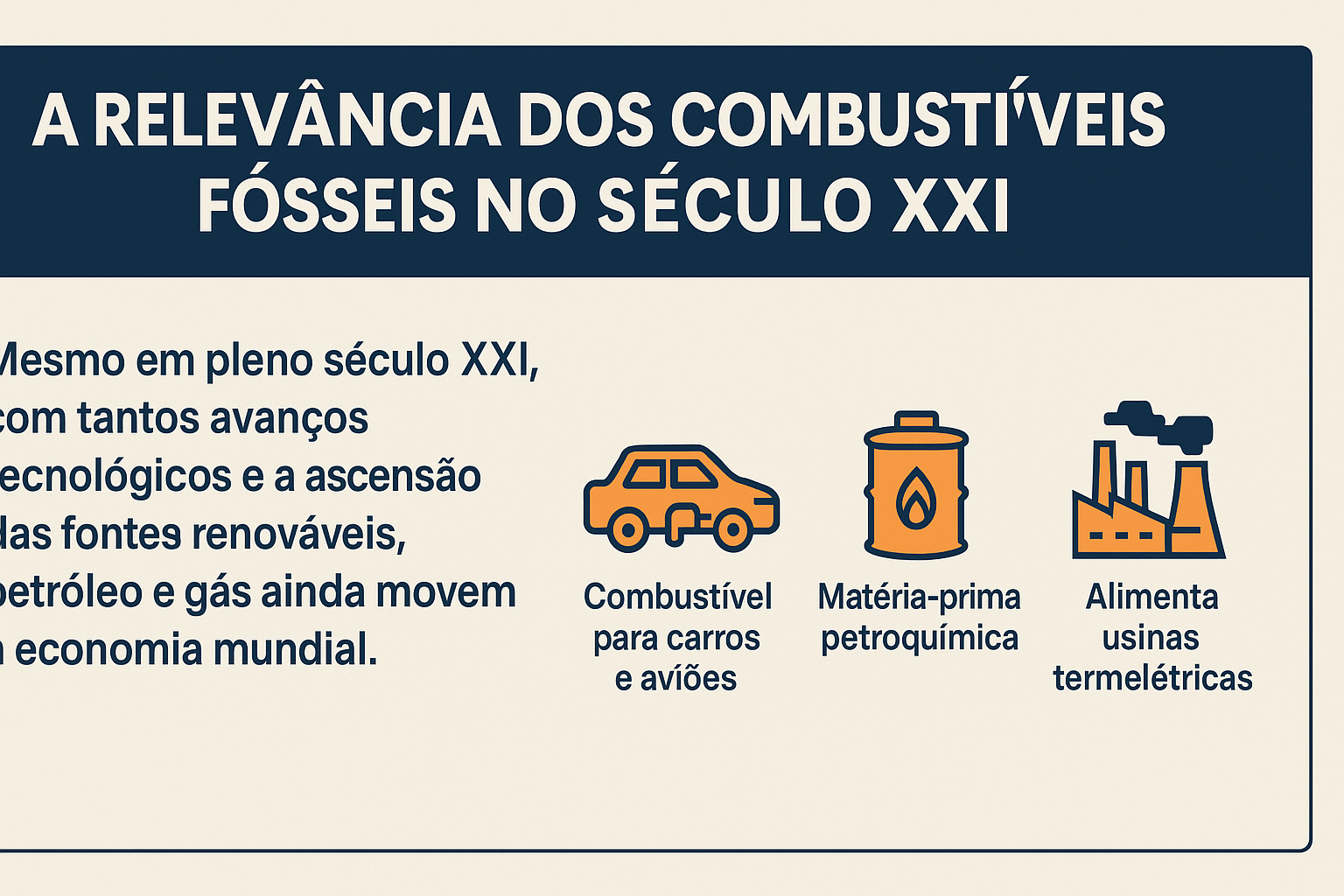
Even in the 21st century, with so many technological advancements and the rise of renewable sources, oil and gas still drive the global economy.
This happens because they offer versatility and energy efficiency, as explained by the International Energy Agency (IEA) in its 2023 annual report.
On one hand, oil, in addition to being fuel for cars and airplanes, serves as raw material for the petrochemical industry.
On the other hand, natural gas fuels thermoelectric plants, produces heat for industries, and heats homes in colder countries.
However, the world is changing rapidly. Discussions about sustainability, climate change, and carbon emissions have gained traction in recent decades.
Therefore, the Paris Agreement, signed in 2015 under the United Nations (UN), marked the global commitment to reducing greenhouse gas emissions. According to the UN, the agreement is a milestone in the fight against global warming.
This led governments, companies, and consumers to rethink the use of fossil fuels.
With growing environmental awareness, many countries began to limit the exploration of new oil fields, especially in environmentally sensitive areas like the Arctic and deep offshore reserves.
This movement is recorded by the United Nations Environment Programme (UNEP).
These pressures directly influence the industry and generate uncertainties regarding the future of global supply.
Thus, new trends arise within the oil and gas sector itself, creating a scenario of energy transition.
And it is exactly at this point that tracking the trends becomes even more essential.
Geopolitics and Economics Go Hand in Hand
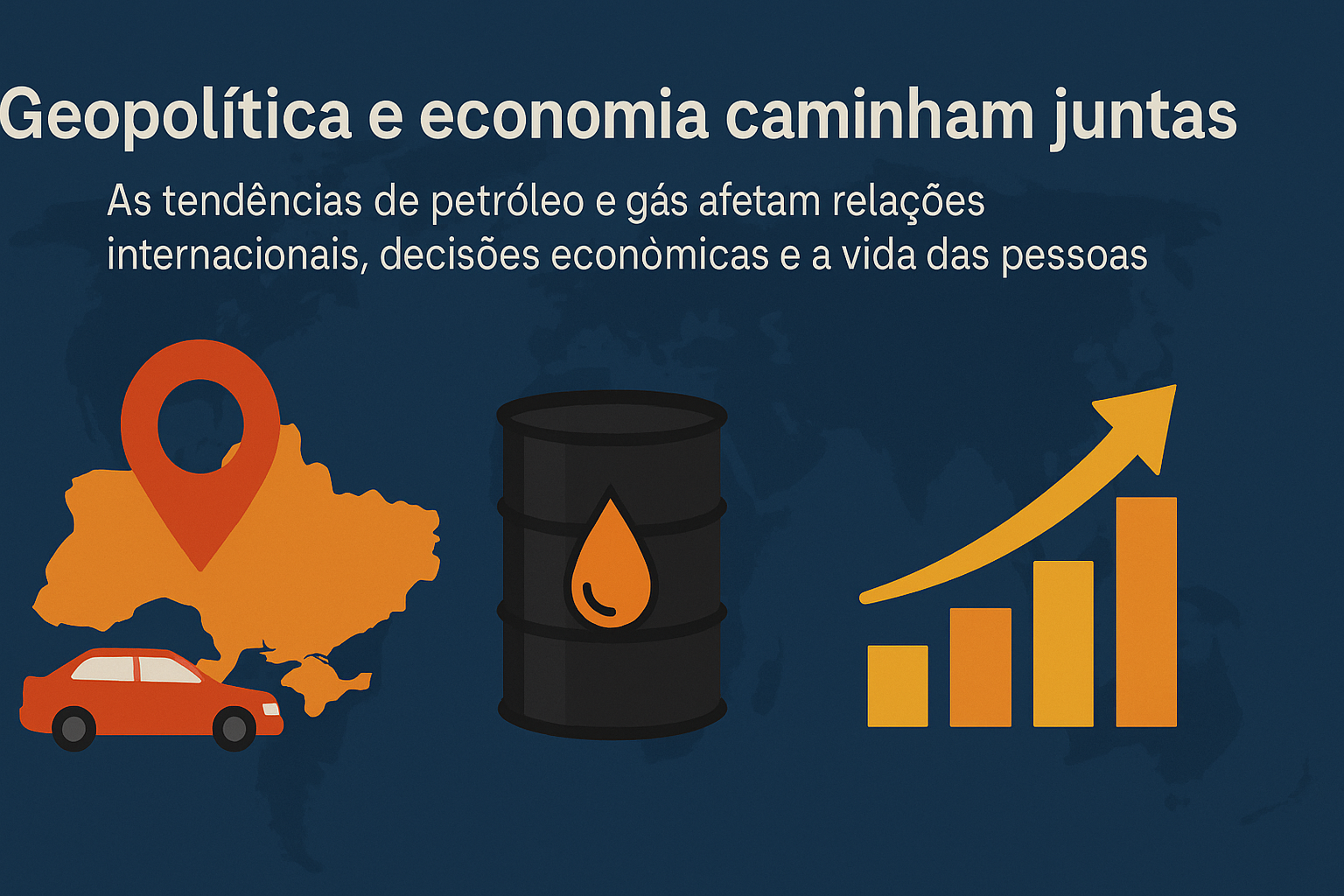
The trends in oil and gas are closely linked to geopolitics.
For example, the war between Russia and Ukraine, which began in February 2022, highlighted Europe’s energy dependence on Russian gas.
This led many countries to seek alternative supplies, including reactivating liquefied natural gas (LNG) terminals.
Such changes affect global prices, influence economic decisions, and directly impact people’s lives — from the cost of fuel to food and industrial product inflation.
Additionally, countries that previously relied almost exclusively on oil exports have been seeking ways to diversify their economies.
Saudi Arabia, for instance, launched the “Vision 2030” plan, introduced in 2016, which aims to reduce dependence on oil and develop sectors such as tourism, technology, and infrastructure.
This plan is documented in official Saudi government publications.
This illustrates how the dynamics of oil-producing countries have changed significantly.
Another important geopolitical aspect is the increase in oil and gas production in countries outside the traditional axis, such as the United States.
Thanks to advances in hydraulic fracturing (fracking) technology, the U.S. became one of the world’s largest producers starting in the 2010s, according to data from the U.S. Energy Information Administration (EIA).
This phenomenon altered the global balance and international trade relations.
Why Tracking Oil and Gas Trends Is Indispensable
Understanding the trends in oil and gas is not only of interest to specialists or investors.
This understanding is essential for governments that formulate public policies, for companies that want to remain competitive, and even for the average citizen who feels the effects of these changes in daily life.
Energy is at the center of the planet’s economic and environmental decisions.
Therefore, knowing where the oil and gas sector is heading helps to forecast crises, anticipate opportunities, and, most importantly, make more informed decisions, both individually and collectively.
Additionally, tracking these trends ensures a balanced and fair energy transition.
It is not just about replacing fossil fuels with renewable sources, but ensuring that this change occurs in a structured way, with access to energy, job creation, and economic stability.
The challenges of this transition are many: from the need for investments in infrastructure to the training of the workforce.
Therefore, countries that do not monitor these trends may fall behind, while those that adapt could benefit from new markets and technologies.
The trends in oil and gas continue to shape the future of energy, the economy, and society as a whole.
In an increasingly dynamic and interconnected global scenario, being attentive to oil and gas trends means being prepared for the challenges and opportunities of the present and future.








Seja o primeiro a reagir!