





 Portuguese
  English
  Spanish
 3 min of reading
  1 comment




FIFA Invests US$ 4 Million in a Solar Plant at Sapiens Park, Florianópolis, Aligning with the Promises Made for the 2014 World Cup!
According to nsctotal, the International Federation of Football (FIFA) is taking another step towards sustainability with the construction of a photovoltaic solar plant at Sapiens Park. A technology center located in the North of Santa Catarina Island. This investment of US$ 4 million is part of the environmental promises made by FIFA during the 2014 World Cup in Brazil.
A Sustainable and Innovative Initiative
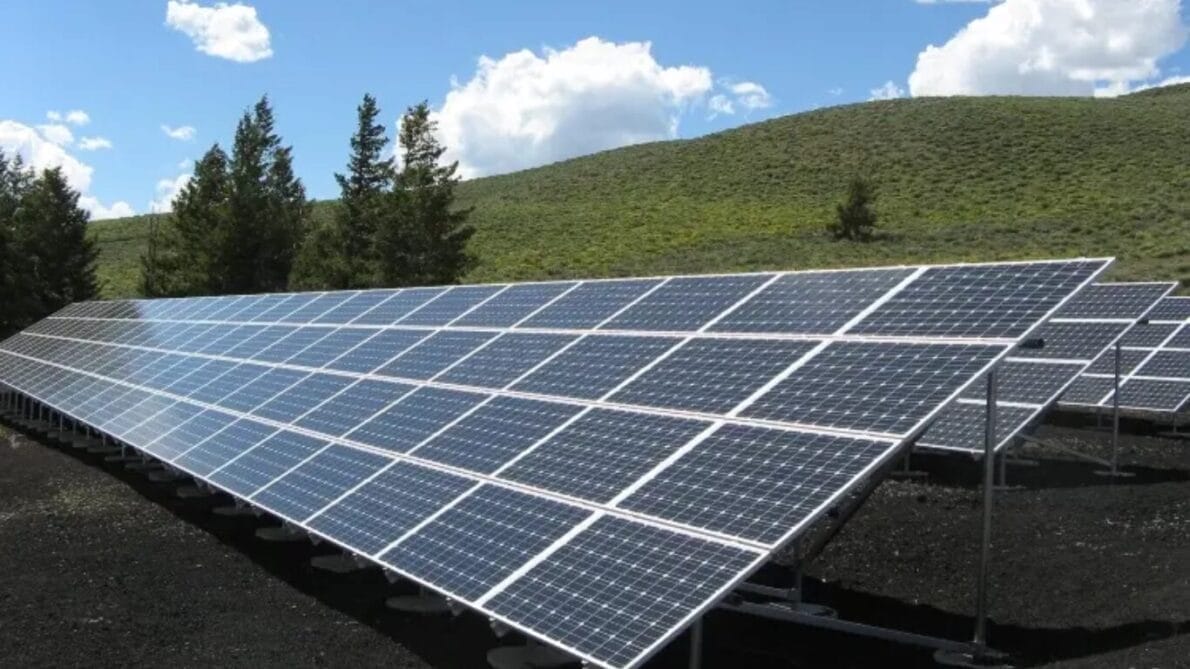
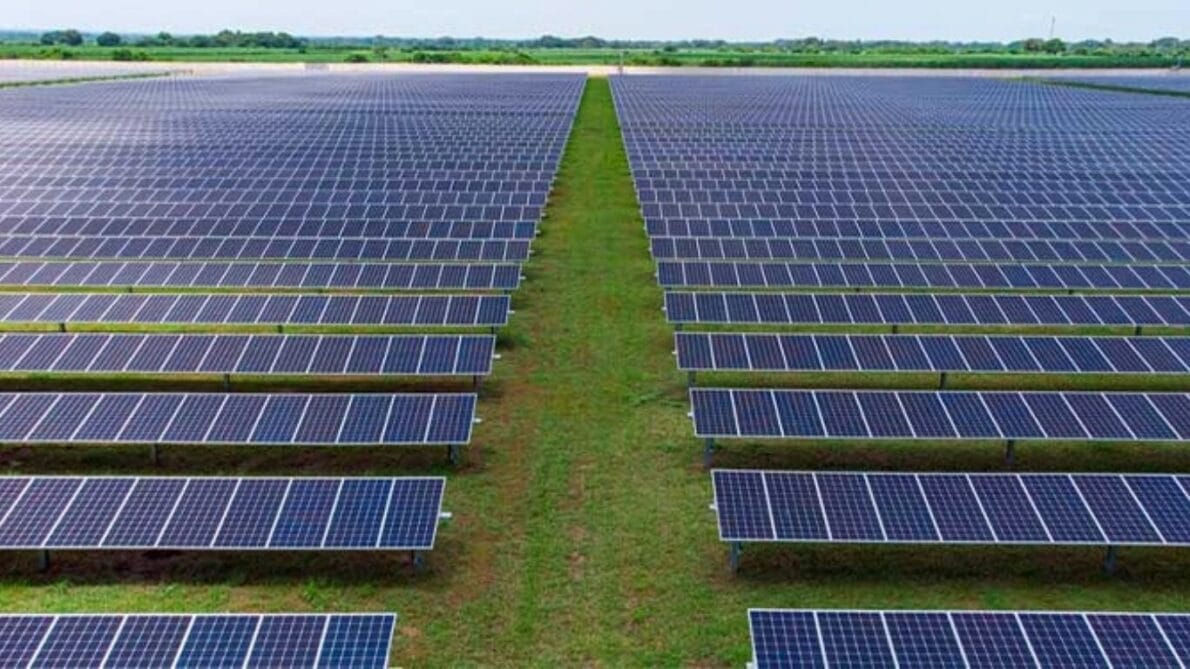
In the first months of next year, the solar plant, which will generate 1 MW of energy, will be installed by the Chinese multinational Yingli. The structure will be built in blocks, covering a 400-meter U-shaped walkway between the old buildings of Sapiens Park and the JBS Biotech Innovation Center, which will be the largest cultivated protein research center in the world.
The president of Sapiens Park, Eduardo César Cordeiro Vieira, explained that the solar plant was initially put out to tender, with an institution from Rio de Janeiro winning the first phase. However, due to its inability to meet the requirements, the project was transferred to Sapiens Park. Vieira stated: “The idea is for this plant to be an open-air laboratory for research and also meet the energy demand of Sapiens Park.”
-
Unemployment rises again to 5.8% at the beginning of 2026, raising alarms about the end of temporary positions and its impact on the Brazilian job market.

-
Document organization can cut invisible costs in small businesses, a simple step that prevents waste, rework, and losses in daily operations.

-
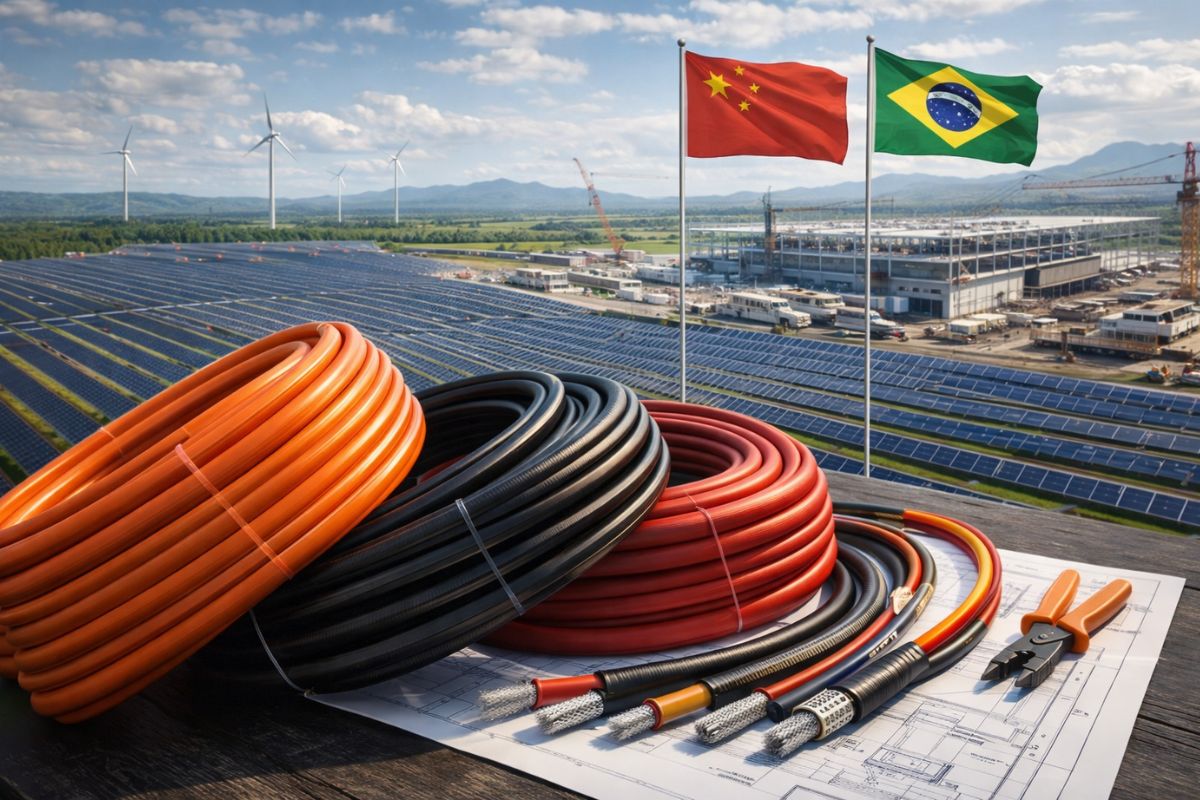
Chinese giant worth nearly R$ 4 billion that manufactures cables for electric cars, solar energy, and robotics wants to open a factory in SC.
-
Many employers do not know, but the law guarantees domestic workers a 25% increase in salary during trips, 50% for overtime, 20% for night shifts, and 17 additional benefits that can lead to labor lawsuits if not paid.


History and Development of FIFA’s Project
The project was conceived by professor Ricardo Ruther from the Federal University of Santa Catarina (UFSC), who was also responsible for the Solar Stadiums project, implementing solar plants in various stadiums during the 2014 World Cup. Ruther is once again the author of the solar walkway project, which will have the plant installed by Yingli.
Eduardo Vieira, upon assuming the presidency of Sapiens in mid-2023, found the project pending and decided to continue it. After contacting FIFA in Zurich, Switzerland, and confirming the execution of the plan, Vieira worked to overcome bureaucratic obstacles and enable the installation of the plant.
Impact and Future of Solar Energy at the Technology Park
The new solar plant at Sapiens Park represents an important step for sustainability and innovation in the technological sector of Florianópolis. This project will not only contribute to the park’s energy demand but also serve as a valuable laboratory for future research in solar energy.
Furthermore, the solar plant reinforces FIFA’s commitment to sustainable initiatives, highlighting the importance of renewable energy projects and their positive impact on the environment. With the completion of this project, Florianópolis positions itself as an example of technological innovation and sustainability in Brazil.
A Commitment from FIFA
FIFA’s initiative to invest in a solar plant in Florianópolis demonstrates a continued commitment to the environment and technological innovation. This project will not only benefit Sapiens Park but also serve as a model for future sustainable initiatives in Brazil and around the world. As the world moves towards renewable energy sources, projects like this are essential for a greener and more sustainable future.
For those interested in following this transformation, Sapiens Park in Florianópolis becomes an unmissable destination, where technology and sustainability meet to create a lasting impact.







O correto é todas as casas terem placas solares no telhado.. Sou contra aos carro 100 % elétrico… Em 2030 vai faltar energia…