Portuguese
  Spanish


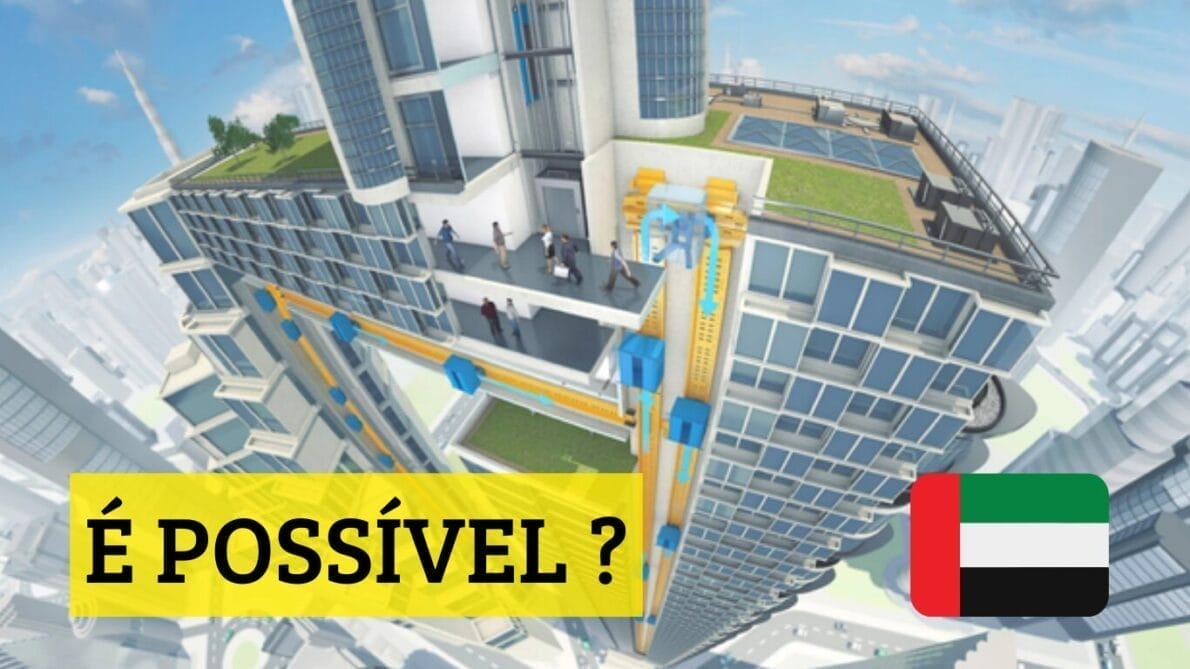

Skidmore, Owings & Merrill (SOM), Responsible For The Burj Khalifa And Energy Vault Join To Transform Huge Skyscrapers Into Something Even Greater: Gravitational Energy Storage Systems!
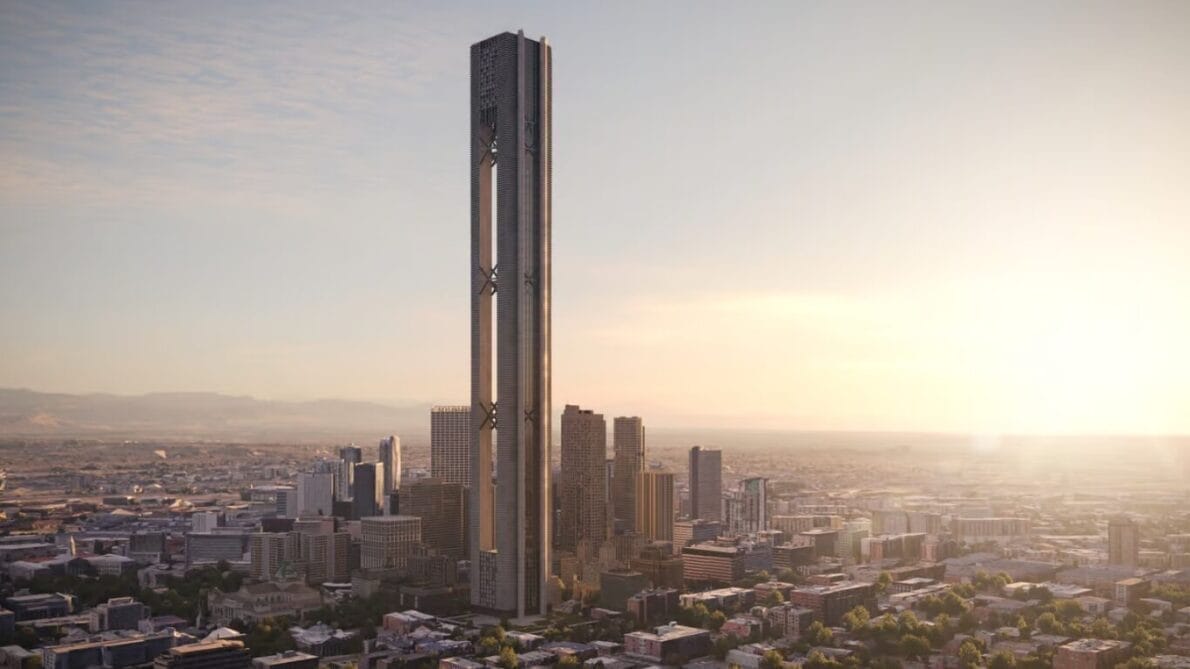
Imagine a future where skyscrapers are not just architectural landmarks but also gigantic batteries that store energy. This is the ambitious project from Skidmore, Owings & Merrill (SOM), famous for its work on the Burj Khalifa in Dubai, and Energy Vault, an innovator in energy storage. Together, they propose to transform 1 km tall buildings into gravitational energy storage systems, according to olhardigital.
The Revolutionary Concept
The central idea of the project is simple yet ingenious: use gravity to store and generate energy. There are two main methods proposed. In the first, a weight is lifted to the top of the skyscraper using excess energy. When released, the weight descends, activating a generator through gravitational force. In the second method, water is pumped to the top of the building, functioning similarly to hydroelectric storage. In both cases, the energy can come from renewable sources or the standard power grid.
Challenges And Solutions
Robust Structures As Batteries And Energy Efficiency
One of the biggest challenges is ensuring that the skyscrapers can support the additional weight of the storage system. “It’s not just about going up and down with a giant weight,” explains a SOM representative, “but also ensuring that the structure remains safe and efficient.” Additionally, the maintenance of the systems and the space required for the mechanisms are critical points that need to be carefully planned.
-
Fired during apartheid and with a little borrowed money, an electrician started with a borrowed truck and transformed electrical services into a group connected to energy, real estate, and infrastructure in South Africa.

-
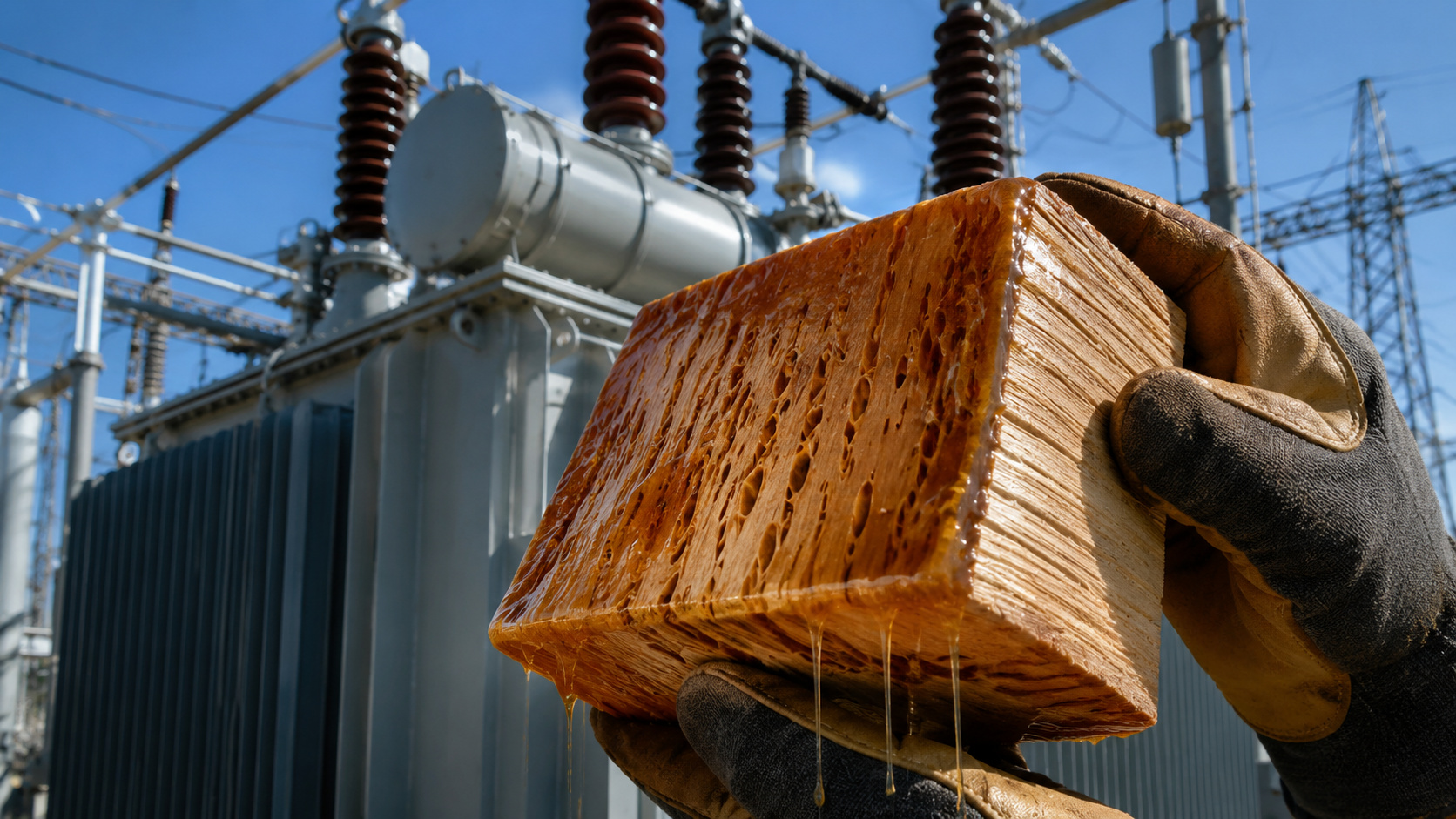
Wood has ceased to be just a construction material in Yale research and has become insulation for electrical transformers that face intense heat, aging, and increasing pressure from the renewable energy-powered grid.
-
More than 1,000 residents of a remote island in Kiribati now have clean water and electricity with solar systems operated by the community itself.
-
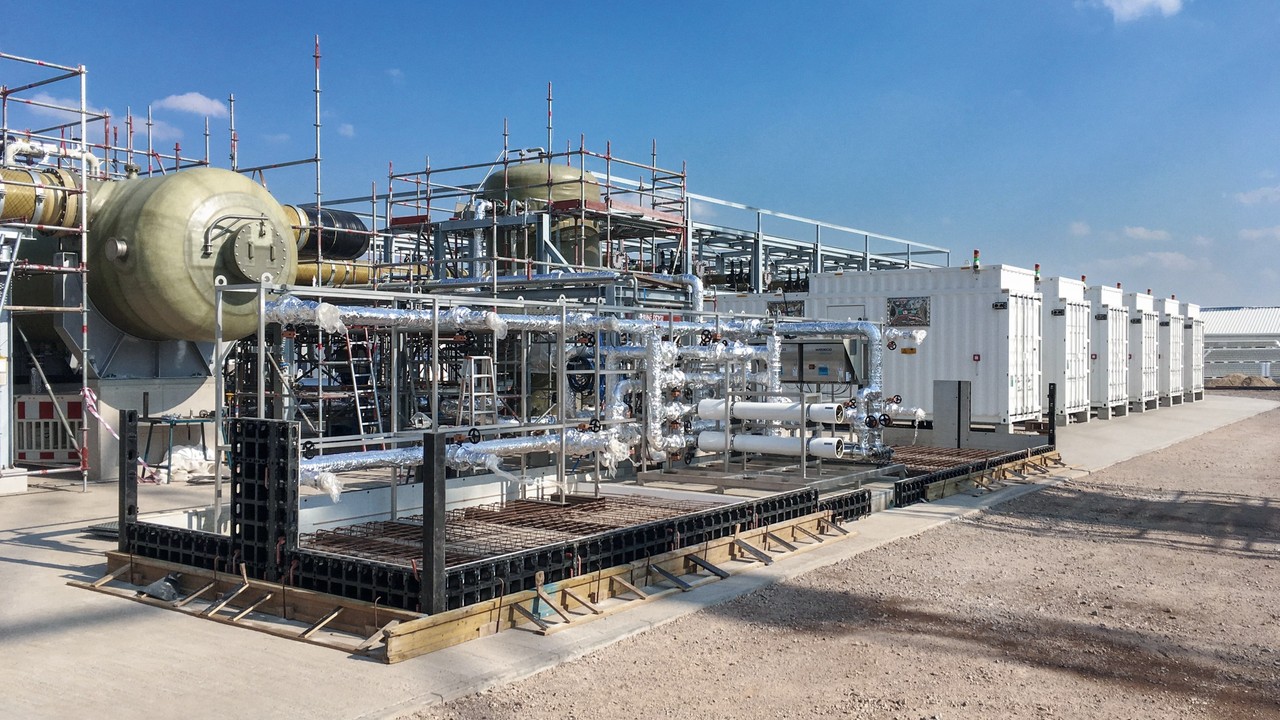
Ceará brings together 7 giants and R$ 66 billion to transform Pecém into the largest green hydrogen hub in Brazil, with final decisions expected by the end of 2026.


Comparisons With Hydroelectric Systems
The concept of using gravity to generate energy is not new. The proposed method is comparable to hydroelectric storage, where water released from a high point generates electricity by moving turbines, and then is pumped back to the top. In the case of skyscrapers, the principle is the same, but with the addition of architectural complexity and urban logistics.
Environmental Impact And Economic Viability
A crucial aspect of the project is its environmental impact. According to a press release, “the structures will have the capacity to achieve several gigawatt-hours (GWh) of gravitational energy storage, supplying not only the building itself but also the energy needs of adjacent buildings.” This means a potential quick carbon payback, estimated at 3 to 4 years, marking a significant advance in terms of sustainability.
Vision For The Future
However, this project could revolutionize the way we see and use skyscrapers in large cities. Just imagine, the same structure that defines a city’s skyline also being a pillar of renewable energy. Despite the challenges, the innovation brought by SOM and Energy Vault paves the way for a future where sustainability is at the heart of urban architecture.
Therefore, the transformation of skyscrapers into giant batteries is an ambitious and innovative proposal that could redefine energy use in cities. With the support of advanced technologies and a sustainable vision, these iconic structures could become a landmark not only of engineering but also of the energy revolution.