





 Portuguese
  English
  Spanish
  3 min of reading
  0 comments


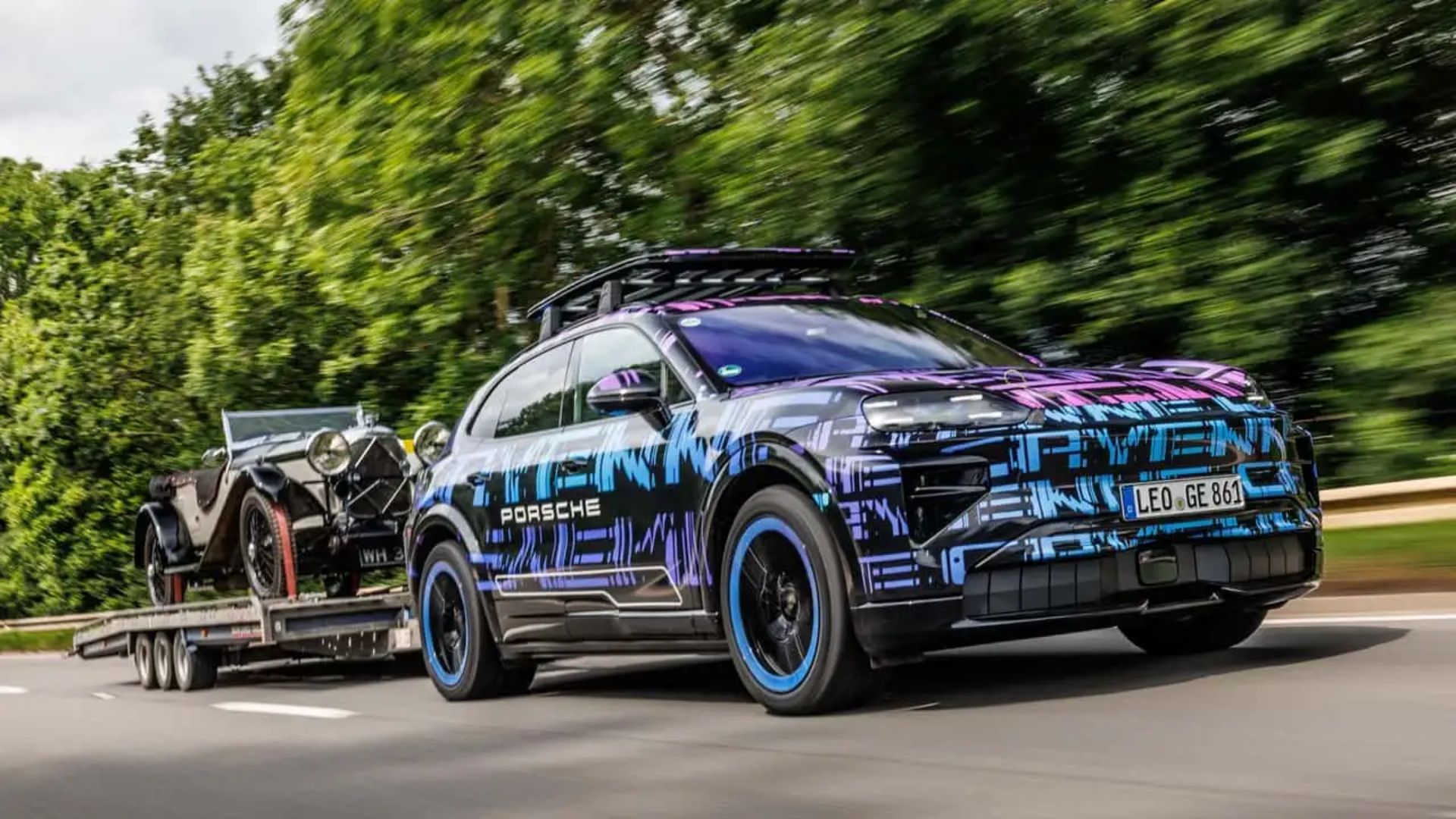
The New Porsche Cayenne Electric Showed Its Strength and Versatility in Tests in Europe, Breaking Records on One of the Oldest Tracks in British Motorsport and Showcasing Capabilities That Combine Sports Performance with the Practicality of a Luxury SUV.
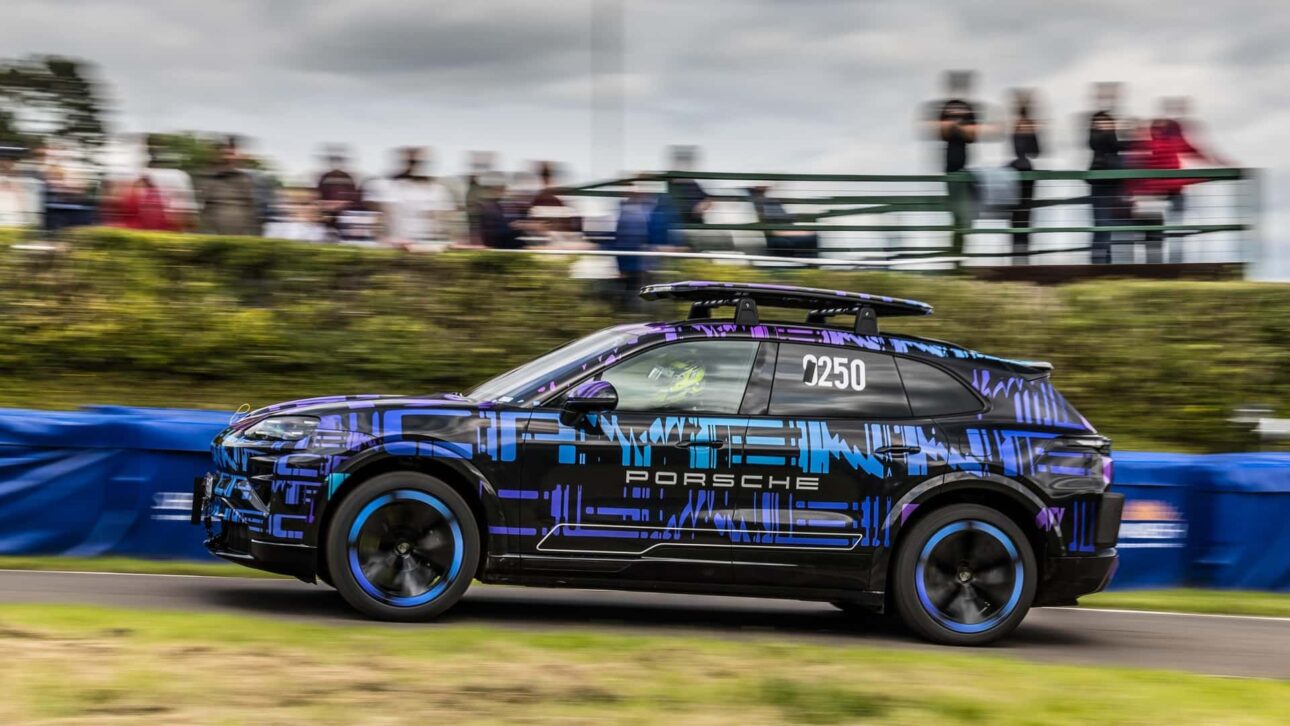
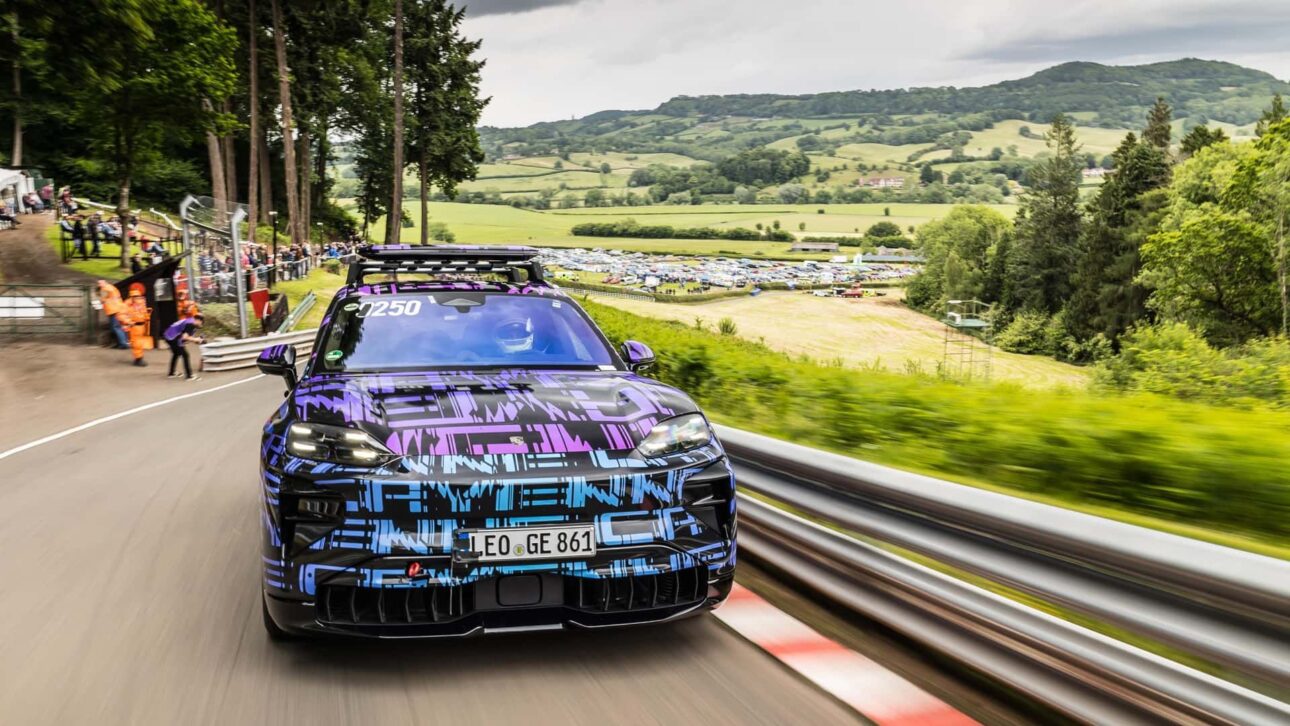
During the climb of Shelsley Walsh in the United Kingdom, the camouflaged prototype of the Cayenne EV clocked 31.28 seconds on the 914-meter course, surpassing the previous record for SUVs and standing out with marks typical of race cars, even using regular street tires.
Moreover, the first 18 meters of the track were covered in just 1.94 seconds, a time comparable to that of lightweight and extremely fast single-seaters. The test reinforces Porsche’s intention to keep the Cayenne as a benchmark in performance, stability, and robustness, even in the electric era.
100% Electric SUV Maintains Towing Capacity of 3,500 kg
Porsche also announced that the Cayenne Electric will retain one of its most valued qualities: the towing capacity of up to 3,500 kg, equal to the versions with combustion engine. The model uses the 800-volt PPE platform, adapted from the Macan EV, which allows for high performance even with weight and load.
-
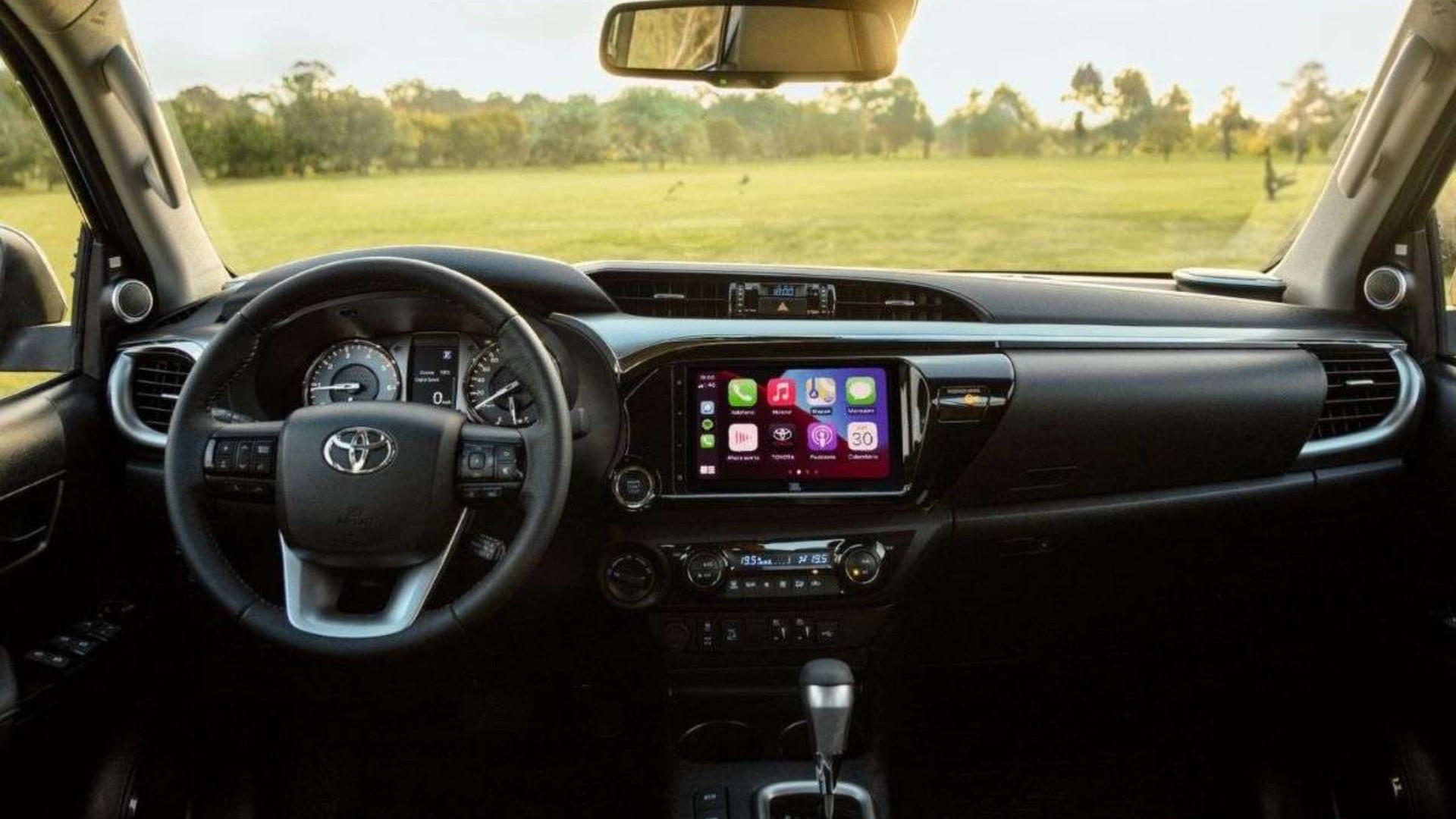
The Toyota Hilux is R$ 75.5 thousand cheaper and bets on the 2.8 turbodiesel engine with up to 204 hp and 50.9 kgfm to catch up with the VW Saveiro, which leads with 4,472 sales.
-
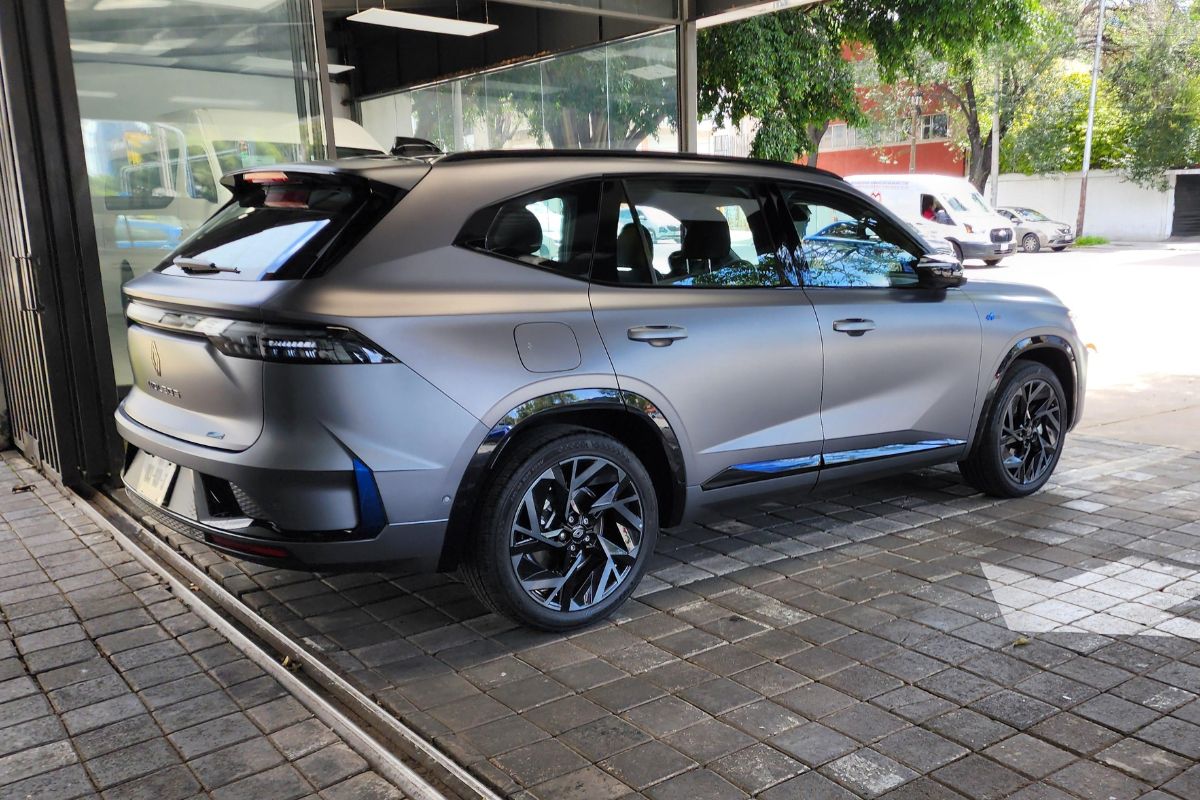
The new Renault Koleos has a screen exclusively for the passenger that is invisible to the driver, heated rear seats, and 29 assistance systems, but its Chinese competitors cost R$ 40,000 less and deliver more power.
-
The car stored for 38 years: when opening the barn door, what appears is breathtaking and looks like a scene from a movie!

-
Fiat works miracles in the Brazilian market, lowers the price of its 0 km hatch to R$ 69,990, reestablishes the model as the cheapest car in the country, and reignites the battle against Kwid and C3.

For comparison, the Macan Turbo EV already delivers 639 hp and accelerates from 0 to 100 km/h in 3.1 seconds. The Cayenne, although larger, is expected to maintain similar acceleration, falling between 3 and 3.5 seconds. Still camouflaged, the SUV proved ready to unite strength, power, and luxury in a single vehicle.
The manufacturer claims that the new model will be “at least as powerful” as the Cayenne Turbo E-Hybrid, which generates 729 hp and 95 kgfm of torque with a V8 twin-turbo combined with an electric motor. The current hybrid model goes from 0 to 96 km/h in 3.5 seconds, serving as a benchmark for the electric version.
Combustion Generation Remains Until 2030
Unlike the Macan, which will no longer offer combustion engines by 2026, the traditional Cayenne will remain available with a V8 engine for at least another five years. Porsche bets on a harmonious coexistence between full electrification and the already known plug-in hybrid versions of the model.
Currently, the hybrid Cayenne is sold in Brazil with prices ranging from R$ 795 thousand to R$ 1.36 million. The E-Hybrid version uses a 304 hp V6 combined with a 176 hp electric motor, totaling 470 hp, while the Turbo E-Hybrid goes up to 739 hp and 96.9 kgfm, thanks to the twin-turbo V8.
The information was released by Porsche itself, according to an official publication on its international portal and reports on the specialized site Motor1, highlighting tests in England and preliminary technical data of the model.
Even being 100% electric, the new Cayenne showed strength, speed, and towing capacity worthy of a super SUV. In your opinion, does the performance impress or is there still something lacking to convince fans of combustion engines?








Seja o primeiro a reagir!