





 English
  Francês
  Alemão
  Italiano
  Japonês
  Norueguês
  Portuguese
  Spanish
  2 min of reading


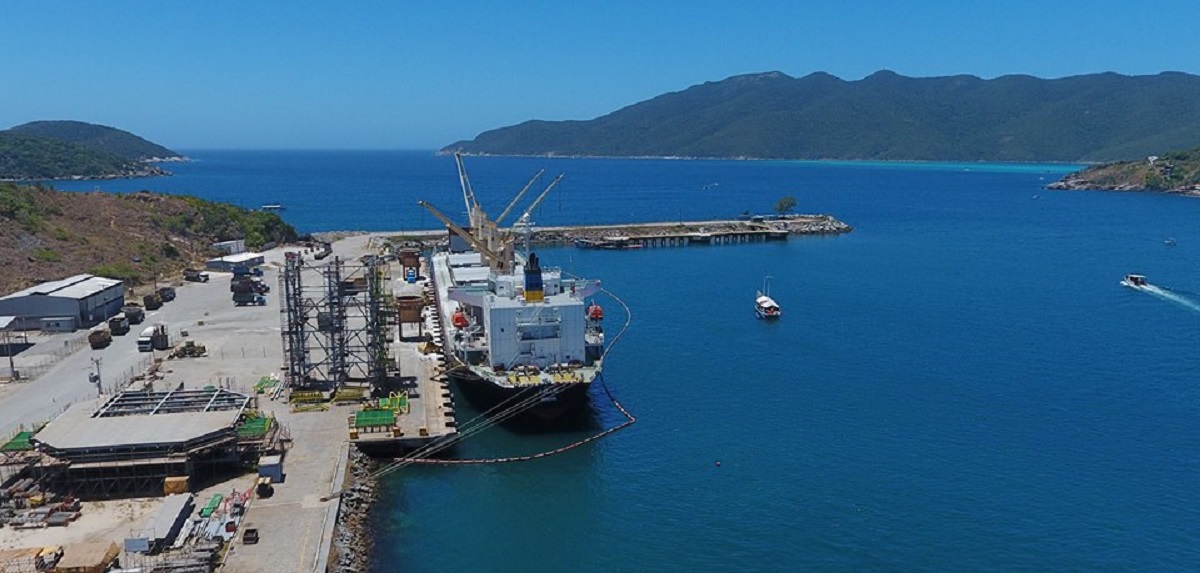
Enterprise Receives Authorization from Ibama, Focusing on the Oil and Gas Sector, Boosting Employment Optimism in Arraial do Cabo, Northern Rio de Janeiro
After a one-year embargo, Ibama has lifted the operations at Porto do Forno in Arraial do Cabo (RJ), which has its main focus on Oil and Gas.
The embargo was lifted after an inspection, with Ibama verifying that all the environmental licensing conditions for the port were being met, opting for release despite some pending issues in Arraial do Cabo.
Task Force for the Release
The parties responsible for implementing the Basic Environmental Programs (PBAs) were Firjan, through the Senai Institute of Environmental Technology, and the Municipal Port Administration Company (Comap), which were outlined in the license but had not yet been executed.
-
Government unlocks R$ 554 million for a highway that has been requested for decades and accelerates the duplication of BR.

-
Without bricks, without cement, and without endless construction: the cardboard house that is assembled in modules and can be moved.

-
Billions of barrels on the equatorial margin could lead Amapá to double its oil production in Brazil — the state aims to enter the route of companies in the Campos Basin, attract investments, and boost jobs and businesses in the oil and gas sector.

-
Without bricks, without cement, and without endless construction: the cardboard house that is assembled in modules and can be moved.

With support from UFF (Federal Fluminense University), which resolved outstanding issues related to Ibama’s licensing, including monitoring work, the environmental program was consolidated.
The president of Firjan in Leste Fluminense, Luiz Césio Caetano, spoke about the economic importance of Porto do Forno and the impact of its shutdown, as it was a significant job creator, not only for the city of Arraial do Cabo but also for the entire lakes region.
“A public port that is closed causes enormous damage because it does not serve just the city or municipality but the entire region. There is a loss of jobs, income, and tax revenue, and, of course, there is a direct impact on all its users who had to operate elsewhere,”
However, the port must resolve outstanding issues with the National Health Surveillance Agency (Anvisa) and the Federal Revenue Service, as without these clearances the port cannot receive cargo, whether from abroad or national.









Seja o primeiro a reagir!