





 Portuguese
  English
  Spanish
  3 min of reading


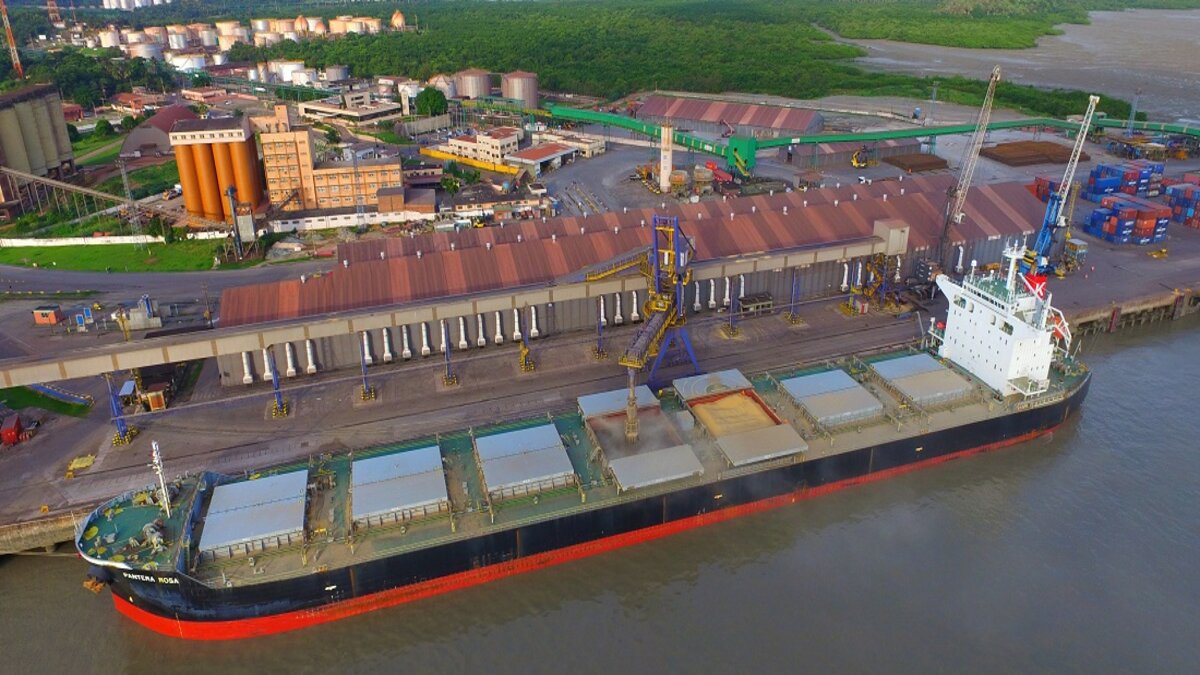
The Kydonia Ship Carried Out The Largest Soybean Cargo Transport Operation Ever Managed By Tegram Since 2015 At The Port Of Itaqui This Week And Contributed To Attracting New Attention To The Port Complex
After the arrival of the Kydonia ship at the Port of Itaqui with the largest volume of soybean cargo ever transported by the Maranhão Grain Terminal (Tegram) since 2015, the management of the location commented last Thursday, (05/05), on the operation. This was the largest cargo transport activity since that year and contributed significantly to confirm the presence of the port complex in the Brazilian product movement scenario.
Kydonia Ship Arrives At The Port Of Itaqui And Conducts Massive Soybean Cargo Transport Operation On Site, With Thousands Of Tons Of The Grain
The Port of Itaqui is advancing to become a national reference in cargo transport throughout 2022 and, during this week, took another step in pursuit of that goal. This is happening as the complex received the loading of the Kydonia ship, a giant vessel that carried out the loading of soybean grains in a large-scale operation for the port complex.
Docked at berth 103, the ship from Greece arrived to load 80,270 tons of soybeans that will be sent to Spain in the coming days. This is the largest cargo transport operation of soybeans ever carried out by Tegram since it took over the management of the port in 2015. Thus, the activity with the Kydonia marked a significant advancement for the Port of Itaqui infrastructure to receive the proper attention and new perspectives for future investments.
-
With 74% of companies facing difficulties in hiring, technicians and engineers in renewable energy are becoming scarce in Brazil and are essential to support the expansion of solar, wind, and green hydrogen projects.

-
Europe is trying to create an ammonia-powered marine engine without auxiliary fuel, which could unlock the race for giant emission-free ships. The technology aims to eliminate one of the biggest obstacles to clean maritime propulsion.

-
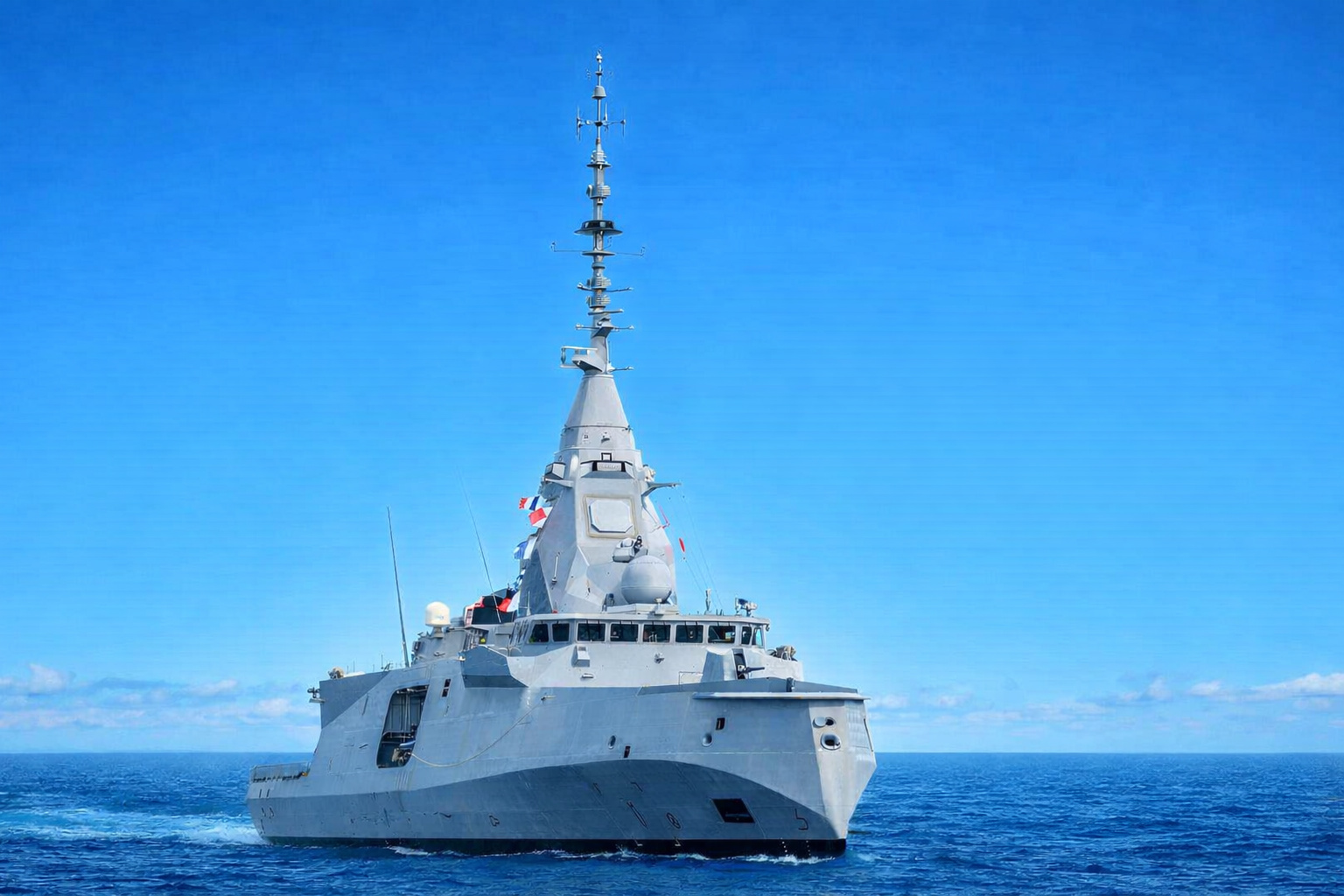
A 4,500-ton frigate with just over 100 crew members, state-of-the-art radar, and cruise missiles is being touted as the new standard of naval warfare in the 21st century.
-
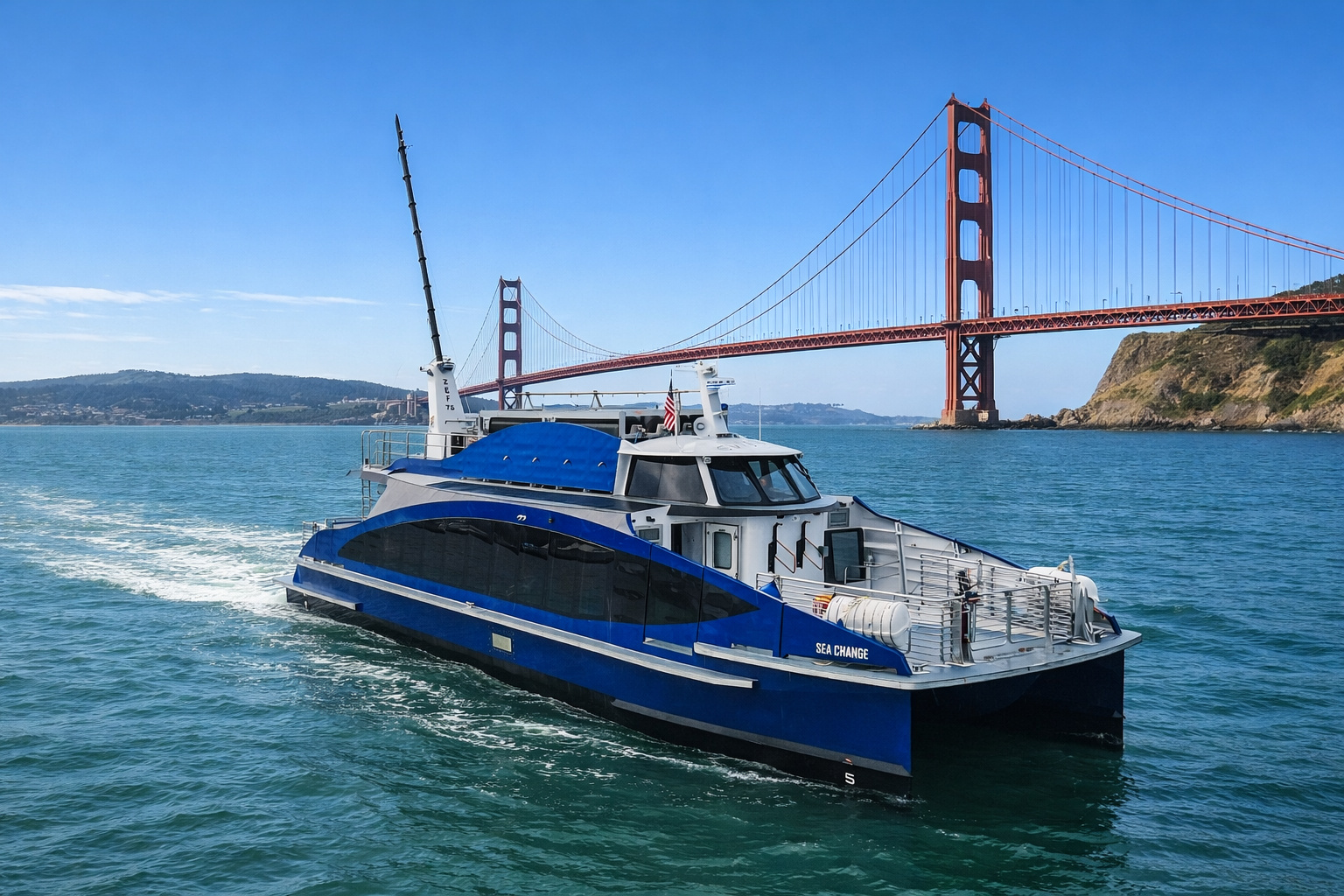
The first commercial hydrogen-powered ferry enters operation in the U.S., eliminates the use of diesel, uses fuel cells to generate clean energy on board, and transforms San Francisco Bay into a landmark of the new era of emission-free navigation.

This soybean cargo transport operation belongs to CLI – Logistics and Infrastructure Corridor S.A, responsible for lot 3 of the Tegram Consortium, and symbolizes a major activity for the complex. Furthermore, prior to the arrival of the Kydonia ship at the Port of Itaqui, the largest volume of grains in a single ship operated by Tegram had been 76 thousand tons. The last few years were essential for this operation to be realized, as the port management made significant investments in the infrastructure for loading and unloading large vessels.
Port Authorities Highlight Factors That Allowed The Massive Soybean Cargo Transport Operation And Emphasize The Quality Of The Current Infrastructure Of The Port Complex
Among the factors that allowed this operation to take place at the Port of Itaqui, the main one is the improved operational efficiency caused by investments in technology at the site. Additionally, the professional training of the complex’s employees over the past few years has also been essential for this to be possible. Finally, CLI has also established itself as the only white-flag terminal at the port, meaning that its owner is not a trading or transportation company.
And, with the completion of this soybean cargo transport operation, the president of the Port of Itaqui, Ted Lago, celebrated the arrival of the ship and highlighted the current infrastructure of the complex: “The docking of this ship demonstrates Itaqui’s infrastructure to operate with vessels like this and even larger. All thanks to investments that make the port increasingly efficient and attractive to market demands.”
Tegram is one of the largest cargo transport companies in Brazil and is responsible for a significant portion of the soybeans, soybean meal, and corn produced in Maranhão, Piauí, Tocantins, and northeastern Mato Grosso. Thus, this operation demonstrated once again the greatness of the company and the opportunities that are open for future expansion.








Seja o primeiro a reagir!