





 Portuguese
  English
  Spanish
 3 min of reading
  1 comment


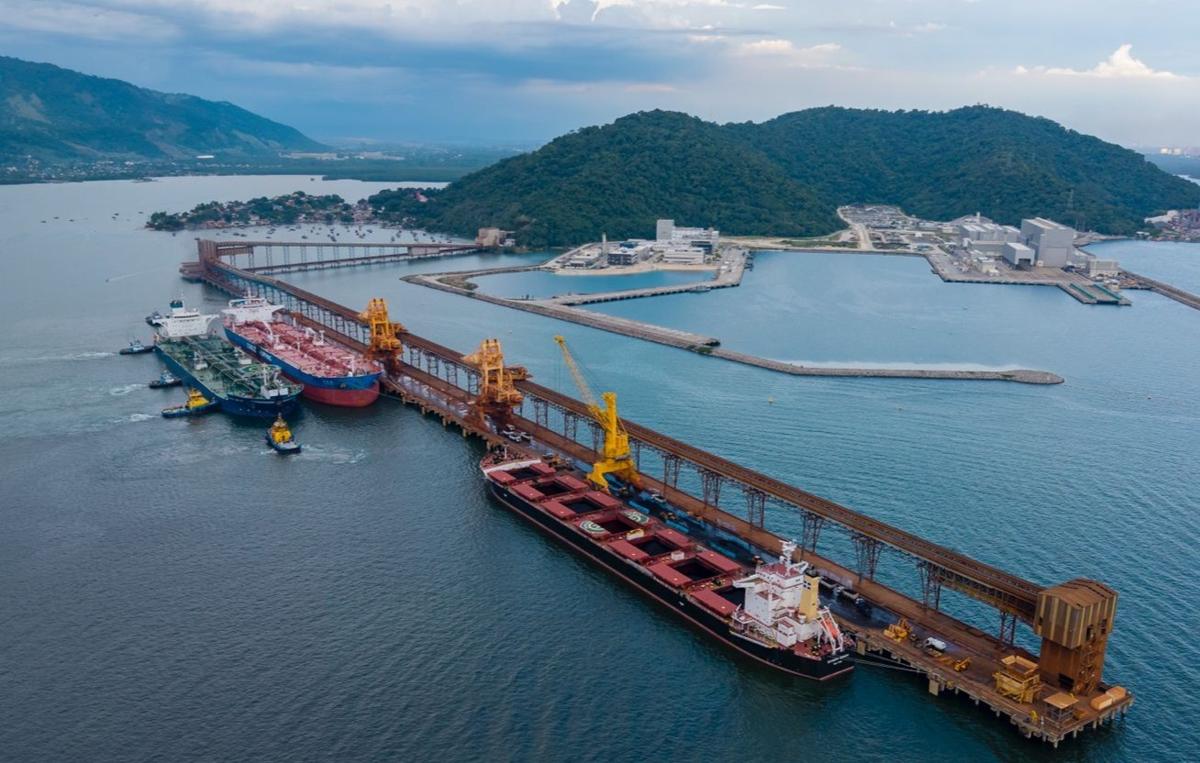


Itaguaí Terminal Renews Recognition from the Brazilian Alliance for Decarbonization of Ports and Demonstrates Significant Progress in Emission Reductions
The Porto Sudeste, located in Itaguaí (RJ), reaffirmed its commitment to sustainability and decarbonization by once again earning the Pro-Climate Seal in the Diamond category in 2024, awarded by the Brazilian Alliance for Decarbonization of Ports (ABDP). This certification recognizes companies that maintain transparency in carbon emissions, set clear reduction targets, and demonstrate effective results in greenhouse gas mitigation.
Between 2021 and 2024, the terminal achieved a nearly 80% reduction in greenhouse gas emissions (GHG) from scopes 1 and 2. Emissions dropped from 8,174 tons of CO₂e to 2,112 tons of CO₂e, based on the choice of purchase approach. This progress was made possible because the terminal implemented various strategic initiatives, developed from a detailed mapping of the GHG Emissions Inventory, a tool that identifies and quantifies emission sources within the industrial complex.
Since operations began in 2015, Porto Sudeste has conducted annual analyses that allow for measuring environmental impacts, correcting operational bottlenecks, and directing mitigation actions. Thus, the terminal has become a reference in energy efficiency and environmental management, contributing significantly to combat climate change.
-
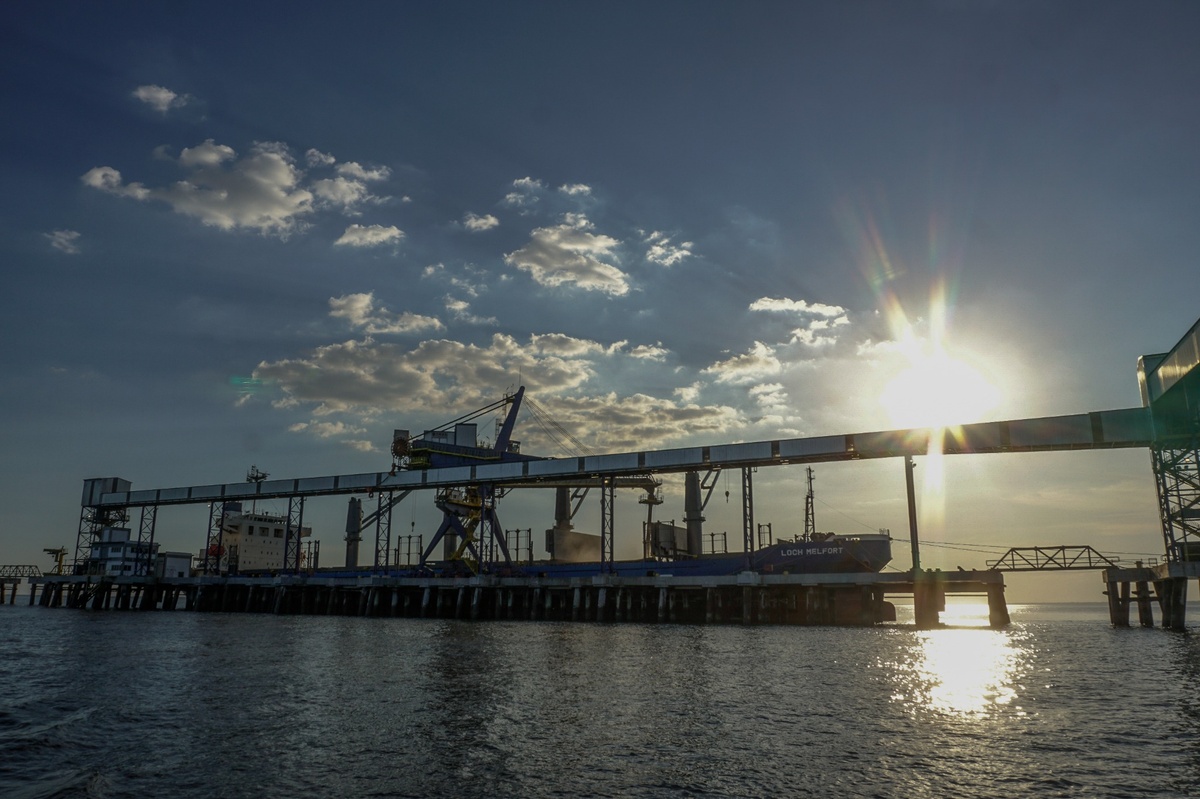
Private ports increased by 14.1% in January 2026 and lead port activity with 66% of the cargo, driven by oil, agribusiness, and exports.
-
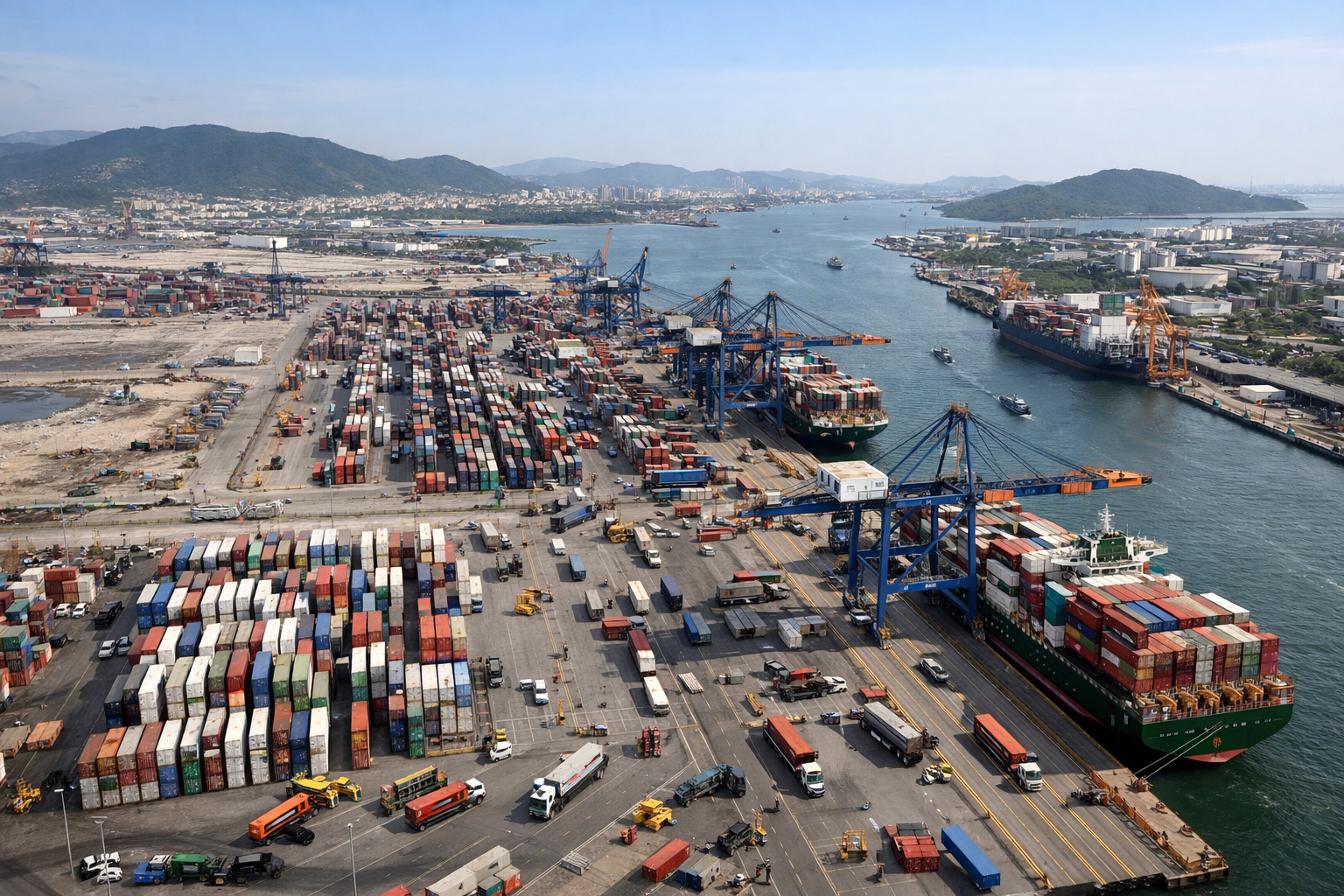
Government Releases R$ 5.1 Billion to Modernize Ports and Generate Over 5,000 Direct Jobs in Brazil
-
Merchant Marine Fund Approves R$ 5.1 Billion for Port Projects Aiming to Accelerate Port Modernization, Expand Logistics Infrastructure, and Generate Over 5,000 Jobs in Brazil
-
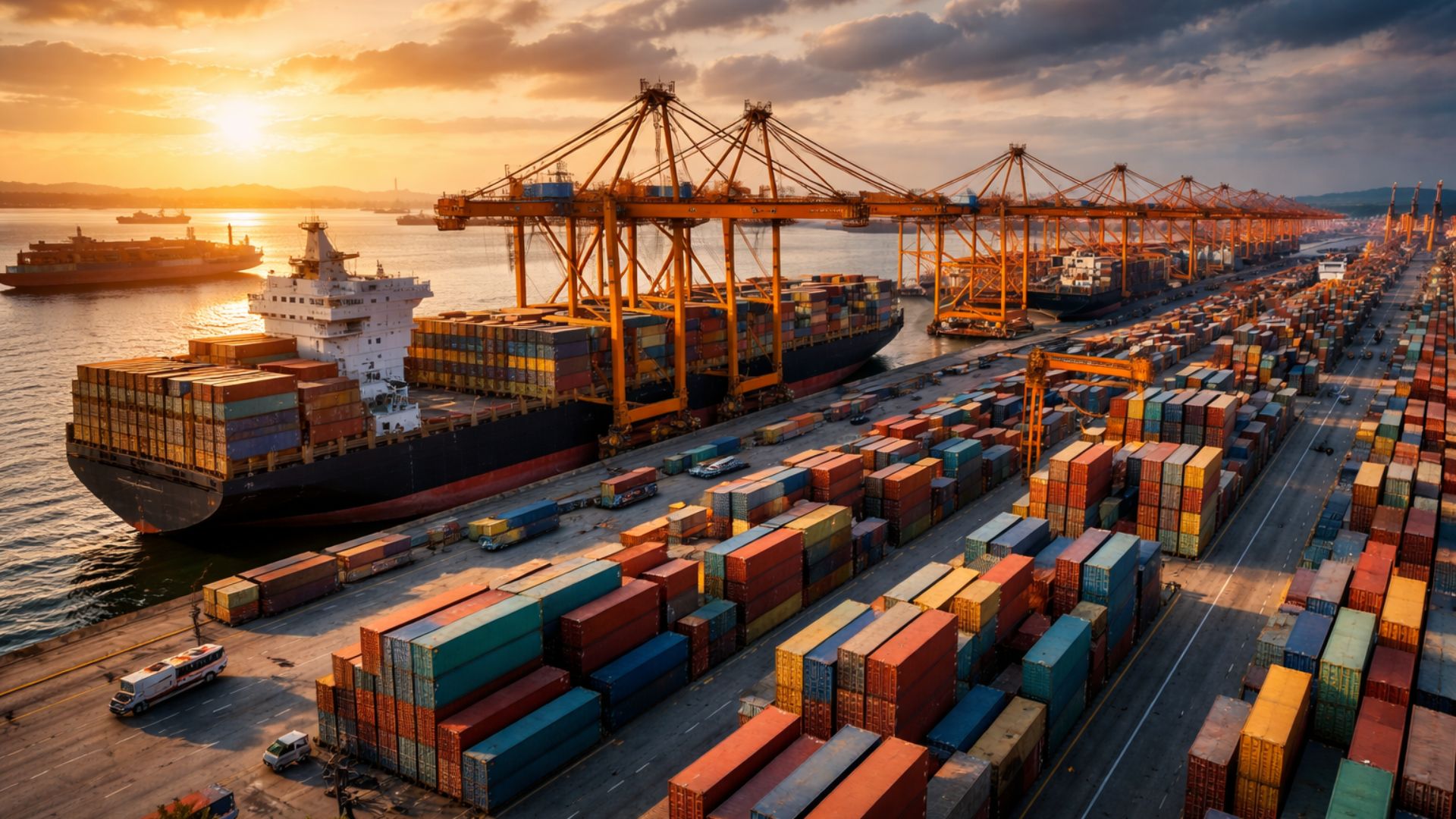
Giant of World Trade: Largest Port in Latin America Is in Brazil, Covers 7.8 Million Sq. Meters on São Paulo Coast, Accounts for 25% of All Exports, and Now May Undergo Historical Expansion That Triples Its Area and Changes the Future of National Logistics
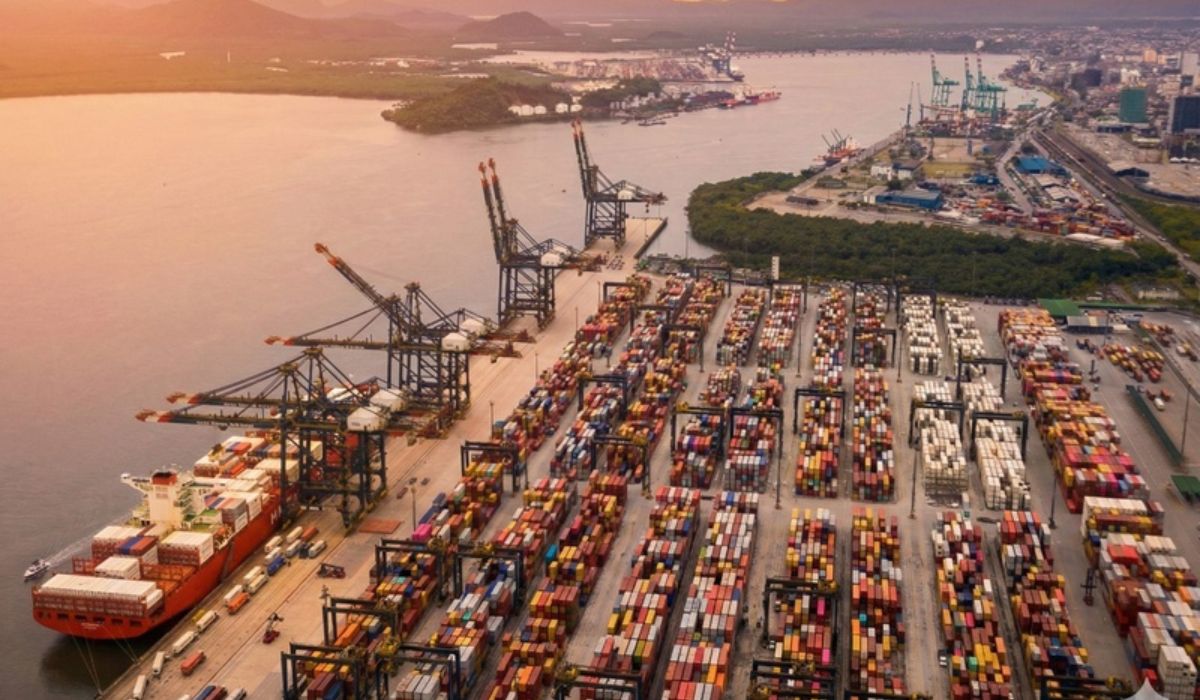

The Director of Corporate Affairs and Sustainability at Porto Sudeste, Ulisses Oliveira, emphasized that the recognition represents more than an award: it is the confirmation that the logistics sector is on a sustainable path. According to him, “being recognized is very important, but the essential thing is knowing that we are on the right track, applying actions that truly transform the future of the logistics sector.”
Furthermore, Ulisses emphasized that many solutions implemented at the terminal are replicable in other ports and industries, expanding the positive impact of decarbonization. This perspective contributes to a more responsible logistics chain, integrated and focused on planet preservation.
Among the notable measures, one stands out for its simplicity and efficiency. The replacement of gasoline with ethanol in the company’s flex vehicles, implemented between May 2024 and April 2025, avoided the emission of 9.4 tons of CO₂. This action aimed at reducing scope 1 emissions has become a permanent part of the operational routine.
According to Ulisses, the terminal also conducted tests with electric vehicles, trucks, and loaders, achieving gains in productivity and availability. However, challenges such as electrical infrastructure and acquisition costs still persist, requiring continuous planning and constant innovation to consolidate the energy transition in the port sector.
With the Pro-Climate Diamond Seal 2024, Porto Sudeste consolidates its position as a national reference in sustainability. The recognition from ABDP, the institution that monitors the decarbonization targets of Brazilian ports, reinforces the terminal’s leading role in the country’s environmental agenda.
The achievement also reflects the global trend of modernizing logistics infrastructure, which seeks to balance economic development and environmental preservation. The model adopted in Itaguaí aligns with best international practices, demonstrating that it is possible to grow responsibly and with energy efficiency.
The trajectory of Porto Sudeste illustrates how strategic planning combined with technological innovation can transform the port sector into an example of sustainability and global competitiveness. The 80% reduction in emissions in just three years demonstrates the real potential of environmental actions when they are well-structured, monitored, and continuously improved.









I was recommended this website by my cousin I am not sure whether this post is written by him as nobody else know such detailed about my difficulty You are wonderful Thanks