





 Portuguese
  English
  Spanish
  3 min of reading


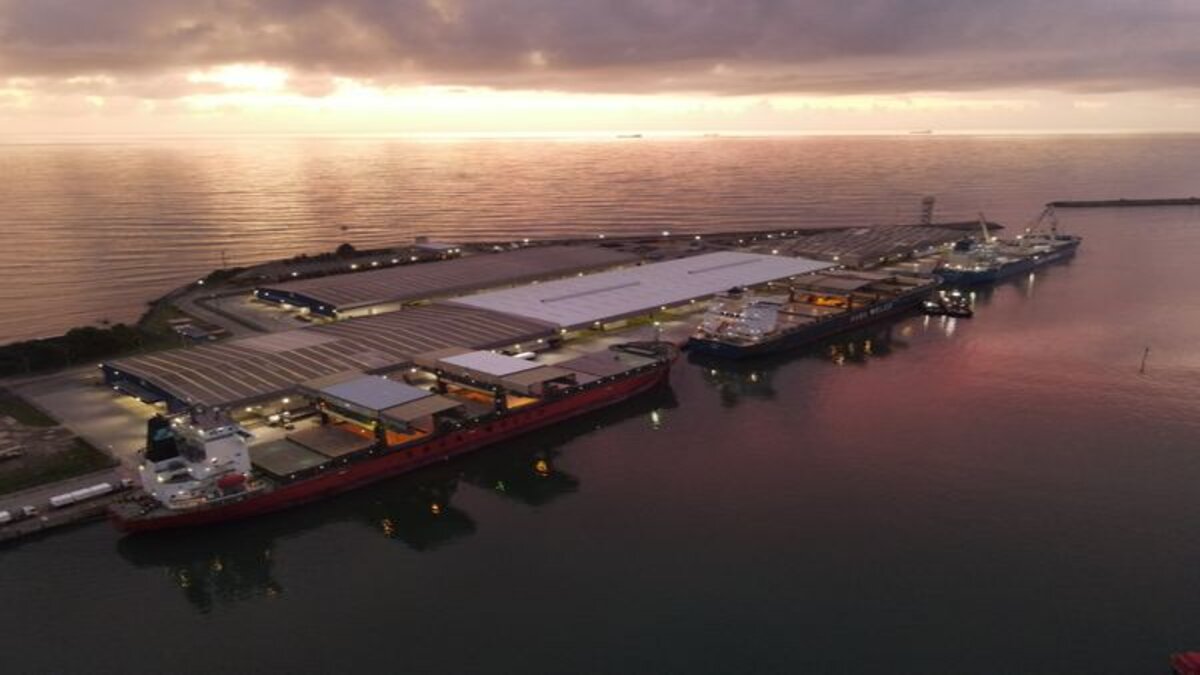
The First Tests of Portocel Regarding the Technology Used at the Terminal Were a Success, and the Dynamic Draft Will Now Ensure More Efficiency in Maneuvering the Vessels that Will Undergo Cargo Handling Operations at the Port
Throughout the month of April, the management of Portocel, located in Aracruz (ES), conducted the initial tests of the new technology used at the terminal for maneuvering vessels in the draft. And, during last Friday (April 29), representatives commented that the tests were a success, and these cargo handling operations at the port will be benefited with even more efficiency and control of the entire process.
Dynamic Draft Technology for Cargo Handling Operations with Vessels Is a Success at the Port and Could Bring More Control to the Complex
Located in Aracruz, in the state of Espírito Santo, Portocel announced the first tests of the new dynamic draft technology at the terminal for vessel maneuvers this April, making it one of the first ports in Latin America authorized to operate in this mode, following the great success in the results of the initial tests, which showed much more efficiency in operations with this new technology.
Among the various new technological features for the dynamic draft at the terminal, the standout is ReDRAFT, which calculates in real-time and predicts the dynamic under-keel clearance, based on the characteristics of each vessel and the access channel, also considering the environmental conditions at the time of the maneuver. Thus, the port is able to have an accurate calculation of the maximum and minimum draft to ensure even greater safety in somewhat risky maneuvers with the vessels arriving at the complex.
-
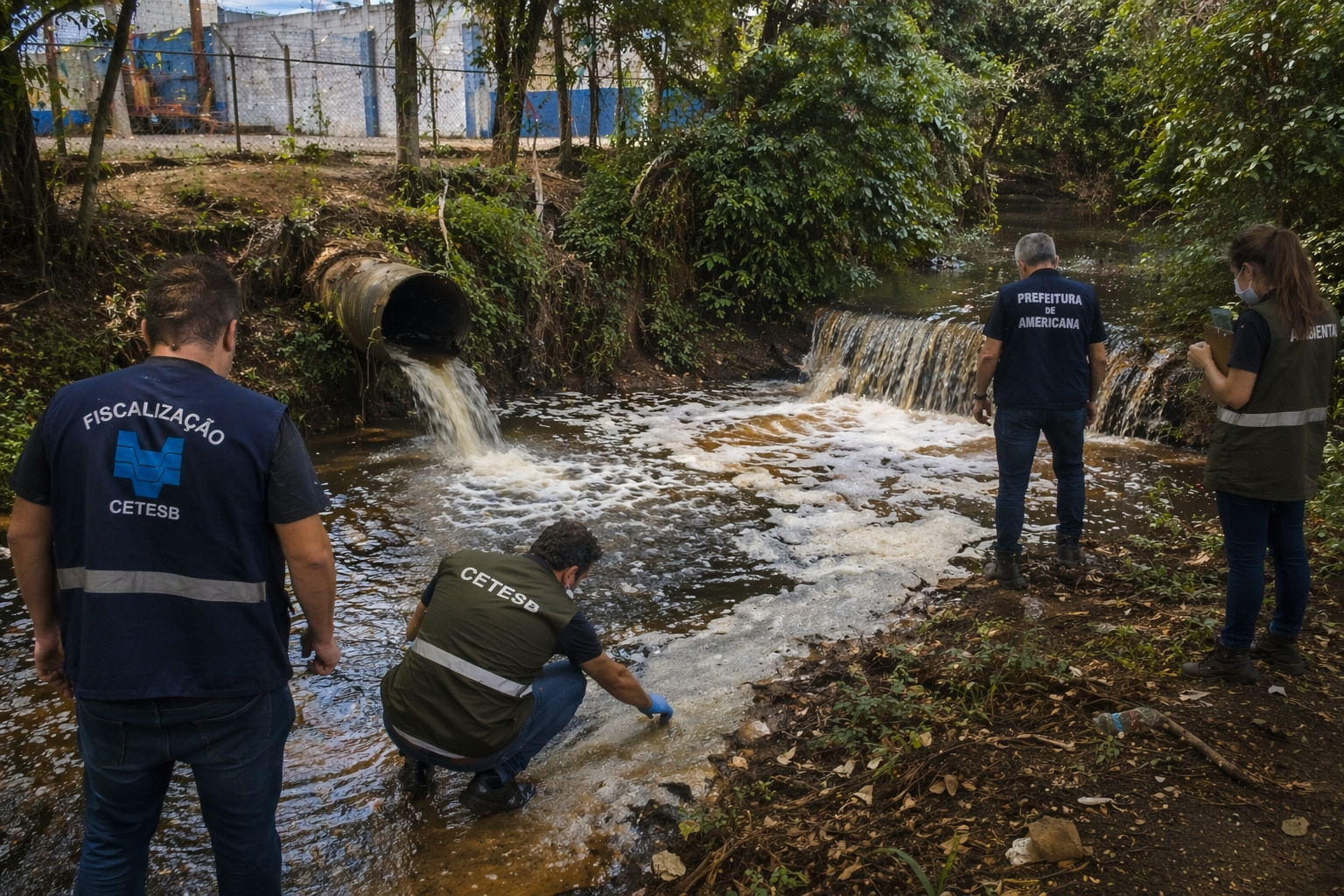
A fine of R$ 115 thousand places Goodyear at the center of an environmental case in Americana after oil and grease appeared in a stream and the company was required to act quickly.
-
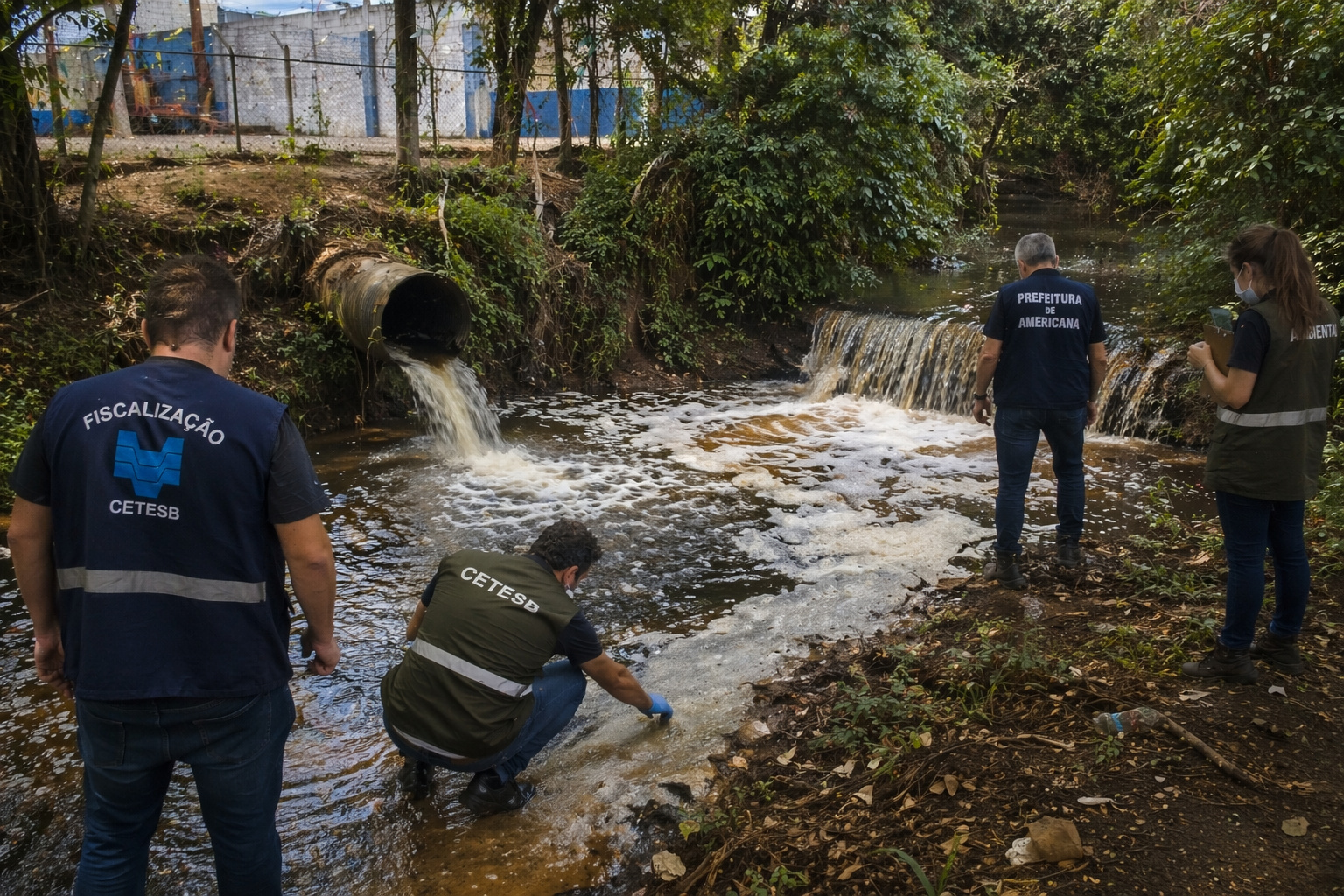
A fine of R$ 115 thousand puts Goodyear at the center of an environmental case in Americana after oil and grease appeared in a stream and the company was forced to act quickly.
-
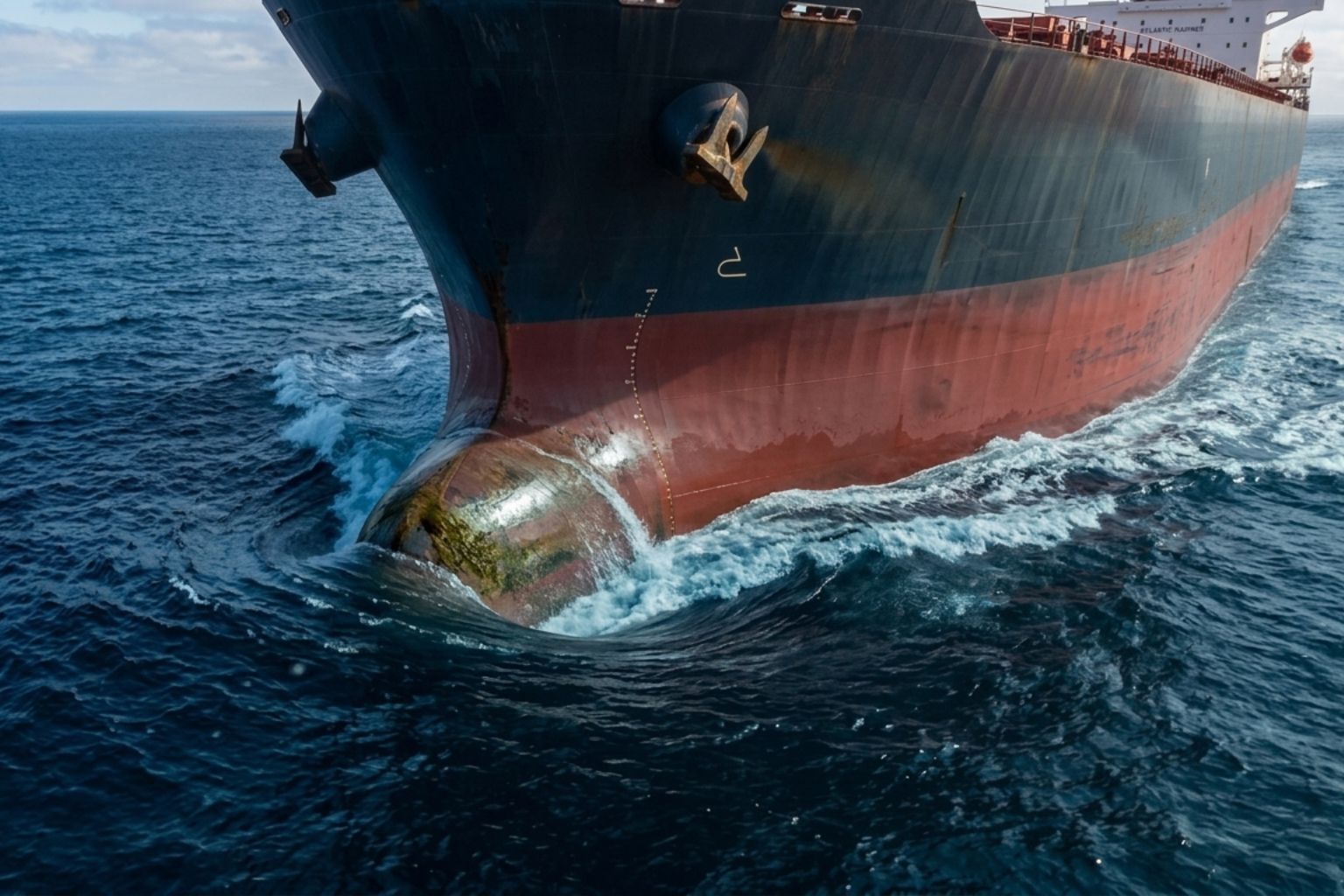
A hidden metal piece in the bow redesigns the water flow, reduces drag, and can save over 10,000 tons of fuel per year; this invisible solution allows giant ships to cut millions in costs without changing engines or routes.
-
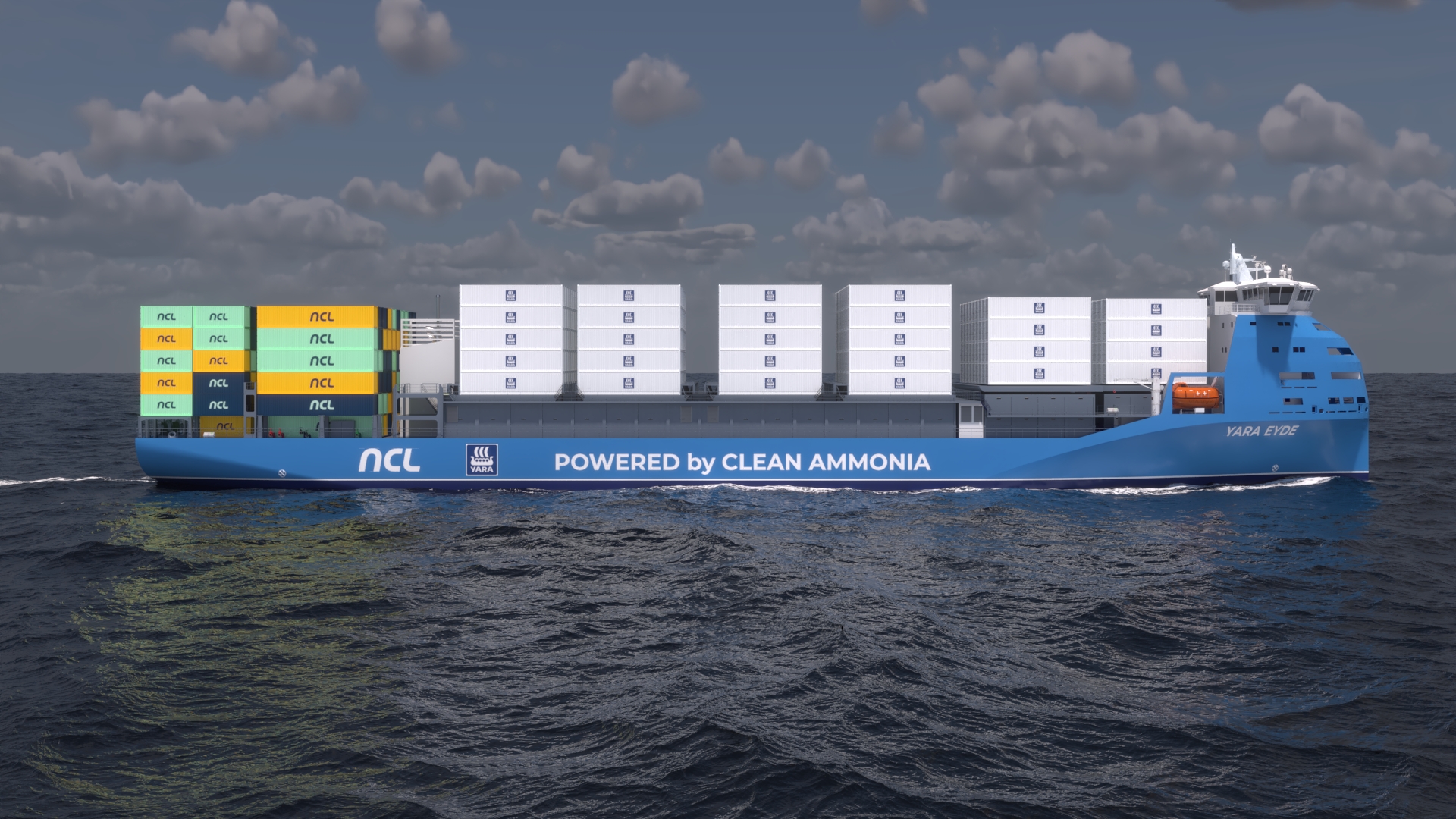
The world’s first container ship powered by renewable ammonia promises to avoid around 11,000 tons of CO₂ per year. The vessel, scheduled to operate in 2026, will connect Norway, Germany, and the Netherlands on one of the shortest and most strategic routes in Europe.
All tests conducted throughout April were monitored by the Portocel team, representatives from the Harbor Master’s Office, key figures from the Companhia Docas do Espírito Santo (Codesa), a technical team from the Piloting Association of Espírito Santo, and some representatives from Argonautica, the company operating the ReDRAFT technology. Thus, it was confirmed that the dynamic draft technology is indeed very efficient, from the preparatory activities that preceded the maneuver to the execution by the pilots, ensuring much more efficiency and control of this information throughout the operation.
Implementation of the New Dynamic Draft Technology Will Promote Much More Benefits for Vessel Maneuvers at the Port and in Other Complexes
After the first tests conducted at the port terminal, the management of Codesa stated that this is the first step towards implementing dynamic draft technology in Espírito Santo and that, after Portocel being a pioneer in this new vessel maneuvering solution, the state will be able to adopt the project more easily. Furthermore, the technology will also bring more benefits to navigation safety by allowing more accurate measurements through electronic sensors applied in a systematic of rules for vessel maneuvers.
Thus, Anderson da Silva Santos, Portocel’s Operations and Port Planning Manager, commented on possible scenarios with vessels that could benefit from the technology and stated that “In adverse conditions, where there may be a risk of the vessel touching the bottom even with the application of the static draft rule, the tool provides data that informs the maximum safe drafts for navigation, which could lead to a decision to reduce the draft to avoid postponing the maneuver or to choose another window considered safe for the vessel’s departure.”
Finally, representatives stated that the expectation is to also gain flexibility in choosing safe navigation windows with vessels and for the terminal to stand out in this initiative.






Seja o primeiro a reagir!